Artwork
Sir John Ogle
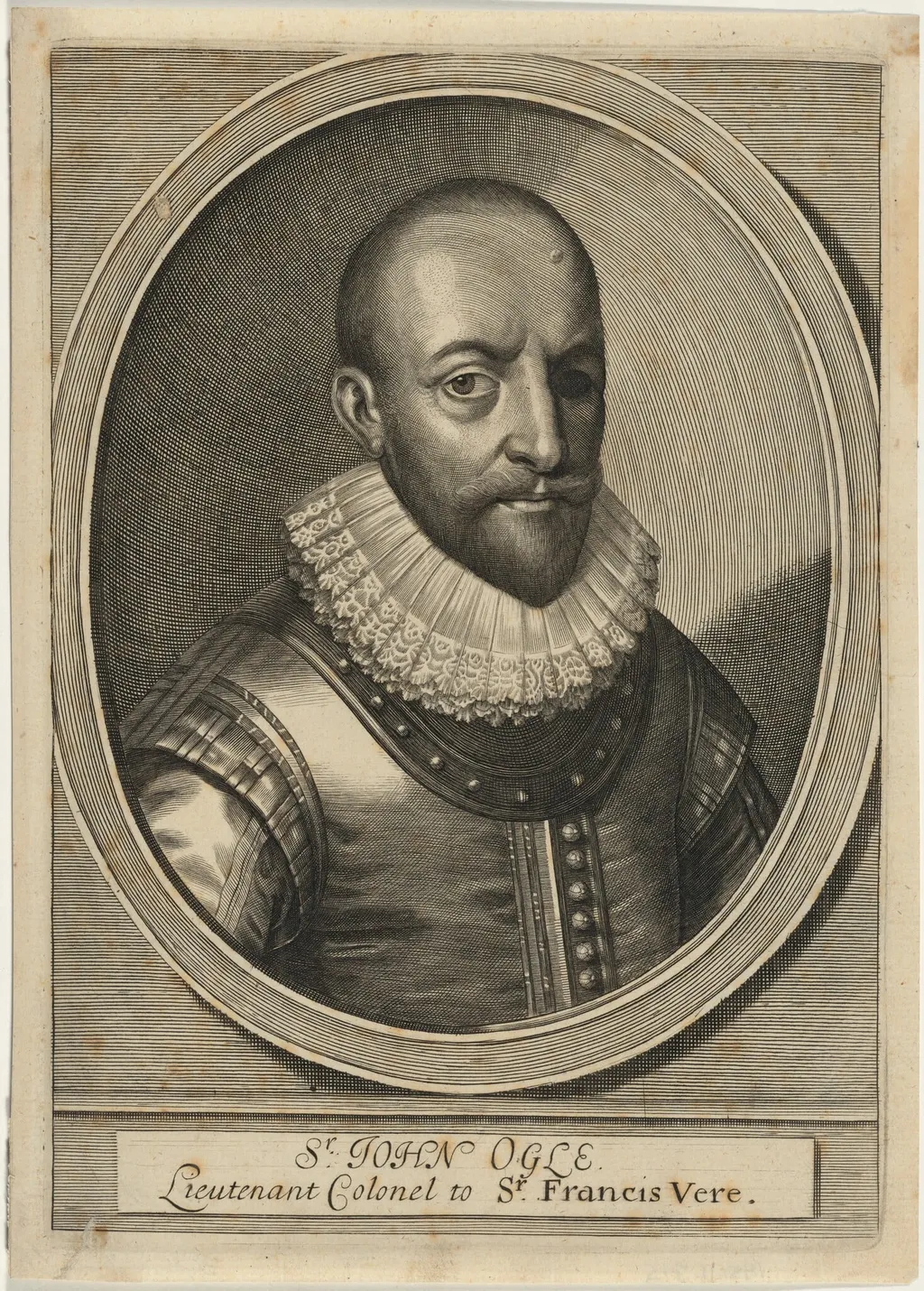
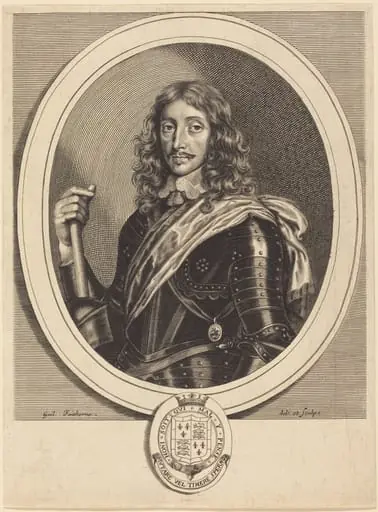
Sir John Ogle is an ink print by the Baroque artist William Faithorne. It dates from 1657 and is held in the collection of the National Gallery of Art.
About this work
Overview
Faithorne’s use of fine, controlled lines captures the texture of armor, fabric, and skin without color, relying on tonal variation to convey form and presence.
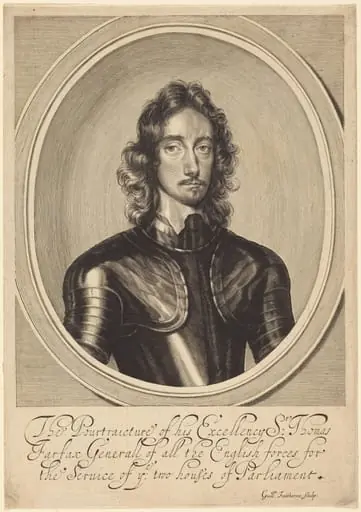
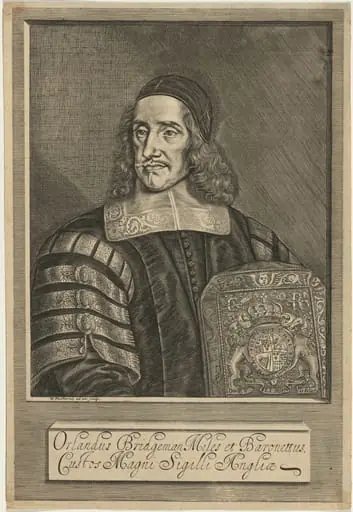
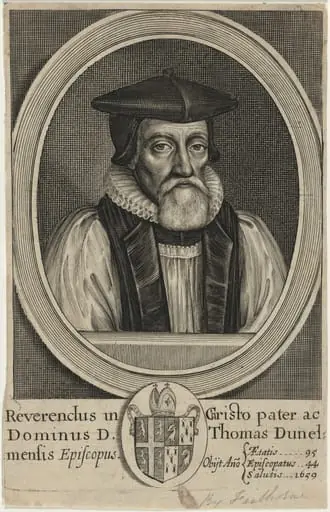
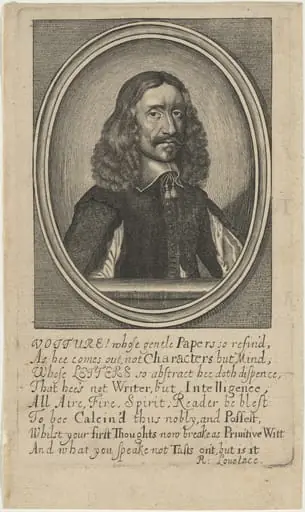
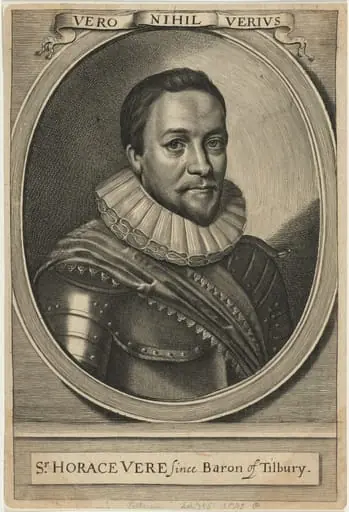
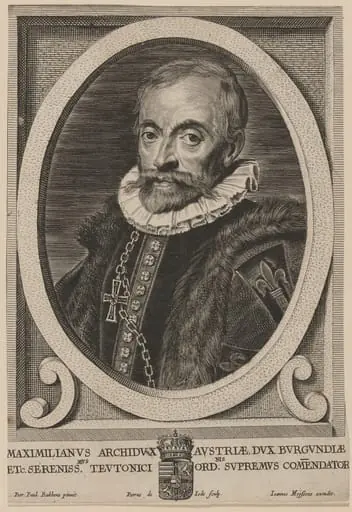
This 1657 engraving by William Faithorne depicts Sir John Ogle, a lieutenant colonel in the Parliamentarian forces during the English Civil War. Rendered in monochrome, the portrait emphasizes precision and restraint, characteristic of mid-17th-century printmaking. Faithorne’s use of fine, controlled lines captures the texture of armor, fabric, and skin without color, relying on tonal variation to convey form and presence.
Subject & Meaning
Sir John Ogle is portrayed in full military attire, including a breastplate, ornate collar, and a ceremonial chain of office. His expression is stern and composed, reflecting the dignity and discipline expected of a professional officer. The inclusion of insignia and armor underscores his status and service, presenting him not as a nobleman in leisure, but as a committed soldier of the Commonwealth era.
Technique & Style
Faithorne employed the engraving technique, incising fine lines into a copper plate to create the image. The density and direction of these lines model light and shadow, defining the metallic sheen of armor and the soft folds of lace. The border, adorned with a geometric pattern, frames the portrait with formal authority, a common convention in portrait prints of the period to elevate the subject’s stature.
History & Provenance
Created in 1657, the engraving was likely produced during the Interregnum, when portraiture served political and personal commemoration in the absence of a monarchy. Faithorne, a leading English engraver, often depicted military and civic figures. The print may have been circulated among Ogle’s associates or used to affirm loyalty to the Parliamentarian cause, though its early ownership remains undocumented.
Context
In the aftermath of the English Civil War, portraiture in print became a vital medium for recording the faces of new political elites. Engravings like this one replaced painted portraits as accessible, reproducible records of public figures. Ogle’s image aligns with a broader trend of depicting military leaders with sober dignity, reflecting the values of the Puritan-influenced Commonwealth regime.
Legacy
Faithorne’s engraving of Sir John Ogle remains a representative example of mid-17th-century British print culture. It contributes to the visual archive of Parliamentarian officers and demonstrates the technical mastery of line engraving in conveying both likeness and authority. While not widely known today, it holds value as a historical document of military identity during a transformative era.
Artist & collection
Artist
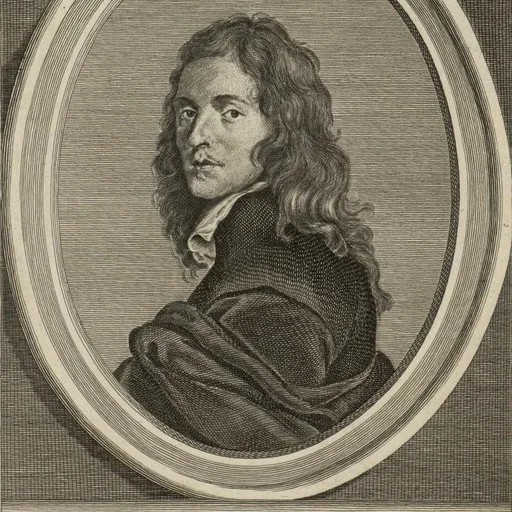
William Faithorne (1616–1691) was a British artist, born in Greater London.