Artwork
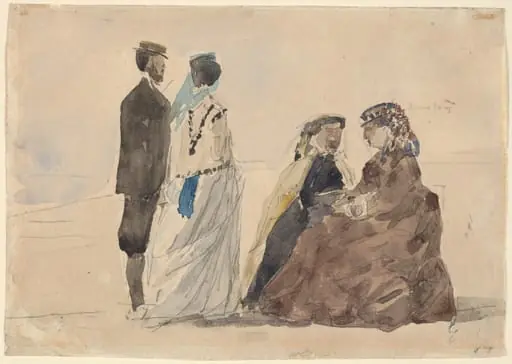
Four Women at Trouville
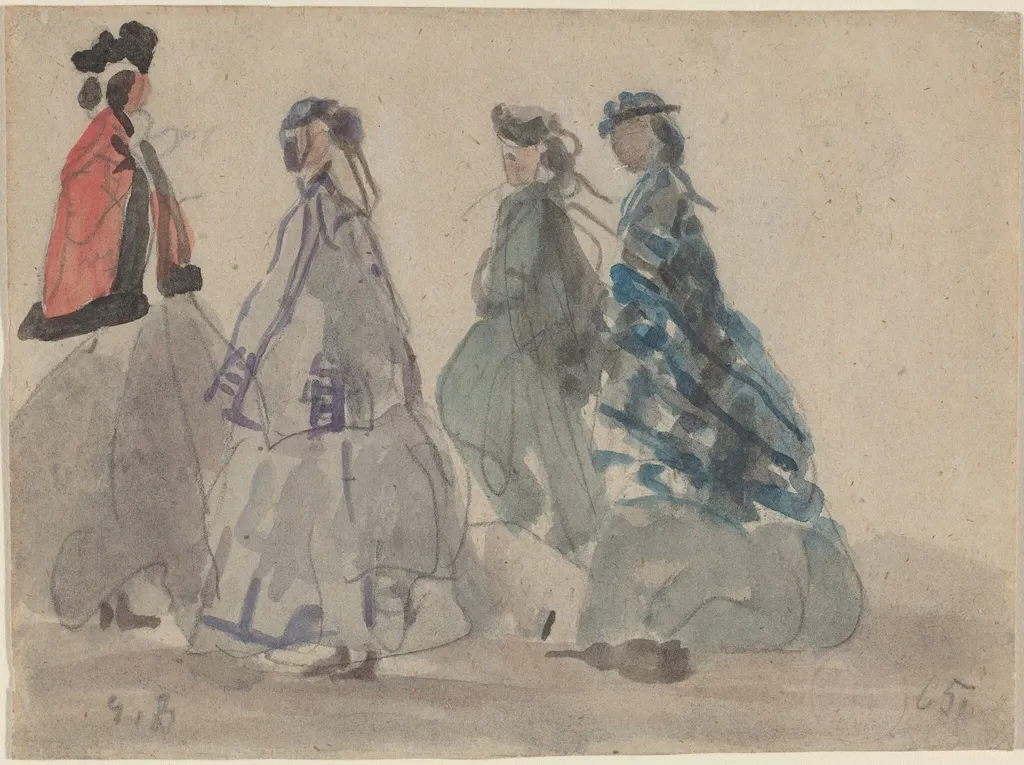
Four Women at Trouville is a graphite drawing by the Impressionist artist Eugène Boudin. It dates from 1865 and is held in the collection of the National Gallery of Art.
About this work
Overview
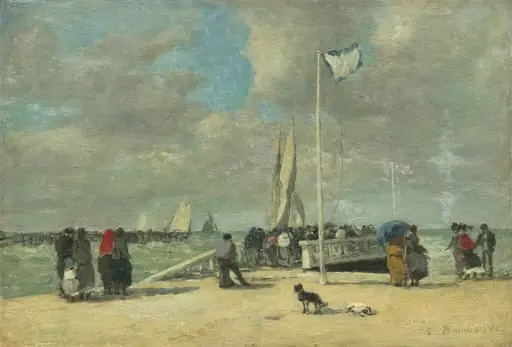
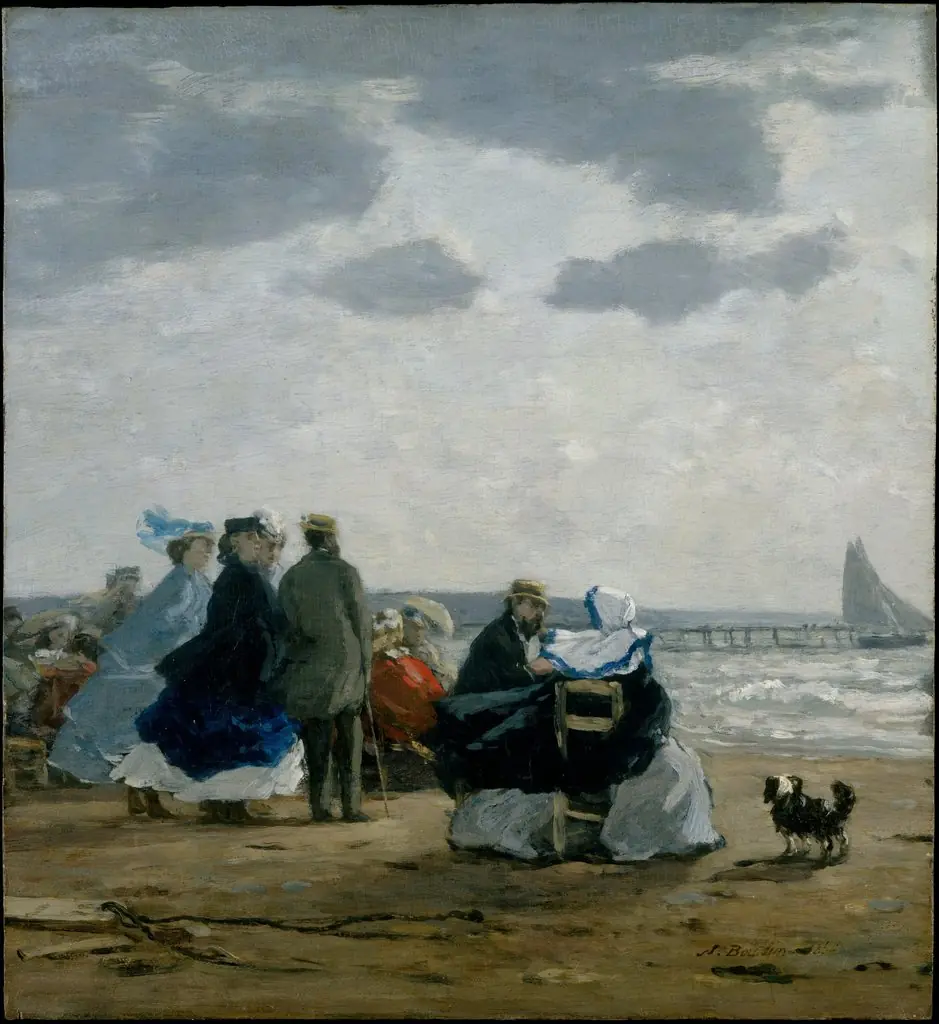
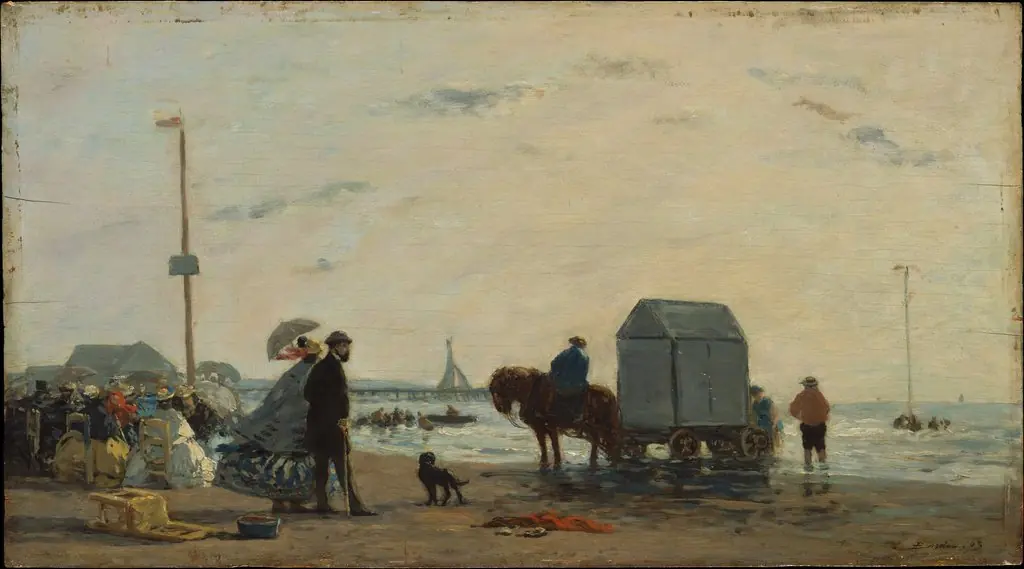
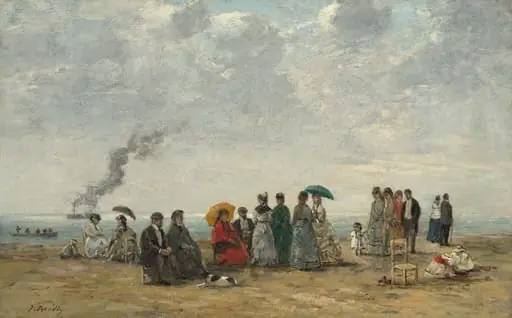
Eugène Boudin’s drawing *Four Women at Trouville* dates to 1865. Executed in watercolor and graphite on laid paper, the work records a seaside scene on the Normandy coast, portraying a small group of women strolling along the beach.
Subject & Meaning
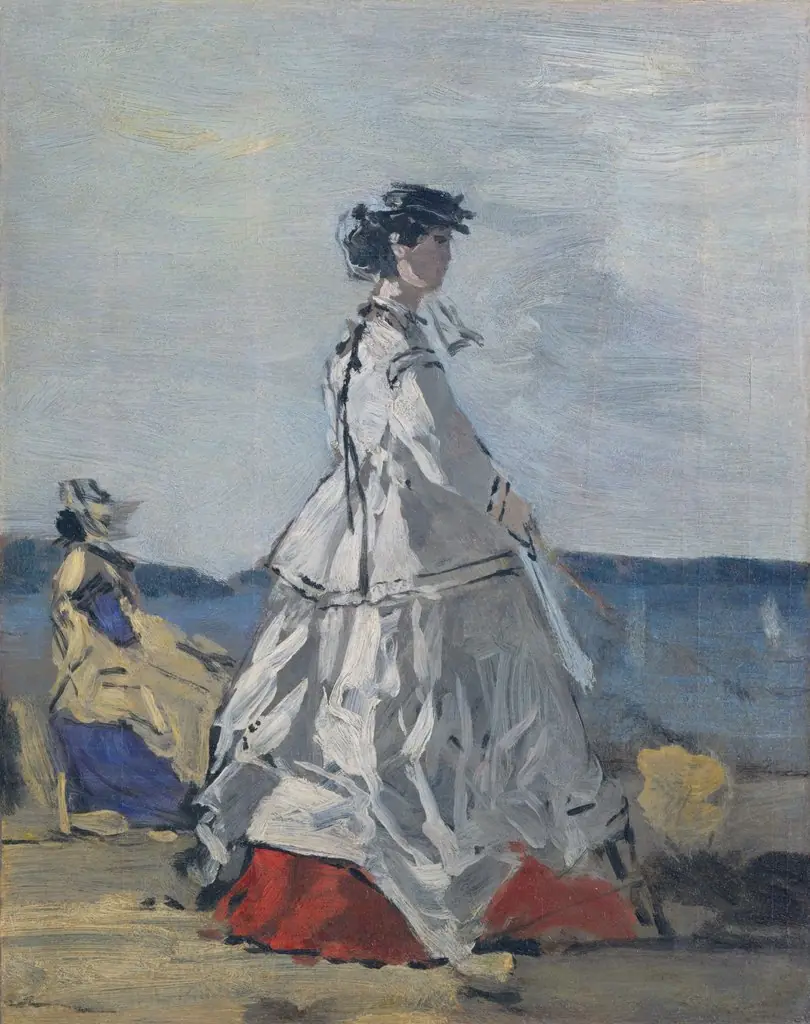
The composition presents four ladies in long dresses and wide-brimmed hats, one shielding herself with a parasol—a fashionable accessory of the period. Their relaxed posture suggests a leisurely promenade, capturing a moment of everyday recreation against the coastal backdrop.
Technique & Style
Boudin combines delicate watercolor washes with graphite line work, allowing the translucent pigment to suggest atmospheric light while the graphite defines the figures and shoreline. The restrained palette and economical brushwork reflect his interest in rendering fleeting effects of weather and illumination.
History & Provenance
Created during Boudin’s early career, the drawing aligns with his reputation as a forerunner of plein‑air painting. Contemporary critics such as Charles Baudelaire and Jean‑Baptiste-Camille Corot noted Boudin’s fresh approach to marine subjects, though specific ownership records for this piece are limited.
Context
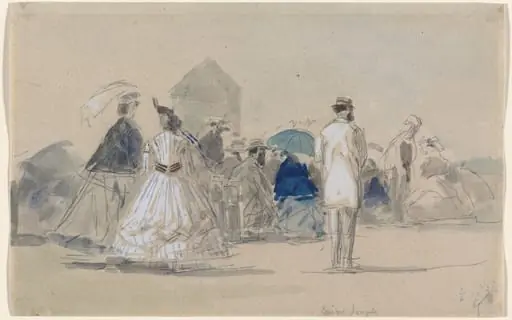
Trouville‑sur‑Mer, a fashionable resort in the 1860s, attracted visitors from Paris seeking sea air and recreation. Boudin’s focus on this locale reflects the broader 19th‑century fascination with leisure activities of the emerging middle class and the visual possibilities offered by coastal light.
Artist & collection
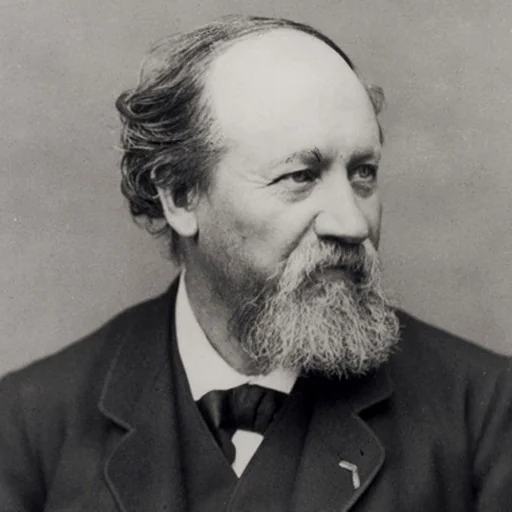
Artist
Eugène Louis Boudin (French: ; 12 July 1824 – 8 August 1898) was one of the first French landscape painters to paint outdoors.