Artwork
Passengers on Shipboard
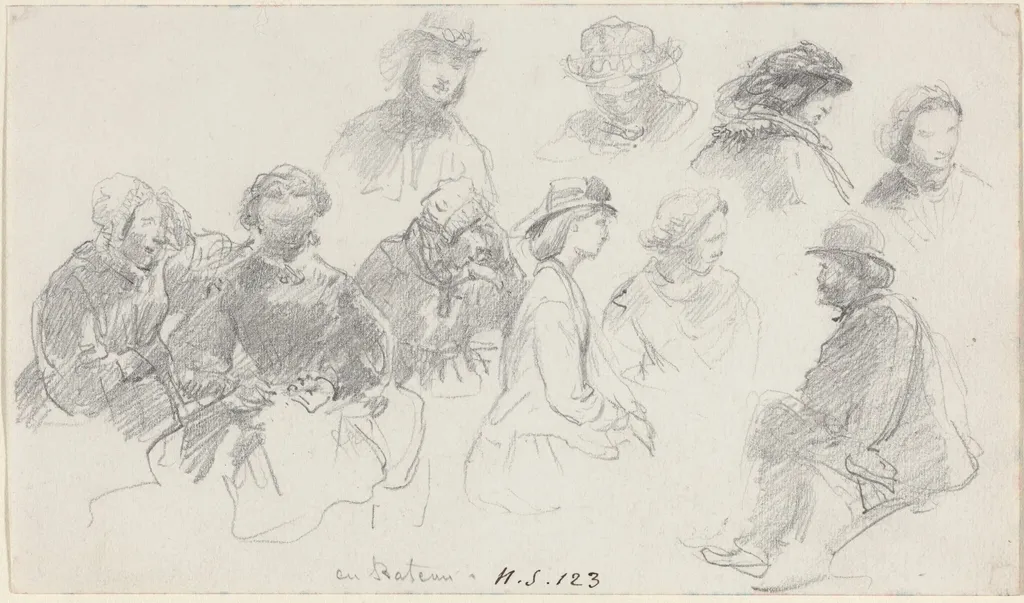
Passengers on Shipboard is a graphite drawing by the Romanticist artist Eugène Boudin. It dates from 1861 and is held in the collection of the National Gallery of Art.
About this work
Overview
Created in 1861, this graphite drawing by Eugène Boudin captures a moment aboard a ship, rendered with delicate, fluid lines on wove paper.
Created in 1861, this graphite drawing by Eugène Boudin captures a moment aboard a ship, rendered with delicate, fluid lines on wove paper. Boudin, known for his coastal scenes, favored direct observation over studio composition. The work exemplifies his interest in everyday maritime life, rendered not as grand spectacle but as quiet, transient activity. Its modest scale and medium reflect a preparatory or observational approach common in his practice.
Subject & Meaning
The drawing depicts a group of passengers on deck, dressed in mid-19th-century attire—men in hats, women in long dresses—engaged in unremarkable, private moments. There is no narrative climax; instead, Boudin focuses on the rhythm of movement and the quiet interaction of individuals within a confined space. The scene suggests the social microcosm of sea travel, where routine and solitude coexist amid the vastness of the ocean.
Technique & Style
Boudin employed graphite with subtle variations in pressure to suggest texture and volume, using light, rapid strokes to convey motion and posture. The softness of the wove paper enhances the delicacy of the medium, allowing for gentle shading that avoids harsh contours. His technique prioritizes immediacy over finish, capturing the fleeting gestures of figures without idealization, a hallmark of his observational approach to modern life.
History & Provenance
The drawing originates from Boudin’s extensive sketchbook practice during the 1860s, a period when he frequently traveled along the Normandy coast. While the specific provenance of this sheet is not widely documented, it aligns with his habit of recording scenes from steamships and ferries, subjects that later informed his oil paintings. It remained within private collections until entering institutional hands in the 20th century.
Context
Boudin worked during a time when artists increasingly turned to contemporary life as subject matter, moving away from historical or mythological themes. His focus on seascapes and shipboard scenes anticipated the Impressionists’ interest in light and transient moments. Though not formally part of the movement, his direct engagement with nature and modern transport influenced artists like Monet, who credited Boudin as an early mentor.
Legacy
This drawing contributes to Boudin’s reputation as a bridge between 19th-century realism and emerging modernist practices. His commitment to sketching from life, particularly in maritime settings, helped redefine the role of drawing as a legitimate artistic record rather than merely a preparatory tool. The work remains a quiet testament to his ability to find significance in the ordinary rhythms of travel and leisure.
Artist & collection
Artist
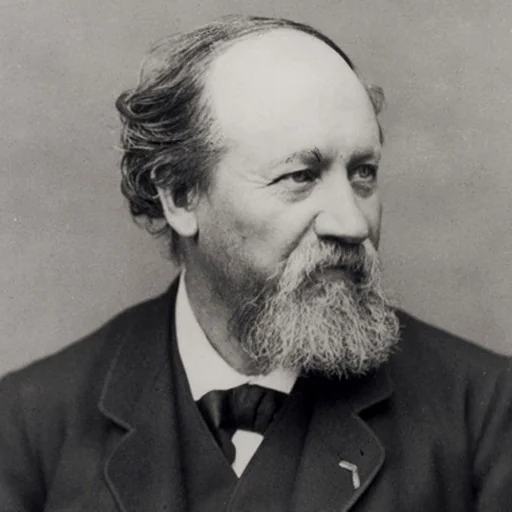
Eugène Louis Boudin (French: ; 12 July 1824 – 8 August 1898) was one of the first French landscape painters to paint outdoors.

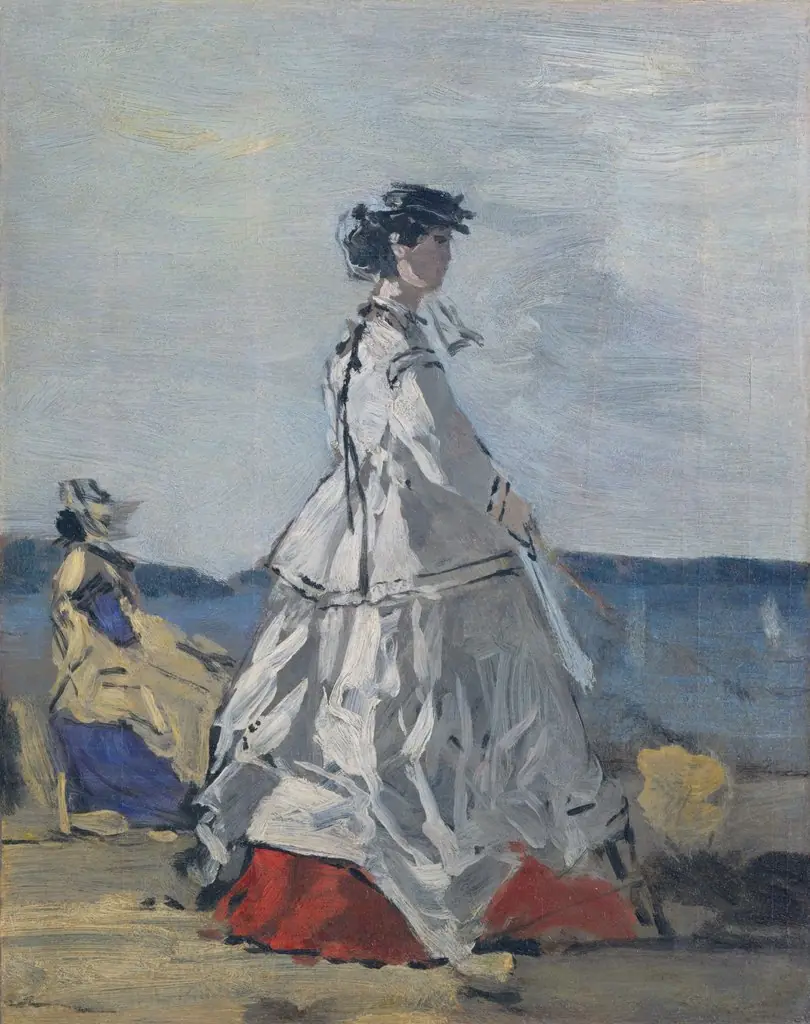
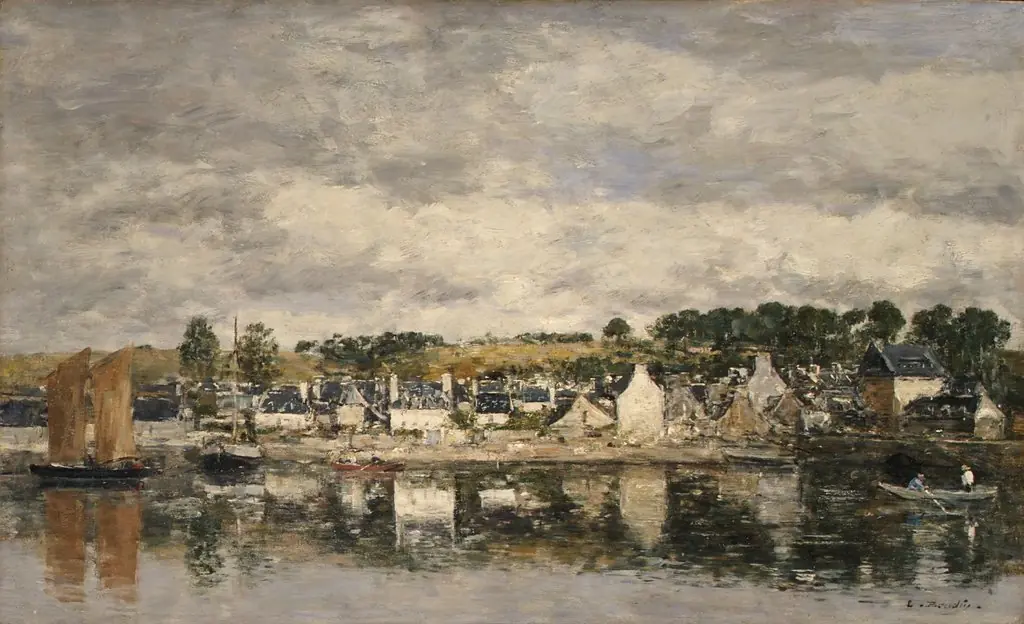
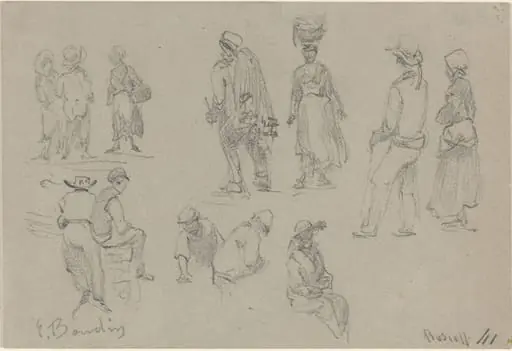 Provincial Figures
![Two Head Studies and a Crouching Nude Woman; Two Women's Heads and a Head of Child [recto], by Paul Gauguin](https://artifactworldgallery.com/img/paul-gauguin--two-head-studies-and-a-crouching-nude-woman-two-women-s-head--fe3fee334eaa34d1-w320.webp) Two Head Studies and a Crouching Nude Woman; Two Women's Heads and a Head of Child [recto]
Two Head Studies and a Crouching Nude Woman; Two Women's Heads and a Head of Child [recto]![A Man Leaning on a Wall with Five Other Studies; Two Bearded Men Wearing Hats, and Five Other Studies [recto], by Paul Gauguin](https://artifactworldgallery.com/img/paul-gauguin--a-man-leaning-on-a-wall-with-five-other-studies-two-bearded--2df262058c2bfe48-w320.webp) A Man Leaning on a Wall with Five Other Studies; Two Bearded Men Wearing Hats, and Five Other Studies [recto]
A Man Leaning on a Wall with Five Other Studies; Two Bearded Men Wearing Hats, and Five Other Studies [recto]![Five Studies of Soldiers and a Woman's Face; Two Figures [recto], by Paul Gauguin](https://artifactworldgallery.com/img/paul-gauguin--five-studies-of-soldiers-and-a-woman-s-face-two-figures-rect--9d09632e7e517067-w320.webp) Five Studies of Soldiers and a Woman's Face; Two Figures [recto]
Five Studies of Soldiers and a Woman's Face; Two Figures [recto]![Two Heads; Studies of Sheep [recto], by Paul Gauguin](https://artifactworldgallery.com/img/paul-gauguin--two-heads-studies-of-sheep-recto--d045b25e15a504f5-w320.webp) Two Heads; Studies of Sheep [recto]
Two Heads; Studies of Sheep [recto]![Three Studies of Men's Heads, One with Spectacles; Dogs, Children, and Two Bearded Men in Profile [verso], by Paul Gauguin](https://artifactworldgallery.com/img/paul-gauguin--three-studies-of-men-s-heads-one-with-spectacles-dogs-childr--5397d62ca5c9a48b-w320.webp) Three Studies of Men's Heads, One with Spectacles; Dogs, Children, and Two Bearded Men in Profile [verso]
Three Studies of Men's Heads, One with Spectacles; Dogs, Children, and Two Bearded Men in Profile [verso]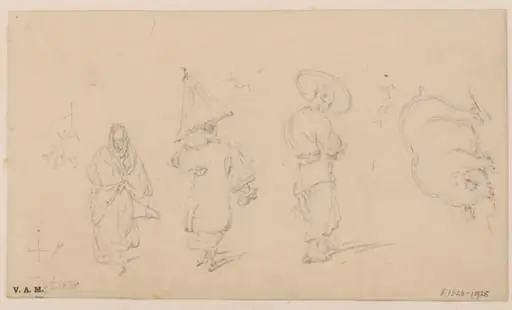 Three figures and a pig
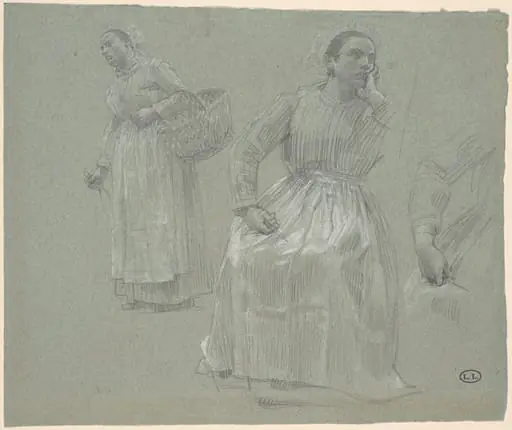 Study of Two Women, One Seated and One Holding a Basket
![A Person Holding an Umbrella and a Seated Man with a Hat and a Glass [verso], by Paul Gauguin](https://artifactworldgallery.com/img/paul-gauguin--a-person-holding-an-umbrella-and-a-seated-man-with-a-hat-and--8307c4522b7d6e38-w320.webp) A Person Holding an Umbrella and a Seated Man with a Hat and a Glass [verso]
A Person Holding an Umbrella and a Seated Man with a Hat and a Glass [verso]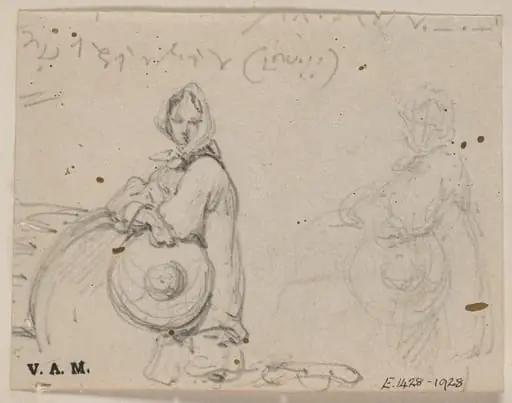 Two drawings of a boatwoman
![Figure Studies [recto], by Théophile Alexandre Steinlen](https://artifactworldgallery.com/img/theophile-alexandre-steinlen--figure-studies-recto--606dcb549f484fbb-w320.webp) Figure Studies [recto]
Figure Studies [recto]![A Breton Woman and a Standing Man; Head and Hand of a Monkey [recto], by Paul Gauguin](https://artifactworldgallery.com/img/paul-gauguin--a-breton-woman-and-a-standing-man-head-and-hand-of-a-monkey--e35c46eb8cb6c297-w320.webp) A Breton Woman and a Standing Man; Head and Hand of a Monkey [recto]
A Breton Woman and a Standing Man; Head and Hand of a Monkey [recto]