Artwork
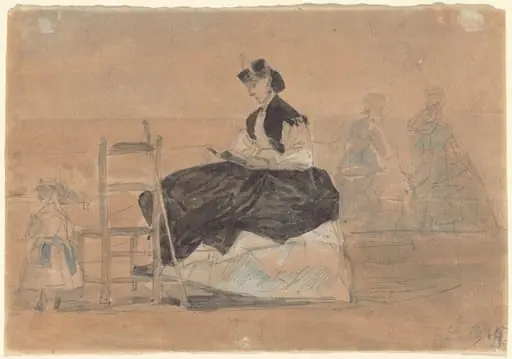
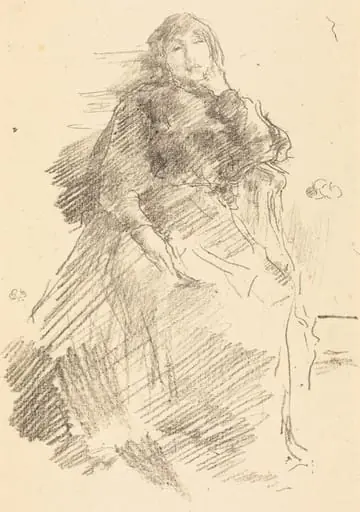
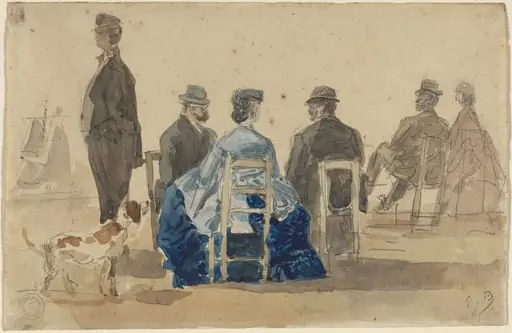
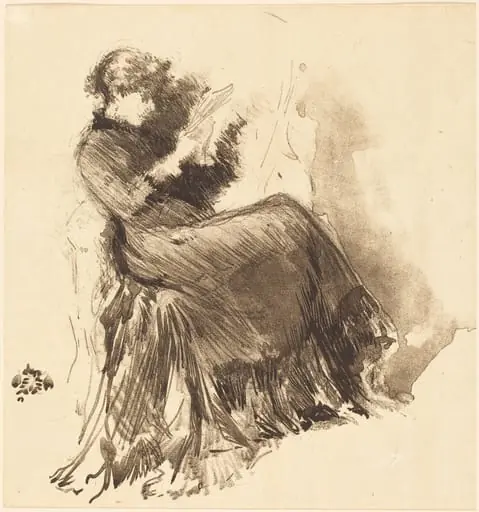
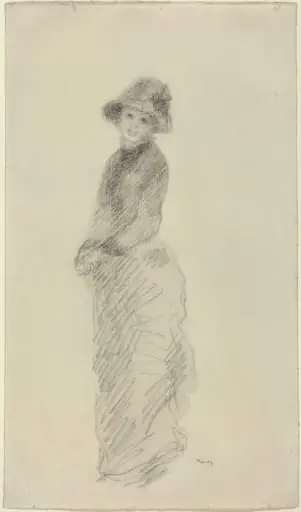
Seated Lady in Black, Trouville
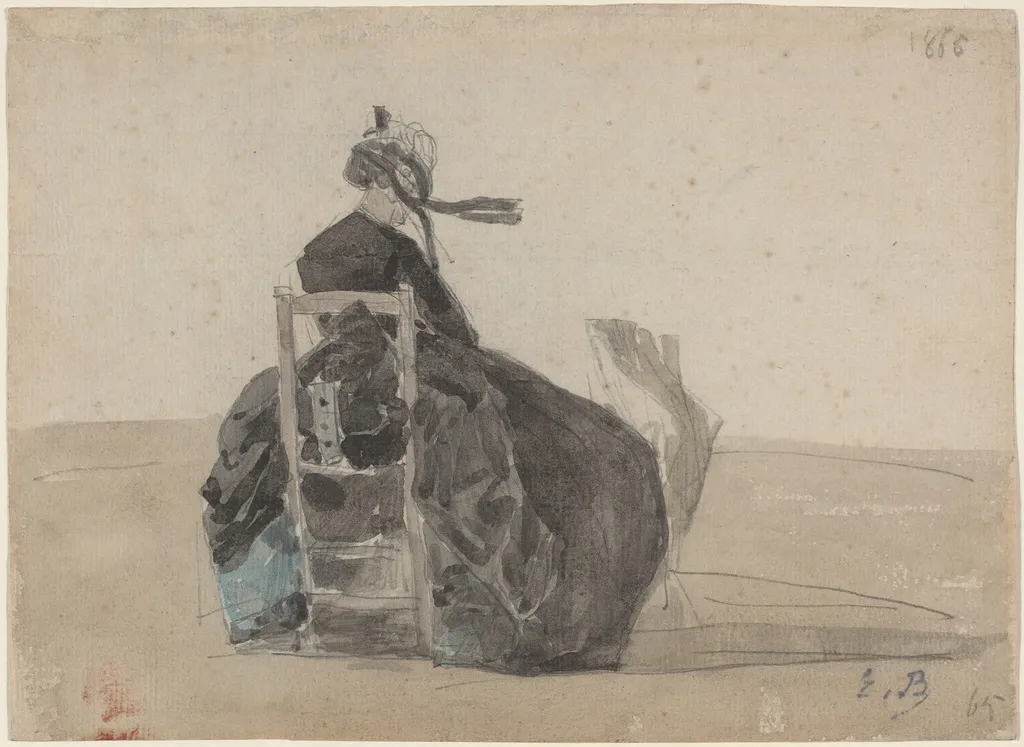
Seated Lady in Black, Trouville is a graphite drawing by the Impressionist artist Eugène Boudin. It dates from 1865 and is held in the collection of the National Gallery of Art.
About this work
Overview
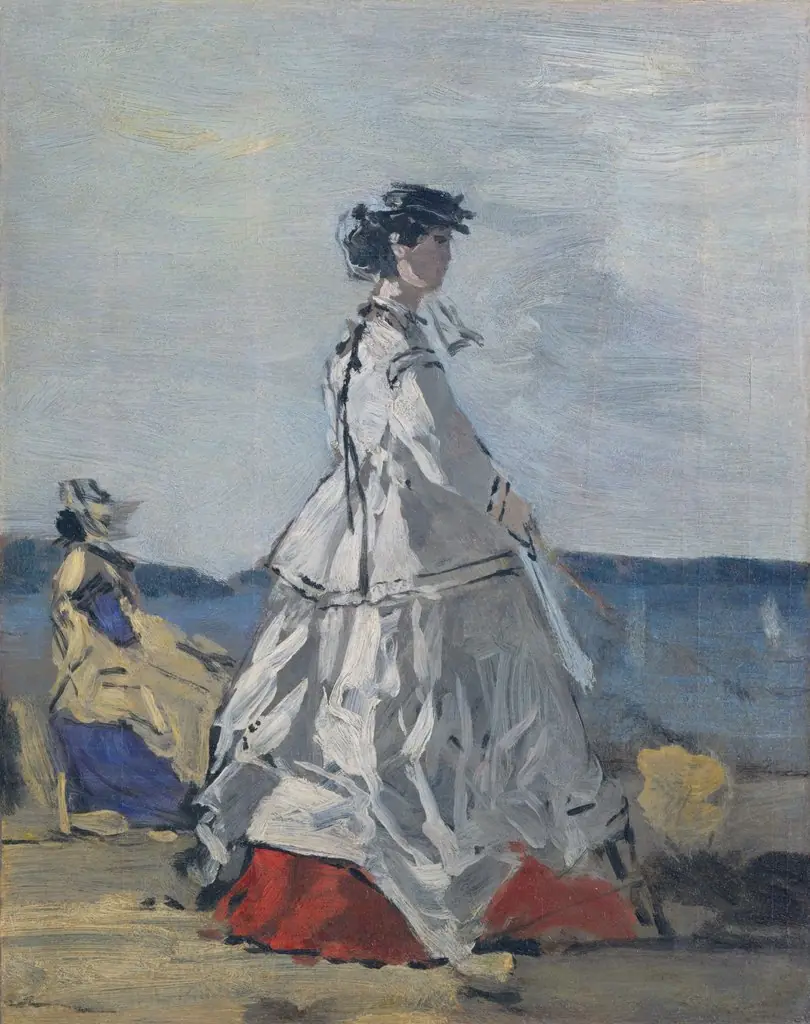
Seated Lady in Black, Trouville (1865) is a watercolor and graphite drawing on laid paper by Eugène Boudin, featuring a solitary female figure in a coastal setting, with a focus on capturing light, atmosphere, and the subject's quiet demeanor.
Subject & Meaning
The composition centers on a woman in a long black dress, seated in a chair, set against a simple backdrop that emphasizes her calm and serene expression, drawing attention to her contemplative state.
Technique & Style
Boudin employed simple, expressive lines and a restrained color palette, combining watercolor and graphite to achieve a soft, gentle quality that highlights the subject's mood and the artist's plein-air influenced style.
History & Provenance
Created in 1865, this work exemplifies Boudin's contribution to the evolving plein-air tradition, characteristic of his depictions of leisure activities in Normandy, though specific provenance details are not provided.
Context
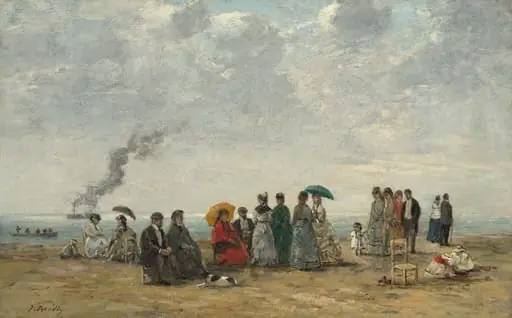
Within Boudin's oeuvre, this piece reflects his ability to balance outdoor themes with intimate, indoor-like portraits, showcasing his versatility within the French plein-air movement of the mid-19th century.
Legacy
Seated Lady in Black, Trouville contributes to Boudin's legacy as a pioneer in capturing outdoor light and atmosphere, influencing subsequent artists in the plein-air tradition, with its understated elegance reflecting the era's shift towards more naturalistic and intimate depictions of everyday life.
Artist & collection
Artist
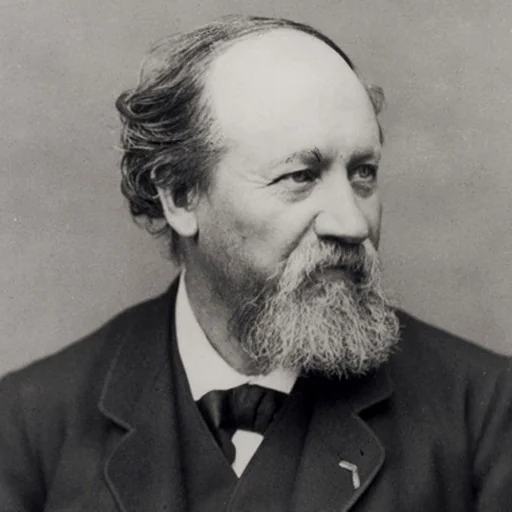
Eugène Louis Boudin (French: ; 12 July 1824 – 8 August 1898) was one of the first French landscape painters to paint outdoors.