Artwork
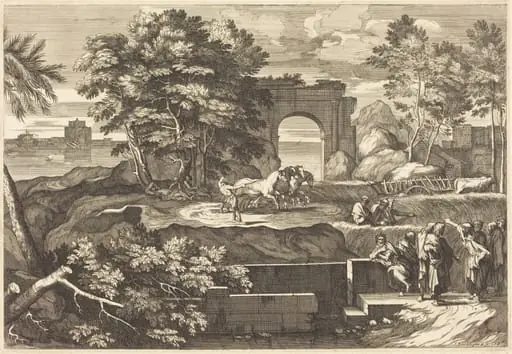
The Samaritan Pours Oil and Wine in the Wounds of a Man Left for Dead
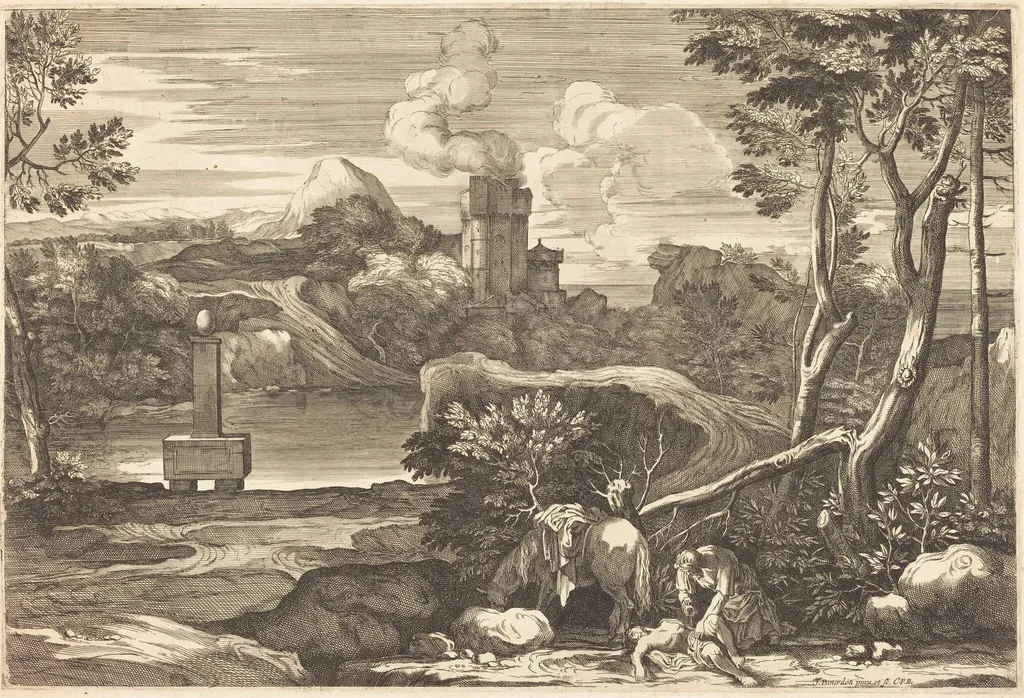
The Samaritan Pours Oil and Wine in the Wounds of a Man Left for Dead is an ink print by the Baroque artist Sébastien Bourdon. It dates from 1644 and is held in the collection of the National Gallery of Art.
About this work
Overview
The work is part of a broader engagement with biblical themes in his printmaking, executed with precision using the engraving technique on metal plates.
Created in 1644 by French artist Sébastien Bourdon, this engraving illustrates a moment from the Gospel of Luke in which a Samaritan tends to a wounded traveler. Bourdon, primarily known for his paintings, also produced detailed prints that reflected his interest in religious narratives. The work is part of a broader engagement with biblical themes in his printmaking, executed with precision using the engraving technique on metal plates.
Subject & Meaning
The scene captures the compassionate act of the Samaritan, who, contrary to social norms of the time, stops to care for a stranger left for dead. The wounded man lies prone on a rocky roadside, while the Samaritan kneels, pouring oil and wine into his injuries. The quiet dignity of the gesture emphasizes mercy over judgment, aligning with the parable’s moral emphasis on neighborly love regardless of ethnic or religious difference.
Technique & Style
Bourdon employed fine, controlled lines to model form and texture, using cross-hatching to suggest depth in the rocks, fabric, and figures. The landscape is rendered with restrained detail—trees, distant hills, and a small building frame the action without distraction. Subtle gradations of ink create atmospheric light, enhancing the scene’s stillness. The technique reflects the precision of 17th-century engraving, where clarity and emotional restraint were prioritized over dramatic flair.
History & Provenance
The engraving was produced during Bourdon’s early career, shortly after his return from Italy, where he absorbed influences from Caravaggio and other Northern Italian artists. It was likely made for dissemination among collectors and religious audiences, as prints were more accessible than paintings. No definitive early ownership records survive, but the work appears in later 17th-century French print collections and is now held in major institutional holdings.
Context
In mid-17th-century France, religious imagery remained central to artistic production, even as secular themes gained ground. Bourdon’s engagement with biblical parables aligned with Counter-Reformation ideals promoting moral exemplars. His choice of the Good Samaritan resonated with contemporary debates on charity and social duty. The engraving format allowed wider circulation, making the message accessible beyond elite patrons.
Legacy
Though less celebrated than his paintings, this engraving exemplifies Bourdon’s skill in translating narrative emotion into the disciplined medium of print. It contributed to the tradition of biblical illustration in Northern European printmaking and influenced later artists seeking to convey spiritual themes with quiet realism. The work remains a reference for studies on how religious stories were visually interpreted in early modern Europe.
Artist & collection
Artist
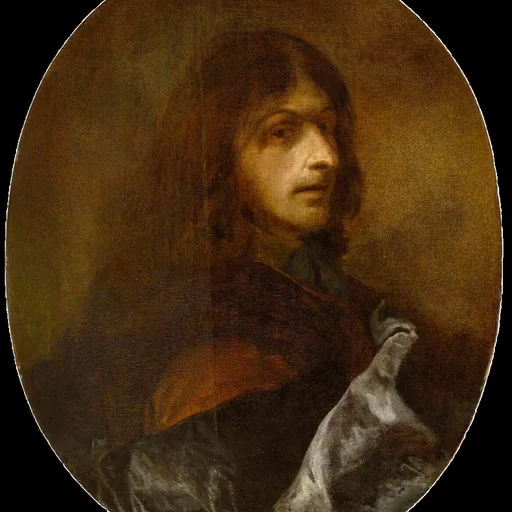
Sébastien Bourdon (French pronunciation: ; 2 February 1616 – 8 May 1671) was a French painter and engraver. His chef d'œuvre is The Crucifixion of St. Peter made for the cathedral of Notre Dame.

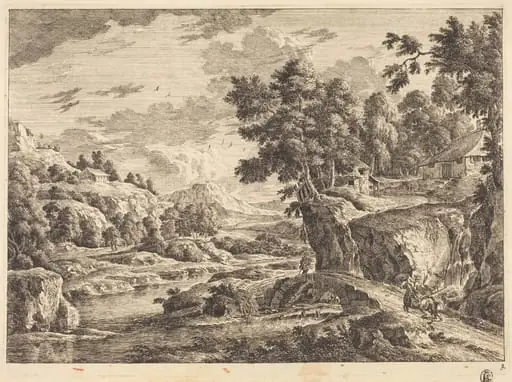 Landscape with a Bridge and Three Farm Buildings
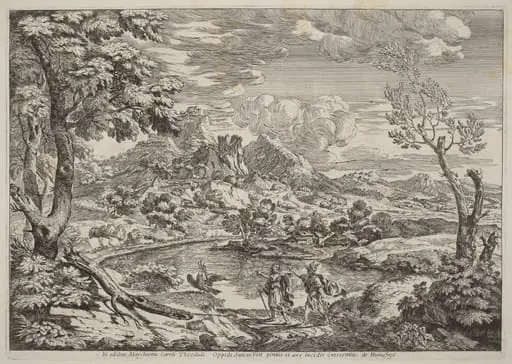 A Man Showing Mercury the Eagle of Jupiter
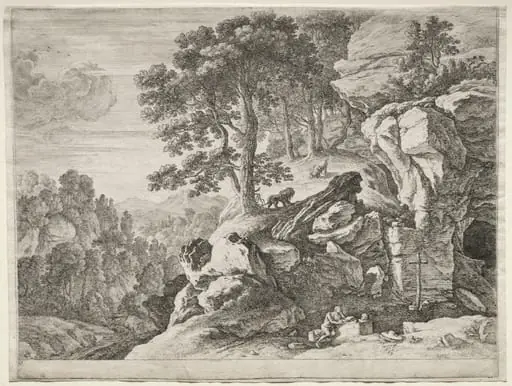 The Penitents: St. Jerome in the Desert
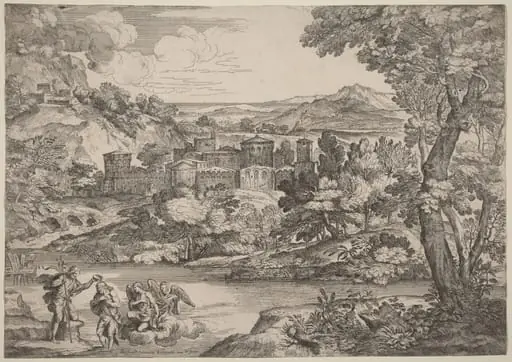 The Baptism of Christ, Set in a Mountainous Landscape
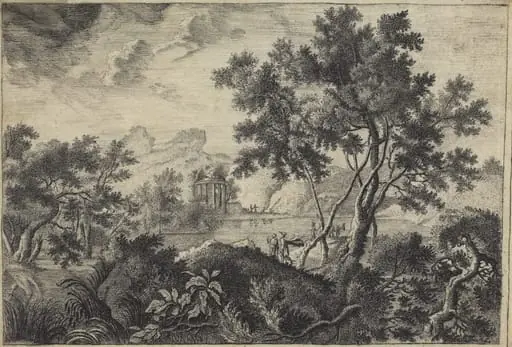 Classical Landscape with a Tempietto
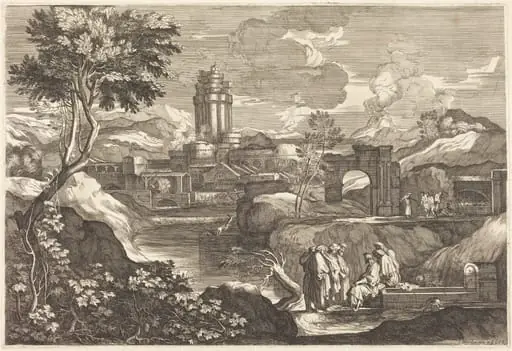 Jesus Telling the Parable of the Father who Sends his Workers to his Vineyard
 The Pharisees Complain to Our Lord
 View of the River Rhine