Artwork
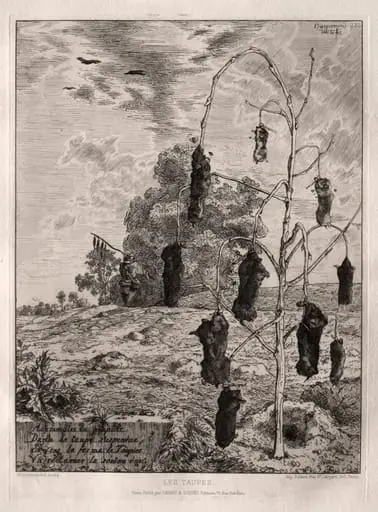
The Moles (Les Taupes)
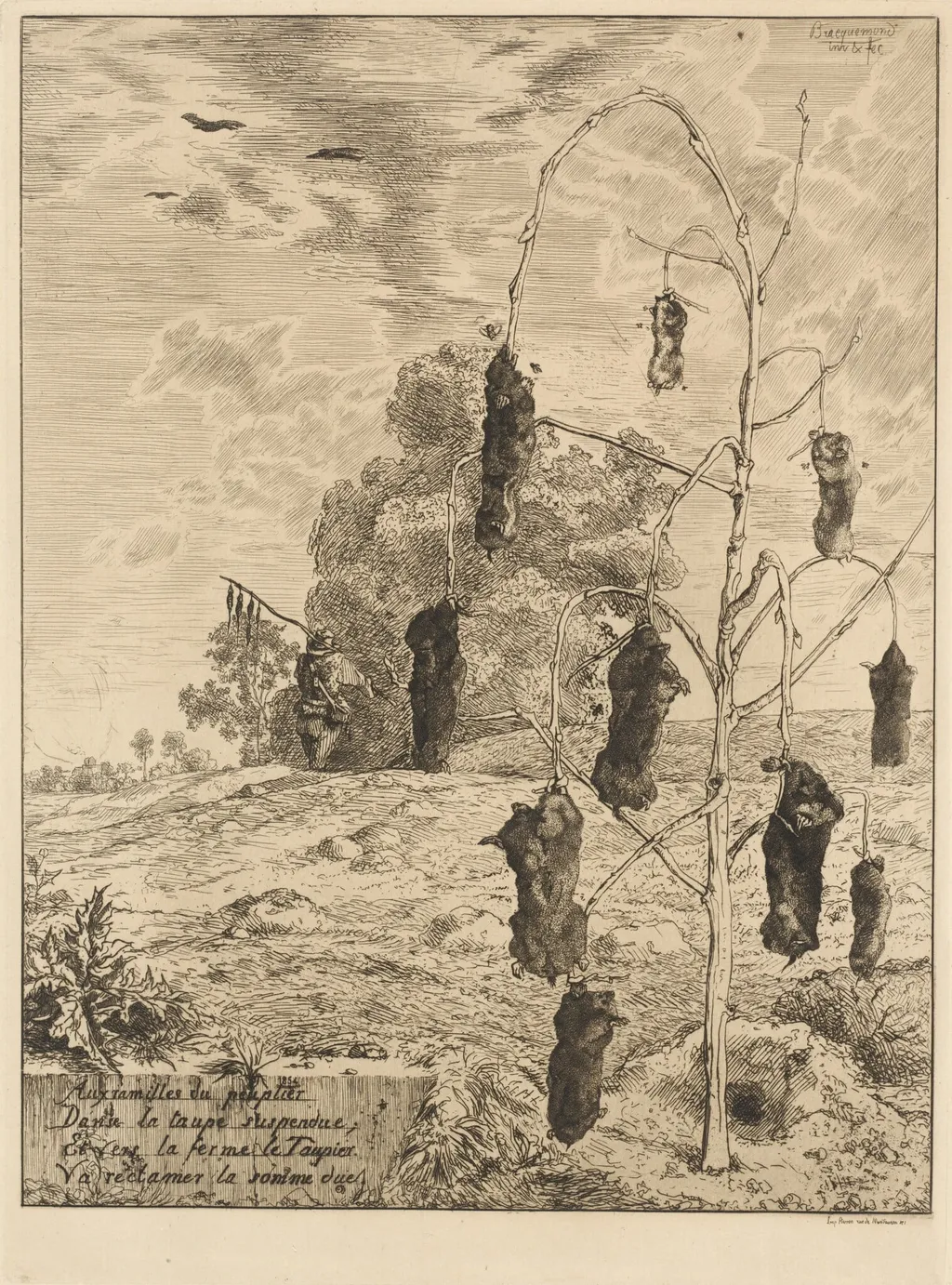
The Moles (Les Taupes) is an ink print by the Impressionist artist Félix Bracquemond. It dates from 1854 and is held in the collection of the National Gallery of Art.
About this work
Overview
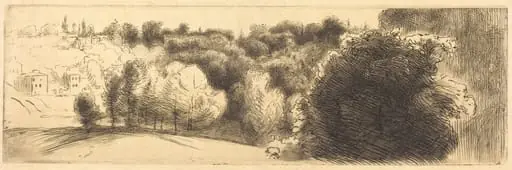
The Moles (Les Taupes) is an 1854 etching with stipple on laid paper by Félix Henri Bracquemond, a pivotal French artist in the revival of printmaking. This work showcases Bracquemond's experimentation with technique and his contribution to the burgeoning influence of Japonisme in 19th-century France.
Subject & Meaning
The print depicts a dark, entangled scene of mole-like creatures navigating a tangle of roots, branches, and vague, distant buildings. The image is accompanied by a serpentine French text that enumerates different types of moles (village, swamp, farm), suggesting a riddle or cautionary message. The subject's interpretation is ambiguous, leaving the viewer to ponder its symbolism.
Technique & Style
Bracquemond employed fine lines and nuanced shading to achieve depth, imbuing the mole creatures with a sense of vitality within their chaotic environment. The stipple technique, combined with etching, allowed for detailed, expressive textures, characteristic of Bracquemond's innovative approach to printmaking.
History & Provenance
Created in 1854, The Moles reflects Bracquemond's role in promoting printmaking among fellow artists, including Édouard Manet and Edgar Degas. Bracquemond's personal life also intersects with art history through his marriage to Impressionist painter Marie Bracquemond.
Artist & collection

Artist
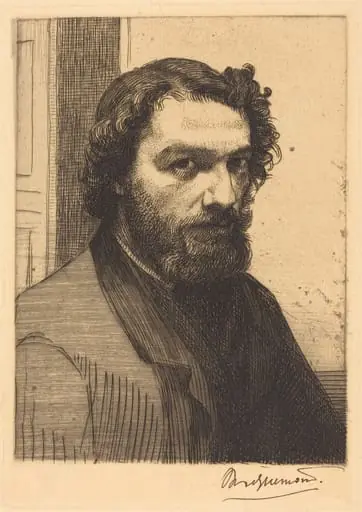
Félix Henri Bracquemond (French pronunciation: ; 22 May 1833 – 29 October 1914) was a French painter, etcher, and printmaker.

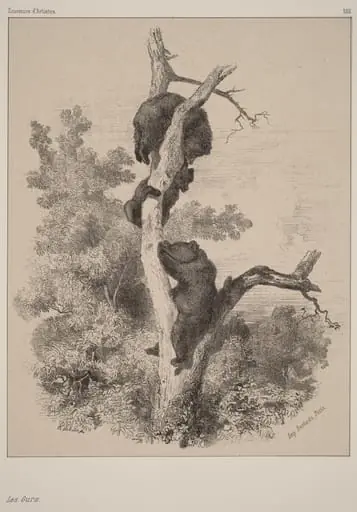 Les ours
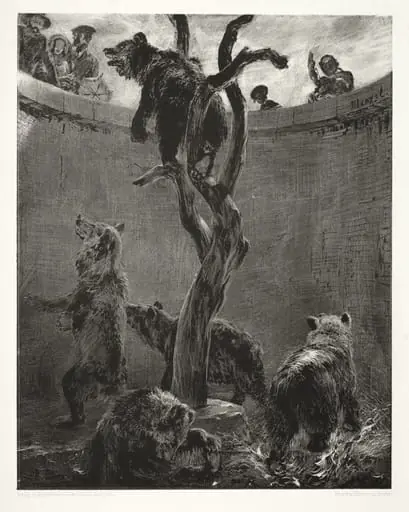 Essay on Stone with Brush and Scraper: The Bear Pit
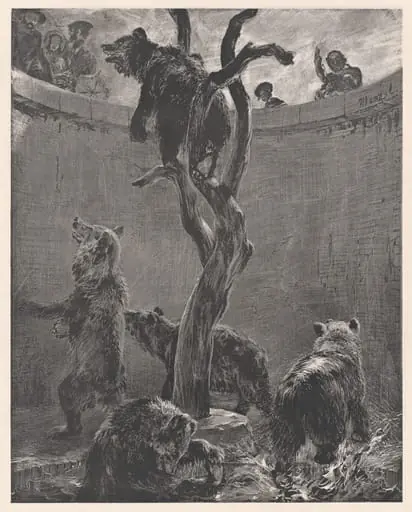 Der Bärenzwinger im zoologischen Garten (The Bear Pit in the Zoological Gardens)
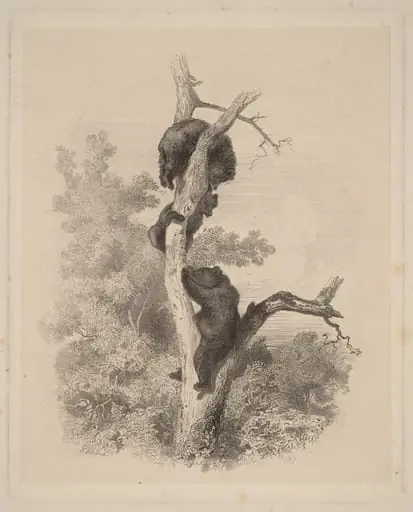 Les Ours (The Bears)
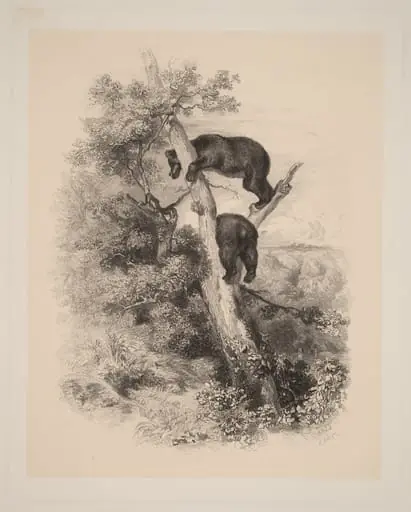 Deux Ours
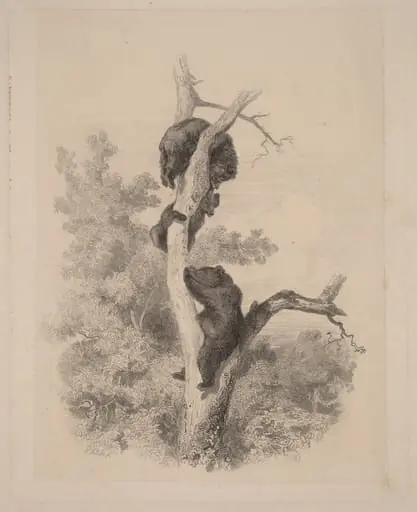 Les ours
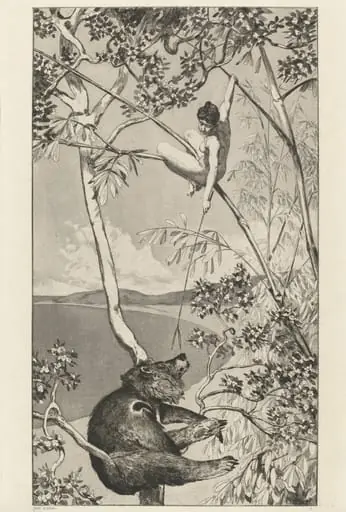 Bear and Elf (Bär und Elfe): pl.1
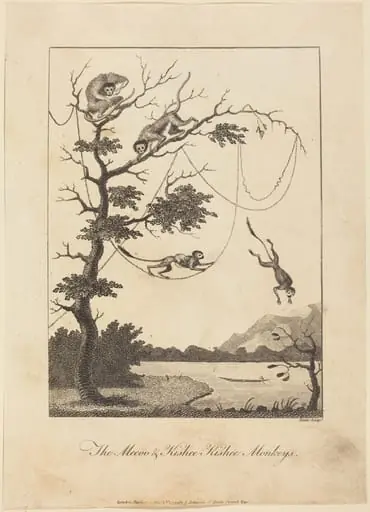 The Mecoo & Kisbee Kishee Monkeys
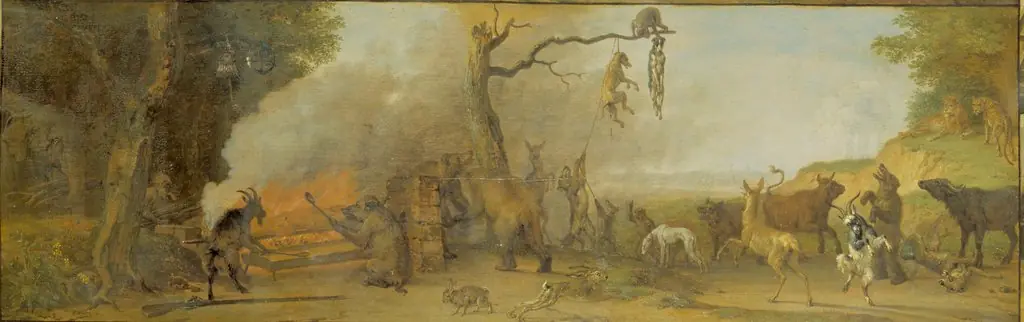 Execution of Hunter and Hounds
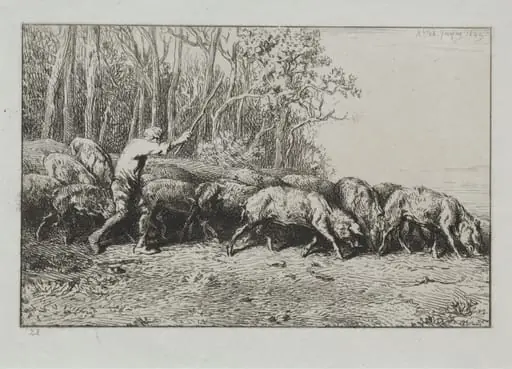 Herd of Pigs Leaving a Forest
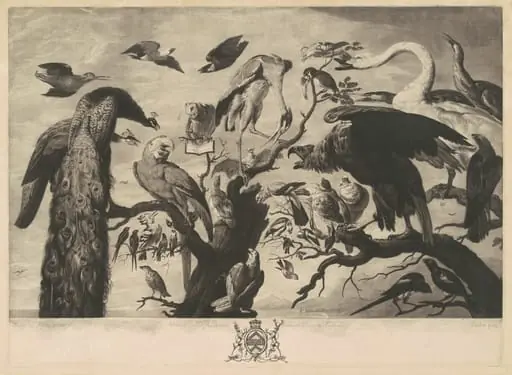 A Concert of Birds
 Moles
Moles