Artwork
Moles
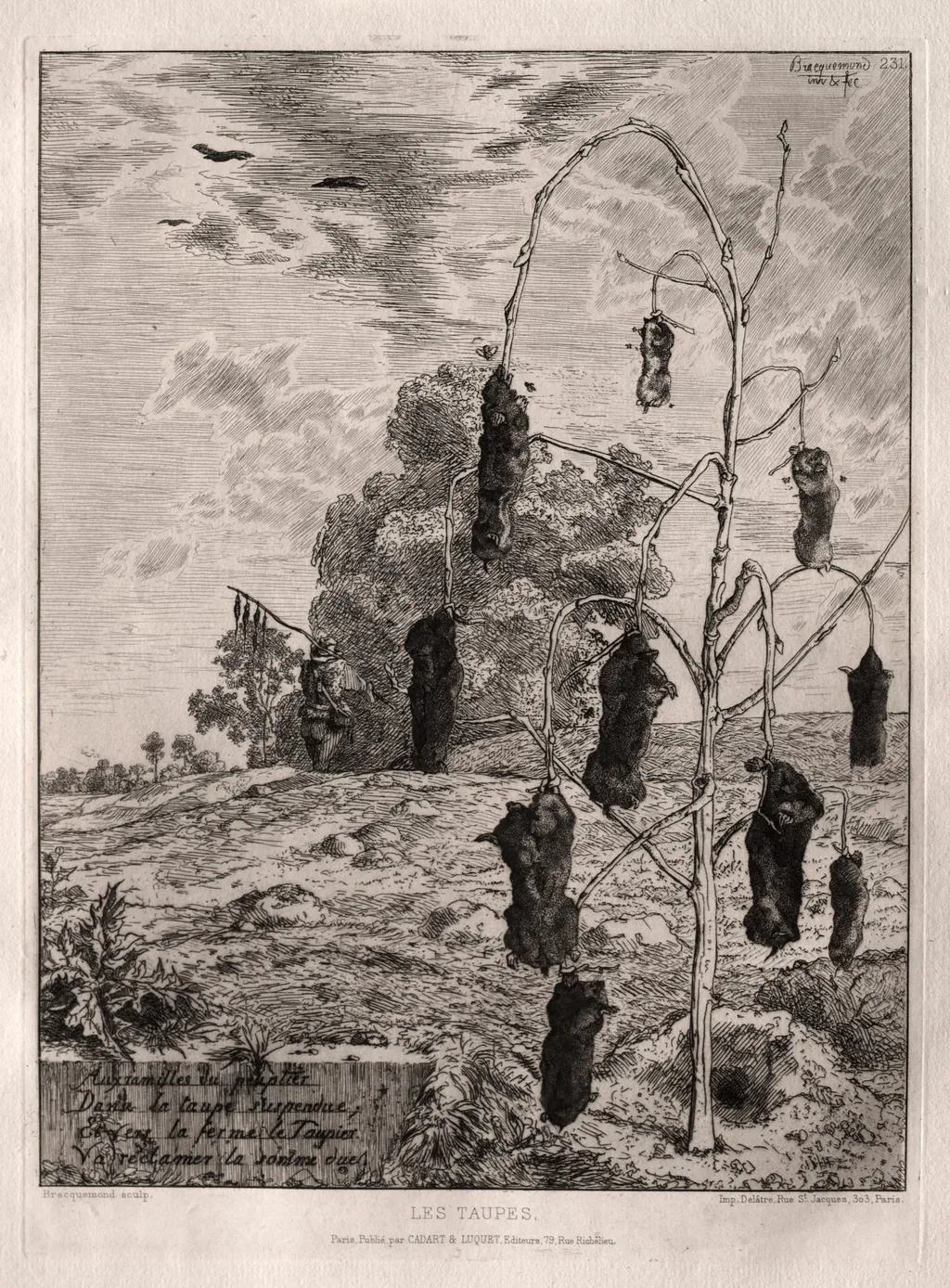
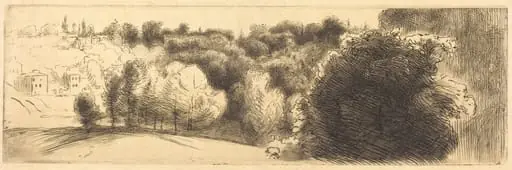
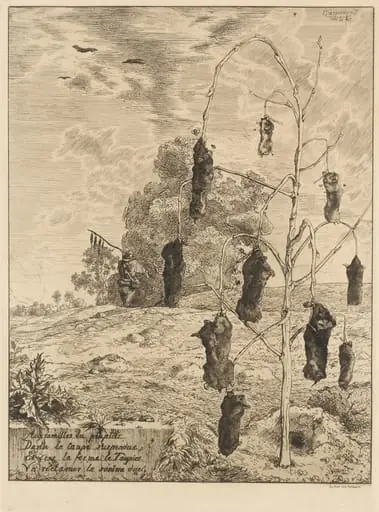
Moles is a print by the Impressionist artist Félix Bracquemond. It dates from 1854 and is held in the collection of the Cleveland Museum of Art.
About this work
Overview
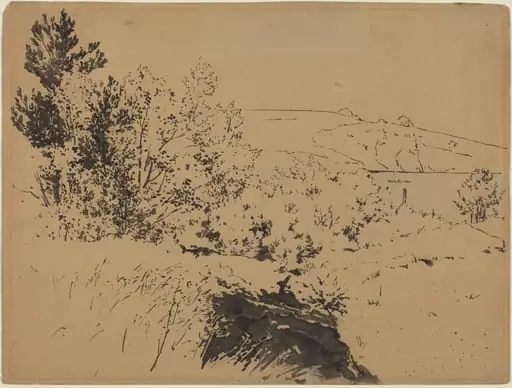
Created in 1854 by Félix Bracquemond, this print depicts a rural landscape disturbed by the subterranean activity of moles.
Created in 1854 by Félix Bracquemond, this print depicts a rural landscape disturbed by the subterranean activity of moles. Rendered in ink on paper, the work captures the irregular mounds and torn earth left behind by the animals. The composition is sparse, with minimal vegetation and a distant fence suggesting the edge of a field. The French title, *Les Taupes*, anchors the subject, directing attention to the quiet, unseen forces reshaping the land.
Subject & Meaning
The print centers on the subtle ecological impact of moles, transforming an ordinary field into a terrain of chaotic mounds. Rather than idealizing nature, Bracquemond highlights its unglamorous rhythms—burrowing, displacement, and renewal. The absence of human figures emphasizes nature’s autonomous processes. The work invites contemplation of small, overlooked creatures as agents of landscape change, aligning with a broader interest in the quiet realities of rural life.
Technique & Style
Bracquemond employed rapid, fluid linework to convey the irregular texture of disturbed soil and the sense of ongoing motion. The sketch-like quality suggests immediacy, as if the scene was observed and recorded in a single moment. Fine, overlapping strokes build depth without shading, relying on line density and direction to suggest volume and disruption. The restrained palette and absence of detail reinforce the focus on pattern and movement over ornamentation.
History & Provenance
The print was produced in 1854 during Bracquemond’s early career, before his later association with Japanese printmaking. It entered the collection of The Cleveland Museum of Art through established acquisition channels, likely as part of a broader 20th-century interest in 19th-century French graphic art. Its preservation reflects its significance as an example of observational drawing in print form, valued for its technical precision and thematic clarity.
Context
Emerging during the rise of Realism in France, the work aligns with artists who turned away from historical or mythological subjects toward everyday rural scenes. Bracquemond’s focus on a mundane, even disruptive natural phenomenon reflects a broader cultural shift toward documenting the unembellished world. This print shares affinities with contemporaneous studies of labor, land, and animal behavior, emphasizing observation over idealization.
Legacy
Though not widely exhibited, the print remains a quiet example of how 19th-century printmakers used draftsmanship to elevate ordinary subjects. It contributes to understanding Bracquemond’s development as a draftsman before his later innovations in etching and Japanese-inspired aesthetics. Its endurance in museum collections underscores its role as a thoughtful record of nature’s subtle interventions in the human landscape.
Artist & collection

Artist
Félix Henri Bracquemond (French pronunciation: ; 22 May 1833 – 29 October 1914) was a French painter, etcher, and printmaker.

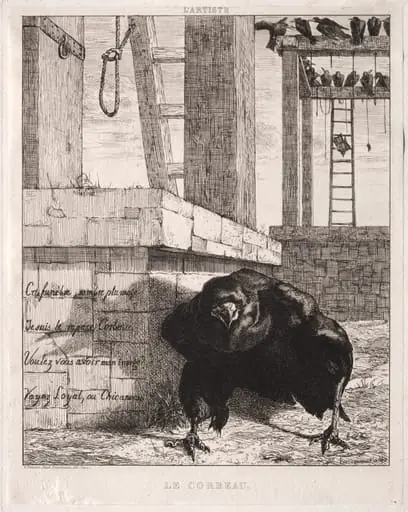 The Raven
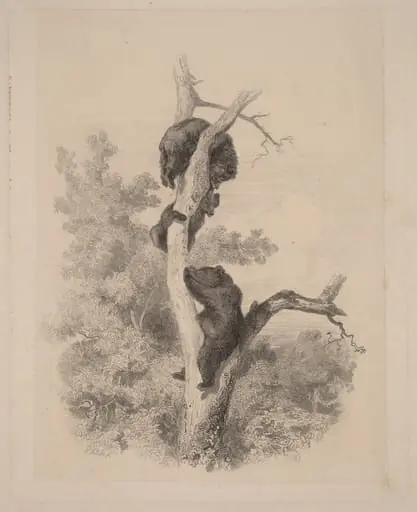 Les ours
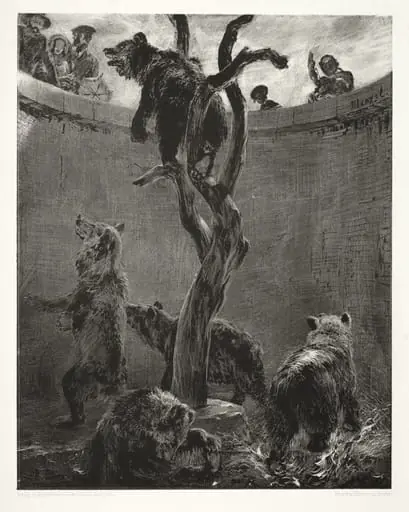 Essay on Stone with Brush and Scraper: The Bear Pit
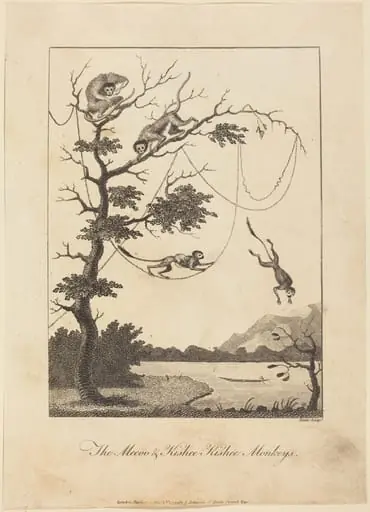 The Mecoo & Kisbee Kishee Monkeys
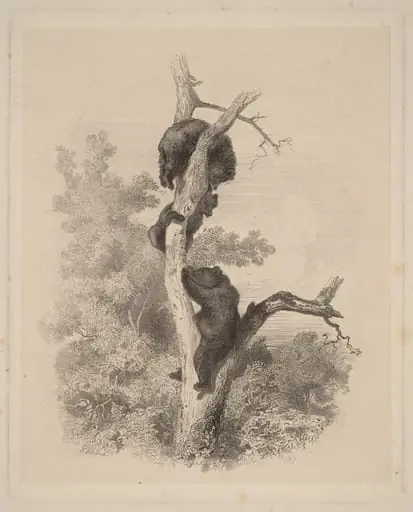 Les Ours (The Bears)
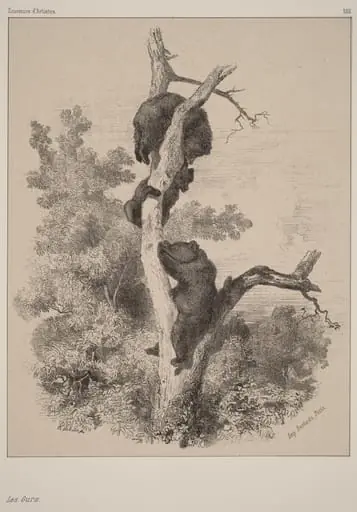 Les ours
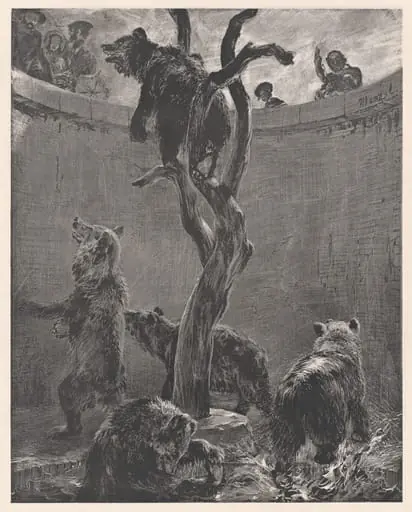 Der Bärenzwinger im zoologischen Garten (The Bear Pit in the Zoological Gardens)
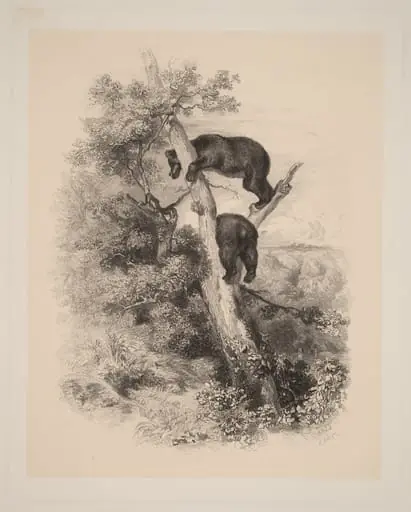 Deux Ours
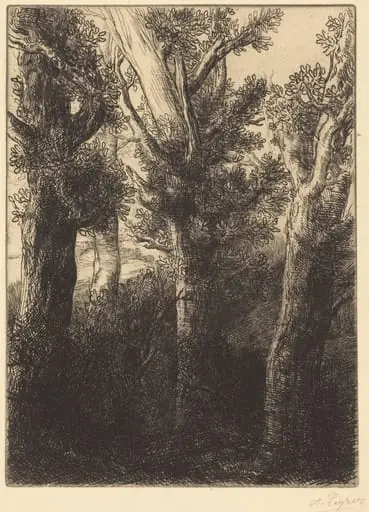 German Forest, Downley
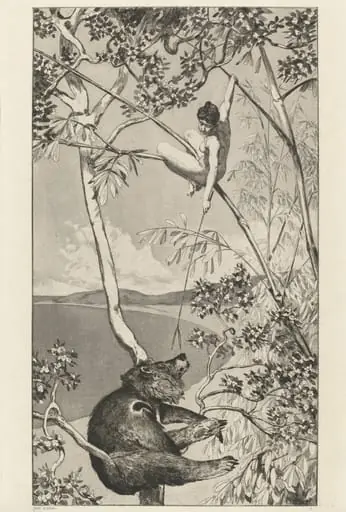 Bear and Elf (Bär und Elfe): pl.1
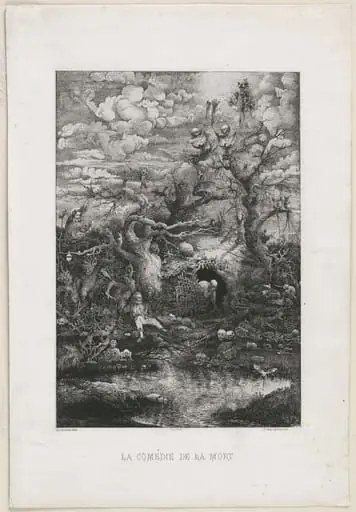 Untitled
 The Moles (Les Taupes)