Artwork
Willows of the Mottiaux Islands
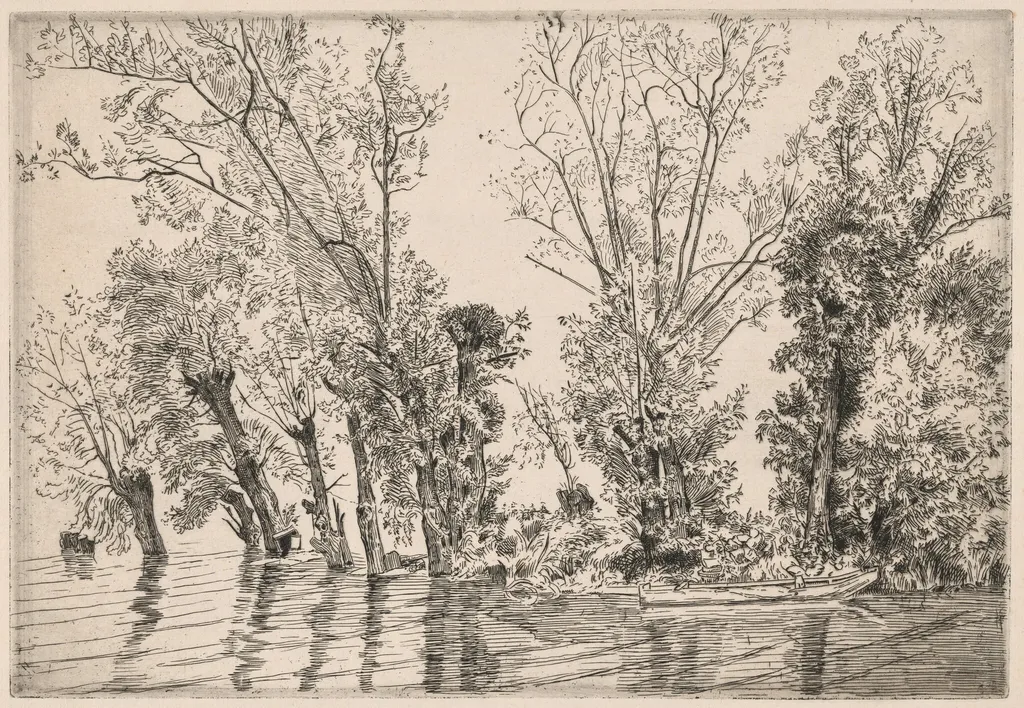
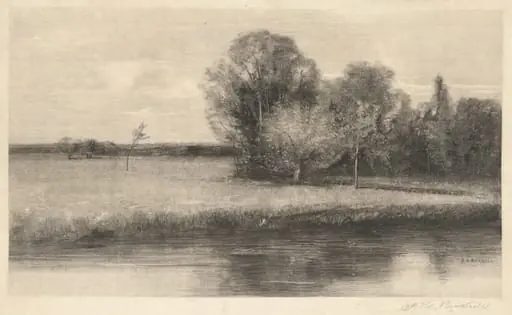
Willows of the Mottiaux Islands is an ink print by the Impressionist artist Félix Bracquemond. It dates from 1868 and is held in the collection of the National Gallery of Art.
About this work
Overview
Willows of the Mottiaux Islands is an 1868 etching on laid paper by Félix Henri Bracquemond, a French artist pivotal in the revival of printmaking during the late 19th century.
Subject & Meaning
The print depicts a serene, natural scene featuring tall, bare willow trees in shallow water, with twisted branches, expansive roots, and long shadows, evoking a sense of tranquility.
Technique & Style
Bracquemond employed etching techniques, carving fine details into a metal plate with a sharp tool, resulting in a soft, sketch-like appearance. The process involved acid-etched metal plates, distinguishing it from direct painting.
History & Provenance
Created in 1868, this work exemplifies Bracquemond's innovative approach to printmaking, influencing contemporaries like Manet and Degas to adopt the medium.
Context
Part of the broader revival of printmaking in 19th-century France, the piece reflects Bracquemond's efforts to elevate the status of etching as a respected artistic medium.
Legacy
Through works like *Willows of the Mottiaux Islands*, Bracquemond left a lasting impact on the development of printmaking, encouraging its use among prominent artists of his time.
Artist & collection

Artist
Félix Henri Bracquemond (French pronunciation: ; 22 May 1833 – 29 October 1914) was a French painter, etcher, and printmaker.

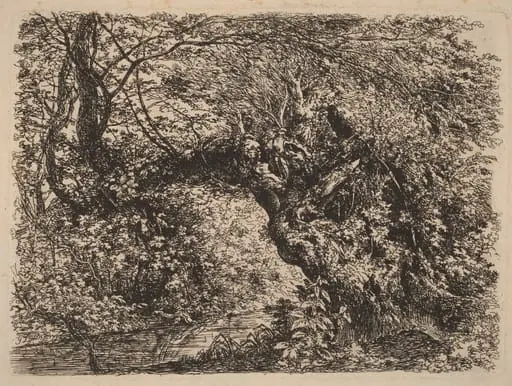 An Old Willow by a Stream
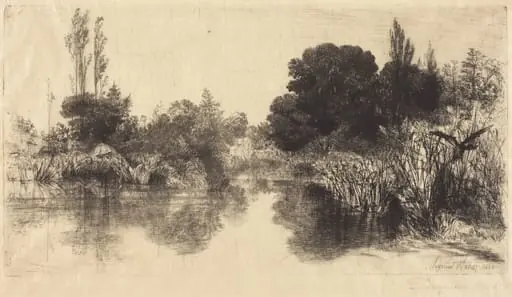 Shere Mill Pond (The Larger Plate)
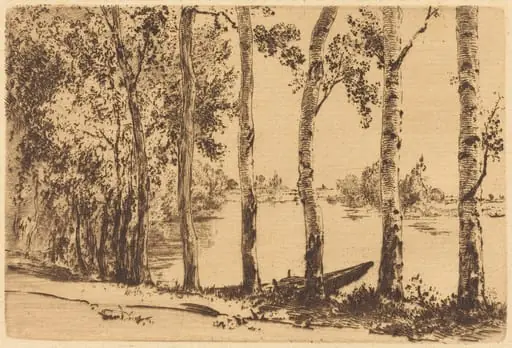 Trembles au bord de la Seine (Aspens on the Banks of the Seine)
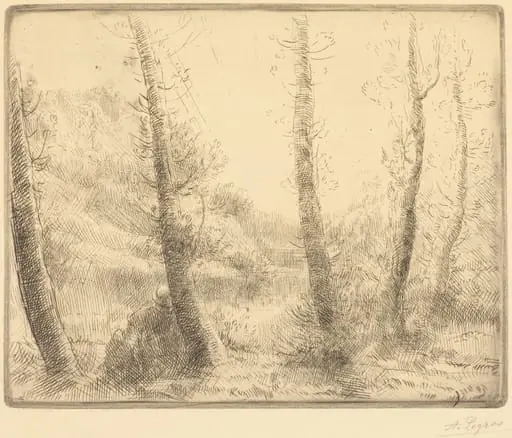 Small Lake (Le petit lac)
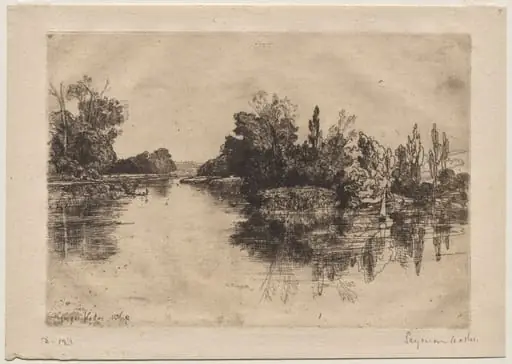 The Island, opposite Boyle's Farm
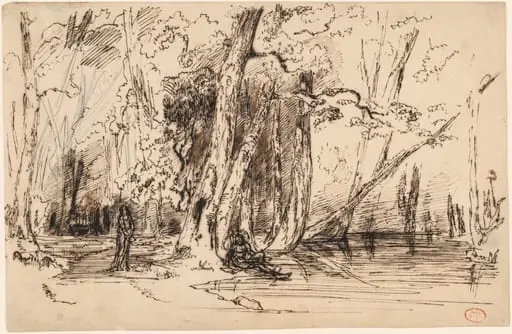 Flooding in the Forest of the Ile Séguin
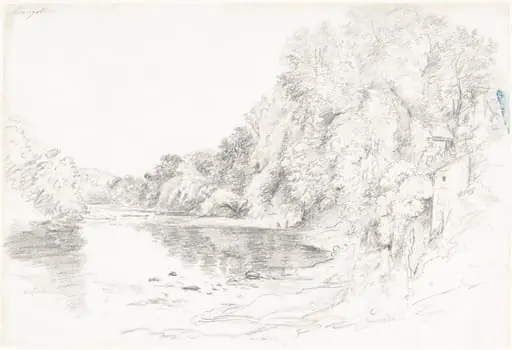 The River at Llangollen
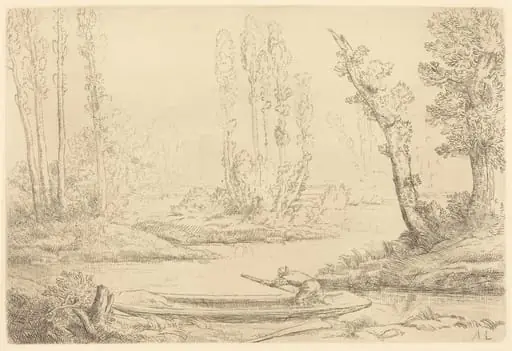 Banks of the Somme near Amiens (Bord de la Somme pres d'Amiens)
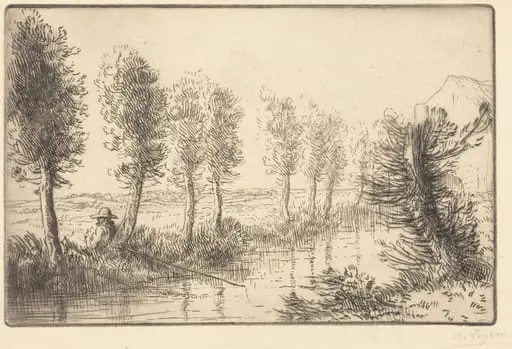 Near the Mill (Pres du moulin)
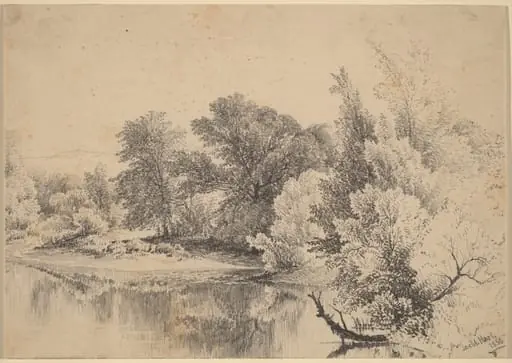 Pond Edge
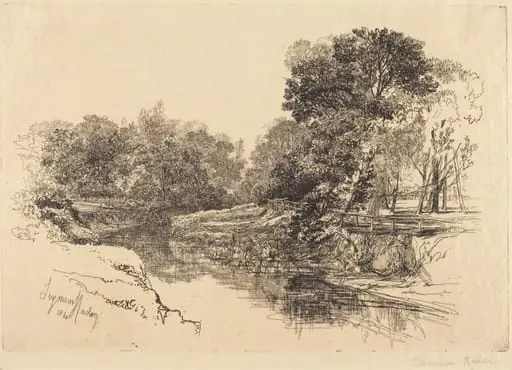 A River in Ireland
 A Sun-dappled Meadow by a River