Artwork
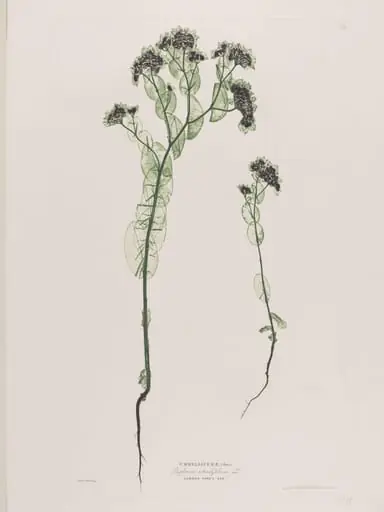
Great Nettle
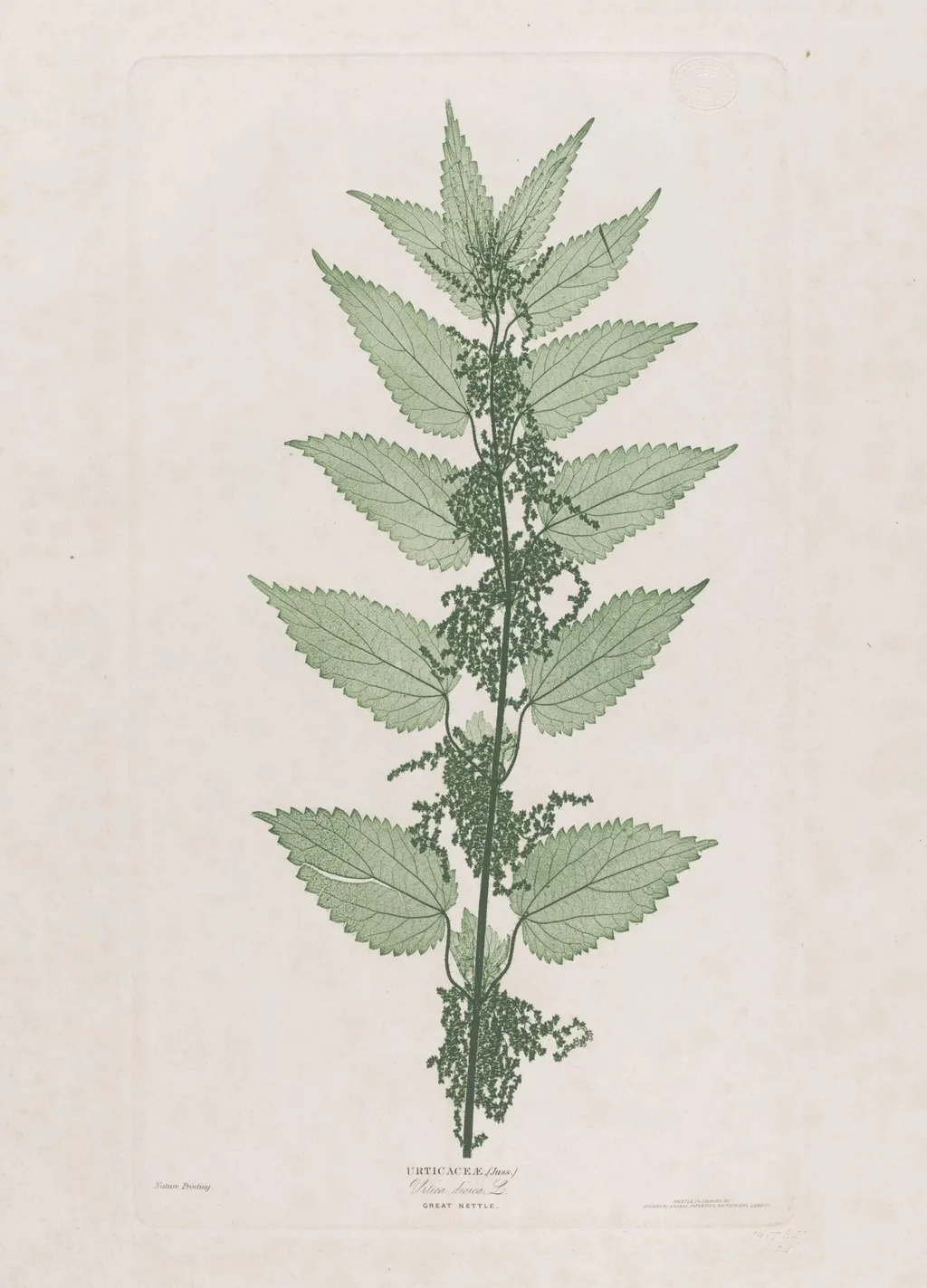
Great Nettle is a print by the Impressionist artist Bradbury & Evans. It dates from 1854 and is held in the collection of the Victoria and Albert Museum.
About this work
This print, *Great Nettle*, was made in 1854 by Bradbury & Evans. It’s a nature print—no paint, just the plant itself pressed into metal.
The trick is simple but clever: a real nettle was sandwiched between soft lead and hard copper. The leaf’s shape and veins transferred exactly onto the plate, giving us this wild, life-like image.
Try the Victoria and Albert Museum next.
Overview
Great Nettle is a print created in 1854 by Bradbury & Evans using the nature printing technique. This method utilizes a real specimen to generate the printing surface, resulting in a highly detailed reproduction.
Subject & Meaning
The subject of the print is a common nettle leaf, rendered in exquisite detail. The choice of subject highlights the technique's ability to capture natural forms with precision, rather than conveying a specific symbolic or narrative meaning.
Technique & Style
The print was made by sandwiching a real nettle leaf between soft lead and hard copper, transferring the leaf's shape and vein structure onto the lead to create the printing plate. The outcome is a lifelike, highly textured image devoid of artistic embellishment.
History & Provenance
Produced in 1854 by Bradbury & Evans, this print exemplifies the nature printing process patented in Britain by William Bradbury in the mid-19th century, with roots in earlier Italian developments.
Artist & collection
Artist
Bradbury & Evans ran a London print shop that doubled as an early version of clickbait.

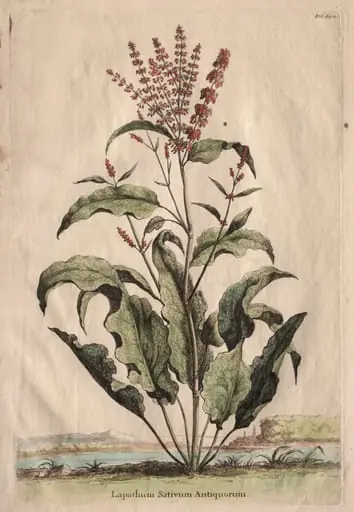 Phytographia Curiosa: Lapathum Sativum Antiquorum
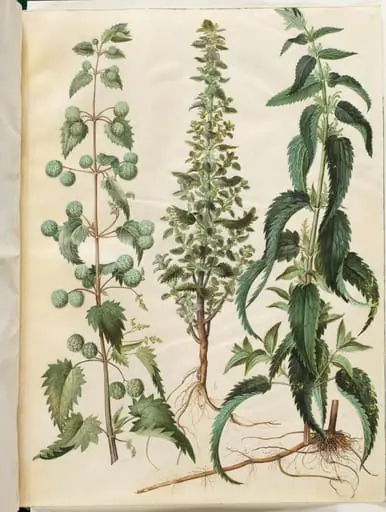 Kksgb2950/65 Urtica pilulifera (romersk nælde); Urtica urens (liden nælde); Urtica dioica (stor nælde)
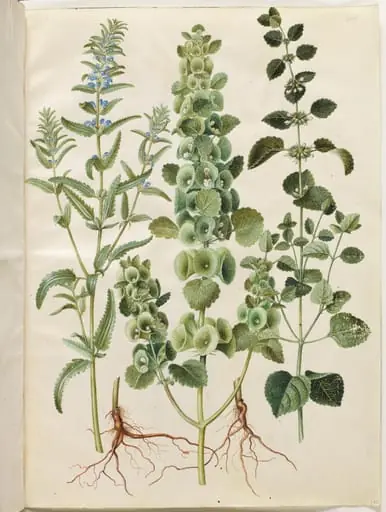 Dracocephalum moldavica (moldavisk dragehoved); Moluccella spinosa (tornet tragtbæger); Melissa officinalis (citron-melisse)
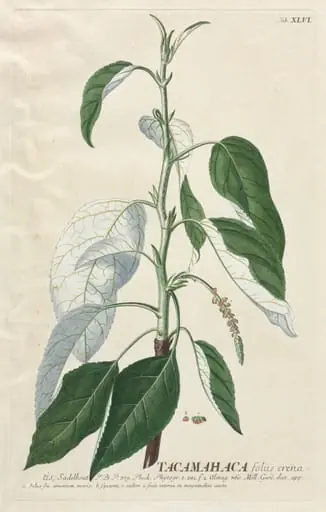 Plantae Selectae: No. 46 - Tacamahaca
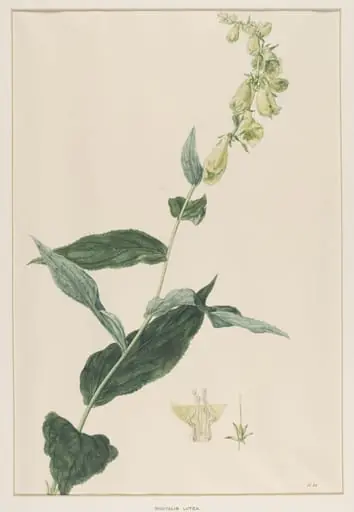 Digitalis Lutea
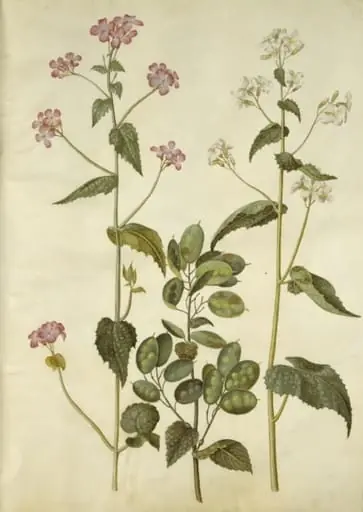 Lunaria annua (judaspenge)
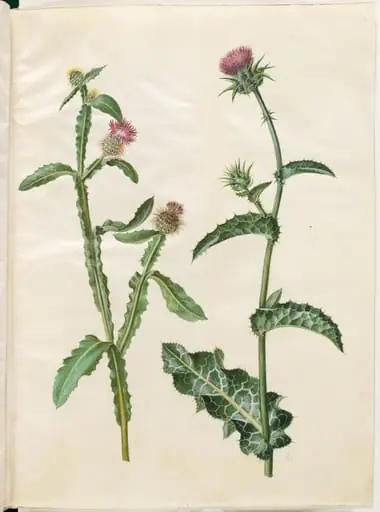 Centaurea seridis; Silybum marianum (almindelig marietidsel)
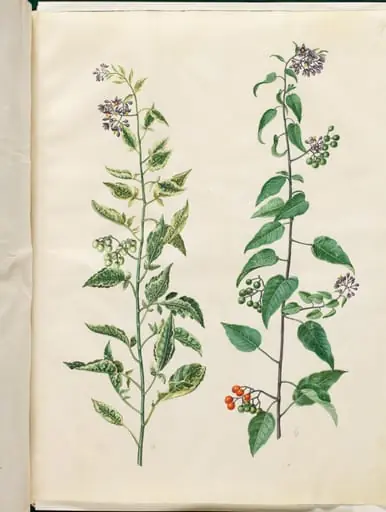 Solanum dulcamara (bittersød natskygge)
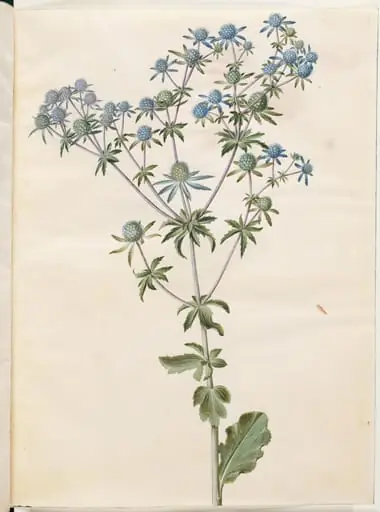 Eryngium planum (have-mandstro)
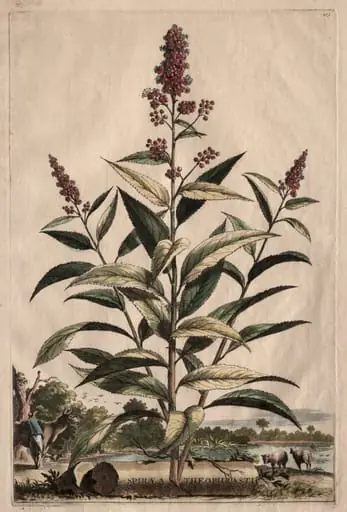 Phytographia Curiosa: Spiraea Theophrasti
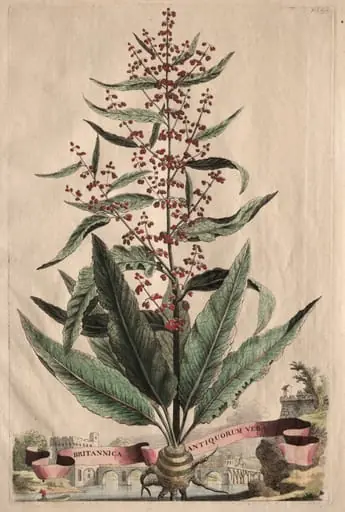 Phytographia Curiosa: Britannica Antiquorum Vera
 Umbelliferae (Buphorum rotundifolium, Lo.)