Artwork
Longitudinal View of Saint Peter's, Rome
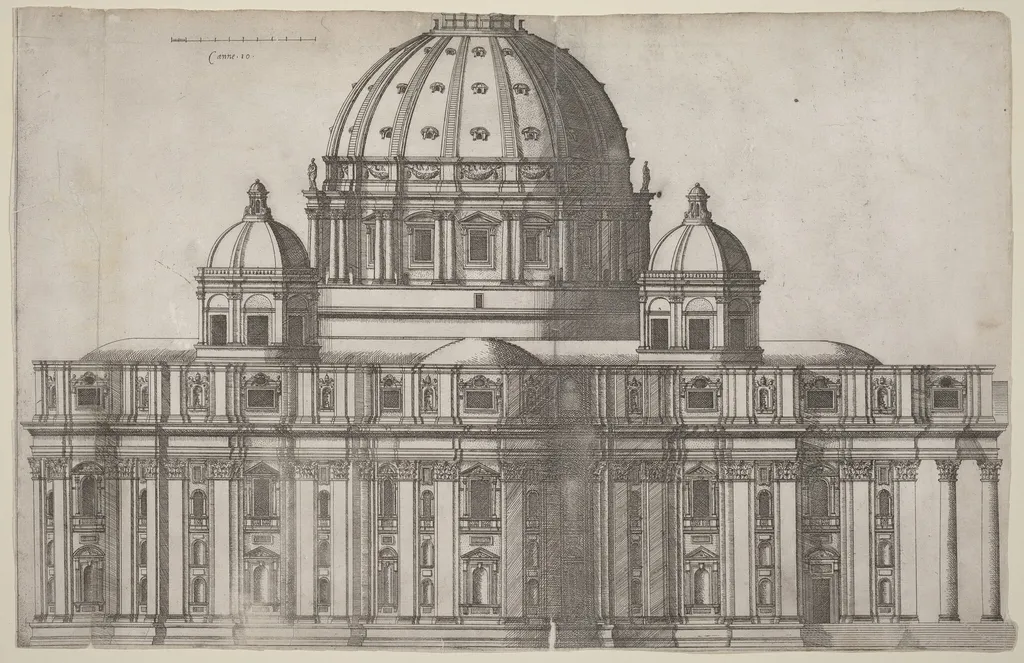
Longitudinal View of Saint Peter's, Rome is an ink print by the Renaissance artist Ambrogio Brambilla. It dates from 1582 and is held in the collection of the National Gallery of Art.
About this work
Overview
The composition emphasizes the building’s axial depth, guiding the viewer’s eye from the entrance forward toward the central dome.
Ambrogio Brambilla’s 1582 etching presents a longitudinal perspective of St. Peter’s Basilica in Rome. Executed on laid paper, the print captures the monumental façade and the sequence of domes that define the basilica’s silhouette, rendering the structure in stark black‑and‑white contrast. The composition emphasizes the building’s axial depth, guiding the viewer’s eye from the entrance forward toward the central dome.
Subject & Meaning
The work records the architectural grandeur of St. Peter’s, focusing on its twin domes and the rhythmic series of columns and arched windows that frame the entrance. By isolating the basilica from surrounding urban elements, Brambilla highlights the church’s role as a focal point of religious and civic identity in late‑sixteenth‑century Rome.
Technique & Style
Created with a traditional copper‑plate etching, the image relies on fine, controlled lines to delineate intricate details such as stone carvings, window tracery, and the curvature of the domes. The use of laid paper provides a textured surface that enhances the tonal range, a common approach among Renaissance printmakers seeking precise architectural documentation.
History & Provenance
The print was produced during a period of intense interest in documenting Rome’s monumental architecture, coinciding with the Counter‑Reformation’s emphasis on visual grandeur. While the original plate’s whereabouts are unknown, surviving impressions have appeared in several European collections, reflecting the work’s circulation among scholars and collectors of architectural prints.
Context
Brambilla’s etching belongs to a broader tradition of 16th‑century cityscape prints that served both as records of urban development and as instructional material for architects. The depiction of St. Peter’s aligns with contemporary efforts to disseminate the basilica’s design, which was still undergoing construction under Michelangelo’s influence.
Legacy
The print remains a valuable visual source for historians studying the evolution of St. Peter’s façade and its surrounding context. Its precise line work continues to inform modern reconstructions of the basilica’s appearance in the late Renaissance, illustrating the enduring relevance of early print media in architectural scholarship.
Artist & collection


![Orthographia Partis Exterioris Templi Divi Petri [Exterior View of Saint Peter's Basilica], by Étienne Dupérac](https://artifactworldgallery.com/img/etienne-duperac--orthographia-partis-exterioris-templi-divi-petri-exterior-vi--97a194b60abe7fac-w320.webp) Orthographia Partis Exterioris Templi Divi Petri [Exterior View of Saint Peter's Basilica]
Orthographia Partis Exterioris Templi Divi Petri [Exterior View of Saint Peter's Basilica]![Orthographia Partis Interioris Templi Divi Petri [Interior View of Saint Peter's Basilica], by Étienne Dupérac](https://artifactworldgallery.com/img/etienne-duperac--orthographia-partis-interioris-templi-divi-petri-interior-vi--59b448ec2f3049cc-w320.webp) Orthographia Partis Interioris Templi Divi Petri [Interior View of Saint Peter's Basilica]
Orthographia Partis Interioris Templi Divi Petri [Interior View of Saint Peter's Basilica]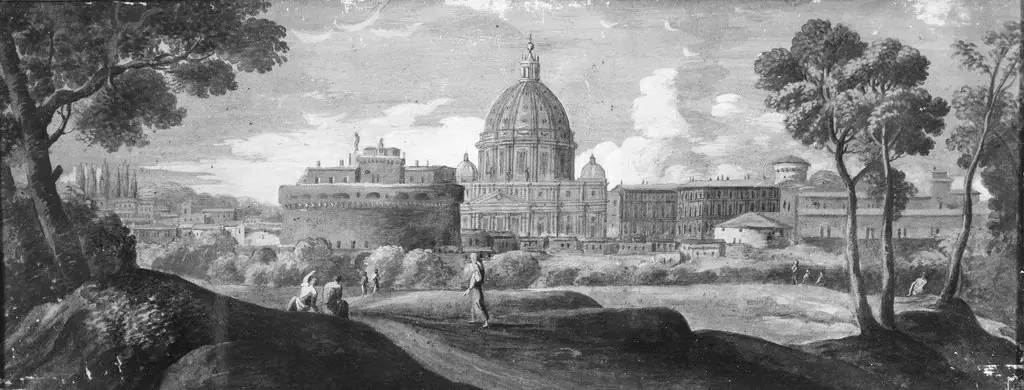 The Church of St Peter's in Rome
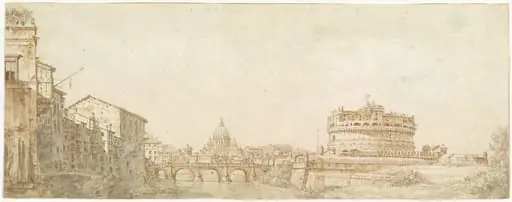 View of Rome with the Dome of Saint Peter's and the Castel Sant' Angelo
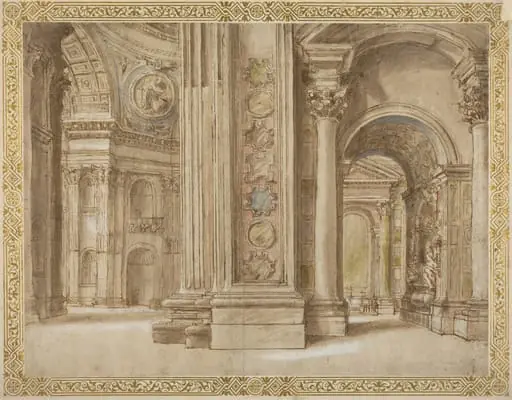 The Interior of Saint Peter's, Rome
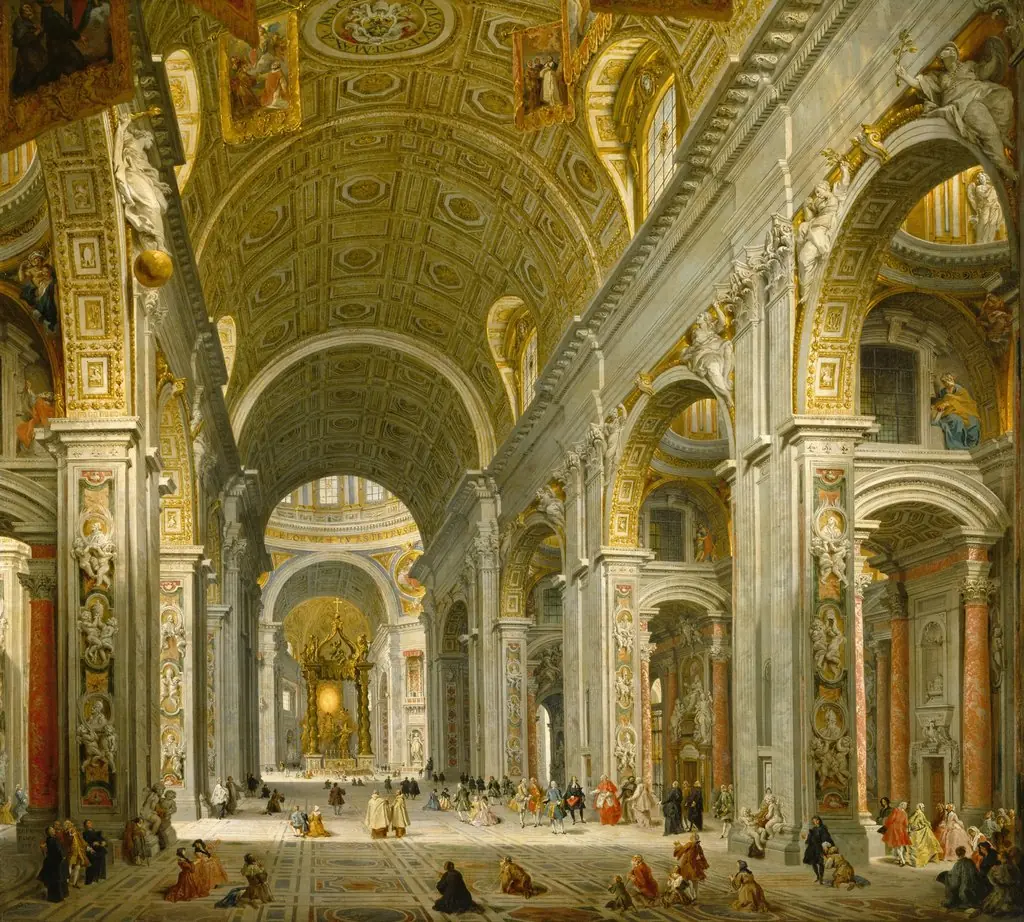 Interior of St. Peter's, Rome
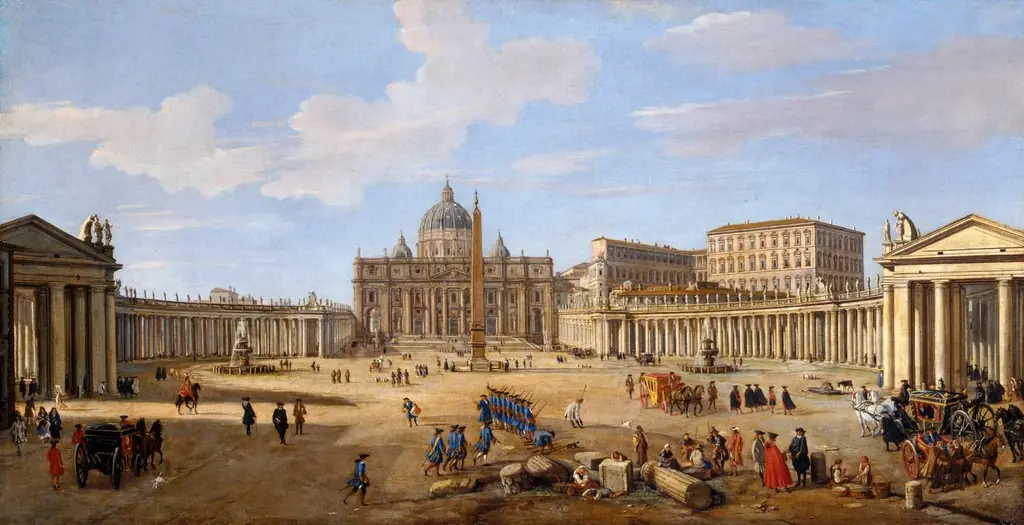 View of St. Peter's Square, Rome
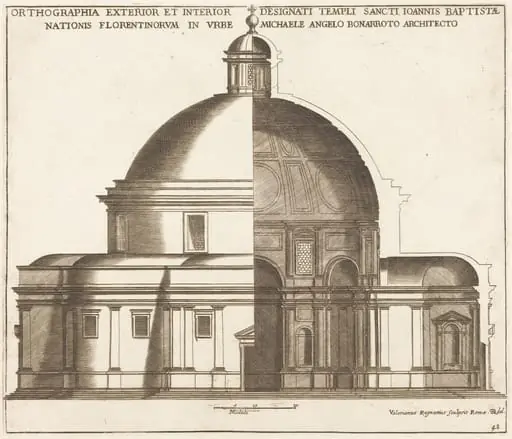
![Forma Partis Templi Divi Petri [Exterior Section of Saint Peter's Basilica], by Italian 16th Century](https://artifactworldgallery.com/img/italian-16th-century--forma-partis-templi-divi-petri-exterior-section-of-saint-pet--37837cc262581d9e-w320.webp)