Artwork
Maria de Ron, o.s. von Breda
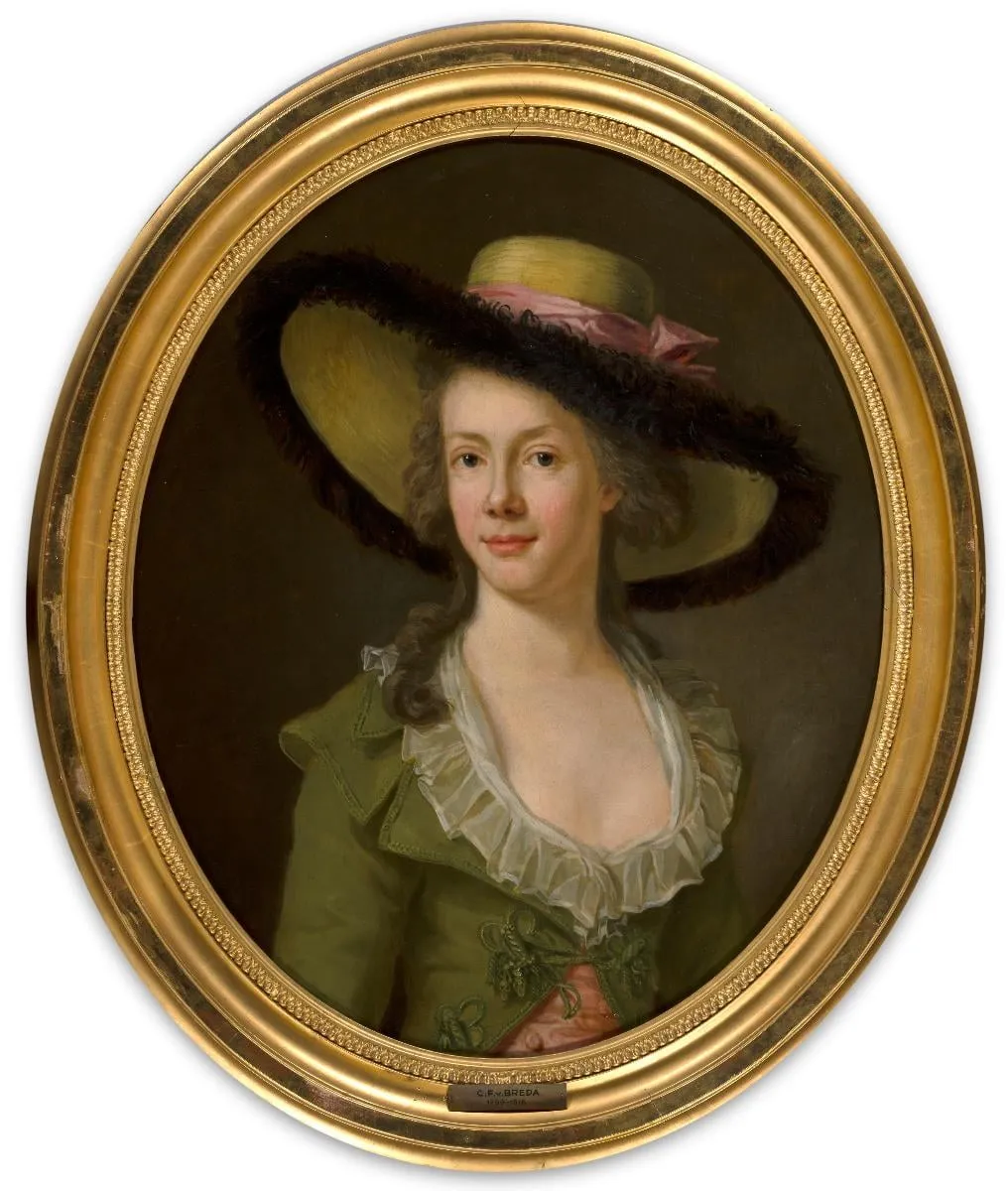
Maria de Ron, o.s. von Breda is an unspecified painting by Carl Fredrik von Breda. It is held in the collection of the Finnish National Gallery.
About this work
Overview
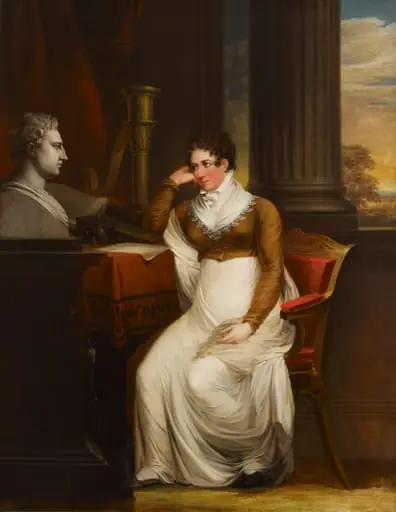
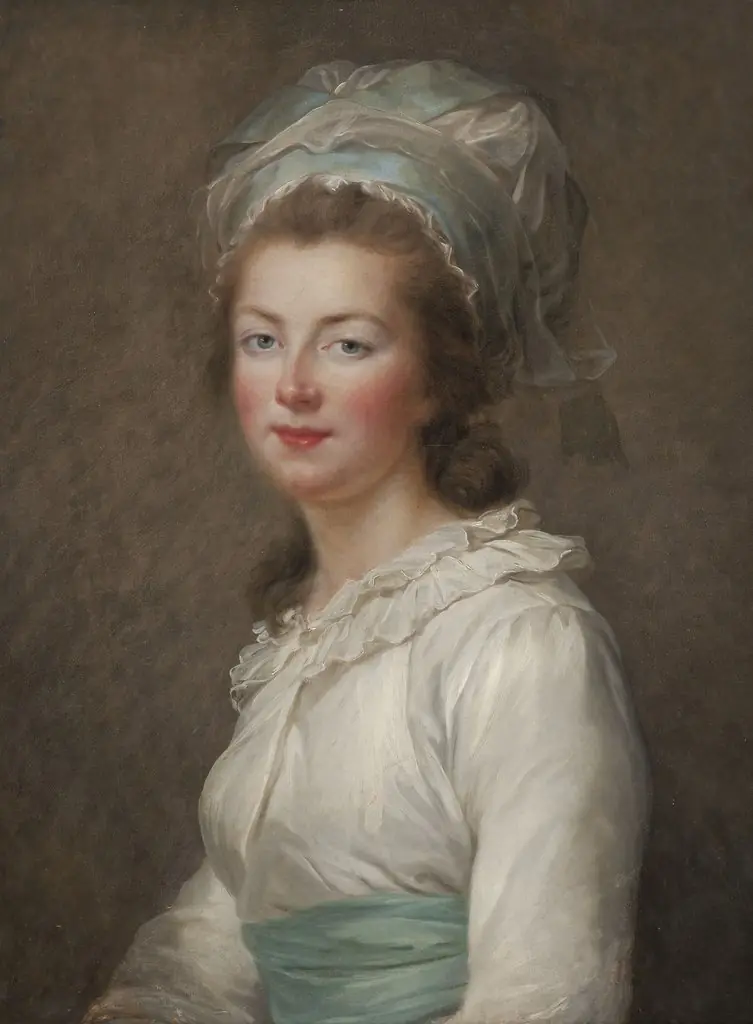
Painted around 1801 by Carl Fredrik von Breda, this portrait depicts Maria de Ron, also known as von Breda, likely his wife. The composition centers on a seated woman against a deep, neutral backdrop, emphasizing her presence through subtle lighting and restrained detail. The work reflects the quiet elegance of late 18th-century portraiture, avoiding theatricality in favor of intimate realism.
Subject & Meaning
Maria de Ron is portrayed with composed dignity, her gaze steady and unadorned by overt symbolism. The straw hat, pink ribbon, and delicate fan suggest leisure and refinement, while the modest yet tailored attire conveys social standing without ostentation. Her calm expression and poised posture convey self-assurance, aligning with ideals of feminine grace in post-Enlightenment Europe.
Technique & Style
Von Breda employs soft tonal transitions and muted hues to model the figure, using gentle chiaroscuro to define form without harsh contrasts.
Von Breda employs soft tonal transitions and muted hues to model the figure, using gentle chiaroscuro to define form without harsh contrasts. The fabric of the green dress and white undershirt is rendered with delicate brushwork, capturing texture through layered glazes. The dark background isolates the subject, focusing attention on her facial expression and the quiet interplay of light on fabric and hat.
History & Provenance
The painting was created during von Breda’s later years in Sweden, following his time in London as a portraitist to the British elite. It likely remained within the family until the 19th century, though its documented provenance after that period is limited. The original gold frame, carved with classical motifs, is contemporary to the painting and contributes to its period authenticity.
Context
This portrait emerged during a period when Scandinavian artists were increasingly influenced by British and French academic traditions. Von Breda’s approach reflects the shift from grand historical portraiture to more personal, psychologically grounded depictions. The emphasis on naturalism and understated elegance aligns with broader European trends favoring individual character over aristocratic display.
Legacy
Though not widely exhibited, the painting remains a representative example of early 19th-century Swedish portraiture. It illustrates von Breda’s skill in capturing quiet individuality and his ability to merge Nordic sensibility with continental techniques. Its preservation offers insight into the domestic lives and aesthetic values of educated elites in post-revolutionary Europe.
Artist & collection


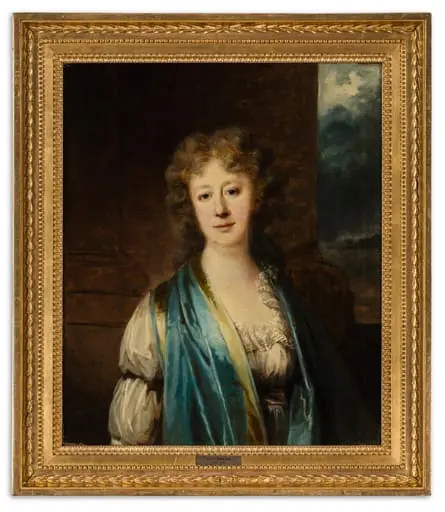
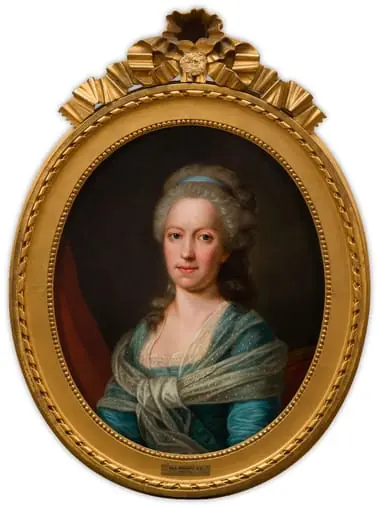 Dorotea Westén
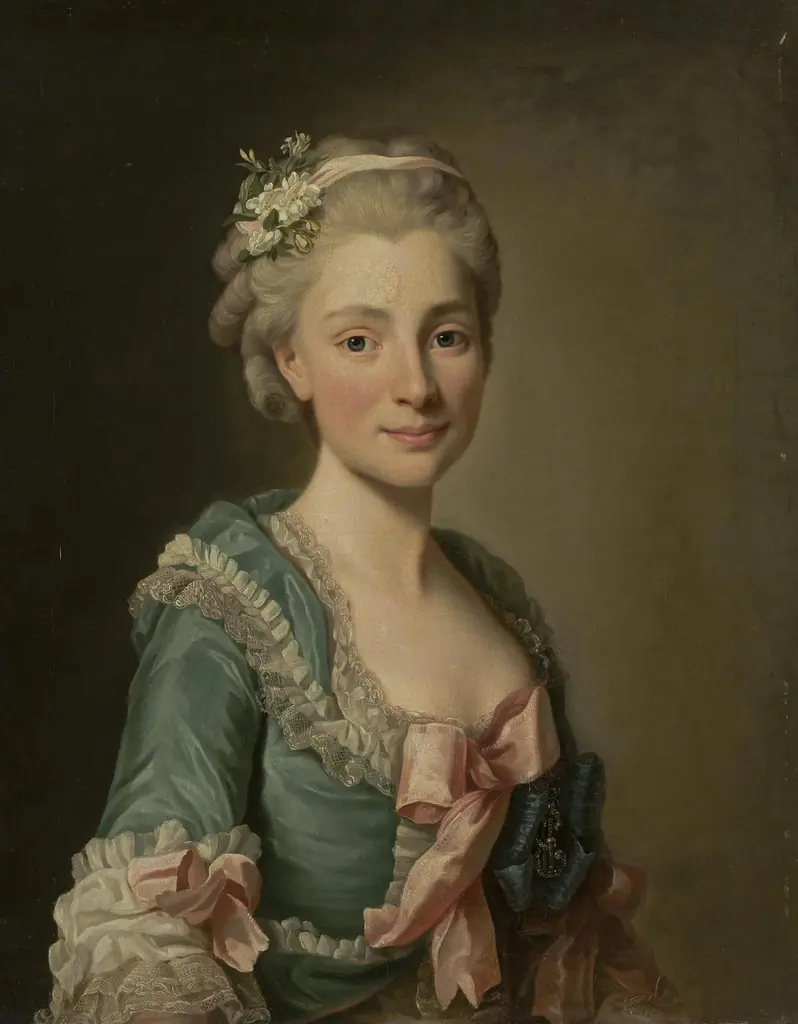 Portrait of Countess Yekaterina P. Stroganova (1744-1815) (copy)
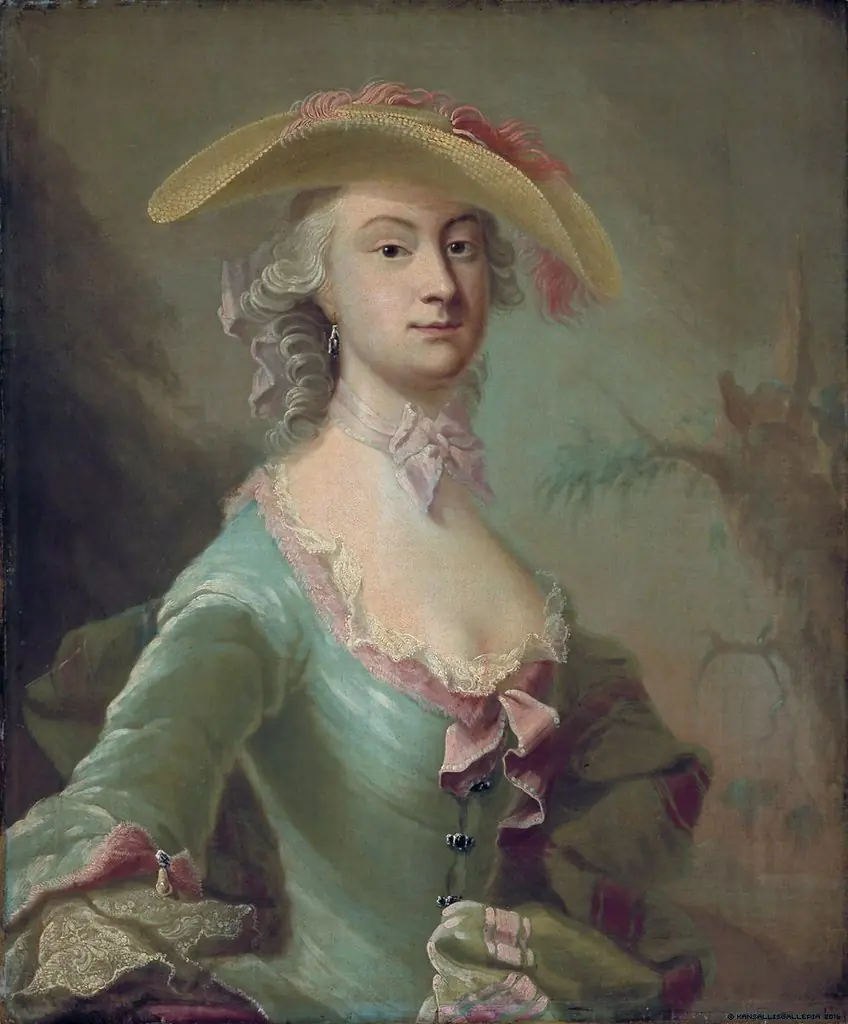 Mrs. Heckford
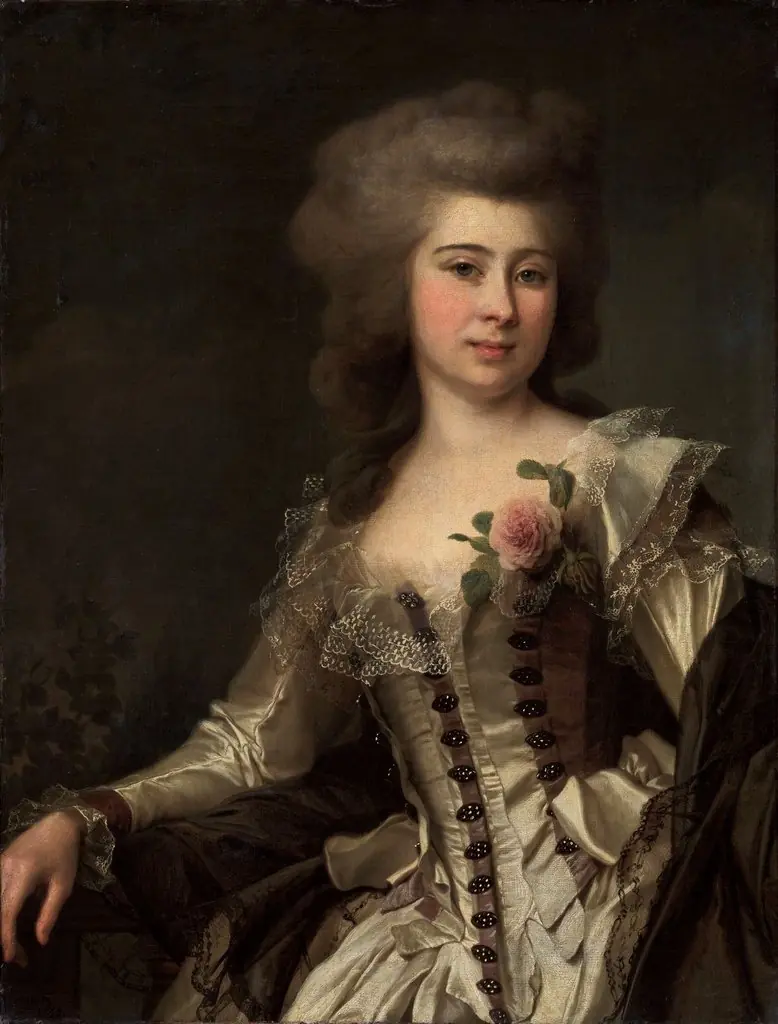 Portrait of an Unknown Woman with a Rose
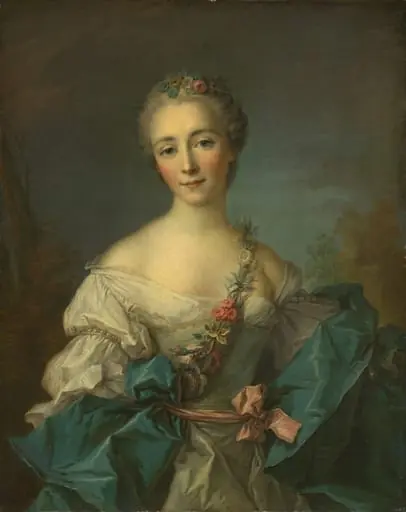 Portrait of a Young Woman
 Self Portrait
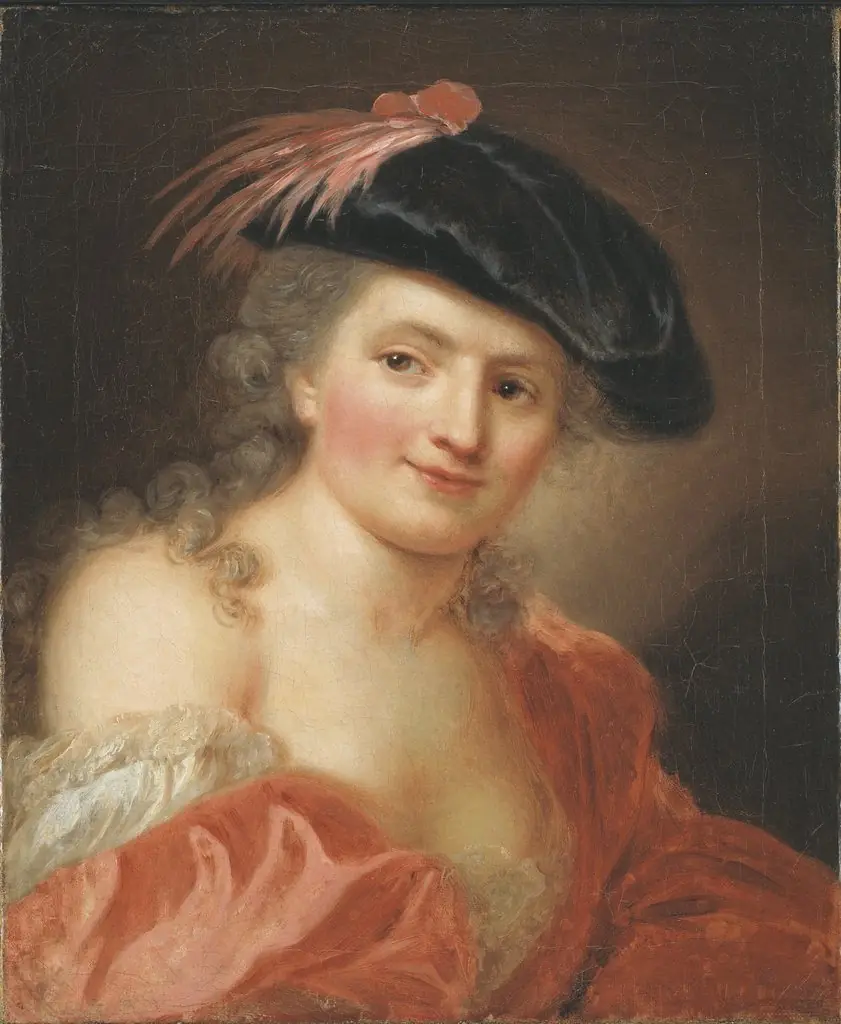 Self Portrait
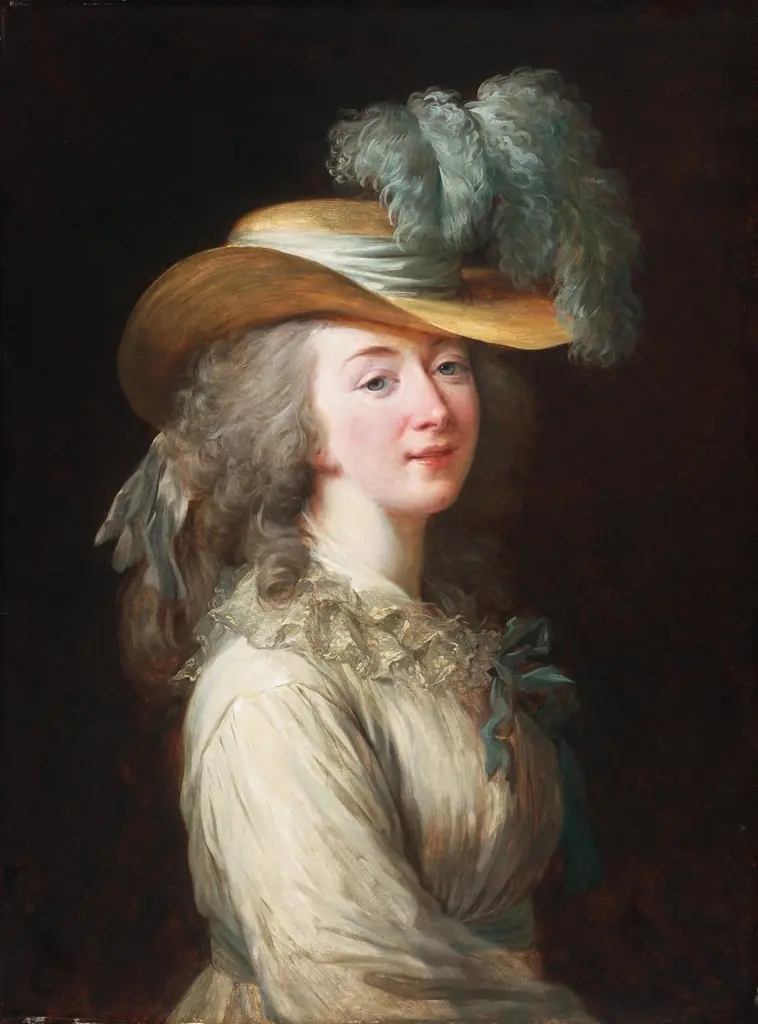 Portrait of Madame Du Barry
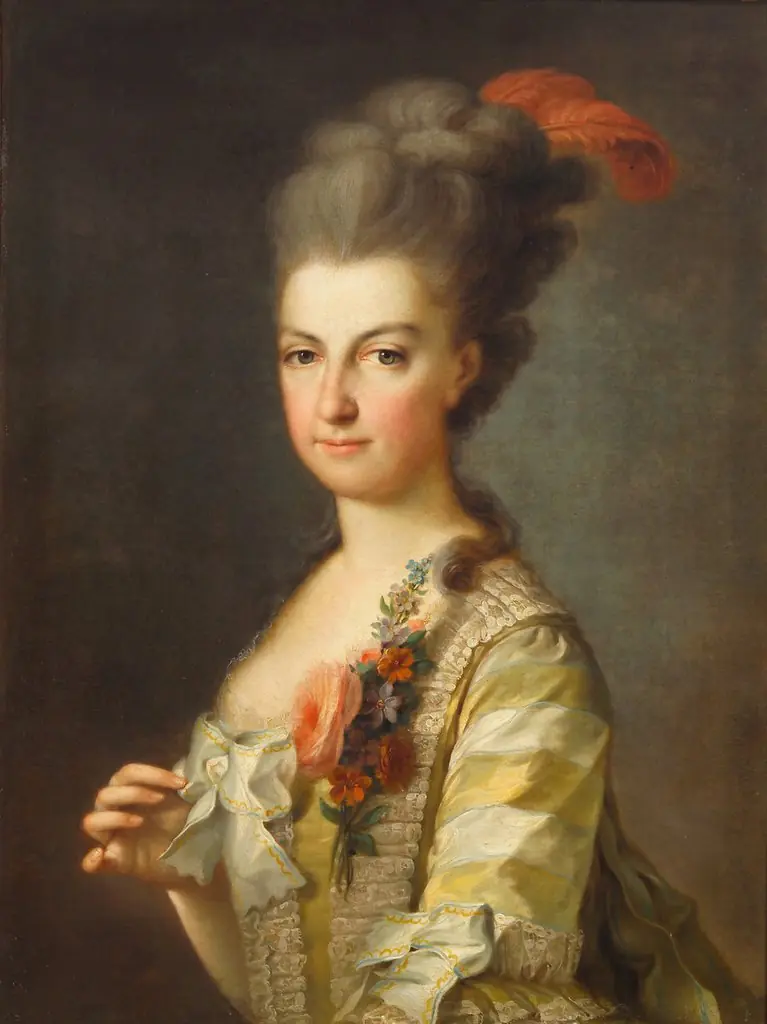 Erzherzogin Maria Christine (1742-1798), Herzogin von Sachsen - Teschen, in gestreiftem Seidenkleid, Halbfigur
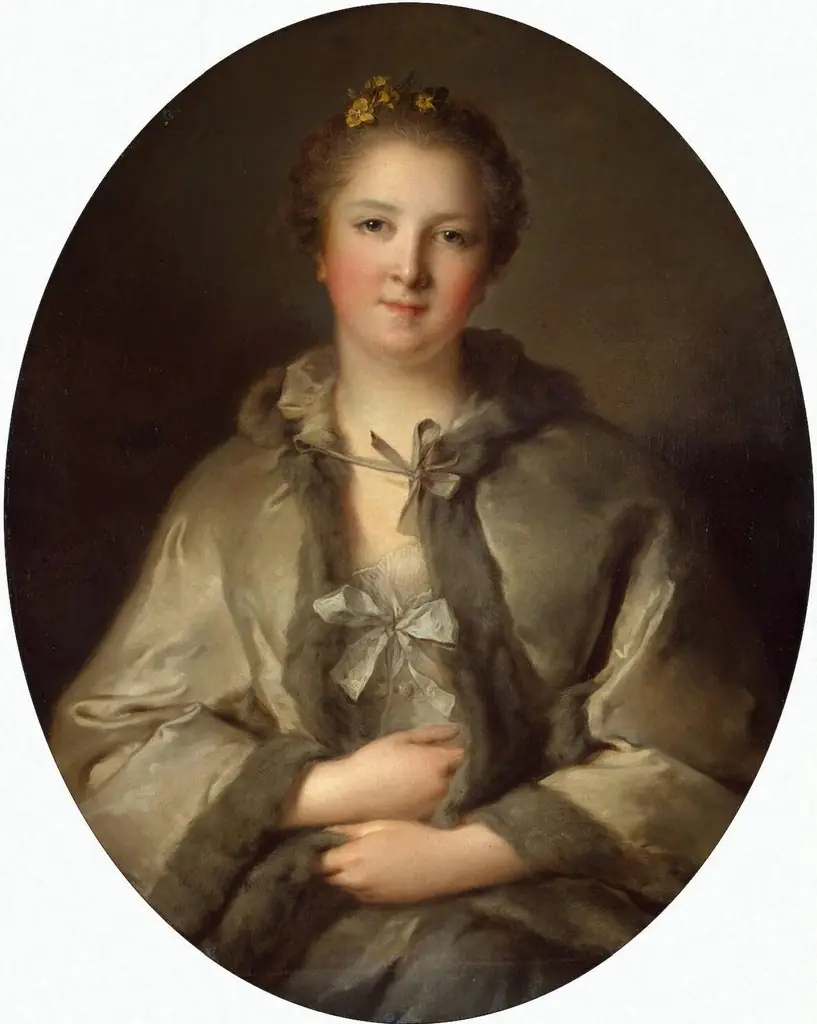 Portrait of a Woman in Grey
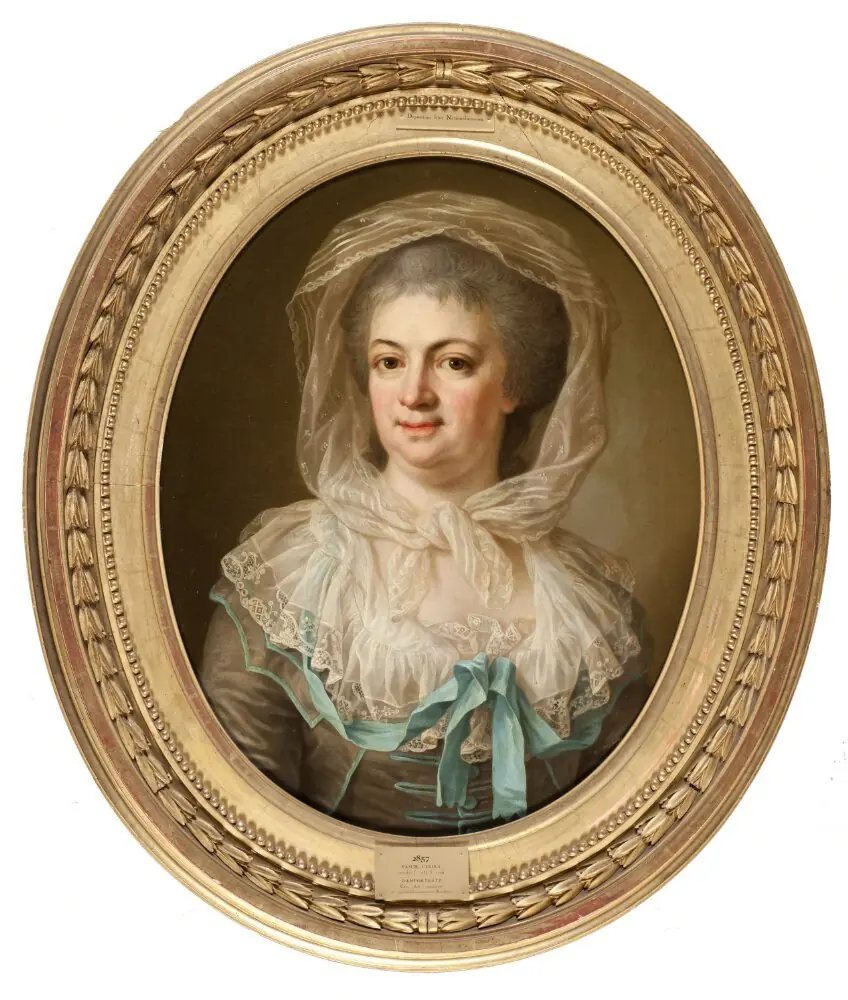 Portrait of a Lady
 Elisabeth-Philippe-Marie-Hélène of France, known as Madame Elisabeth