Artwork
Jean Martin de Ron
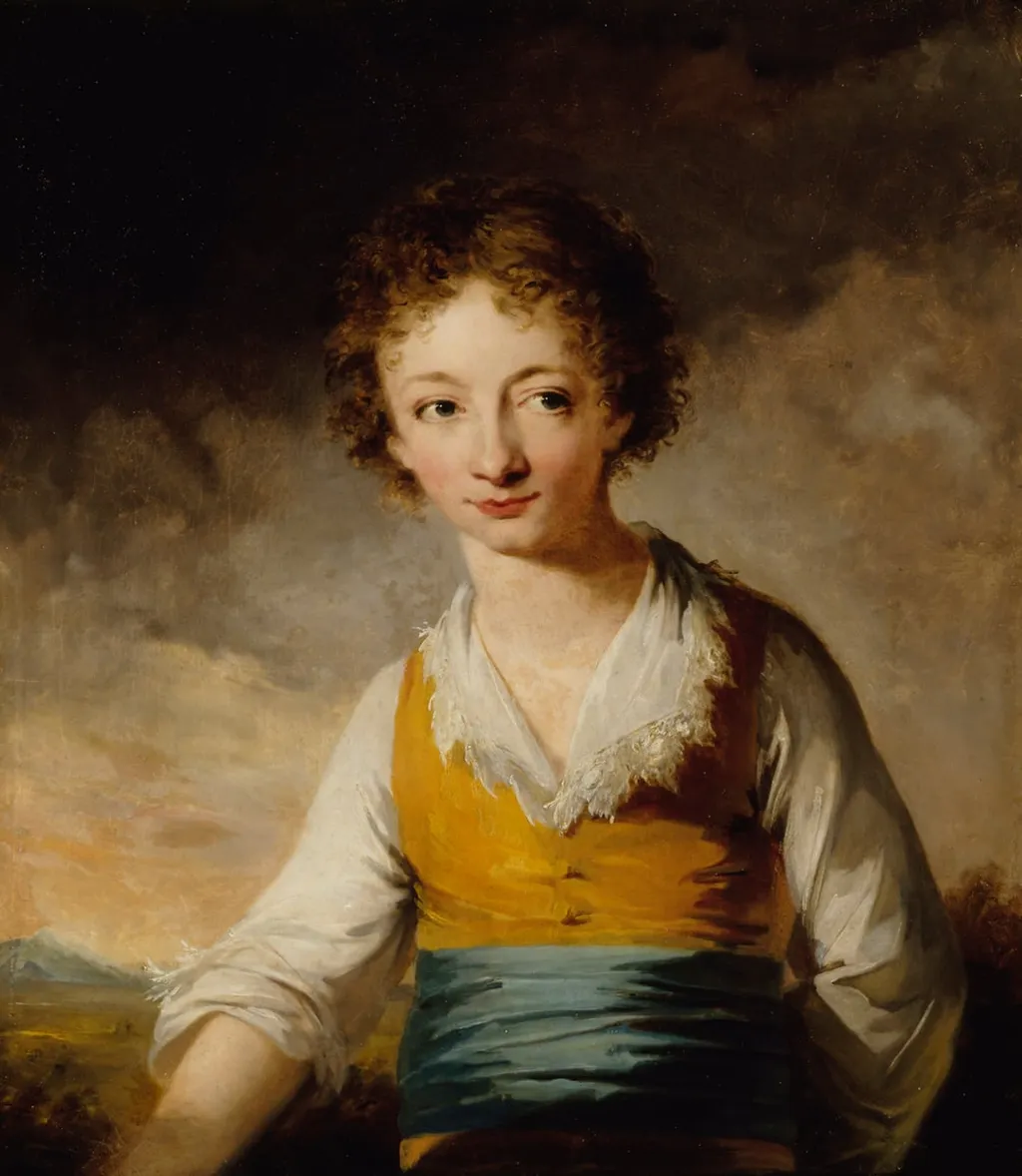
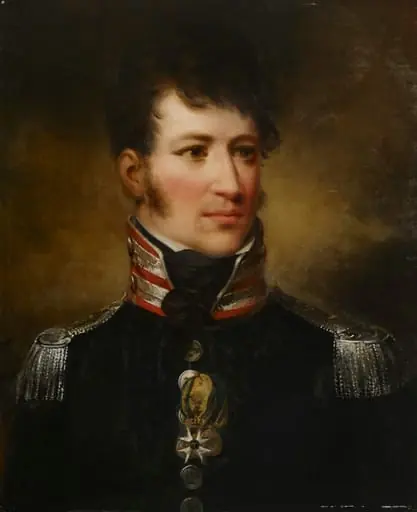
Jean Martin de Ron is an unspecified painting by Carl Fredrik von Breda. It is held in the collection of the Finnish National Gallery.
About this work
Overview
Created around 1801, this oil portrait by Swedish artist Carl Fredrik von Breda depicts Jean Martin de Ron. The sitter is positioned before an indistinct outdoor backdrop, rendered with softened edges that keep the focus on the figure. The composition balances a modest interior setting with a hint of landscape, typical of early‑nineteenth‑century portraiture.
Subject & Meaning
Jean Martin de Ron is presented in a calm, forward‑gazing pose, his expression marked by a gentle smile. He wears a white‑collared shirt beneath a yellow vest and a dark green skirt, suggesting a respectable middle‑class status. The relaxed placement of his hands on a dark object—perhaps a box or chair—conveys composure and confidence without overt display.
Technique & Style
Von Breda employs chiaroscuro, using a soft, luminous light that caresses the sitter’s face while the surrounding space recedes into shadow.
Von Breda employs chiaroscuro, using a soft, luminous light that caresses the sitter’s face while the surrounding space recedes into shadow. This contrast creates a three‑dimensional effect, emphasizing the texture of skin and fabric. The brushwork is delicate in the facial features yet broader in the background, a hallmark of the artist’s balanced approach between realism and atmospheric suggestion.
History & Provenance
The portrait dates to the early 1800s, a period when von Breda was active in Sweden and Denmark, receiving commissions from the emerging bourgeoisie. Documentation links the work to the de Ron family, though its later ownership trail is sparse. It has likely passed through private collections before entering a public institution where it is now displayed.
Context
At the turn of the nineteenth century, portraiture served both as personal commemoration and as a visual assertion of social standing. Von Breda, trained in the Rococo tradition but adapting to neoclassical restraint, reflects this shift in his treatment of light, attire, and setting. The work thus exemplifies the transitional aesthetic of post‑Napoleonic Northern Europe.
Artist & collection


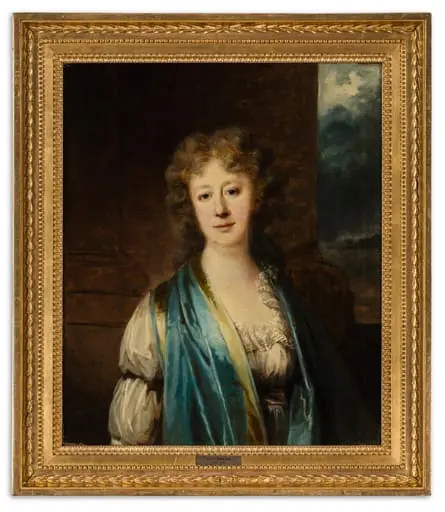
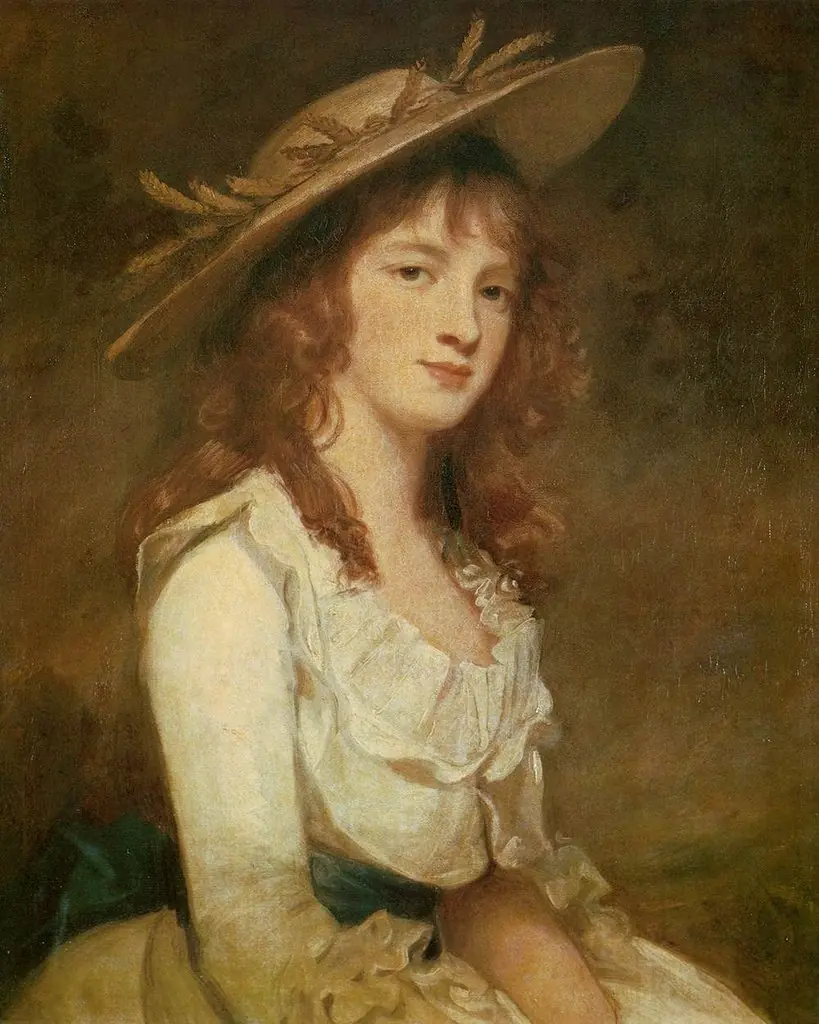 Miss Constable
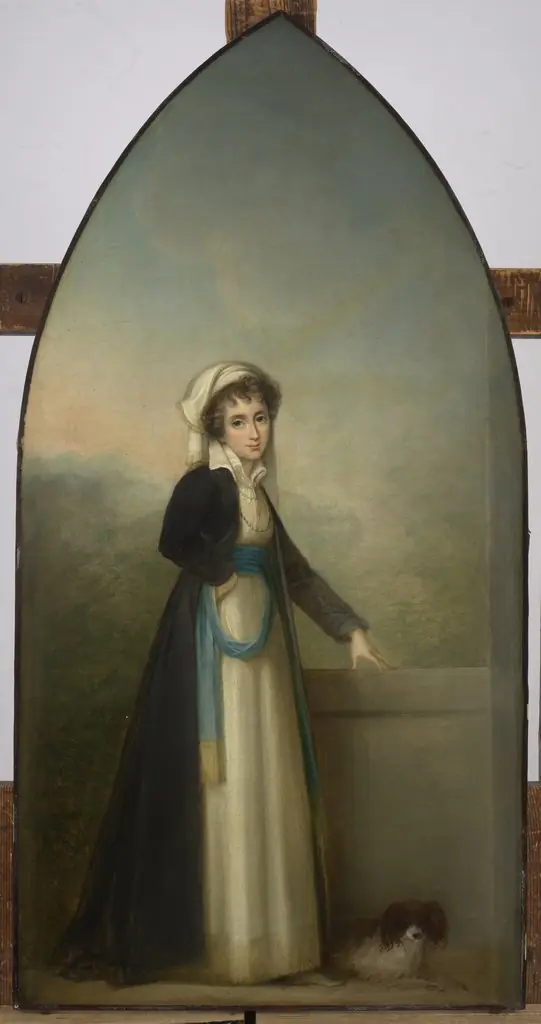 Portrait of Izabela née von Flemming, Princess Czartoryska (1746–1835)
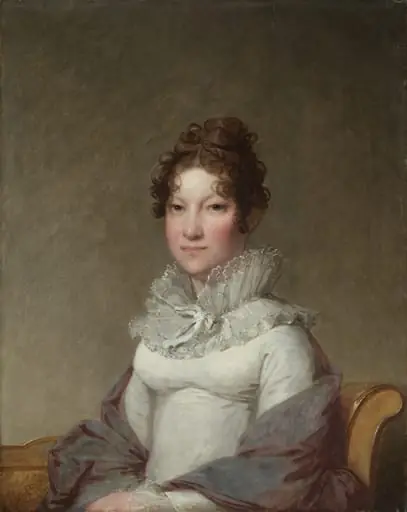 Mary Campbell Stuart
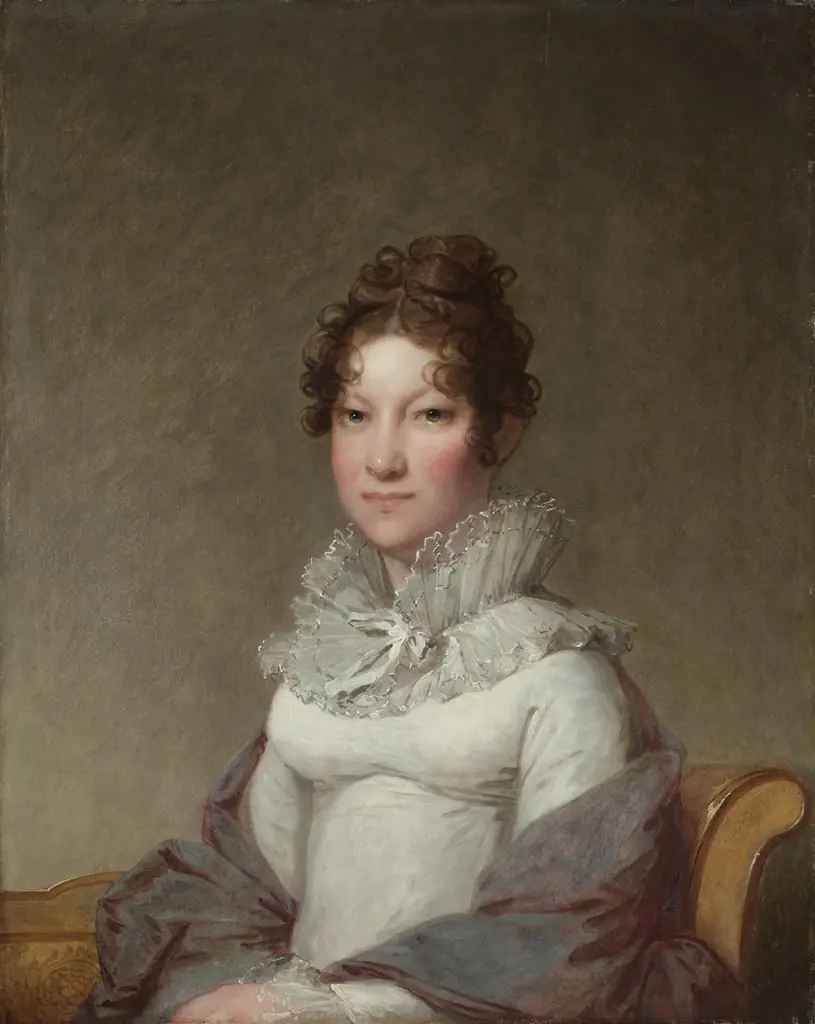 Mary Campbell Stuart
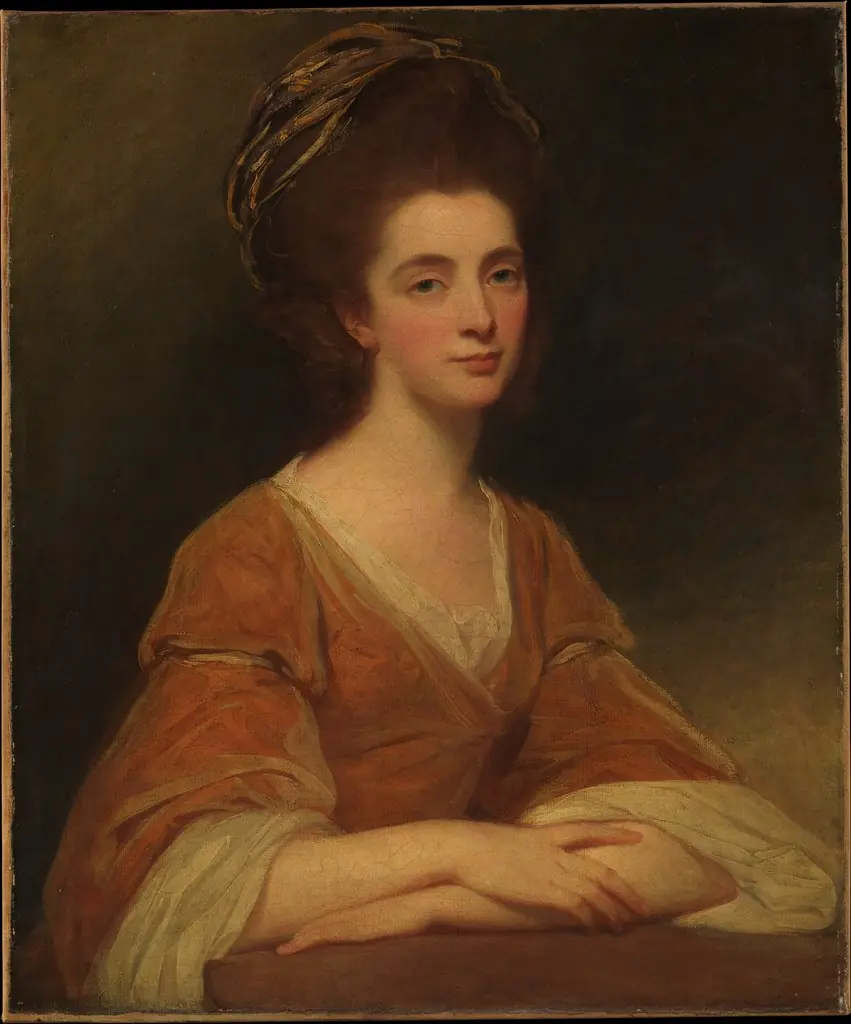 Mrs. Charles Frederick (Martha Rigden, died 1794)
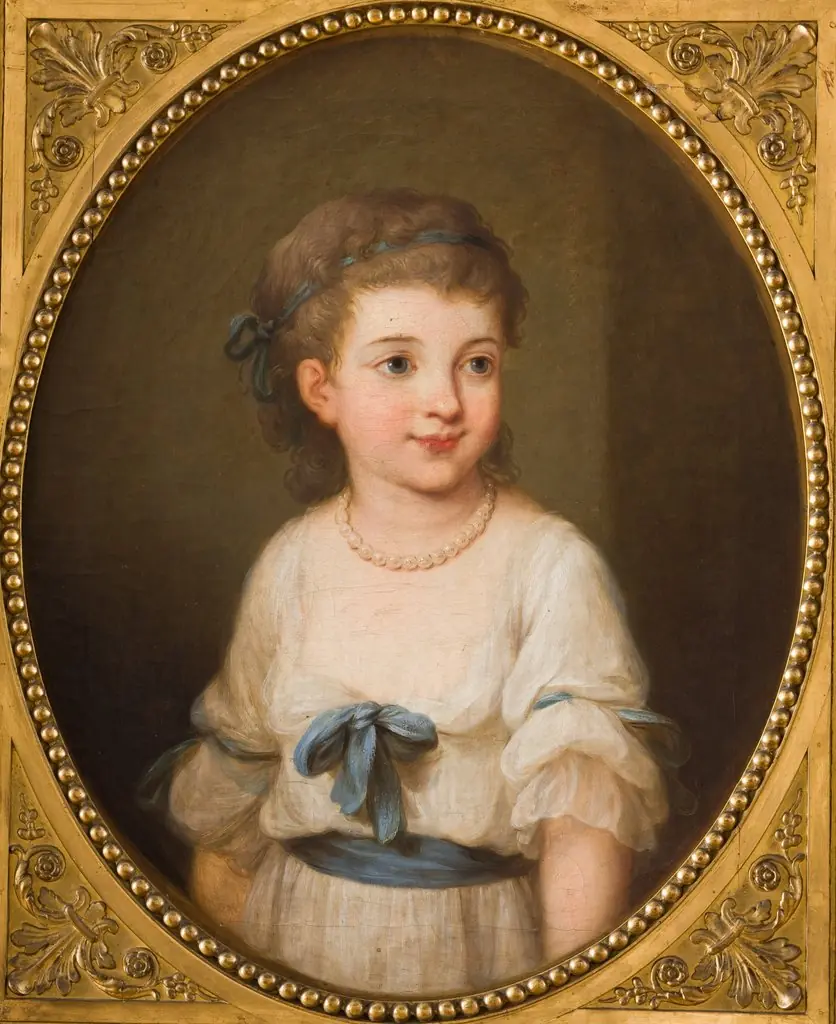 Portrait of Elżbieta Mniszech (born 1792)
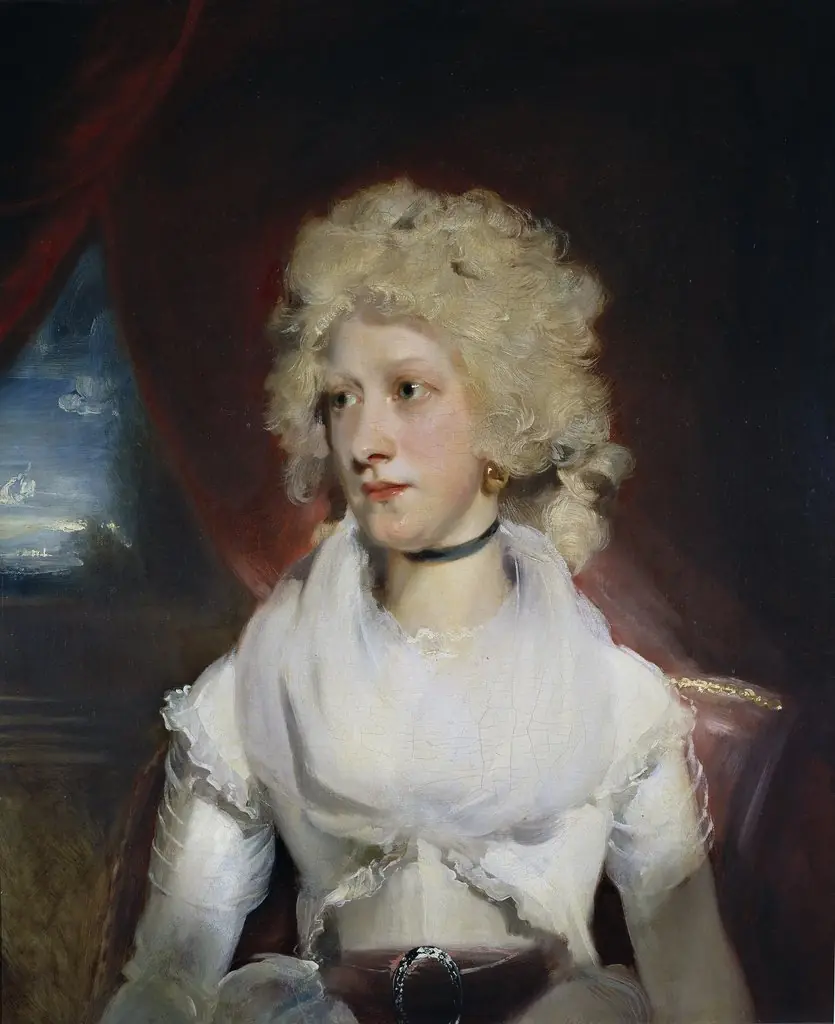 Miss Marthe Carr
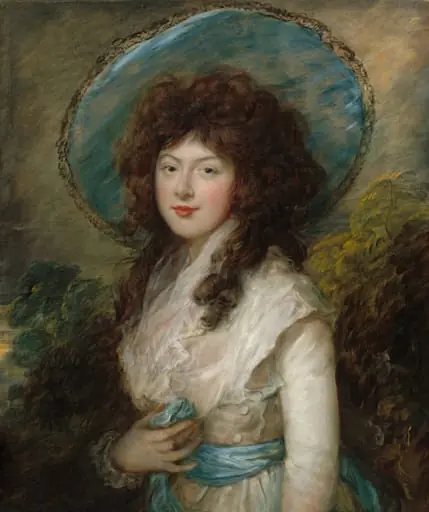 Miss Catherine Tatton
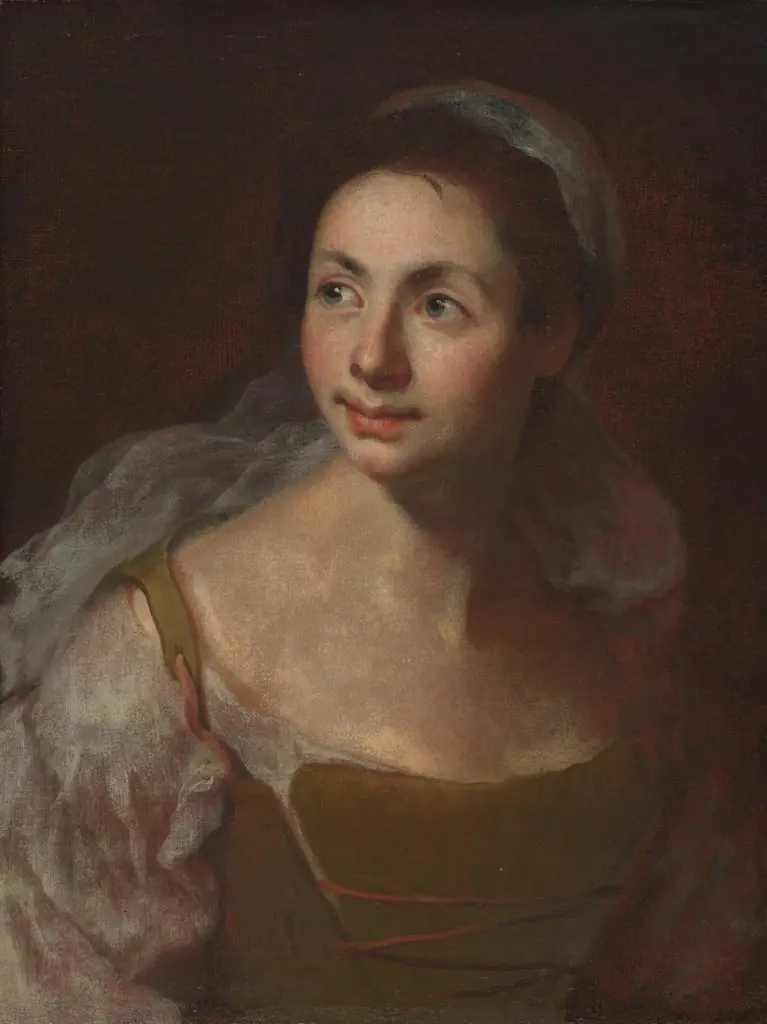 Portrait of a Girl
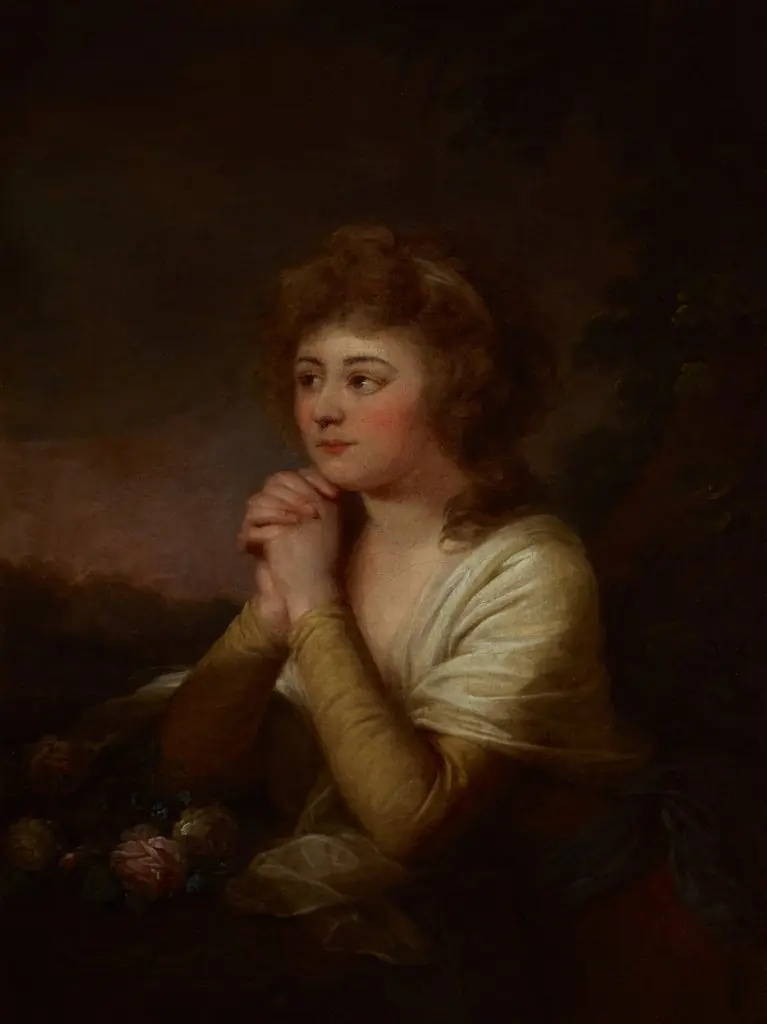 Portrait of a Lady from the Skrzyński Family
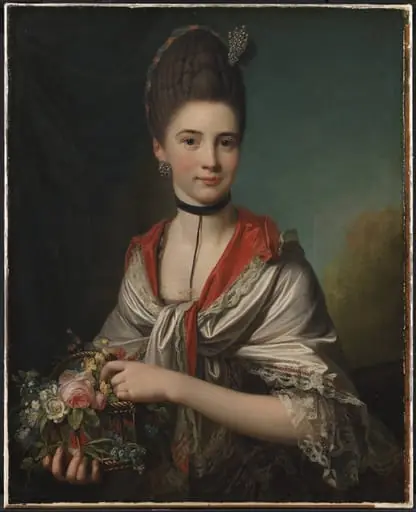 Portrait of Anna Elisabeth Battier, née Storp