Artwork
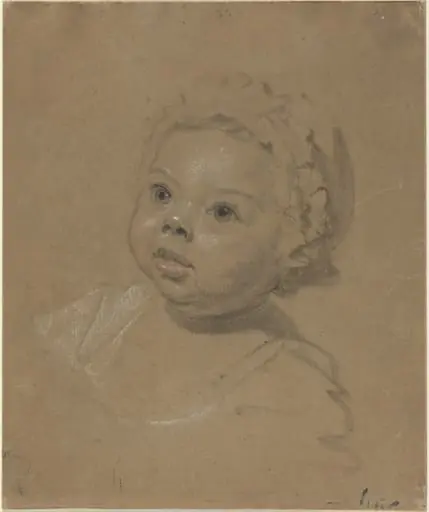
Head of a Child in a Cap
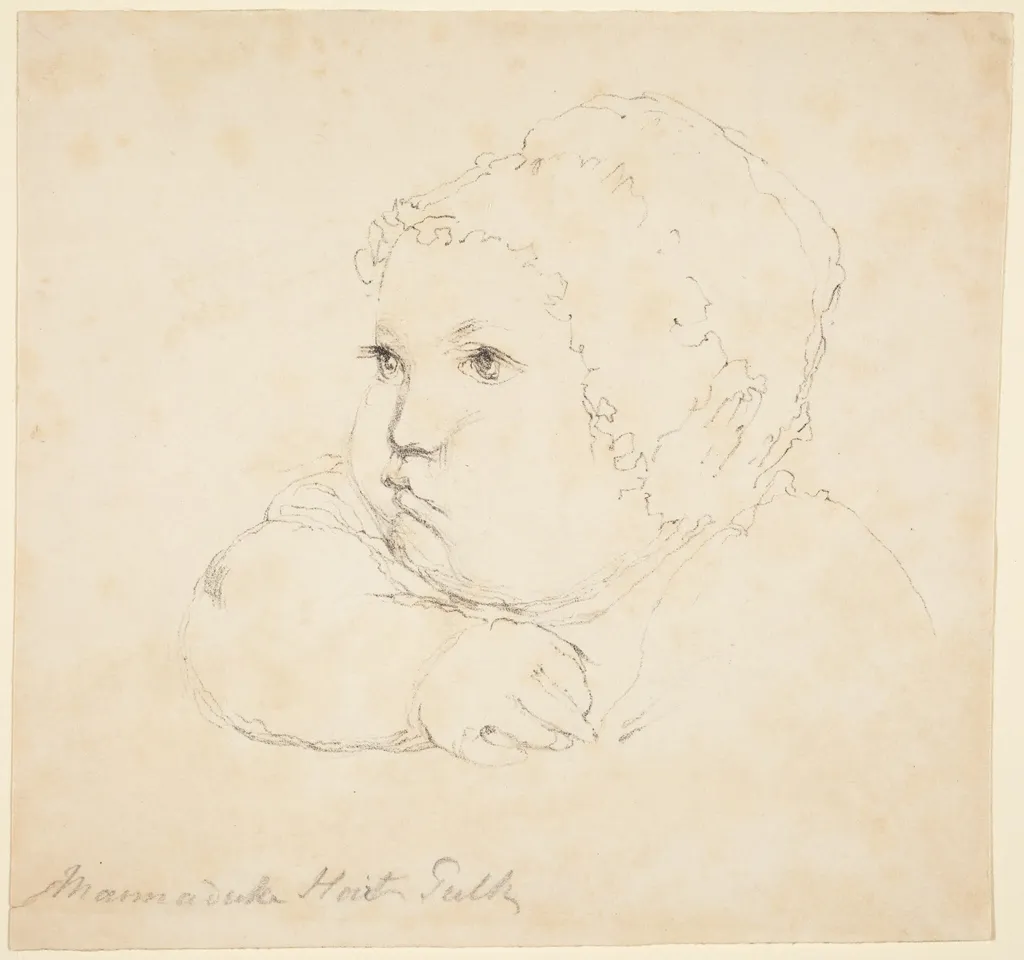
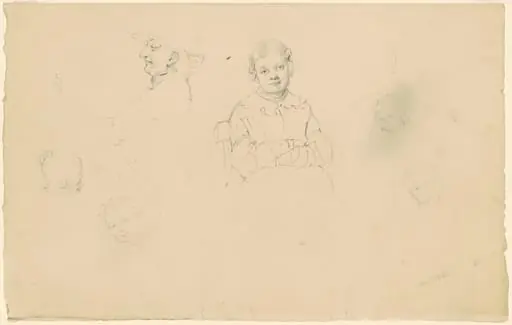
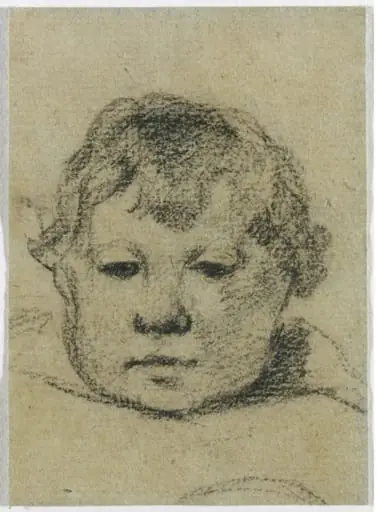
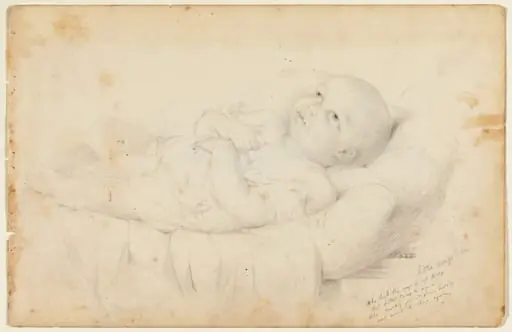
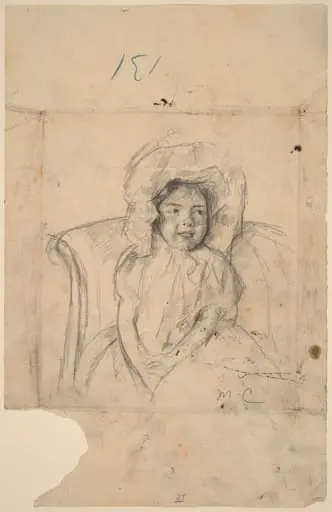
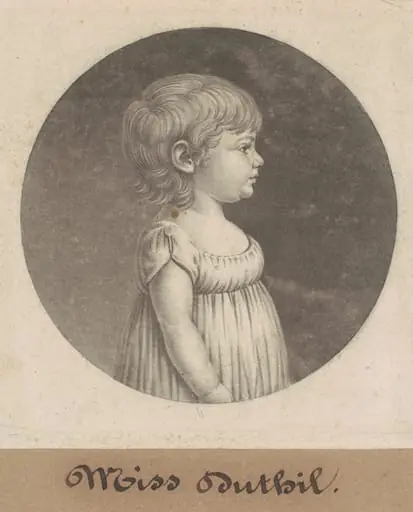
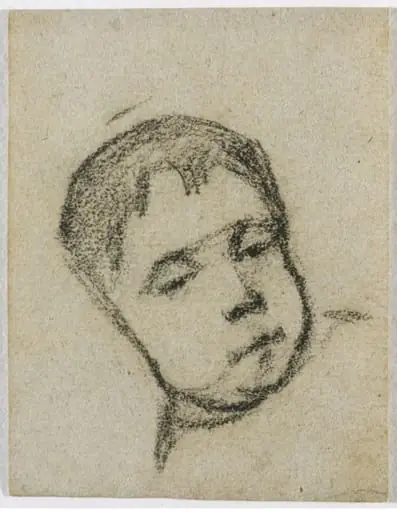
Head of a Child in a Cap is an ink print by the Baroque artist British 18th Century. It is held in the collection of the National Gallery of Art. This lithograph depicts a young child wearing a cap, rendered in soft tones on wove paper.
About this work
Overview
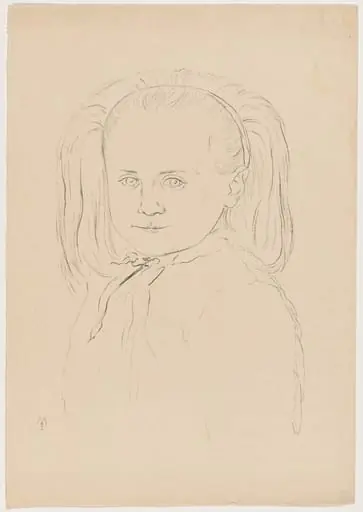
This lithograph depicts a young child wearing a cap, rendered in soft tones on wove paper. The composition is minimal, focusing solely on the face and upper shoulders. The quiet intimacy of the portrait arises from its restrained detail and lack of background, drawing attention to the child’s stillness and gentle expression.
Subject & Meaning
The subject is a child, portrayed with tenderness and without idealization. The subtle smile and direct gaze suggest a moment of quiet awareness rather than staged performance. The cap implies everyday attire, grounding the image in ordinary life. The work conveys no narrative beyond the presence of the child, emphasizing dignity in simplicity.
Technique & Style
Lithography allowed the artist to achieve fine gradations of tone using greasy crayon and ink on stone. Lines are light and fluid, with shading applied sparingly to model the cheeks and forehead. The absence of heavy contours and the soft edges reflect a preference for atmospheric suggestion over definition, characteristic of intimate portrait lithographs of the period.
History & Provenance
The work’s origin and early ownership are not documented in available records. It likely dates to the early to mid-19th century, when lithography became widely used for reproductive and personal portraiture. Its survival as a single impression suggests it was privately held rather than mass-distributed.
Context
During the early 1800s, lithography enabled artists to produce portraits more affordably than oil painting. This piece aligns with a growing interest in domestic, non-royal subjects. While not part of a known series, it reflects broader cultural shifts toward valuing quiet, personal moments in art.
Legacy
The print remains a quiet example of 19th-century lithographic portraiture, valued for its restraint and emotional subtlety. It contributes to the understanding of how everyday subjects were rendered in print media, offering insight into the aesthetic priorities of private collectors rather than public exhibitions.
Artist & collection

Artist
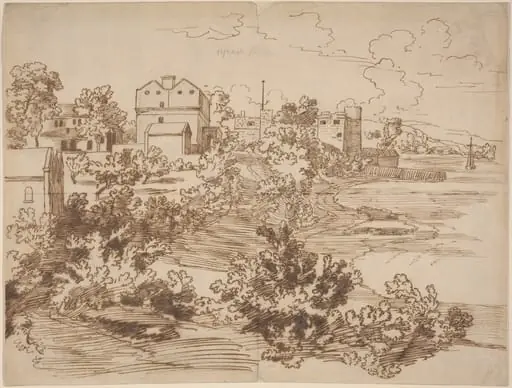
This artist left small, precise pictures from 18th-century Britain—buildings, faces, and landscapes etched or drawn in ink and chalk.