Artwork
Upnor Castle
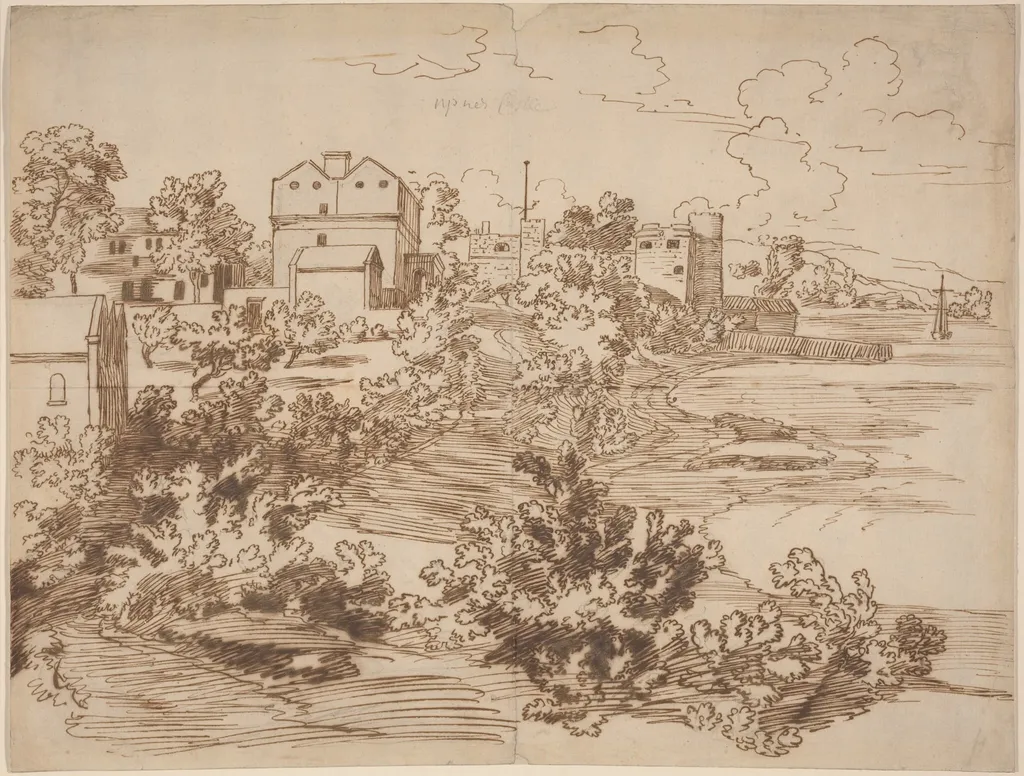
Upnor Castle is a graphite drawing by the Baroque artist British 18th Century. It dates from 1750 and is held in the collection of the National Gallery of Art.
About this work
Overview
Upnor Castle, situated on the River Medway near London, is depicted in a pen and iron‑gall ink drawing executed over a graphite underdrawing on laid paper. The work presents a precise, linear representation of the fortress, showing its tower, curtain walls, and the adjacent riverbank with clear delineation of architectural elements.
Subject & Meaning
The drawing serves as a straightforward visual record of the 18th‑century military fortification, emphasizing the structural layout rather than decorative or narrative content. By focusing on the castle’s defensive features, the image reflects contemporary interest in documenting strategic sites for both practical and scholarly purposes.
Technique & Style
Executed with fine pen work and iron‑gall ink, the artist employed dense cross‑hatching to render shadows and surface texture, a method common among military draughtsmen of the period. The underlying graphite sketch provides the initial framework, while the ink lines deliver crisp edges and a sense of depth without the use of colour.
History & Provenance
Created in the 1700s, the drawing is a rare example of a direct, on‑site representation of Upnor Castle from that era. Its survival offers valuable insight into 18th‑century cartographic and architectural recording practices, and it remains an important primary source for scholars studying the castle’s historical appearance.
Artist & collection

Artist
This artist left small, precise pictures from 18th-century Britain—buildings, faces, and landscapes etched or drawn in ink and chalk.


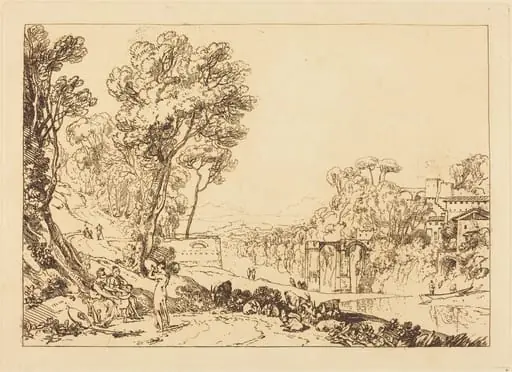 The Woman and Tambourine
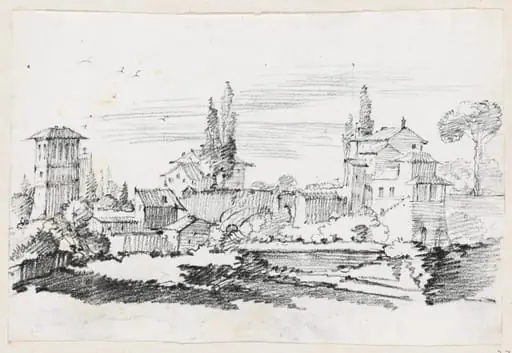 Houses in Italy
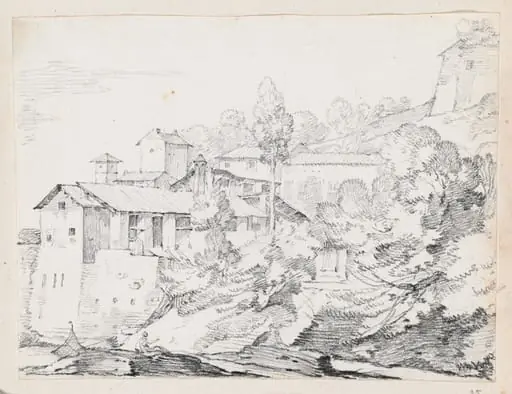 Italian Buildings on a Hillside
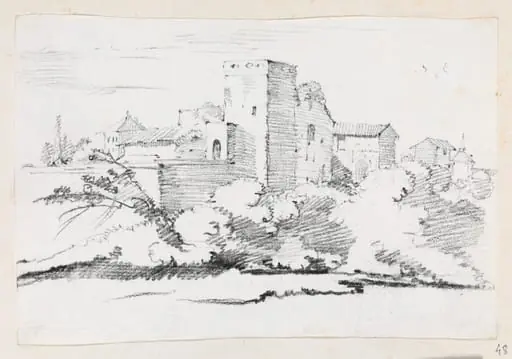 Buildings behind the Vatican
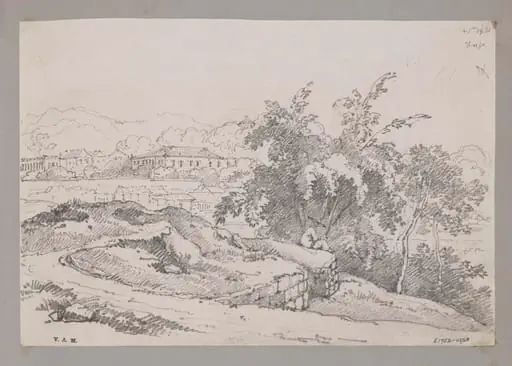 The Casa, Macao, in the gardens of which is Camoens' Cave (the residence of Lady Pereira), Macao
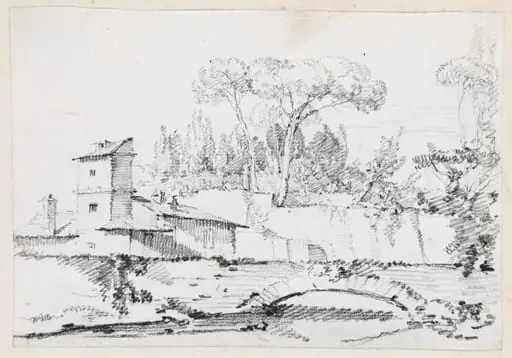 View of the Prato of the Villa Borghese
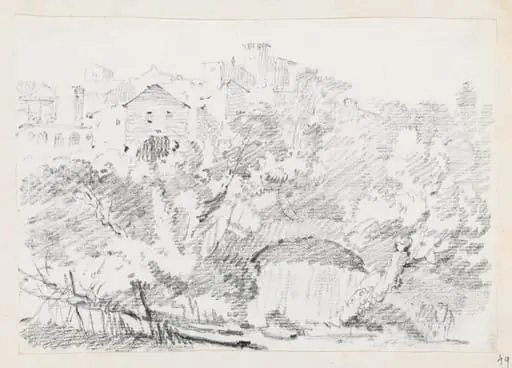 A Waterfall near a Hilltown in Italy
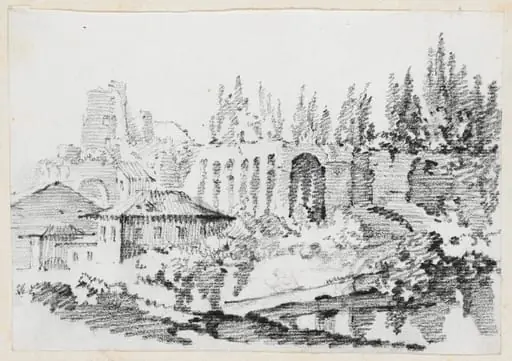 Ruins of the Imperial Palaces on the Palatine Hill
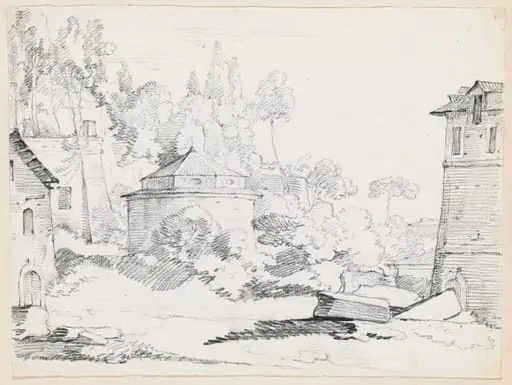 Landscape with the Church of San Teodoro
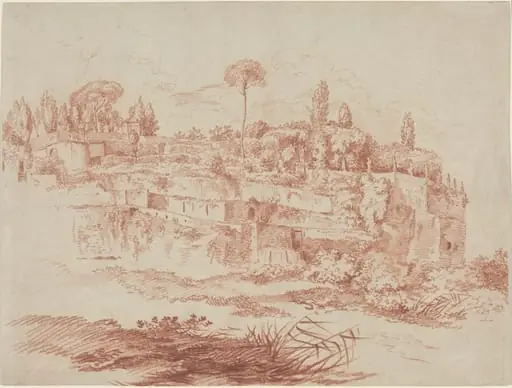 Gardens of the Villa Mattei
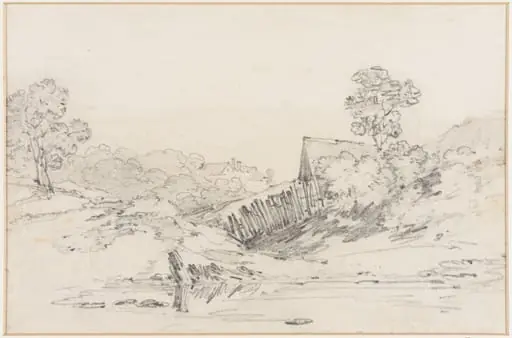 Cottage and landscape at Chirk, North Wales
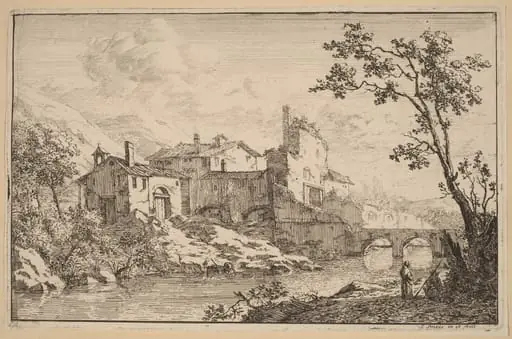 Houses at the Side of a River