Artwork
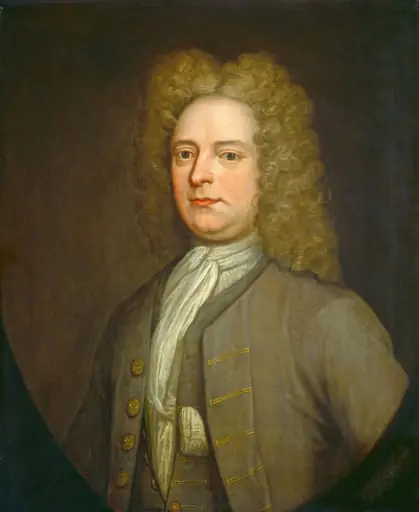
Portrait of a Gentleman
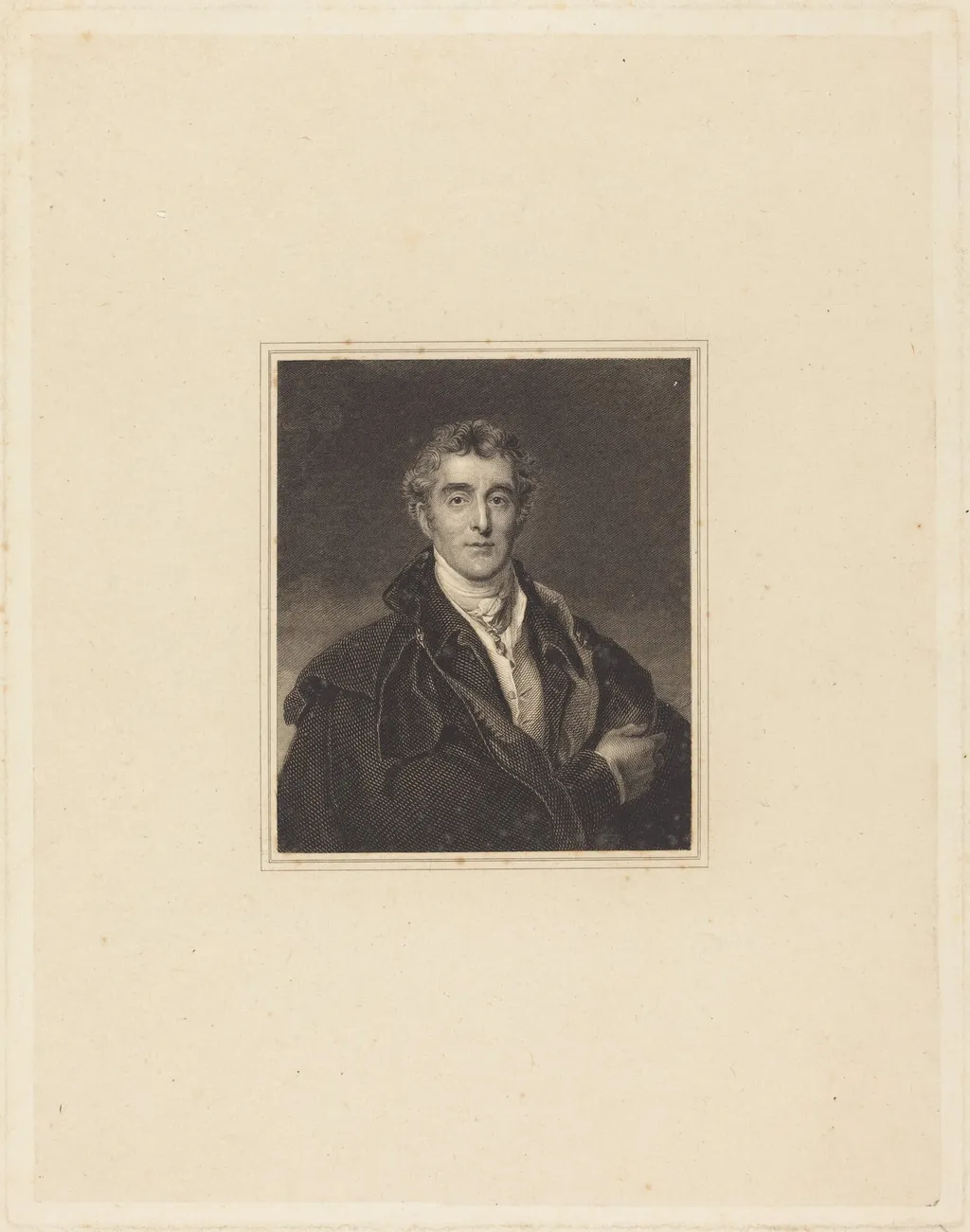
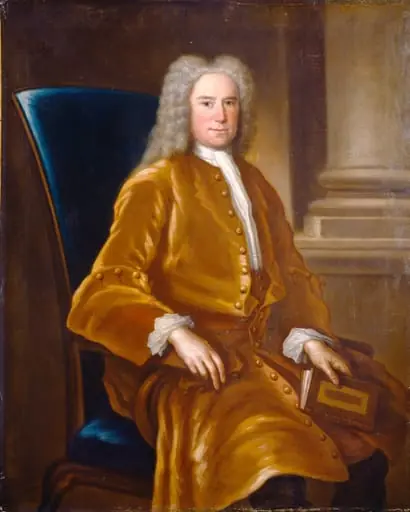
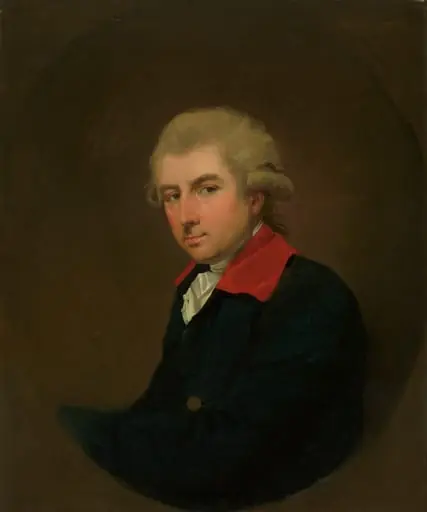
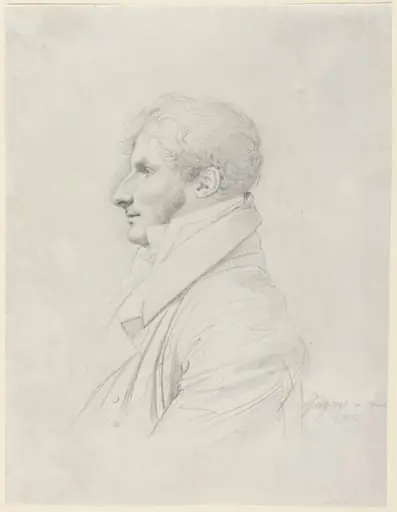
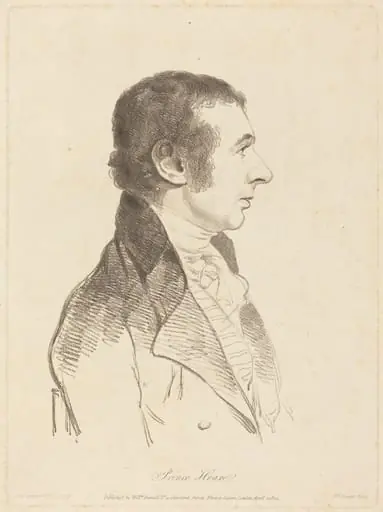
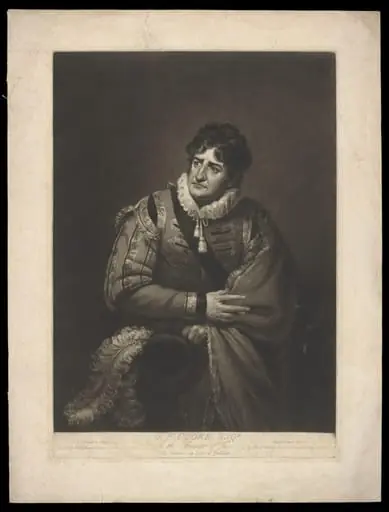
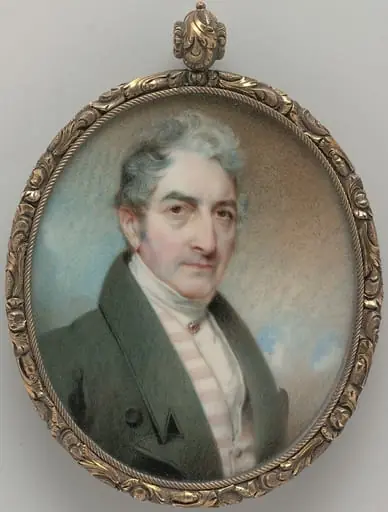
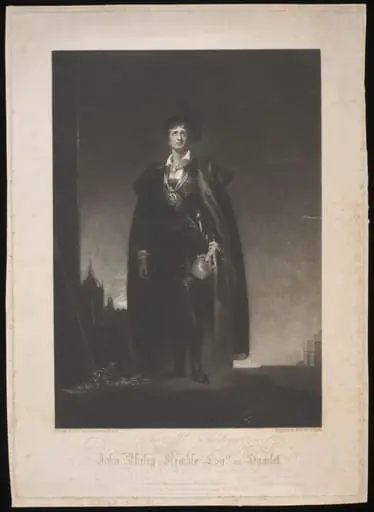
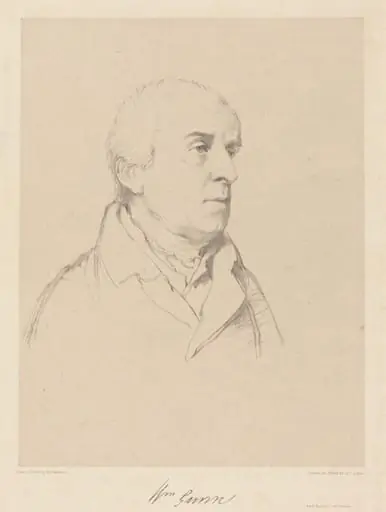
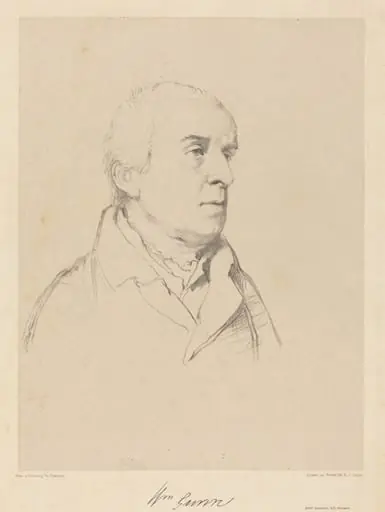
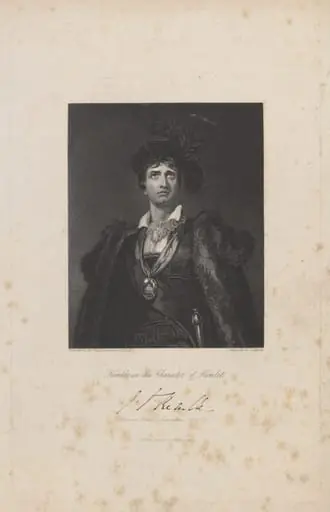
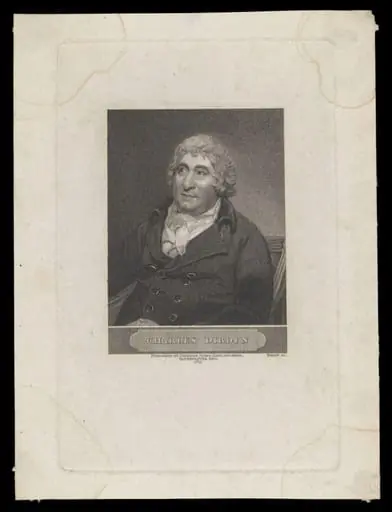
Portrait of a Gentleman is an ink print by the Baroque artist British 18th Century. It dates from 1701 and is held in the collection of the National Gallery of Art. This black-and-white print depicts a gentleman in formal 18th-century attire, rendered through etching and engraving on papier collé.
About this work
Overview
This black-and-white print depicts a gentleman in formal 18th-century attire, rendered through etching and engraving on papier collé.
This black-and-white print depicts a gentleman in formal 18th-century attire, rendered through etching and engraving on papier collé. The composition centers on his face and upper torso, with a minimal background that directs focus to his features and clothing. The technique combines fine linear detail with subtle tonal shading, characteristic of hand-produced prints from the period. Papier collé suggests the image was mounted on layered paper, possibly to enhance durability or presentation.
Subject & Meaning
The sitter is portrayed in dignified stillness, wearing a high-collared shirt and cravat, indicators of social standing in the 1700s. His curly hair and composed expression reflect contemporary ideals of gentlemanly decorum. The absence of symbolic objects or setting implies an emphasis on personal identity rather than status or profession. The portrait functions as a private or commemorative likeness, capturing a moment of quiet self-presentation.
Technique & Style
The image was created using etching and engraving—methods involving incised lines on a metal plate, inked and pressed onto paper. Fine, controlled strokes model the texture of hair and fabric, while hatching and cross-hatching generate depth. The use of papier collé indicates a deliberate, possibly experimental, approach to support. The precision of the lines reflects the artisanal skill required in pre-industrial printmaking, where each mark was made by hand.
History & Provenance
Though the artist and original owner are unrecorded, the work aligns with mid- to late-18th-century British or continental print traditions. Papier collé was occasionally used in print portfolios to reinforce fragile paper or to integrate multiple elements. Such portraits were often reproduced for private collections or as studies for painters. Its survival suggests it was valued as a refined example of graphic art, though its exact origin remains undocumented.
Context
In the 18th century, engraved portraits circulated widely among the educated middle and upper classes as affordable alternatives to painted likenesses. Printmakers often adapted styles from portraiture to suit the constraints of line and tone. This work reflects the era’s fascination with individual identity and the technical mastery required to translate three-dimensional form into two-dimensional ink. The medium allowed for replication, making personal imagery more accessible than ever before.
Legacy
This print exemplifies the quiet persistence of handcrafted portraiture in an age of emerging mechanical reproduction. While later photographic methods would supplant such techniques, this work preserves the meticulous attention to detail that defined pre-industrial visual culture. It stands as a testament to the skill of anonymous printmakers who shaped how individuals saw themselves—and were seen—through the printed image.
Artist & collection

Artist
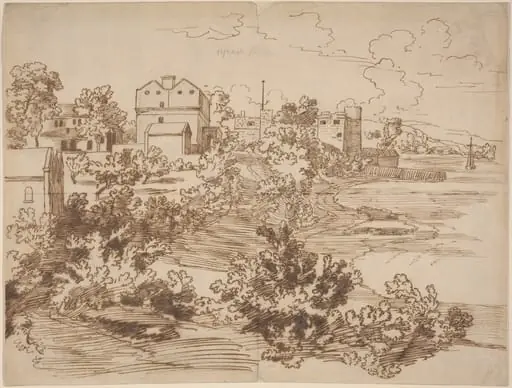
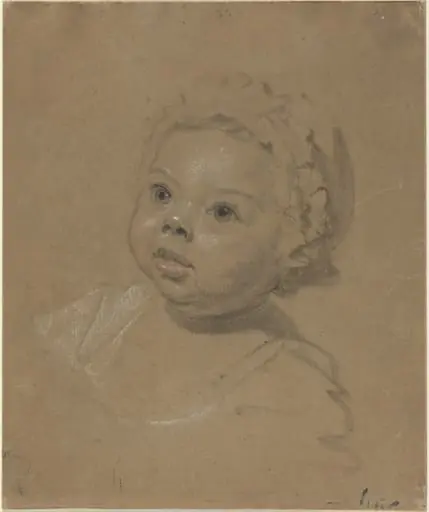
This artist left small, precise pictures from 18th-century Britain—buildings, faces, and landscapes etched or drawn in ink and chalk.