Artwork
Portrait of Cardinal Ippolito de’ Medici
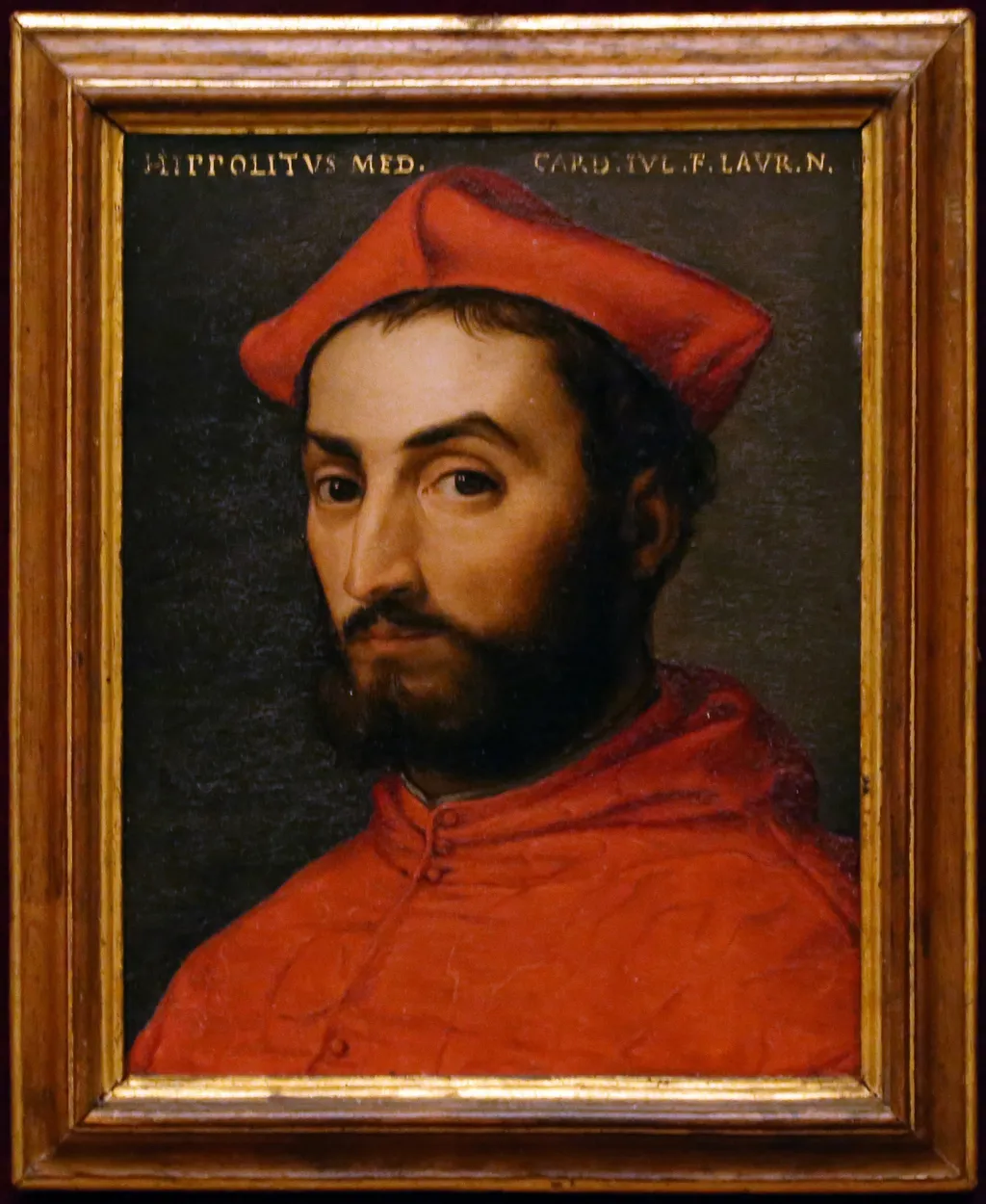
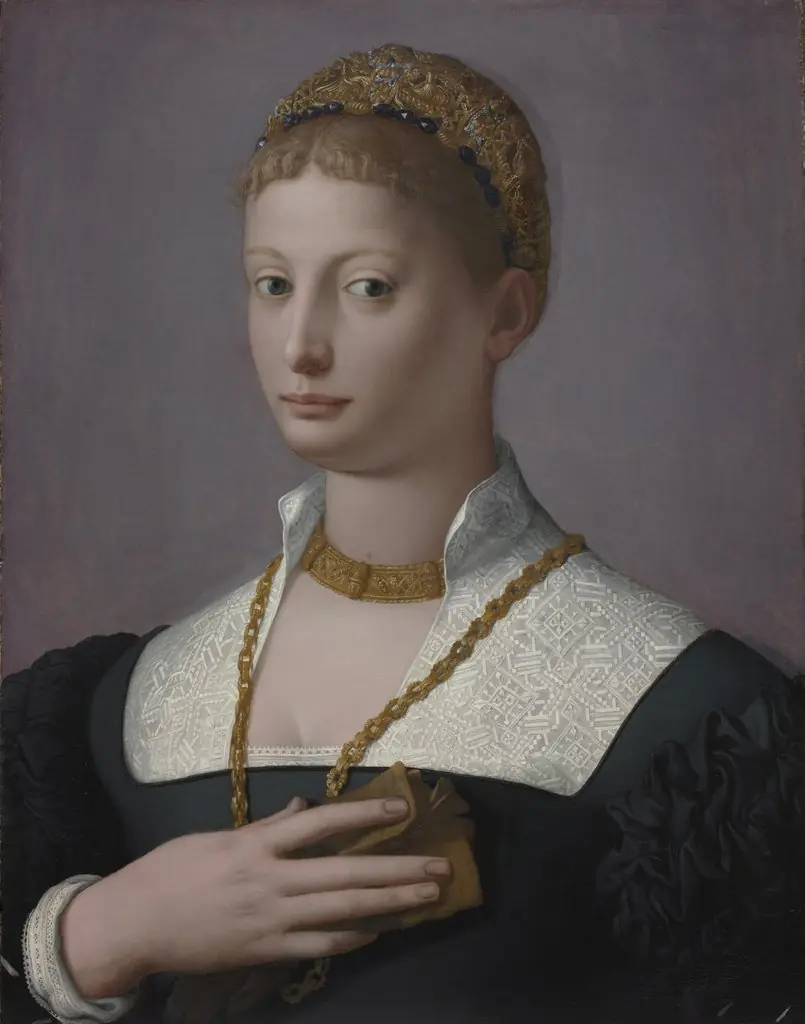
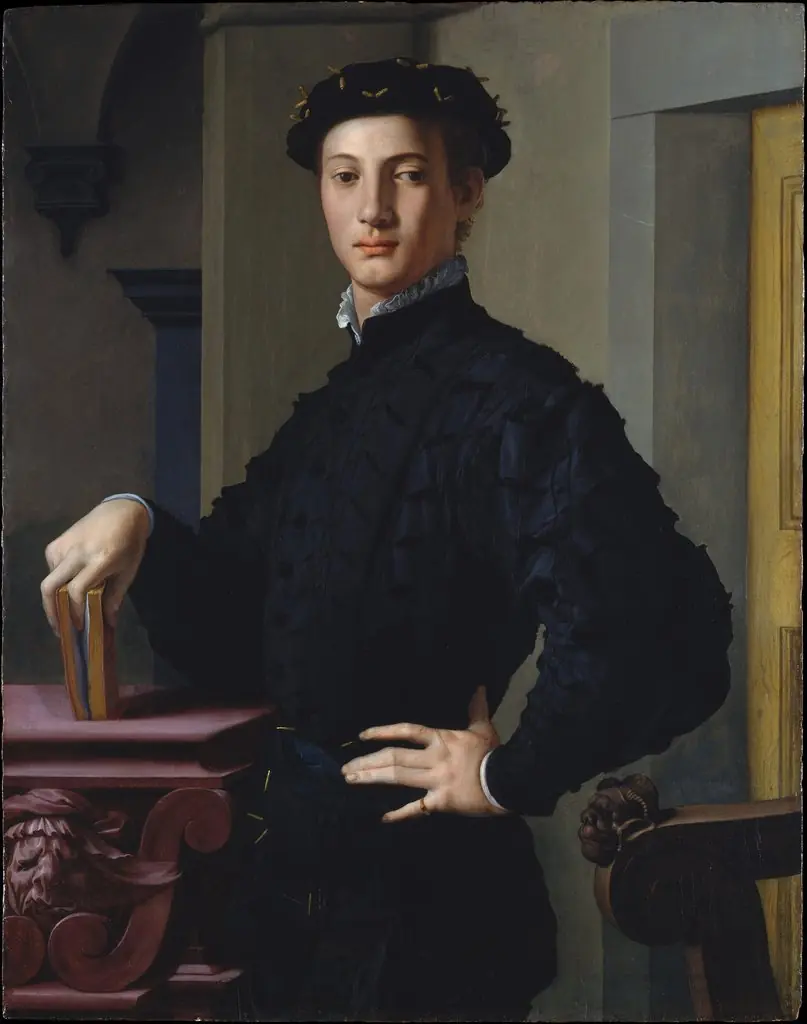
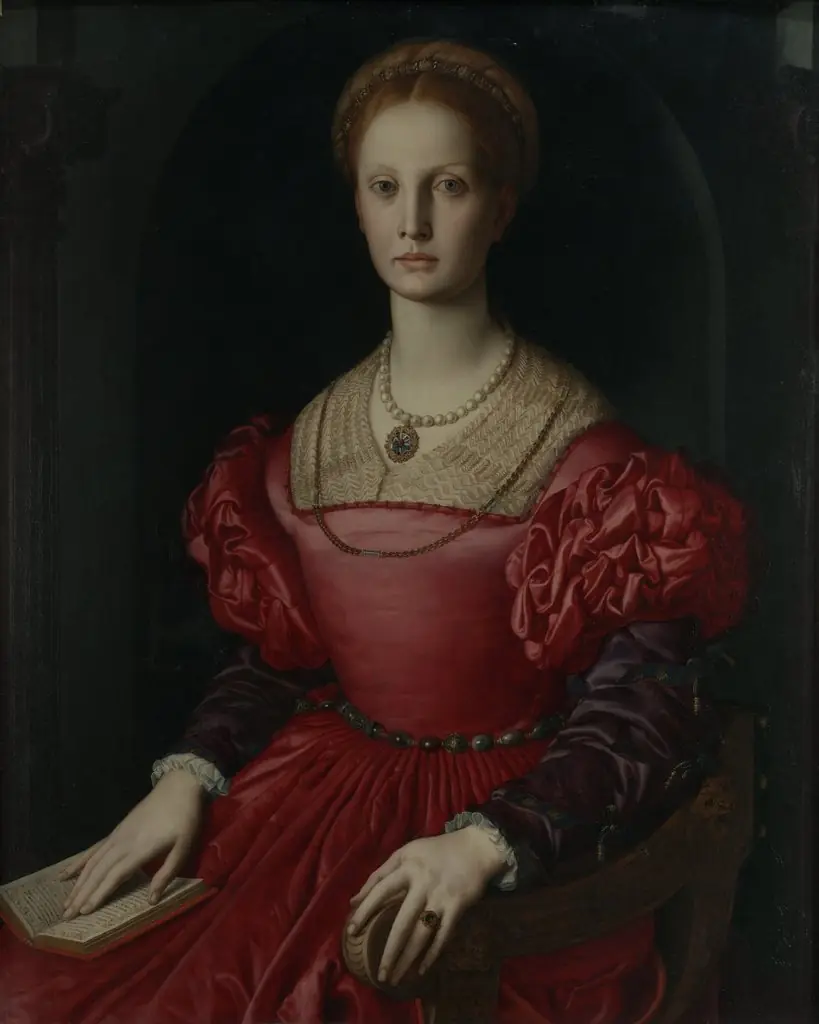
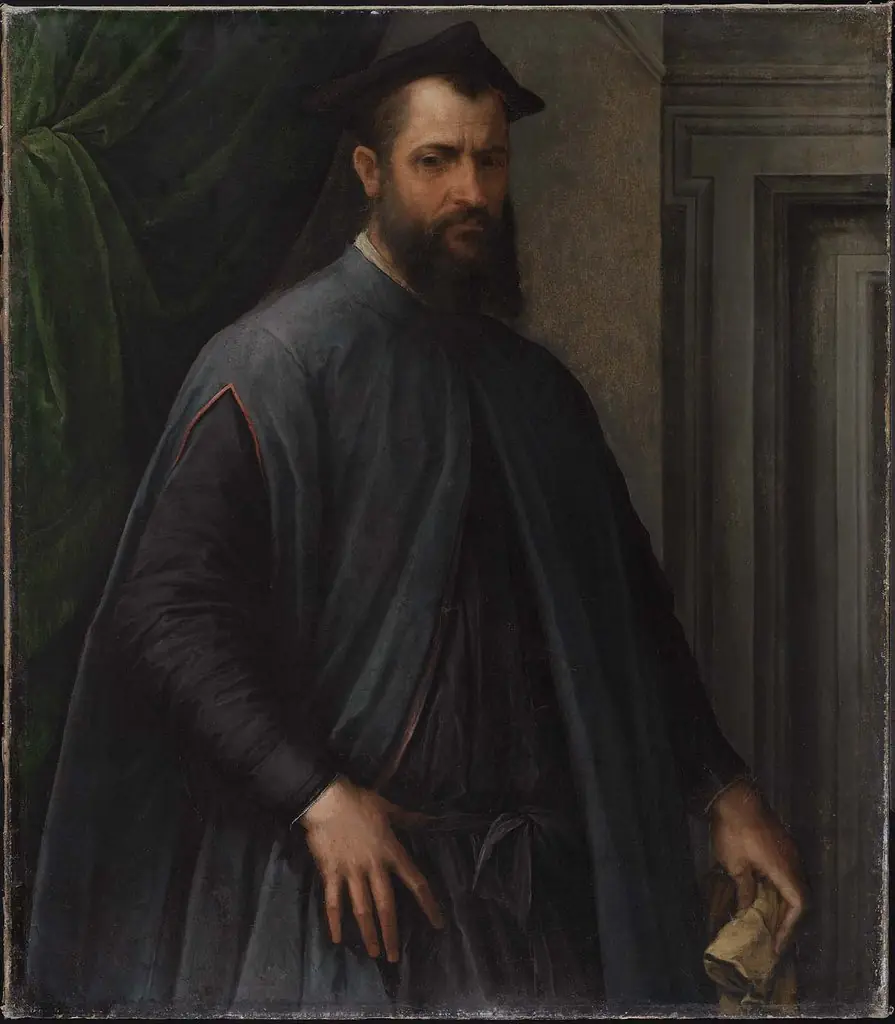
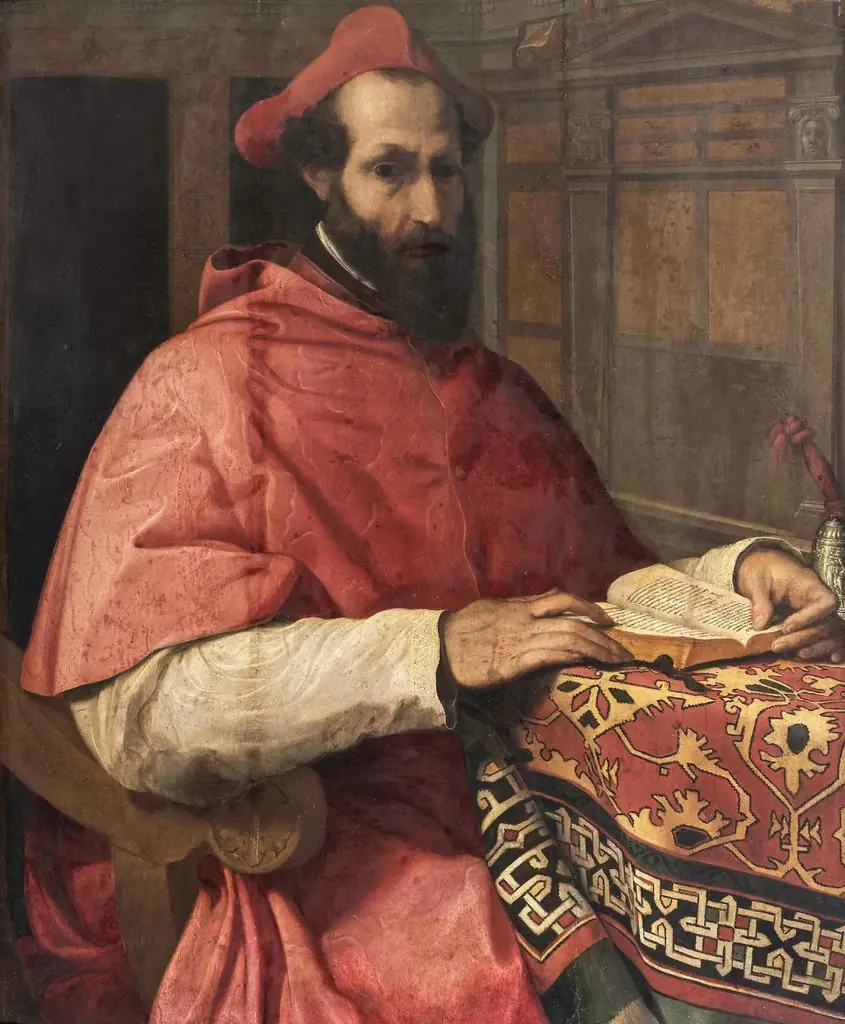
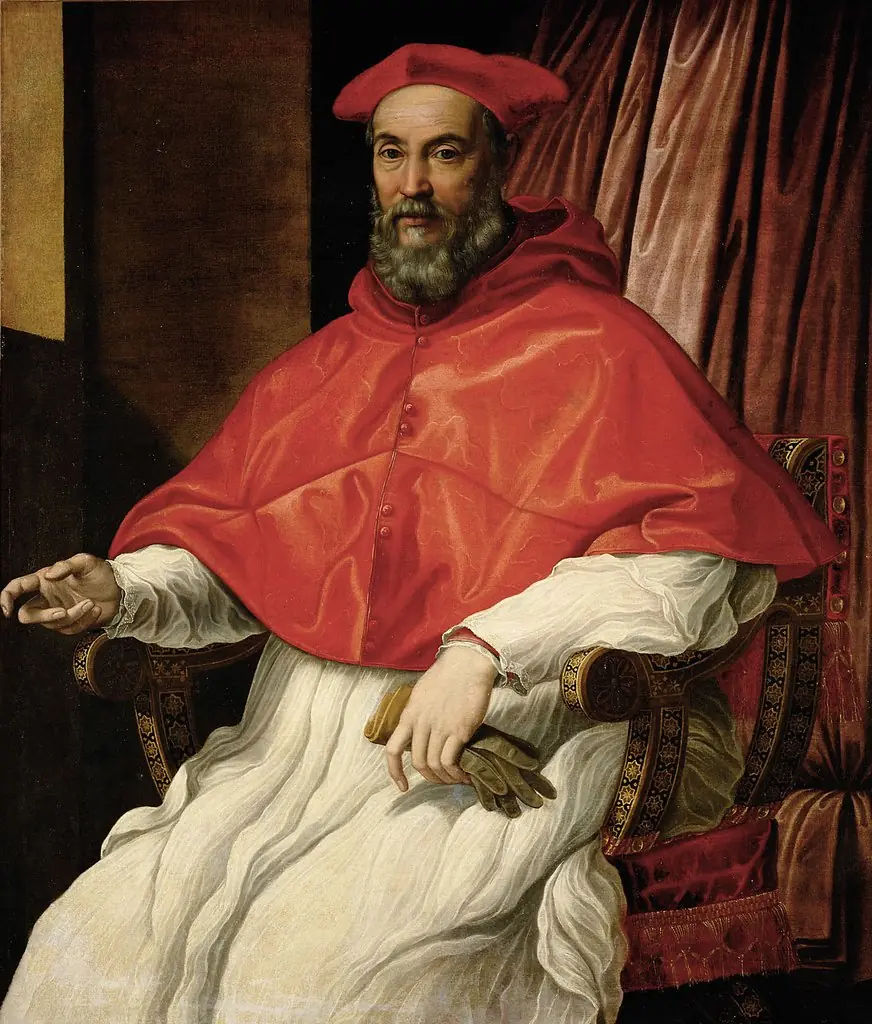
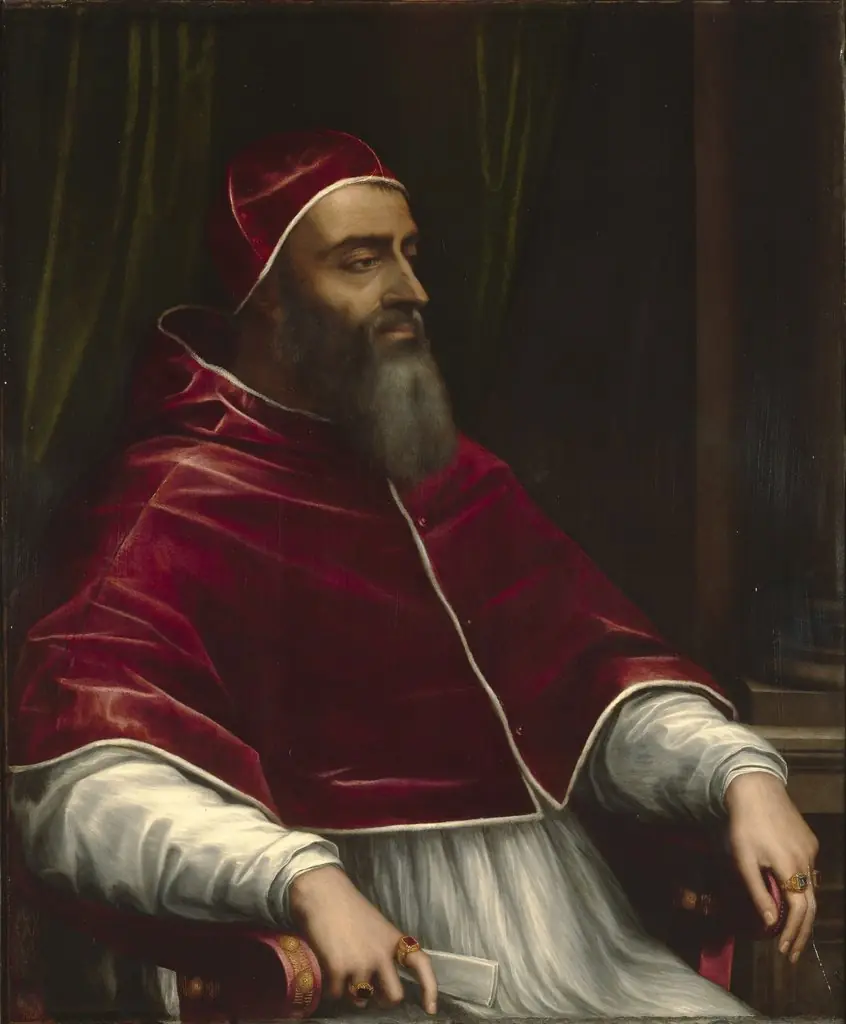
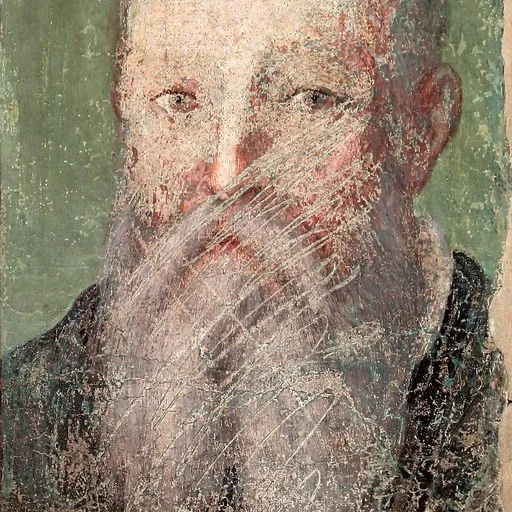
Portrait of Cardinal Ippolito de’ Medici is an unspecified painting by the Mannerist artist Bronzino. It dates from 1547 and is held in the collection of the Uffizi Gallery. Painted circa 1547, this portrait depicts Cardinal Ippolito de’ Medici, a prominent figure in Renaissance Italy.
About this work
Overview
Bronzino, who served as painter to the Medici family, rendered the cardinal with restrained elegance, emphasizing status over emotional expression.
Painted circa 1547, this portrait depicts Cardinal Ippolito de’ Medici, a prominent figure in Renaissance Italy. Created by Agnolo Bronzino, a Florentine artist known for his precise technique and cool palette, the work exemplifies the Mannerist style prevalent in mid-16th-century court circles. Bronzino, who served as painter to the Medici family, rendered the cardinal with restrained elegance, emphasizing status over emotional expression.
Subject & Meaning
Cardinal Ippolito de’ Medici, nephew of Pope Clement VII and a key political player, is portrayed in full ecclesiastical regalia. His crimson hat and robe signify his high rank within the Church, while his direct gaze and composed demeanor convey authority and composure. The absence of symbolic objects or elaborate settings focuses attention on his presence, reinforcing his role as a powerful, disciplined figure in the Medici network.
Technique & Style
Bronzino employed fine brushwork to render the textures of silk, velvet, and fur with meticulous detail, particularly in the cardinal’s elaborate attire. The dark, neutral background isolates the figure, heightening the contrast of his red garments. His face, rendered with cool, almost porcelain-like tones, reflects Mannerist ideals of artificial refinement and emotional detachment, prioritizing formal precision over naturalism.
History & Provenance
The portrait was likely commissioned during Ippolito’s time as a cardinal and diplomat, shortly before his death in 1535, though the painting’s date is often cited as 1547, possibly indicating a later version or copy. It remained within Medici collections for centuries, later entering the Uffizi Gallery in Florence, where it continues to be held as part of the institution’s core Renaissance holdings.
Context
Created during a period of intense political maneuvering in Italy, the portrait reflects the Medici family’s use of art to project power and legitimacy. Bronzino’s style, shaped by his training under Pontormo and his role at the Tuscan court, aligned with the Medici’s preference for refined, intellectual imagery. The cardinal’s image served both as a personal likeness and a tool of political representation.
Legacy
The portrait stands as a defining example of Mannerist portraiture, influencing later depictions of ecclesiastical and aristocratic figures through its emotional restraint and formal precision. Bronzino’s ability to convey status through texture, color, and gaze became a model for court painters across Europe. Its enduring presence in the Uffizi underscores its role in shaping the visual language of Renaissance power.
Artist & collection
Artist
Agnolo di Cosimo (Italian: ; 17 November 1503 – 23 November 1572), usually known as Bronzino (Italian: Il Bronzino ) or Agnolo Bronzino, was an Italian Mannerist painter from Florence.