Artwork
Infant Bacchus on a Leopard
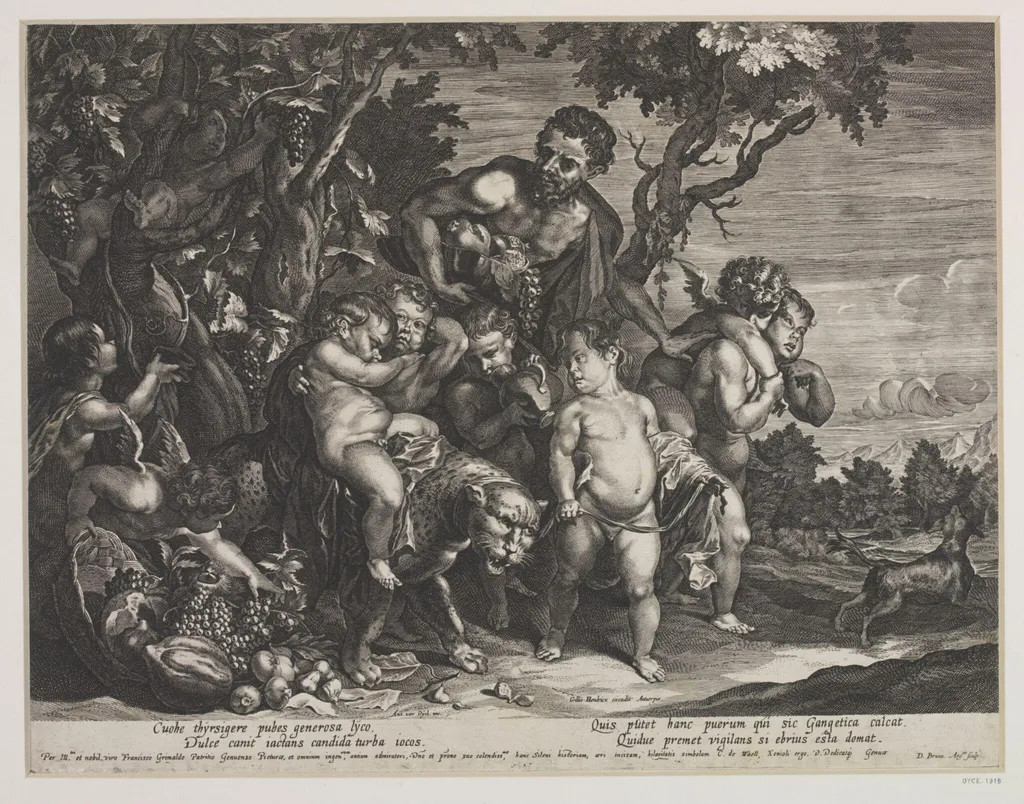
Infant Bacchus on a Leopard is a print by Brunn, D. It dates from 1650 and is held in the collection of the Victoria and Albert Museum. This print, created around 1650 by D.
About this work
Overview
The image is part of a broader tradition of Renaissance and Baroque prints that reinterpreted classical themes for scholarly and aristocratic audiences.
This print, created around 1650 by D. Brunn, reproduces a composition originally devised by Anthony van Dyck. Rendered in ink on paper, it portrays a mythological scene centered on the infant god Bacchus, depicted as a child seated atop a leopard. The image is part of a broader tradition of Renaissance and Baroque prints that reinterpreted classical themes for scholarly and aristocratic audiences.
Subject & Meaning
The scene illustrates Bacchus, the Roman god of wine and revelry, in his infancy, surrounded by symbols of his divine domain: vines, grapes, and wild animals. A muscular attendant, possibly a satyr or attendant deity, holds a cluster of grapes, reinforcing the theme of abundance. The presence of children and the leopard suggests nature’s submission to divine power, a common allegory in early modern iconography.
Technique & Style
Brunn employs chiaroscuro to model forms with strong contrasts between light and shadow, lending volume and drama to the figures. The muscular male figure is rendered with sharp definition, contrasting with the softer, more fluid outlines of the children and the leopard. The dense foliage and atmospheric sky are suggested through delicate linework, balancing detail with compositional rhythm.
History & Provenance
The print derives from a lost painting by Anthony van Dyck, likely produced during his Italian period. D. Brunn, a lesser-known engraver active in the mid-17th century, adapted the composition for print circulation. While the original painting’s whereabouts are unknown, Brunn’s version survives in several institutional collections, indicating its use in disseminating classical imagery across Europe.
Context
In mid-17th-century Europe, mythological subjects were widely reproduced in prints to satisfy intellectual and decorative tastes. Van Dyck’s compositions, admired for their elegance and classical reference, were frequently reworked by engravers. Brunn’s print reflects this trend, aligning with the era’s interest in reviving antiquity through visual culture, particularly among collectors and humanist circles.
Legacy
Though not widely celebrated today, Brunn’s print exemplifies the role of reproductive engraving in preserving and transmitting Baroque compositions. It contributes to the historical record of how classical mythology was visually codified and circulated before the age of photography. Its survival offers insight into the networks of artistic influence between painters and printmakers in early modern Europe.
Artist & collection
Artist
This 17th-century artist carved prints that put mythological scenes on paper. Look at their *Infant Bacchus on a Leopard*—a tiny wine-god perched on a spotted cat, all curves and shadows. Small artworks like this were…

 Bacchus and Ariadne
 The Death of Procris
 Perseus and Andromeda
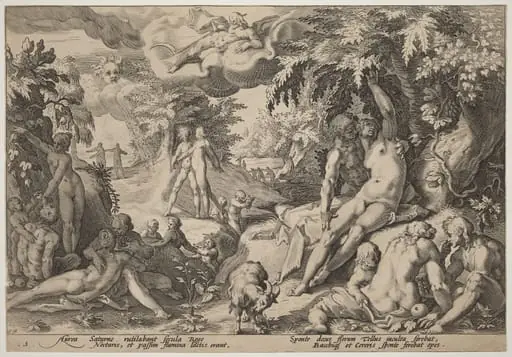 The Golden Age
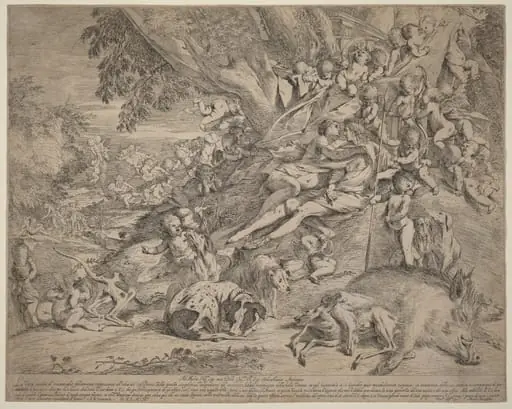 Venus and Adonis
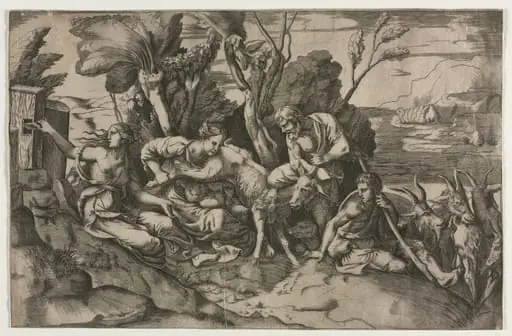 Jupiter Suckled by the Goat Amalthea
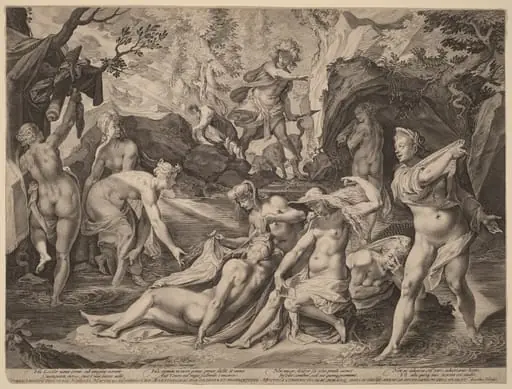 Diana Surprised by Actaeon
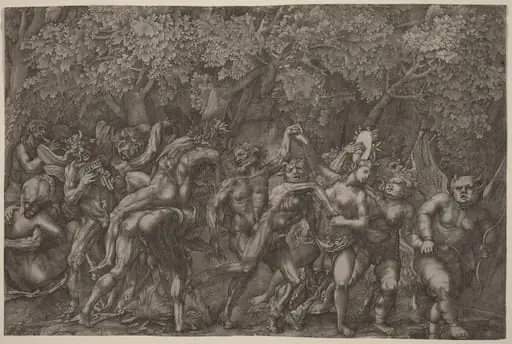 Bacchanale
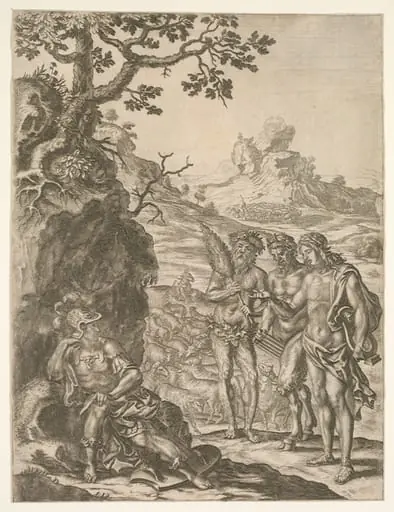 Aeneid
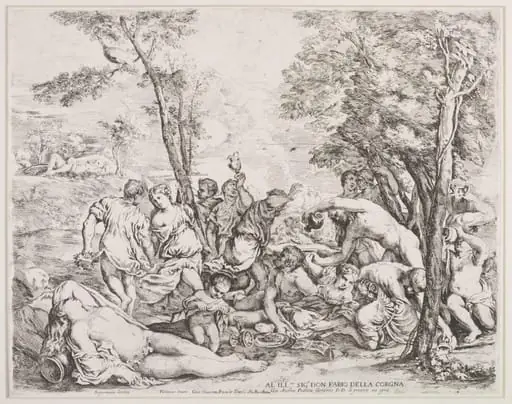 The Triumph of Bacchus
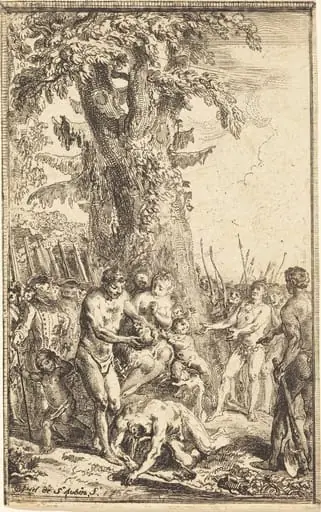 Heroic Act of a Father Who Sacrifices for His Son (Trait heroique d'un pere qui se sacrifie pour son fils)
 The Judgment of Paris