Artwork
Portret van een man
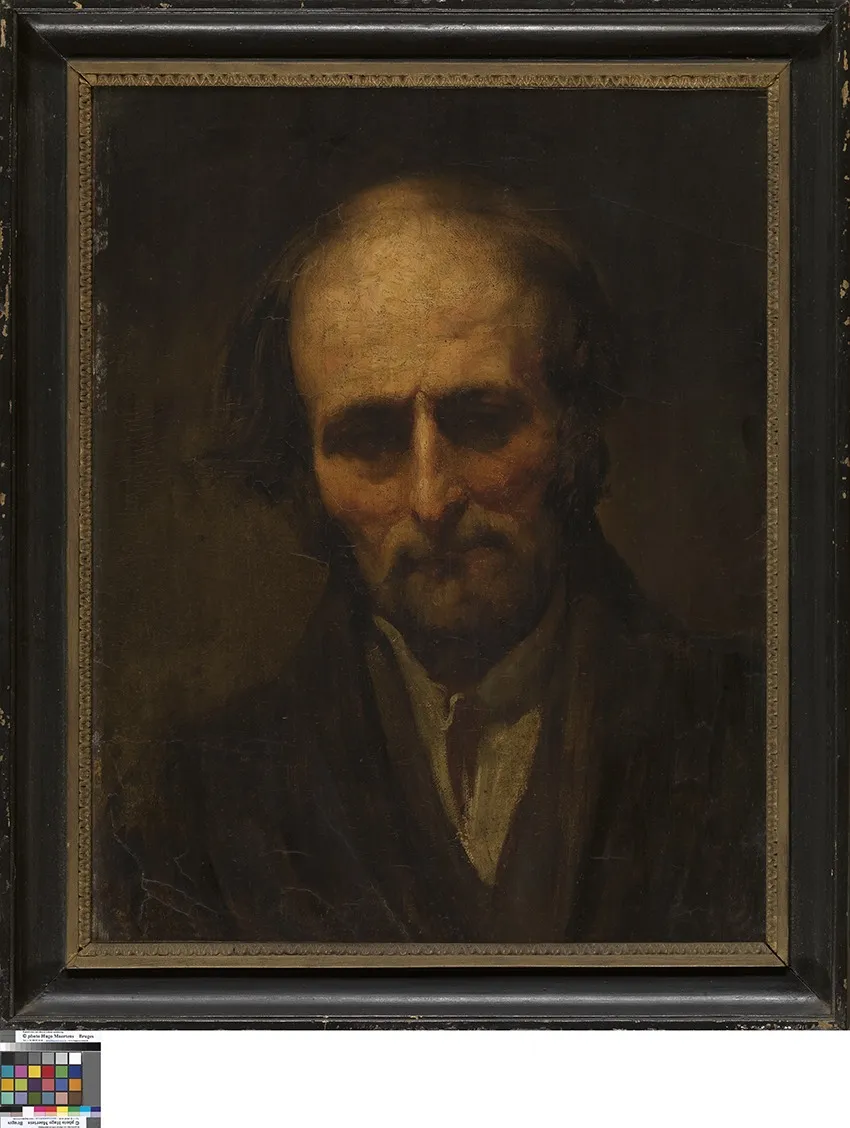
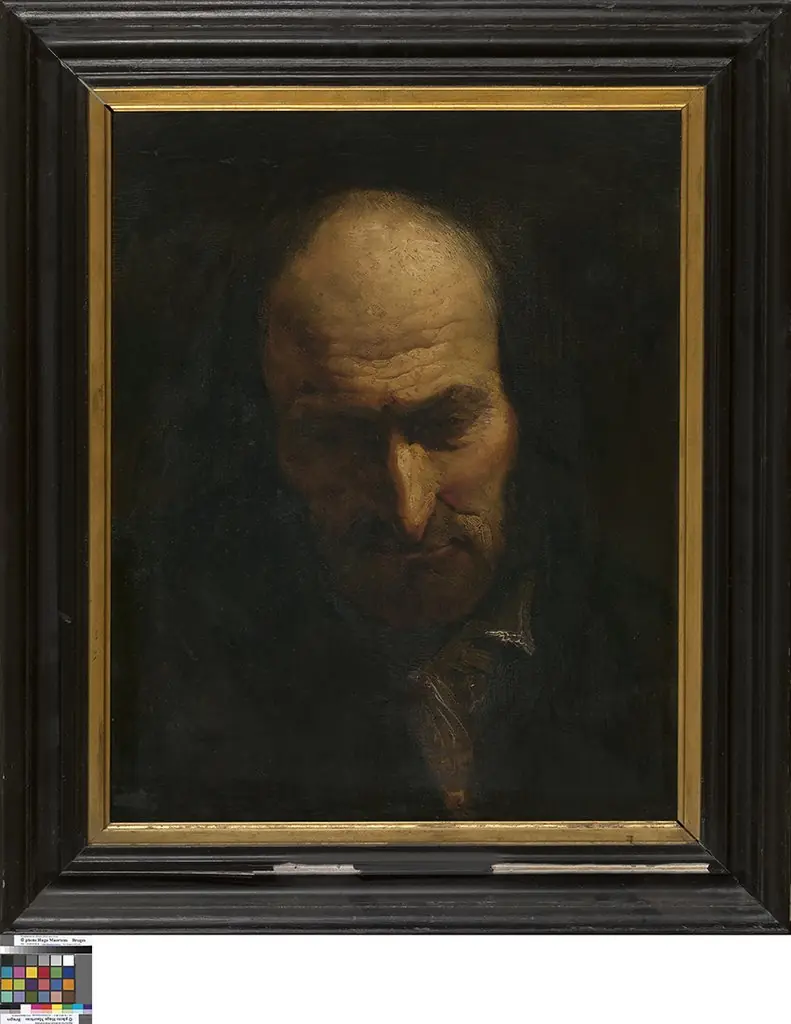
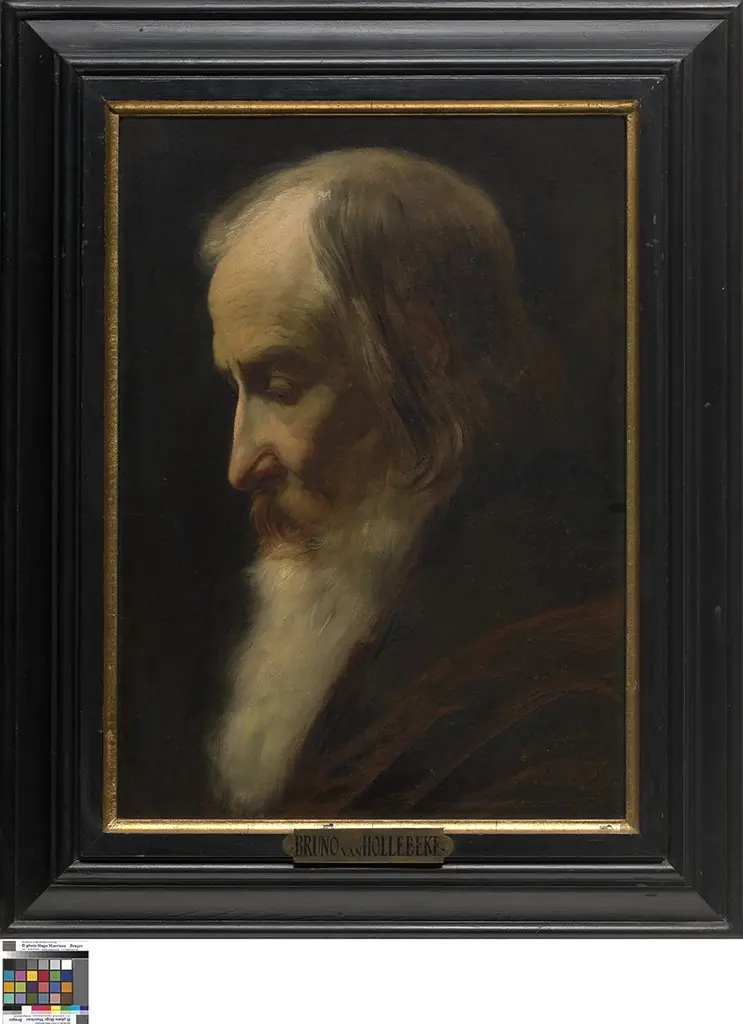
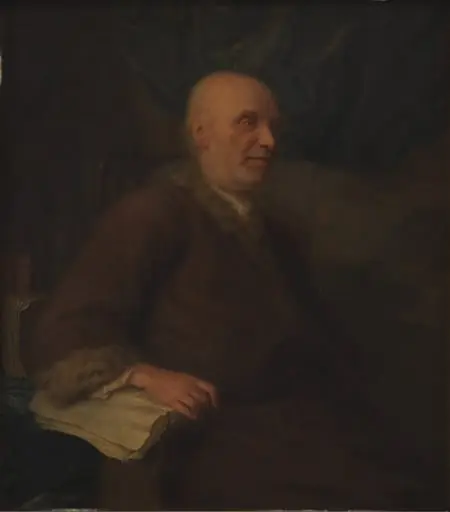
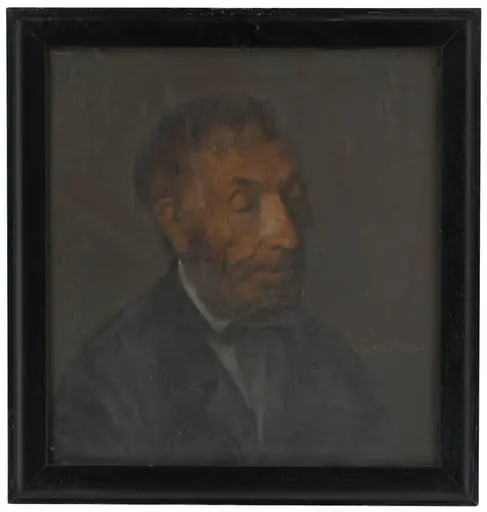
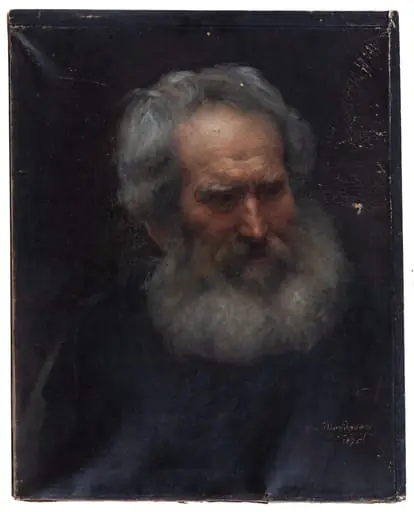
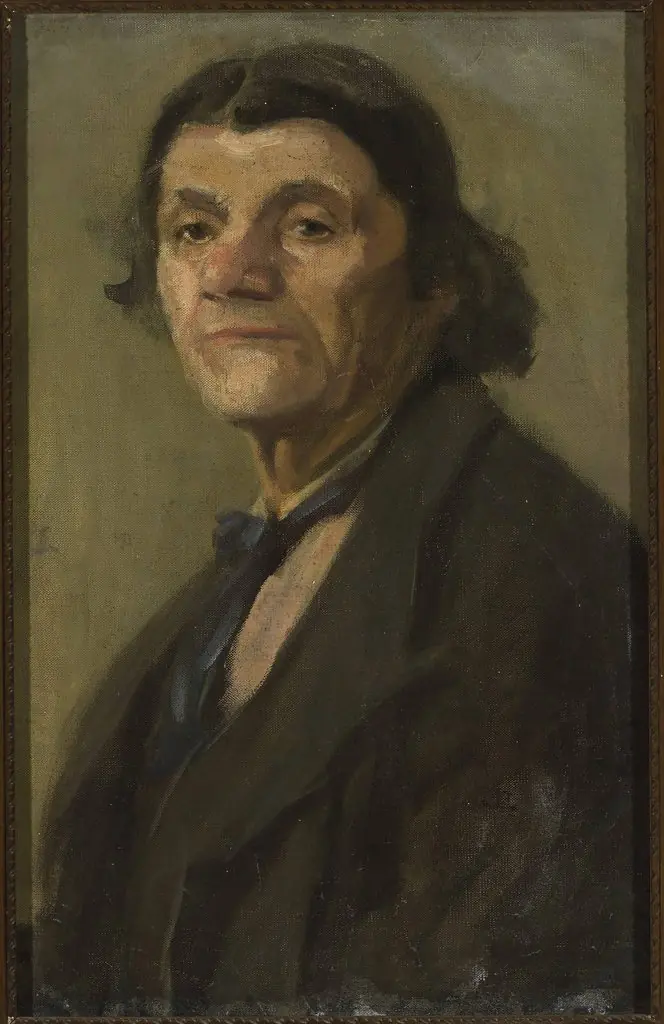
Portret van een man is an oil painting by Bruno Van Hollebeke. It dates from 1817 and is held in the collection of the Groeningemuseum.
About this work
Overview
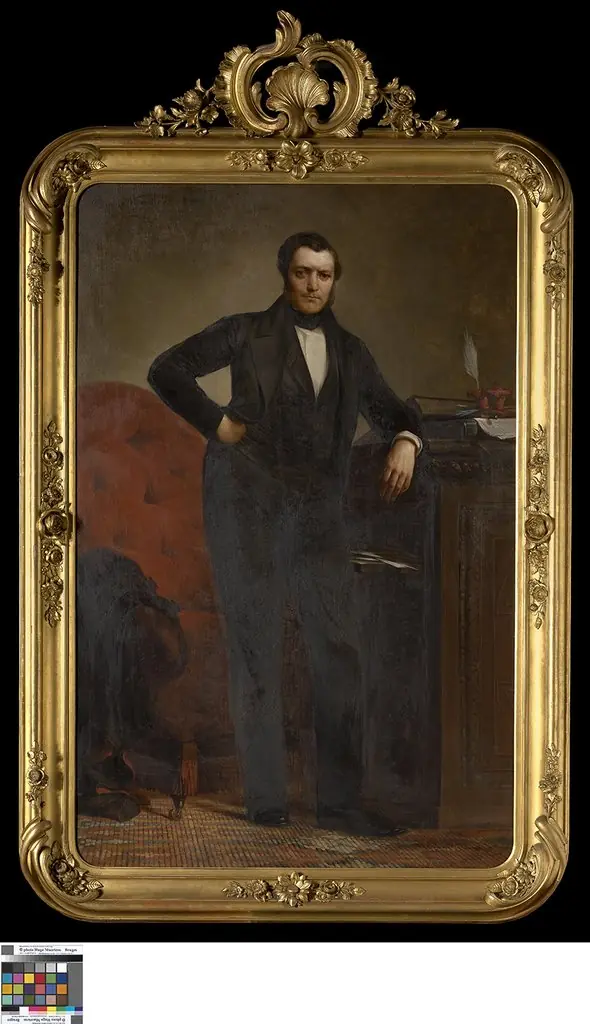
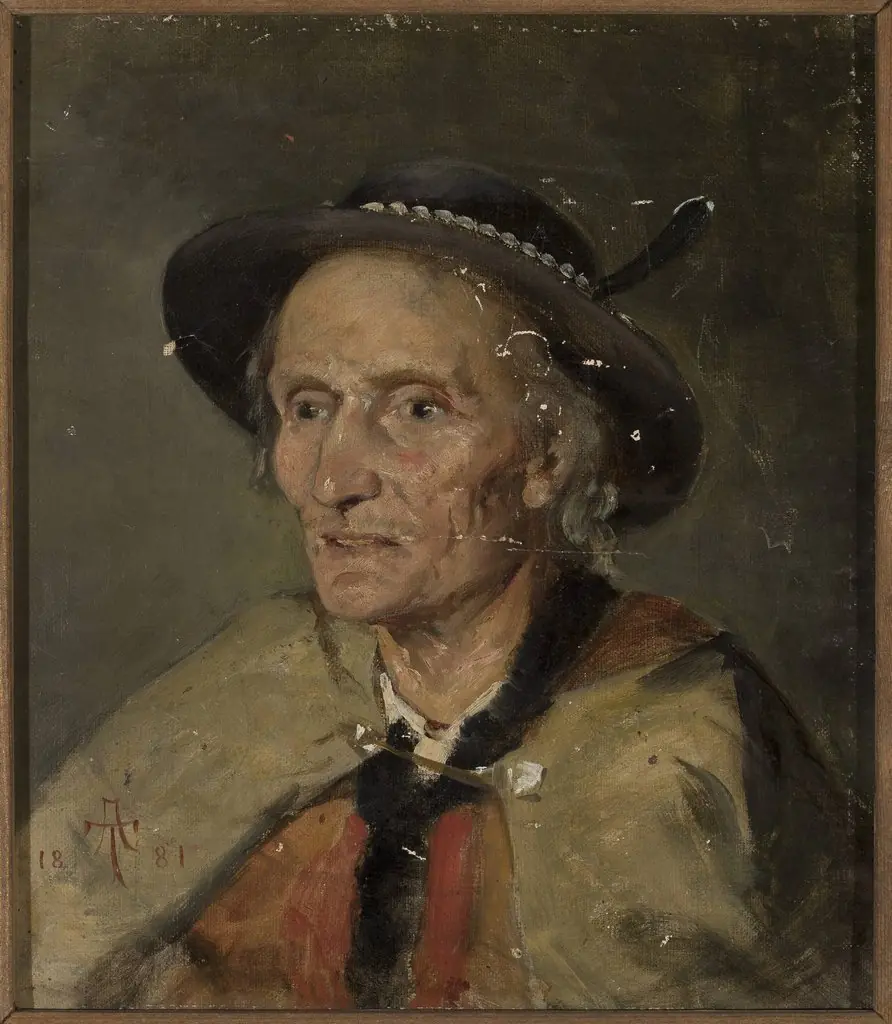
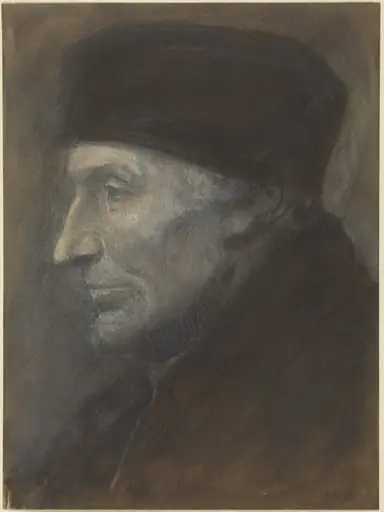
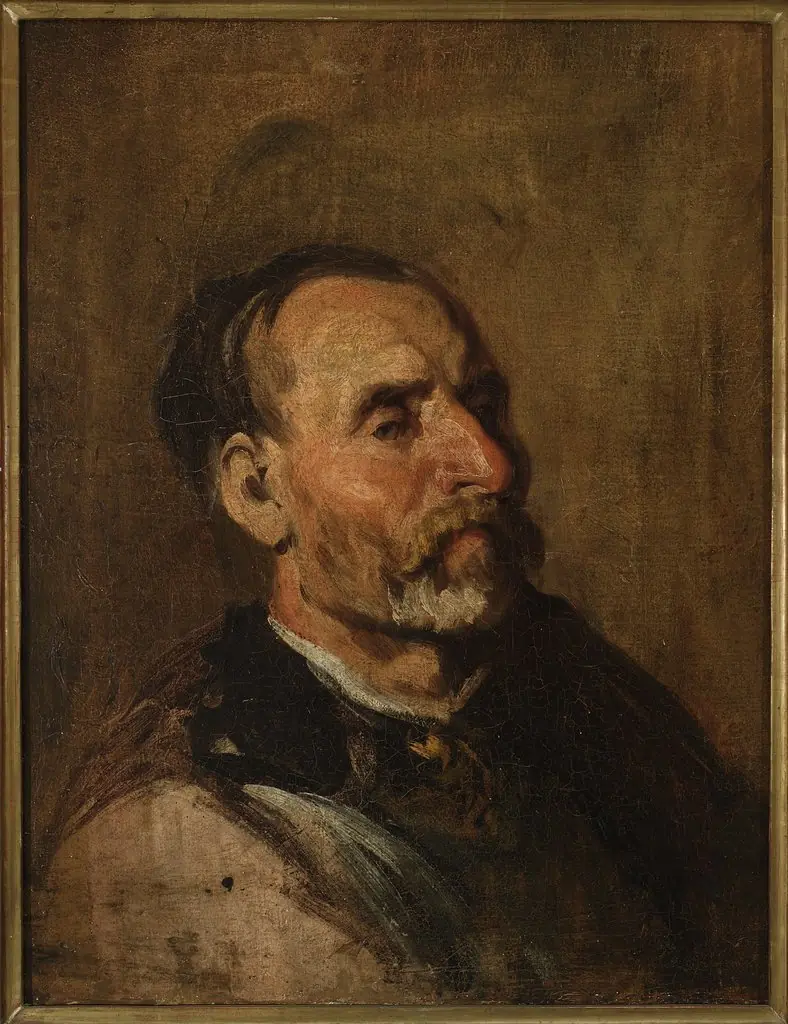
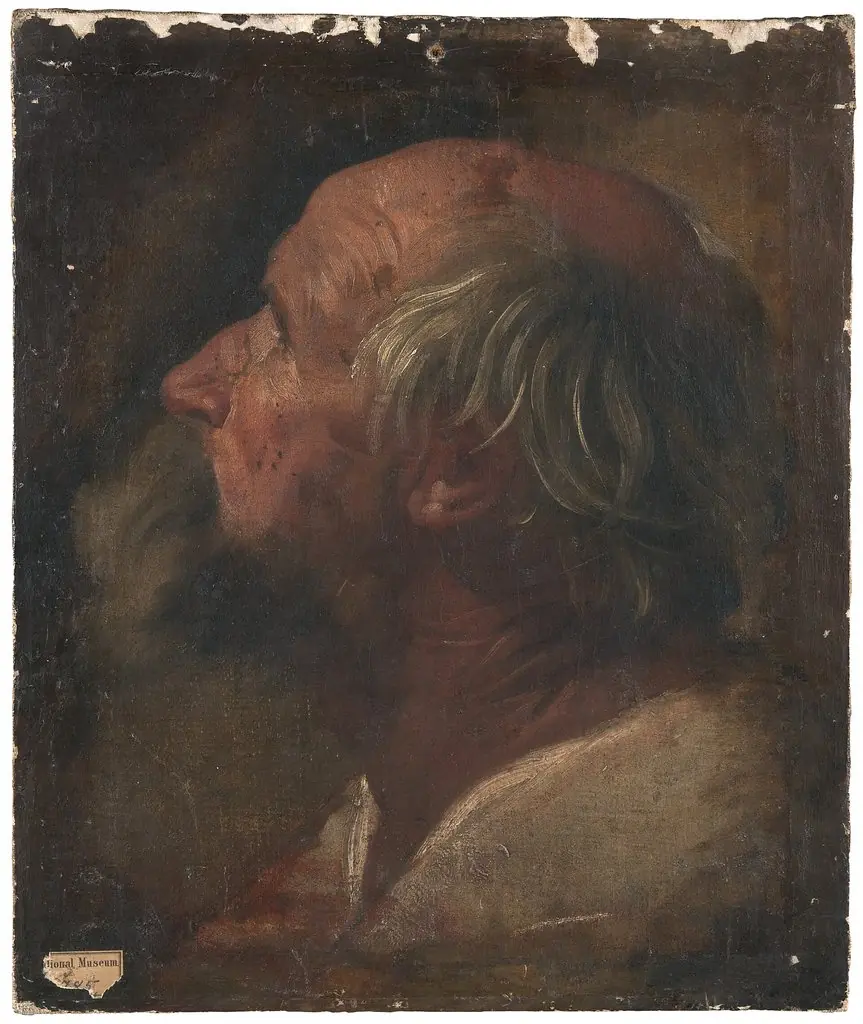
Painted in 1817, this oil portrait by Bruno Van Hollebeke presents a man in formal attire against a dark, unadorned background. The work is part of the Groeningemuseum’s collection and exemplifies early 19th-century Flemish portraiture. Its restrained palette and focused lighting reflect a deliberate emphasis on the subject’s presence rather than environmental detail.
Subject & Meaning
The sitter, identified only by his appearance, wears a dark jacket, white shirt, and tie, suggesting middle- or upper-class status. His direct gaze and solemn expression convey introspection or dignity. The absence of symbolic objects or contextual clues invites interpretation centered on character rather than identity, aligning with a tradition of psychological portraiture.
Technique & Style
Van Hollebeke employs visible brushwork and chiaroscuro to model the face, drawing attention to the sitter’s features against the shadowed background. The contrast between the illuminated skin and the deep tones of the clothing enhances volume and depth. The paint is applied with a controlled yet tactile hand, avoiding idealization in favor of a naturalistic rendering.
History & Provenance
The painting has remained in institutional custody since at least the 19th century, entering the Groeningemuseum’s holdings as part of its regional art collection. No documented changes in ownership or significant restorations are recorded, suggesting stable preservation. Its inclusion in the museum underscores its value as a representative work of Flemish portraiture from the period.
Context
Created during a time when portraiture in the Low Countries emphasized individuality over grandeur, this work reflects a shift toward intimate, psychologically grounded depictions. Van Hollebeke’s approach aligns with contemporaneous artists who favored subdued tones and direct engagement, moving away from aristocratic ornamentation toward quieter, more personal expression.
Legacy
Though not widely published or reproduced, the portrait contributes to the understanding of regional portraiture in early 19th-century Belgium. It stands as an example of how lesser-known artists sustained a tradition of observational realism, preserving the visual culture of their time without reliance on fame or dramatic flair.
Artist & collection