Artwork
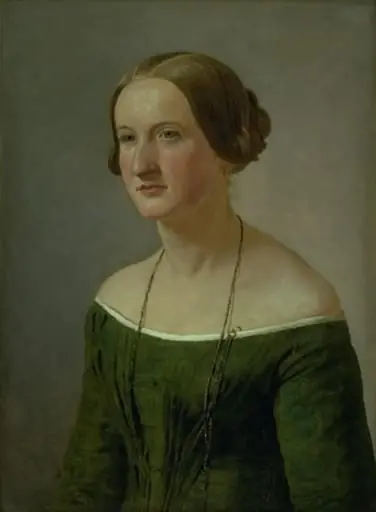
Portret van mevrouw Charles Van der Beeck-Bouvy
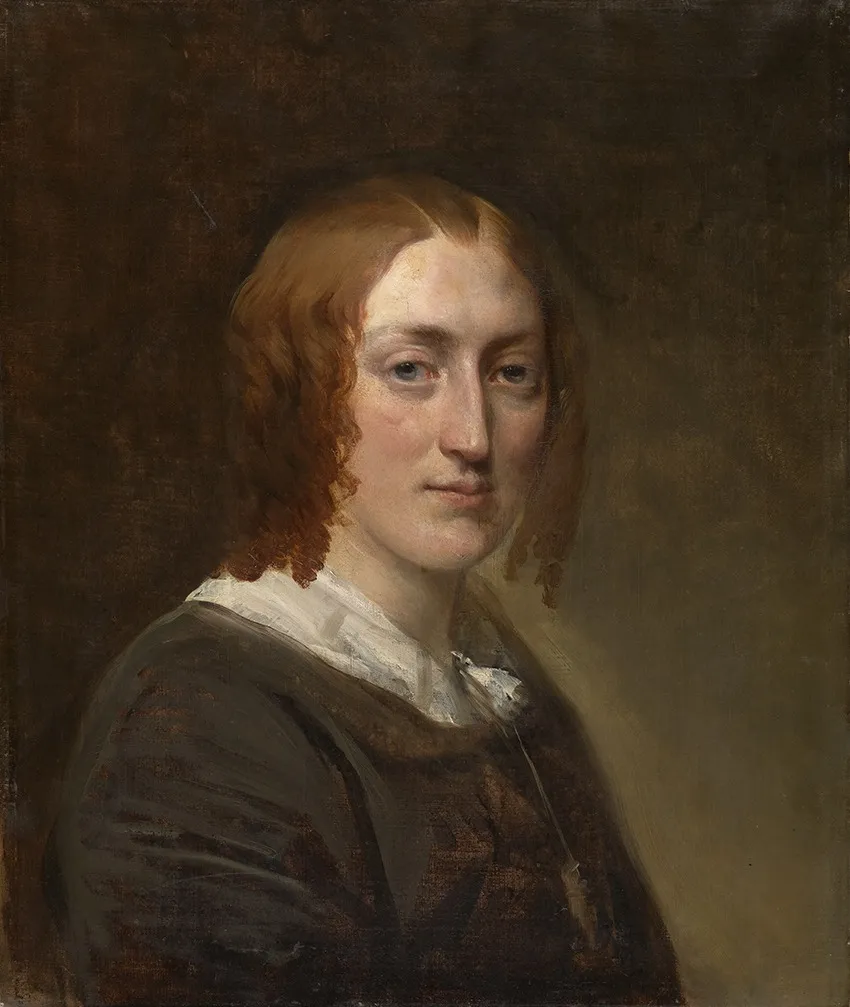
Portret van mevrouw Charles Van der Beeck-Bouvy is an oil painting by Bruno Van Hollebeke. It dates from 1817 and is held in the collection of the Groeningemuseum.
About this work
Overview
Painted in 1817 by Bruno Van Hollebeke, this oil portrait portrays a woman identified as Madame Charles Van der Beeck-Bouvy. The work is part of the permanent collection at the Groeningemuseum in Bruges. Its restrained composition and muted palette reflect the quiet dignity typical of early 19th-century Belgian portraiture, emphasizing the sitter’s presence without ornamental distraction.
Subject & Meaning
The subject, a woman of modest social standing, is rendered with calm composure. Her red hair and dark attire suggest a deliberate contrast meant to draw attention to her face and expression. The absence of jewelry or elaborate setting implies an emphasis on personal character rather than status, conveying an introspective, private moment rather than public display.
Technique & Style
Van Hollebeke employs soft brushwork and a limited color range to achieve a subdued realism. The dark background isolates the figure, enhancing focus on her facial features and the texture of her dress. Light falls gently across her skin and hair, modeling form without dramatic chiaroscuro. The simplicity of her hairstyle and clothing aligns with Neoclassical ideals of restraint and naturalism.
History & Provenance
The painting has remained in institutional custody since its creation, entering the Groeningemuseum’s collection in the 19th century. No records indicate prior ownership or exhibition beyond local circles. Its preservation in a regional museum suggests it was valued locally, possibly as a family commission later acquired for public display.
Context
Created during the post-Napoleonic era in the Southern Netherlands, the portrait reflects a cultural shift toward intimate, individualized representation. While grand historical or aristocratic portraiture dominated elsewhere, regional artists like Van Hollebeke focused on middle-class subjects, capturing quiet dignity in everyday life amid evolving social norms.
Legacy
Though not widely known outside regional art circles, the portrait stands as a representative example of early 19th-century Flemish portraiture. It contributes to the understanding of how non-elite individuals were visually documented during a period of transition, preserving a personal presence that might otherwise have been lost to history.
Artist & collection

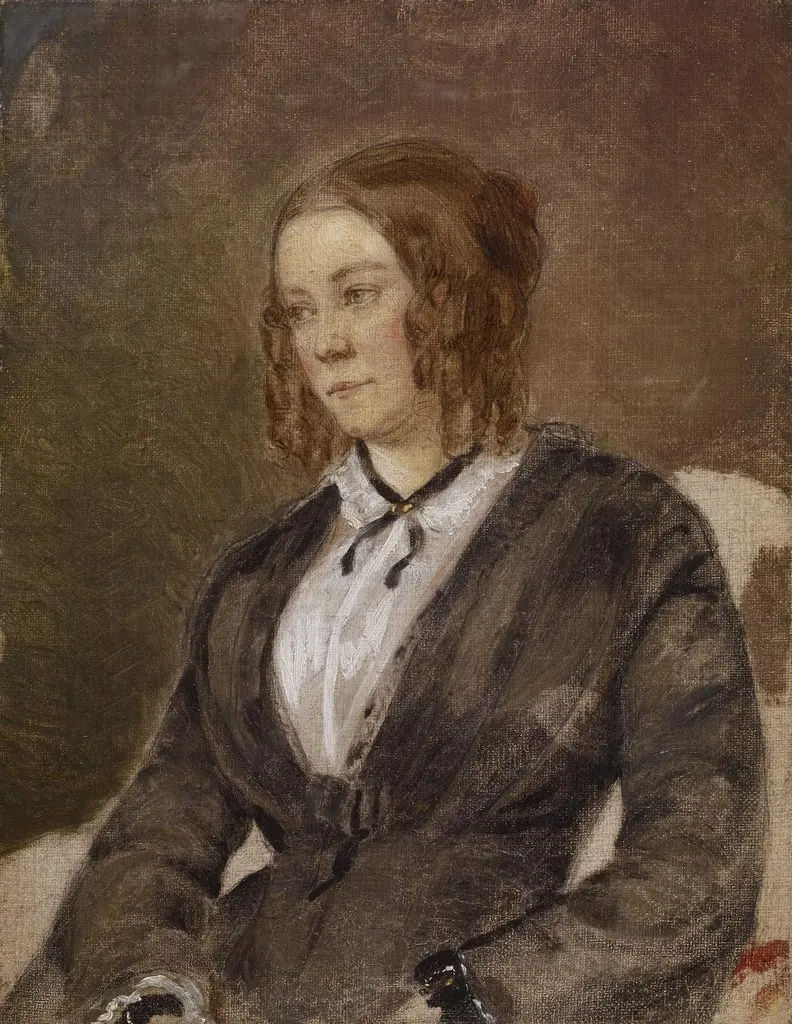 Portrait of a Seated Woman
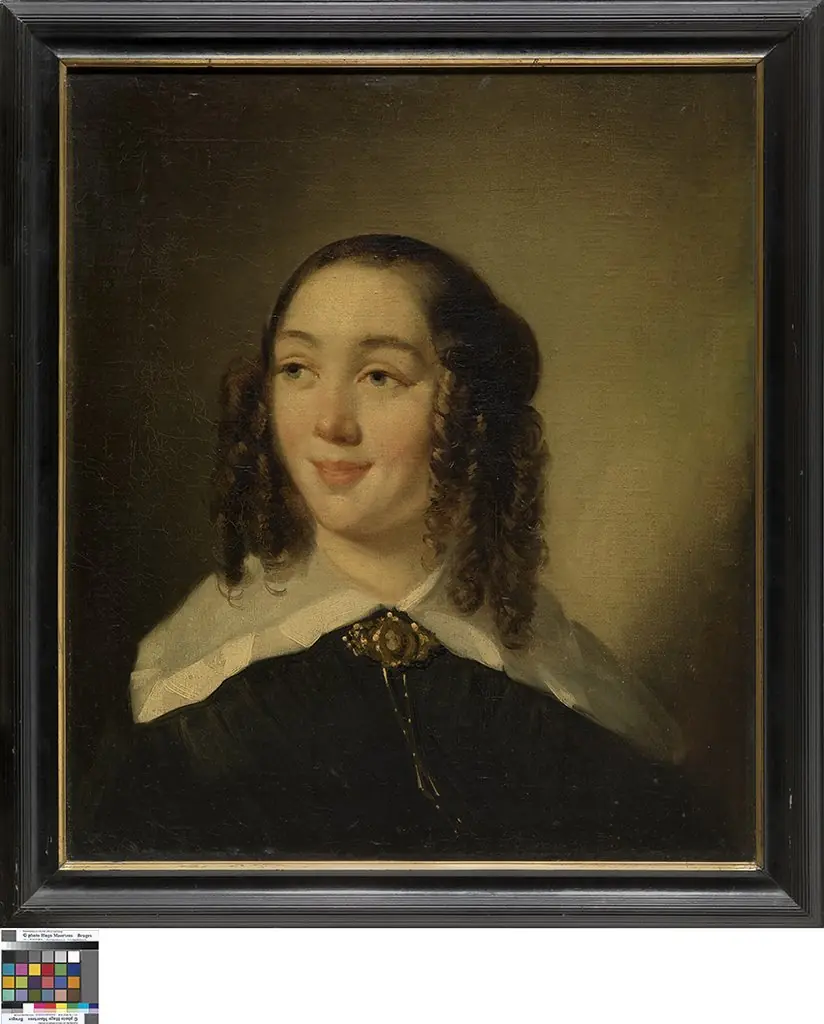 Portret van een vrouw
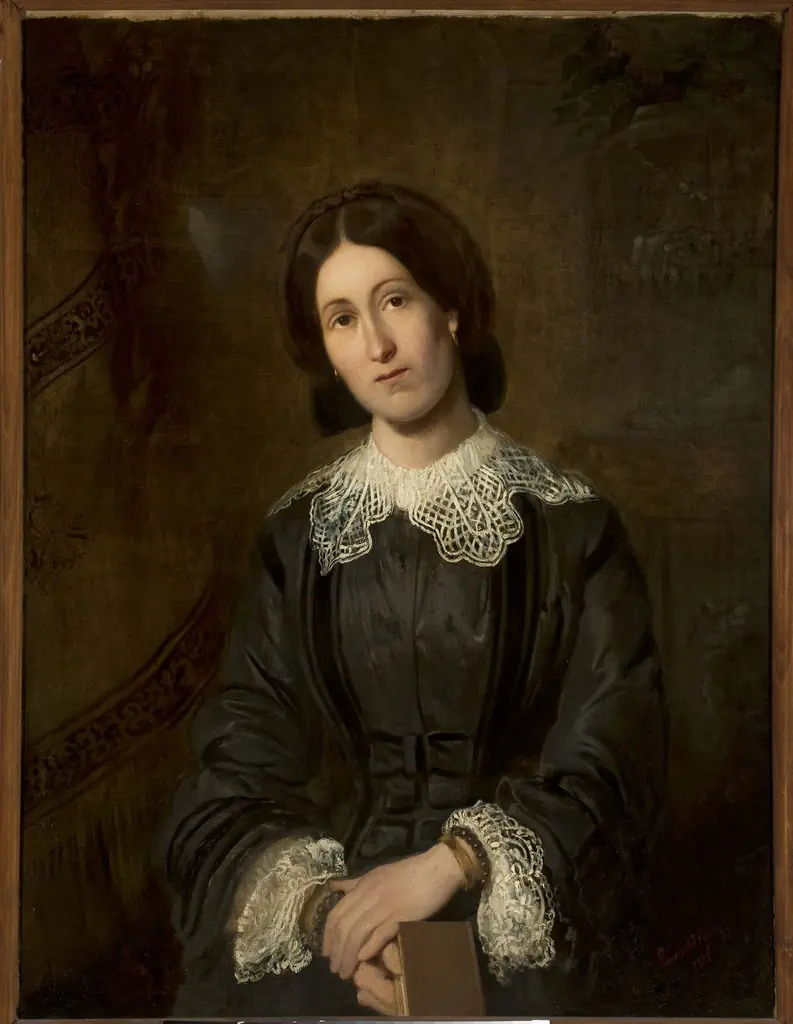 Portrait of Lucyna Łuszczkiewicz, artist’s sister
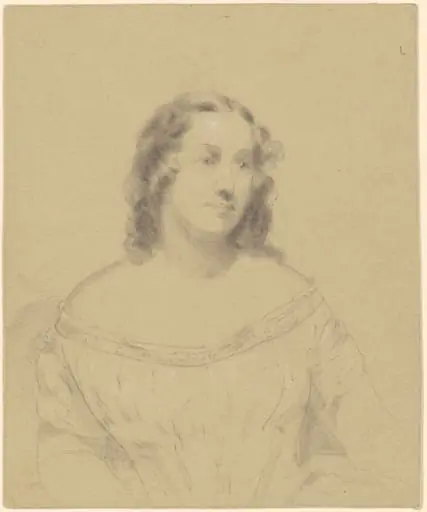 Mrs. Sylvanus D. Lewis (Estelle Anna Blanche Robinson)
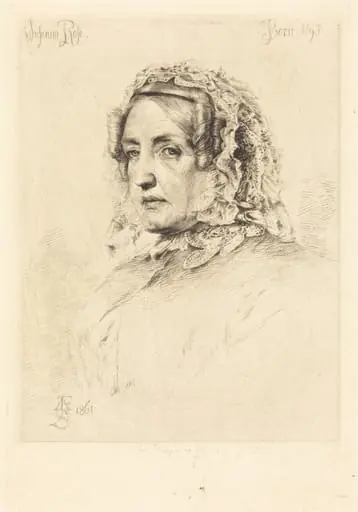 Suzanna Rose
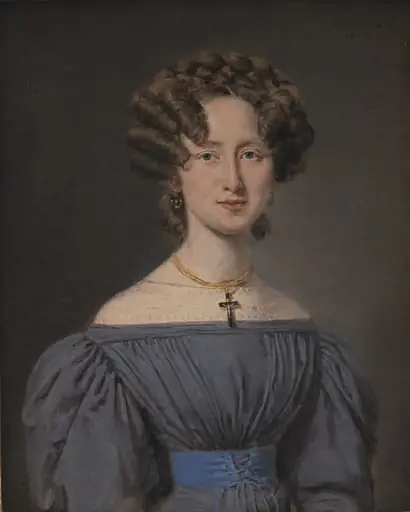 Cecilie Lønborg, gift 1830 med skibsintendant Theodor Emil Ludvigsen
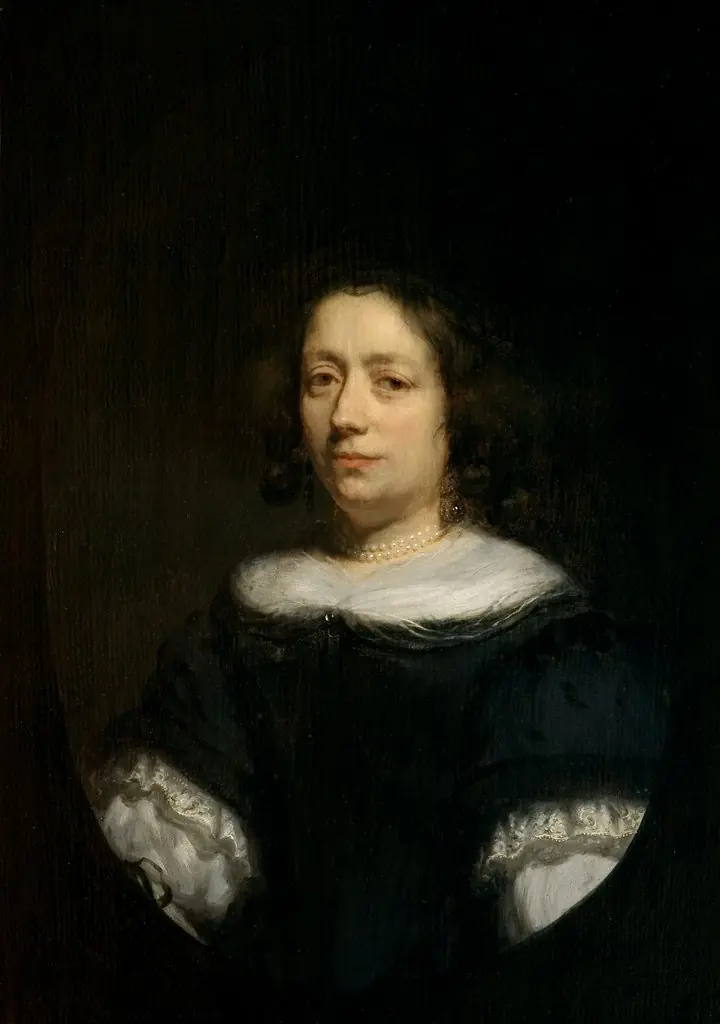 Portrait of a Woman
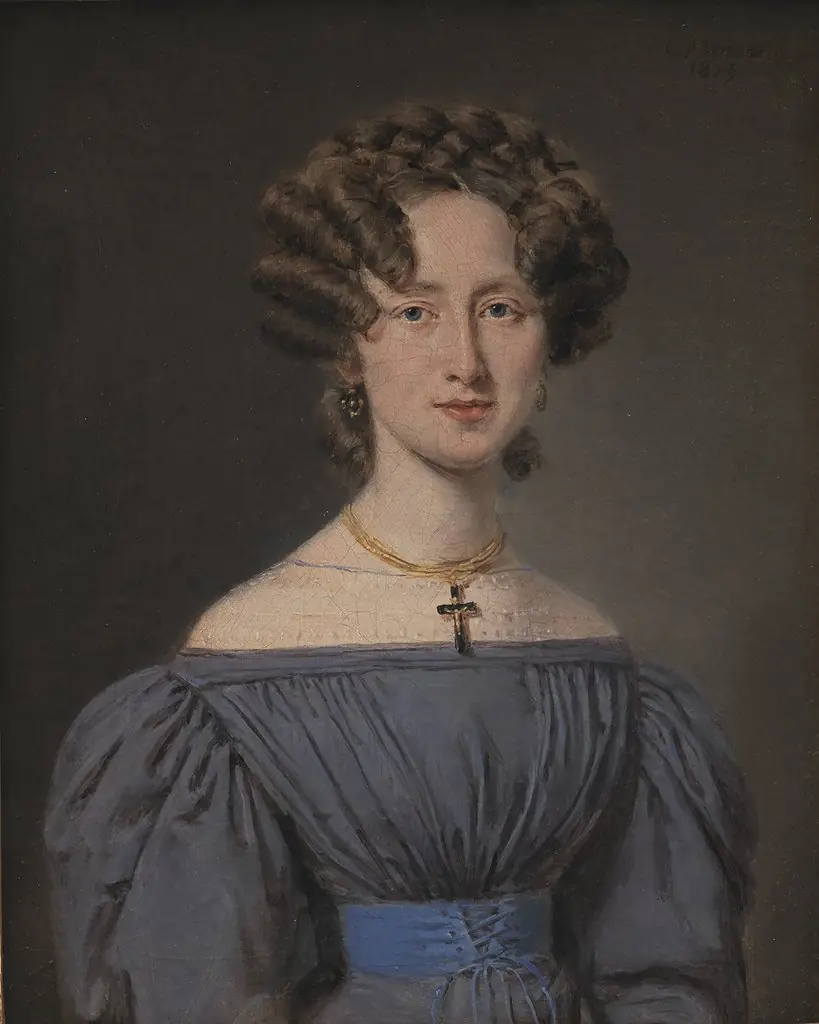 Cecilie Lønborg, gift 1830 med skibsintendant Theodor Emil Ludvigsen
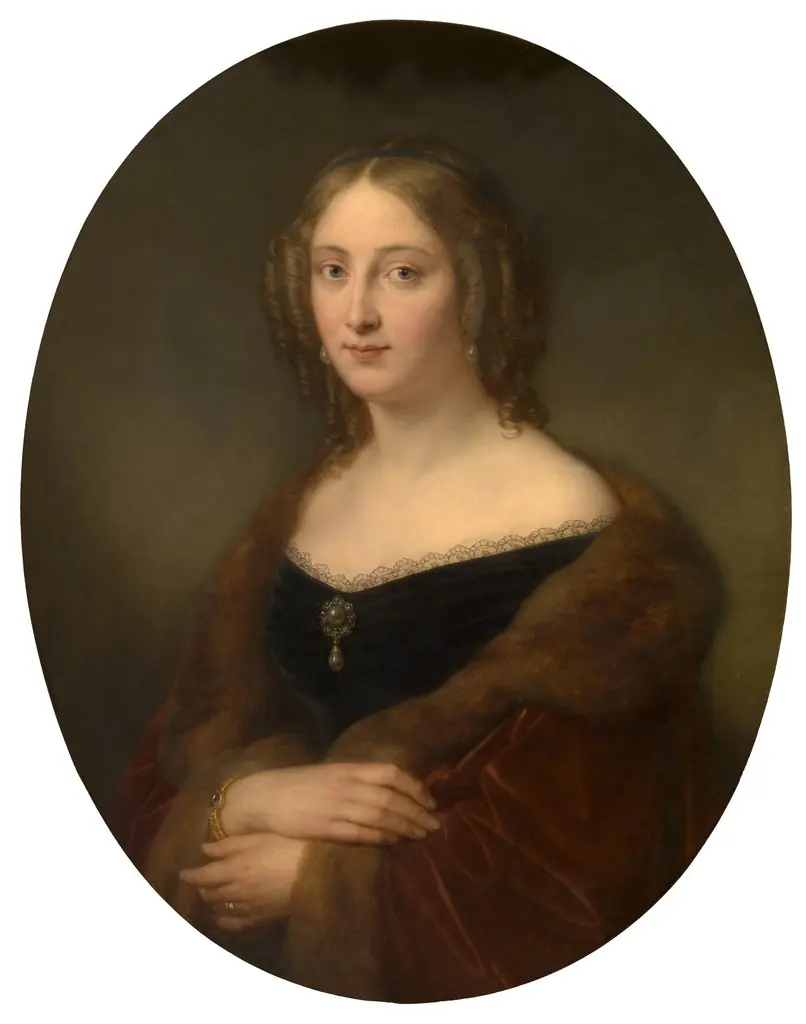 Baroness Adelaïde Vanden Hecke-Baut de Rasmon
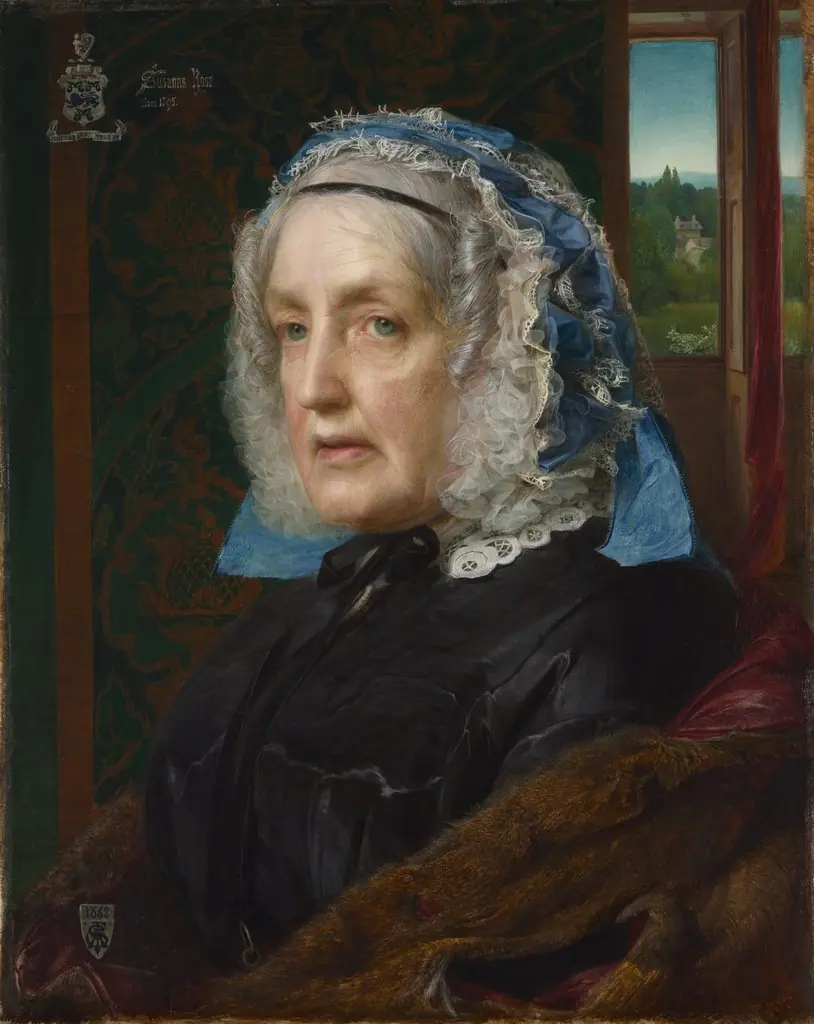 Susanna Anderson Rose
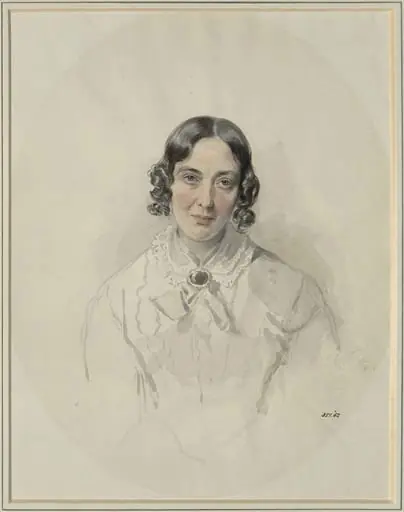 Portrait of Mrs Milnes
 Portrait of the Artist´s Cousin, Petrea Petersen