Artwork
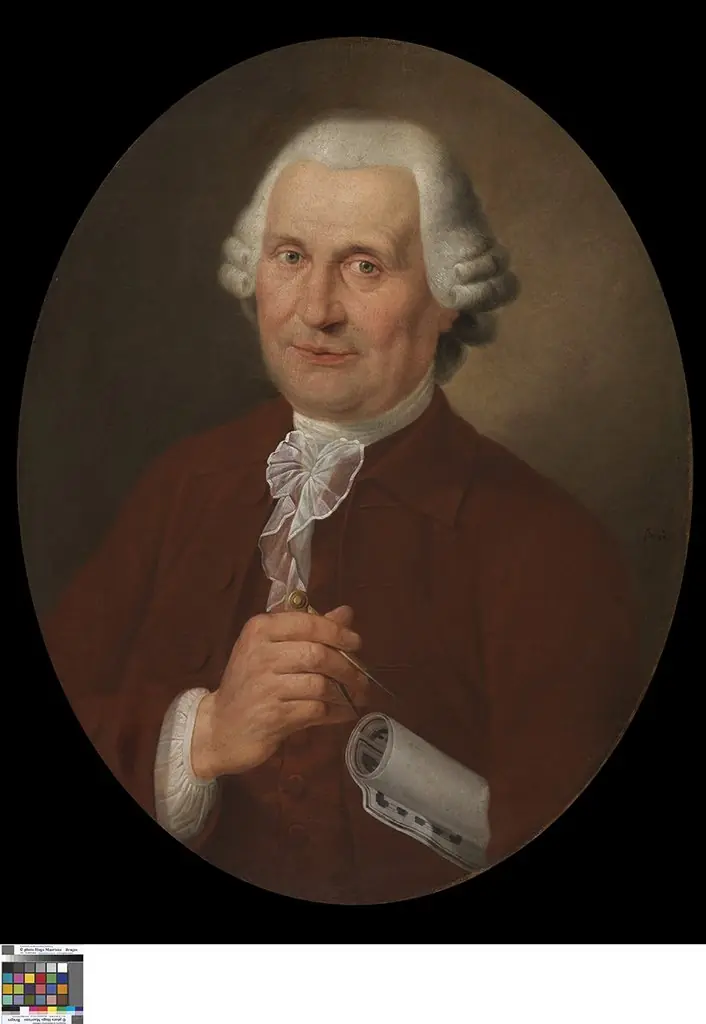
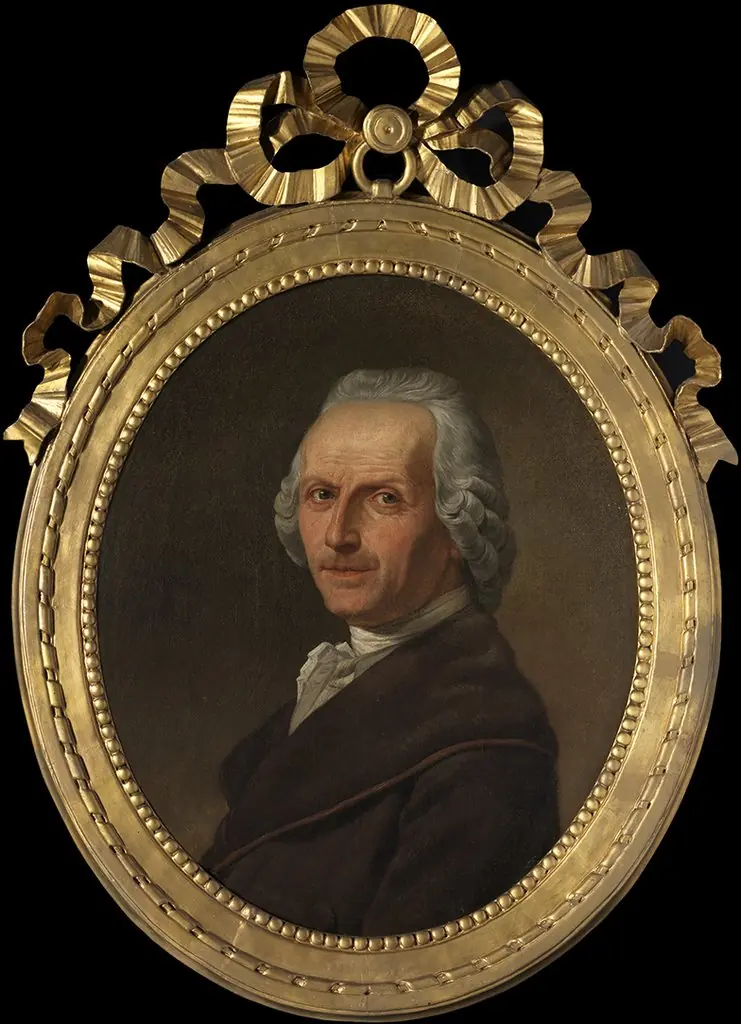
Head of an old man
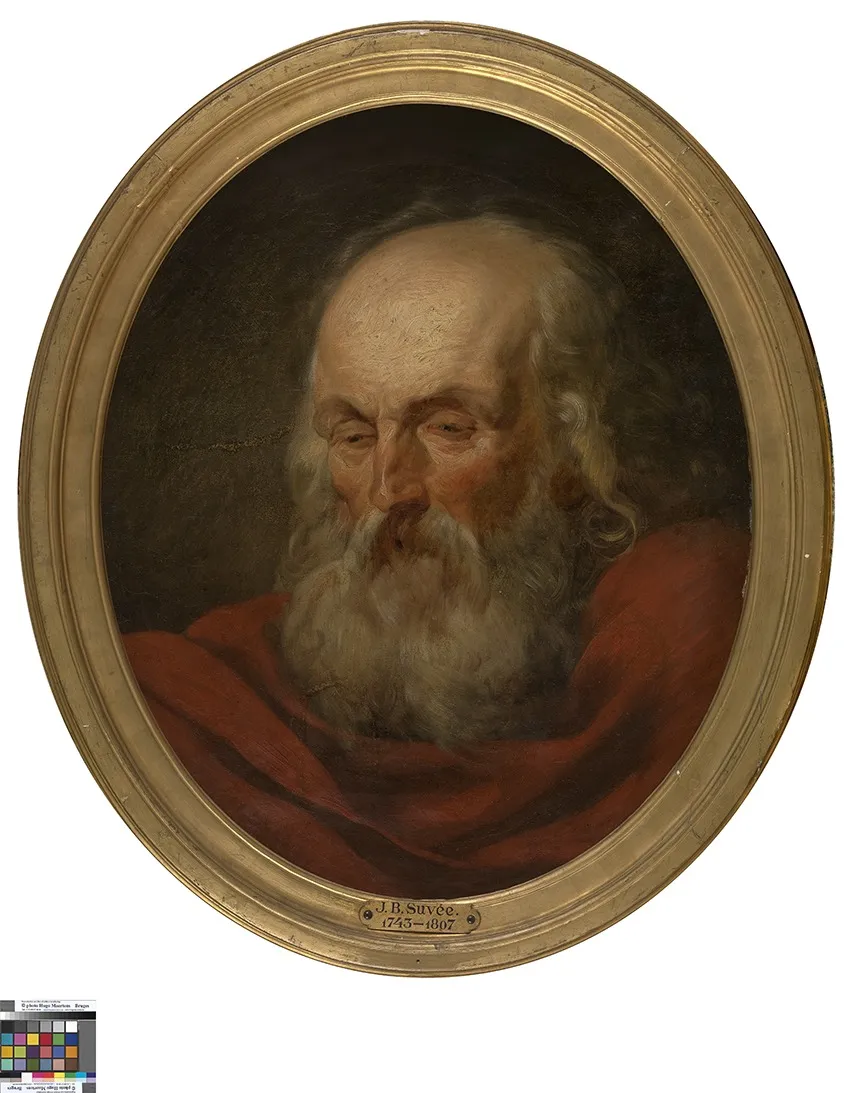
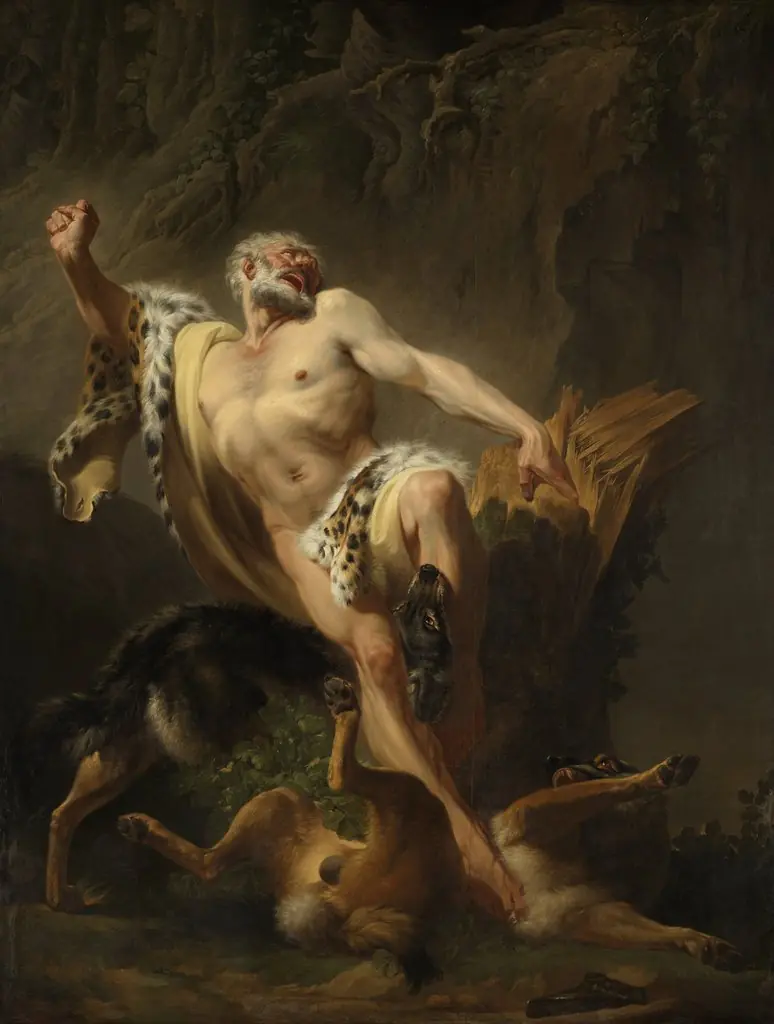
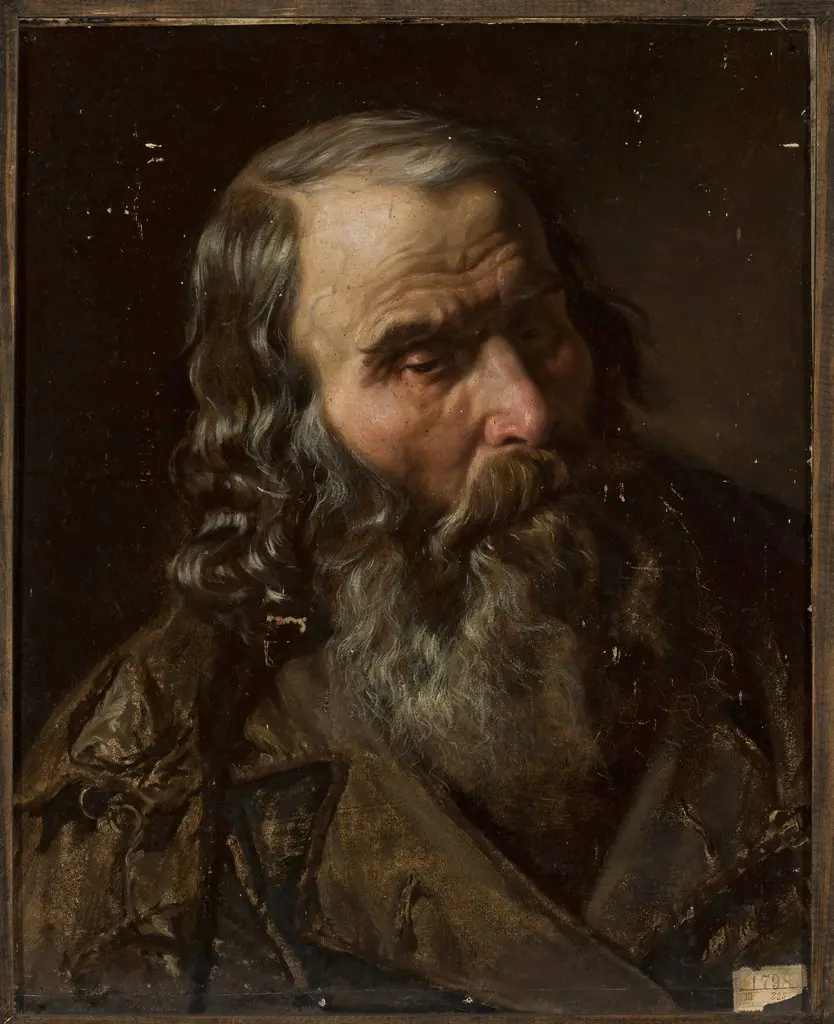
Head of an old man is an oil painting by the Rococo painting artist Joseph-Benoît Suvée. It dates from 1771 and is held in the collection of the Groeningemuseum.
About this work
Overview
Suvée, trained in Flanders and influenced by French academic traditions, focused here on a solitary figure rather than a narrative scene.
Painted in 1771 by Joseph-Benoît Suvée, this oil portrait captures the head of an elderly man with quiet intensity. Suvée, trained in Flanders and influenced by French academic traditions, focused here on a solitary figure rather than a narrative scene. The work belongs to the Groeningemuseum’s collection and exemplifies a transitional moment in 18th-century portraiture, bridging Rococo sensibility with emerging neoclassical restraint.
Subject & Meaning
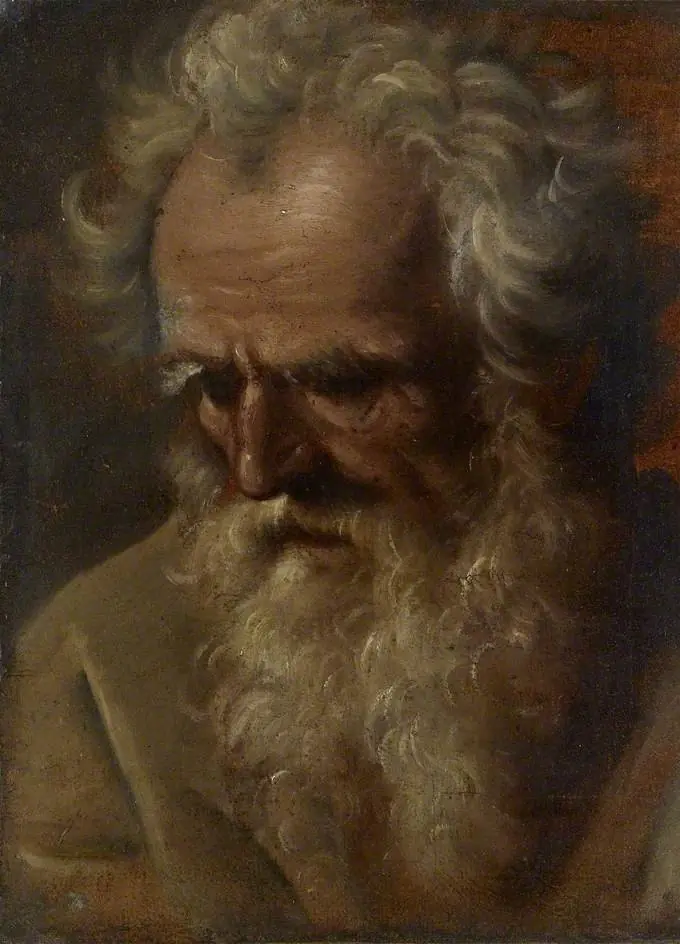
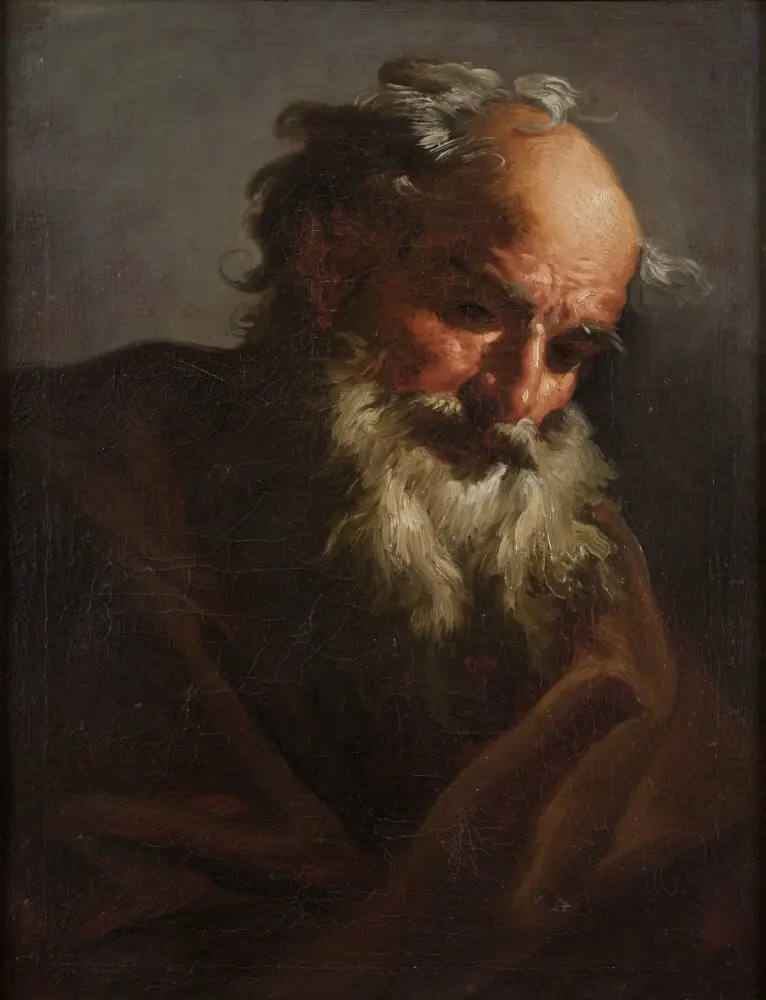
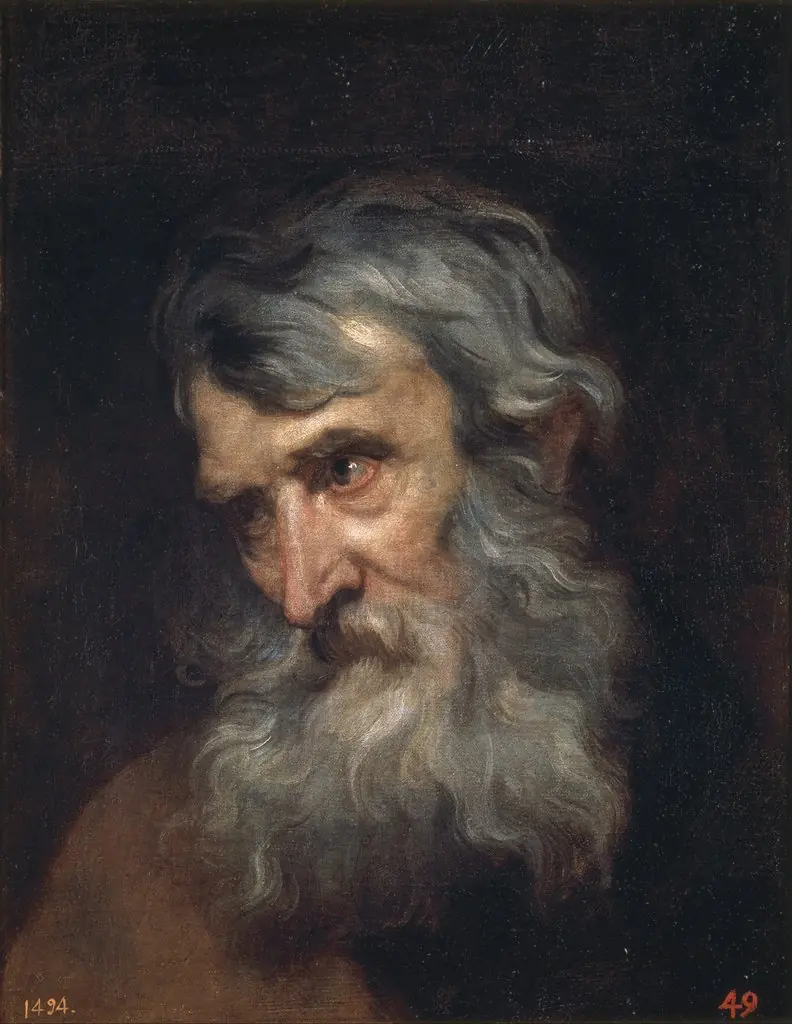
The subject is an aging man, his face marked by time and expression. His thick beard and furrowed brow suggest a life of experience, though no identity is recorded. The absence of context or symbolism shifts focus entirely to the human presence. The gaze is inward, evoking introspection rather than narrative, inviting quiet engagement with the passage of time and the dignity of age.
Technique & Style
Suvée employed chiaroscuro to model the face with subtle gradations of light and shadow, enhancing volume without dramatic contrast. The red robe provides a restrained accent against a neutral background, drawing attention to the head. Brushwork is precise yet fluid, particularly in the rendering of hair and beard, where individual strands suggest texture without overstatement. The palette remains muted, emphasizing tonal harmony over coloristic flourish.
History & Provenance
Created in 1771, the painting entered the Groeningemuseum’s holdings through documented acquisitions in the 19th or early 20th century. While its early ownership is unrecorded, its presence in the museum’s collection since at least the 1900s confirms its recognized value within Flemish art history. No evidence suggests it was commissioned; it likely served as a study or personal exploration of character.
Context
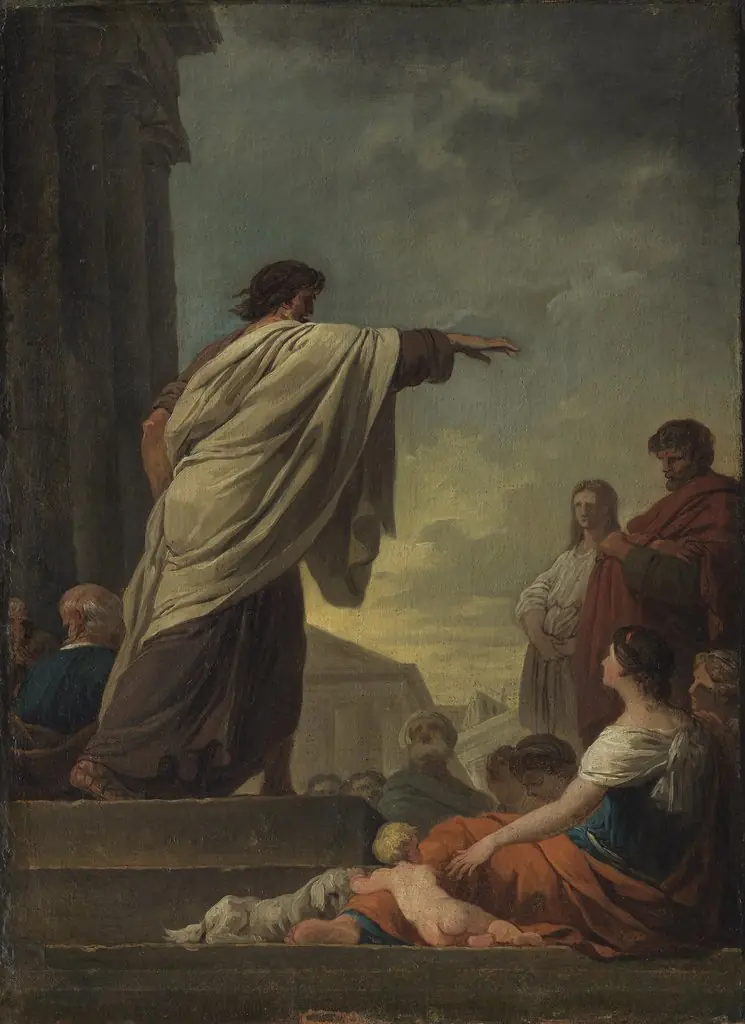
In the decade before the French Revolution, European portraiture increasingly favored psychological depth over ornamentation. Suvée, though rooted in Flemish traditions, absorbed the rational clarity of French neoclassicism. This portrait reflects that shift: it rejects Rococo frivolity, yet retains a human warmth absent in colder academic works. It stands as a quiet counterpoint to grand historical or aristocratic subjects of the era.
Legacy
Though not widely reproduced, the painting contributes to understanding Suvée’s development as an artist navigating between regional styles and international trends. It illustrates how portraiture could convey emotional weight without spectacle. Today, it remains a modest but significant example of late 18th-century Flemish realism, valued for its sincerity and technical discipline.
Artist & collection
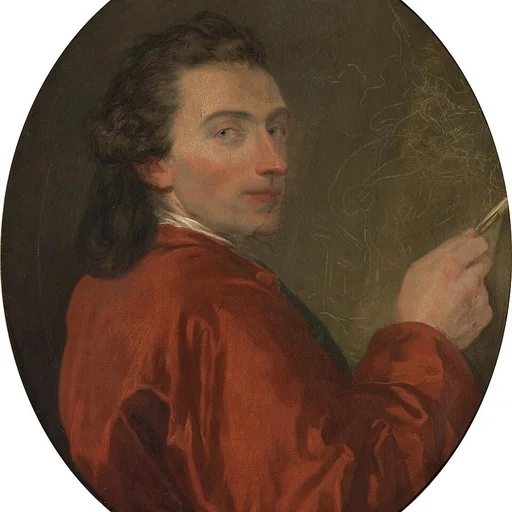
Artist
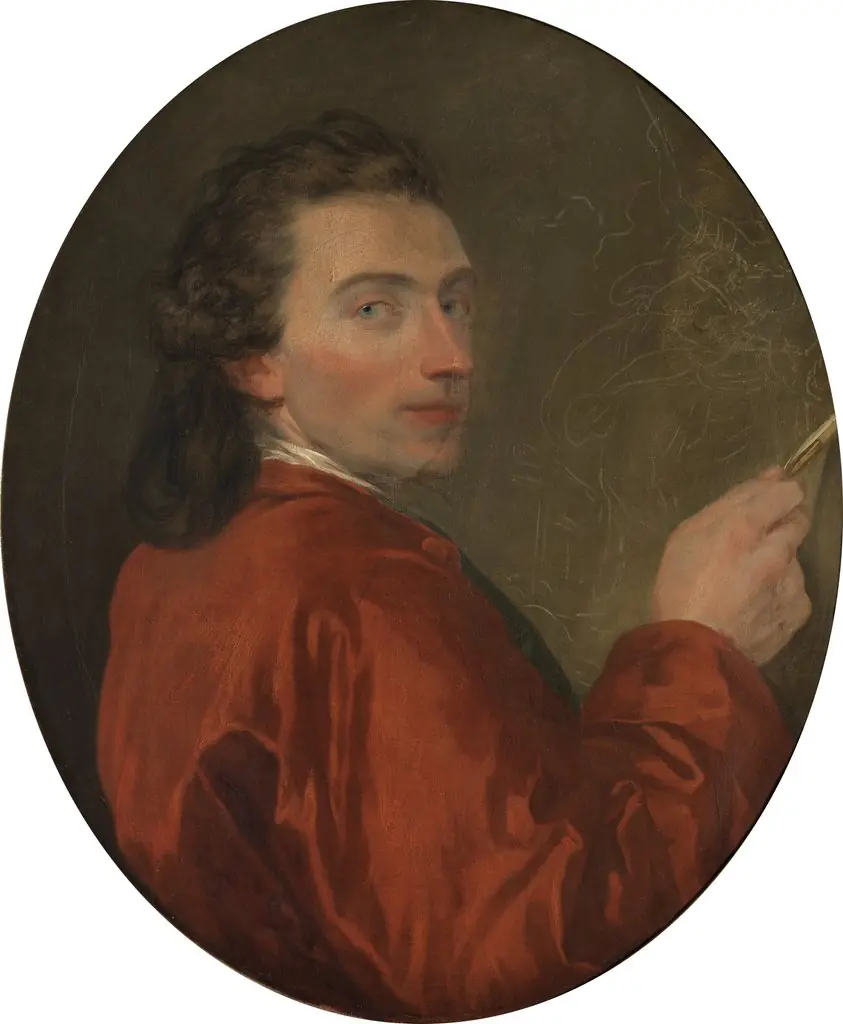
Joseph-Benoît Suvée (3 January 1743 – 9 February 1807) was a Flemish painter strongly influenced by French neo-classicism.