Artwork
Miss de la Grange
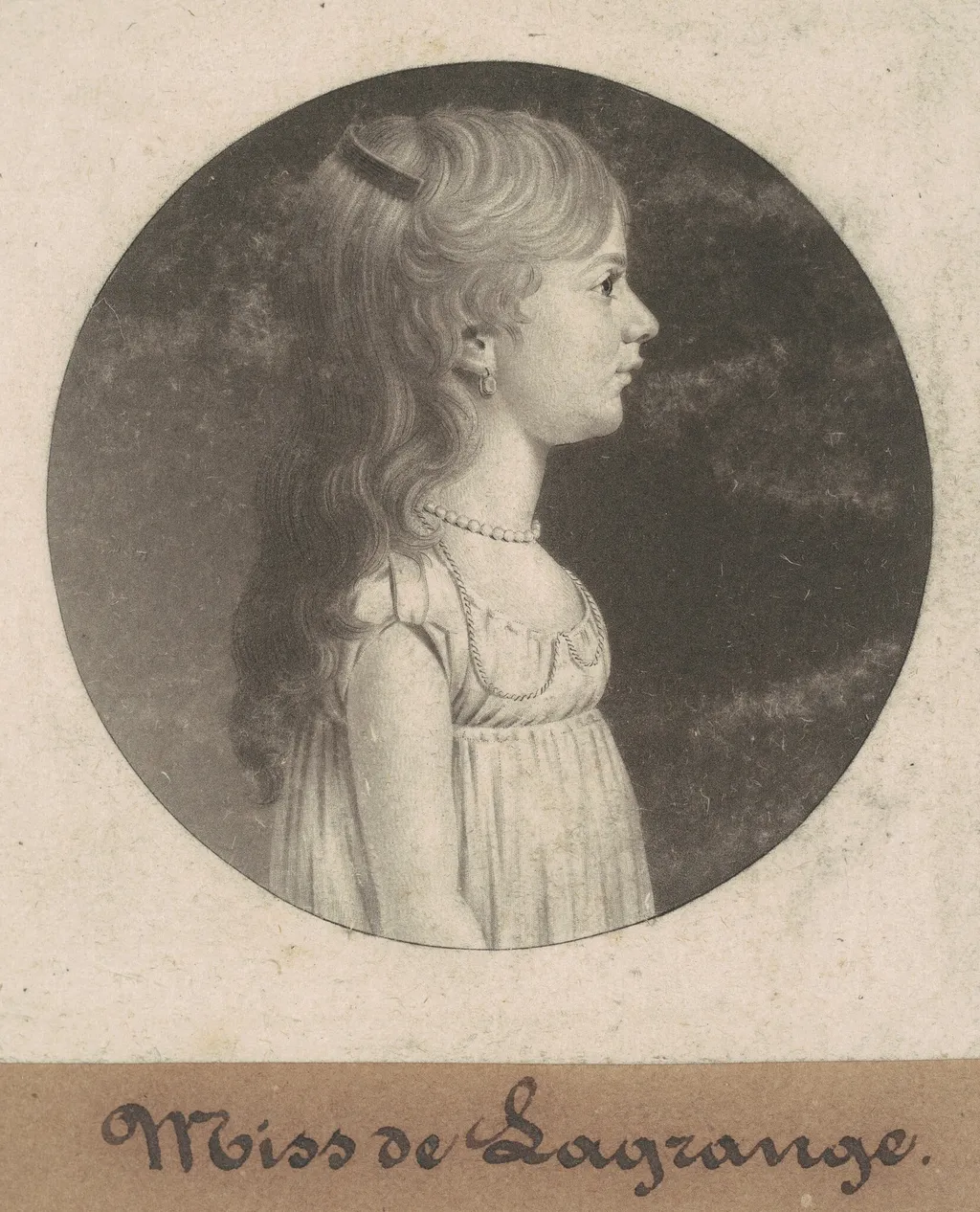
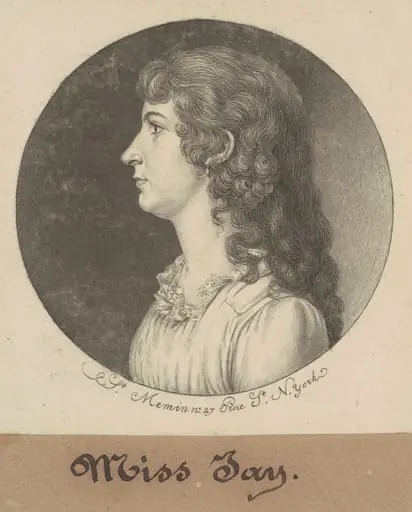
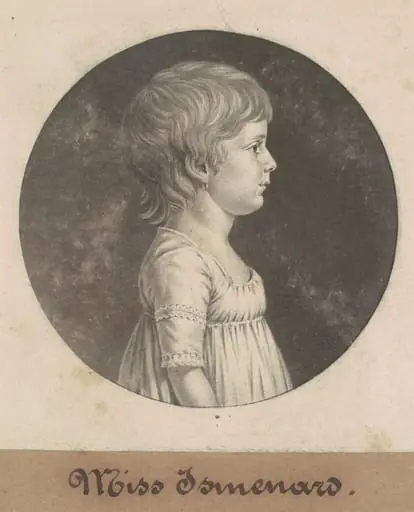
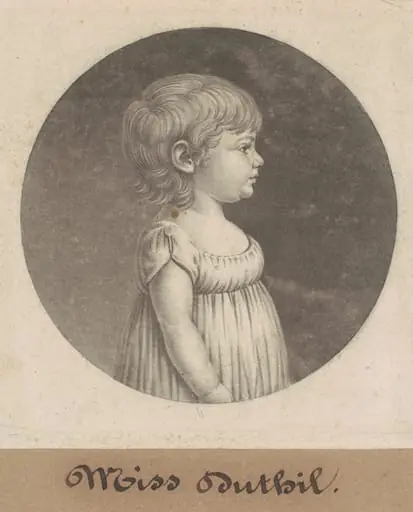
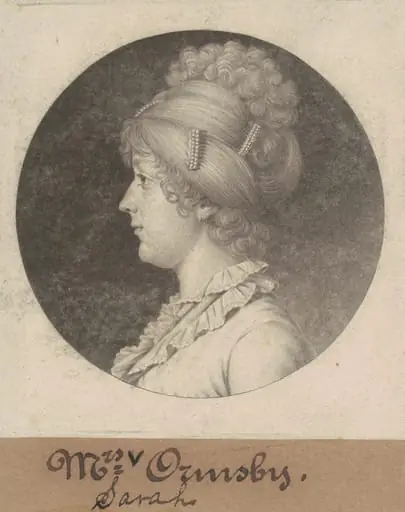
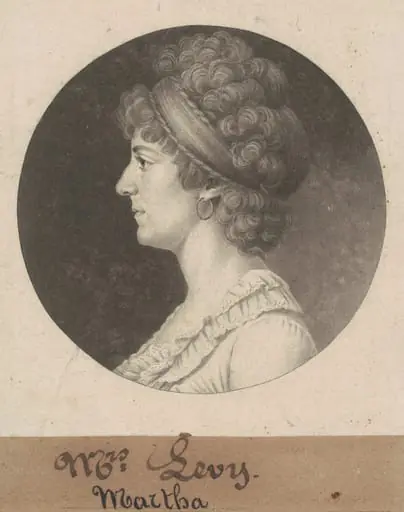
Miss de la Grange is an ink print by the Romanticist artist Charles Balthazar Julien Févret de Saint-Mémin. It dates from 1802 and is held in the collection of the National Gallery of Art. Created in 1802 by Charles B.
About this work
Overview
Févret de Saint-Mémin, this small portrait is a mezzotint and engraving on wove paper, mounted to a brown wove support.
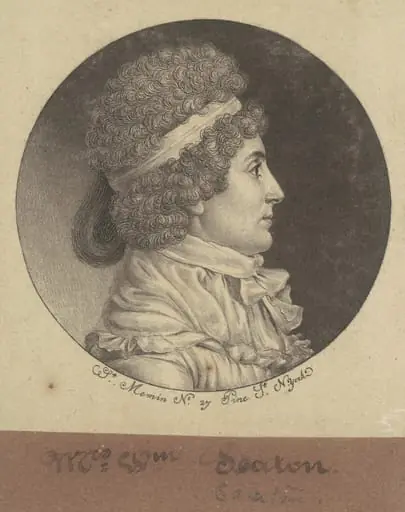
Created in 1802 by Charles B. J. Févret de Saint-Mémin, this small portrait is a mezzotint and engraving on wove paper, mounted to a brown wove support. Measuring just over five centimeters square, it belongs to the Corcoran Collection. The work exemplifies the precision required in miniature portraiture during the early 19th century, executed in monochrome to emphasize form and texture over color.
Subject & Meaning
The subject is a young woman identified as Miss de la Grange, portrayed with quiet composure. Her attire reflects early 1800s fashion, with a high waistline and delicate neckline typical of the Neoclassical era. The portrait conveys social refinement rather than narrative, serving as a personal keepsake or token of status, common among the French and American elite of the period.
Technique & Style
Saint-Mémin employed mezzotint and engraving to achieve fine detail in a compact format. The mezzotint process allowed subtle gradations of tone, while engraving defined sharp contours—particularly in the lace collar and hair. The small scale demanded exceptional control, reflecting the artist’s skill in translating likeness into minute, tactile impressions on metal plates.
History & Provenance
The print was produced in 1802, likely during Saint-Mémin’s time in the United States, where he specialized in portrait miniatures for wealthy patrons. It entered the Corcoran Collection in Washington, D.C., through the gallery’s 19th-century acquisitions of American and European prints. Its preservation on mounted paper suggests careful handling and display in private or institutional settings.
Context
In the early 1800s, mezzotint portraits were valued for their ability to capture likenesses with tonal richness, especially before photography. Saint-Mémin, a French émigré, became a leading practitioner in America, blending European techniques with American clientele. This work reflects the transatlantic exchange of artistic methods and the demand for intimate, portable portraiture among the educated classes.
Legacy
Though not widely exhibited, the print remains a representative example of Saint-Mémin’s miniature portraiture. It contributes to scholarly understanding of early American print culture and the adaptation of European techniques in a new cultural context. Its survival in a major collection underscores its role as a document of social identity and technical craftsmanship in the pre-photographic era.
Artist & collection

Artist
Charles Balthazar Julien Févret de Saint-Mémin
Charles Balthazar Julien Févret de Saint-Mémin (French pronunciation: ; 1770–1852) was a French portrait painter and museum director.