Artwork
Architectural Motif with a Vase
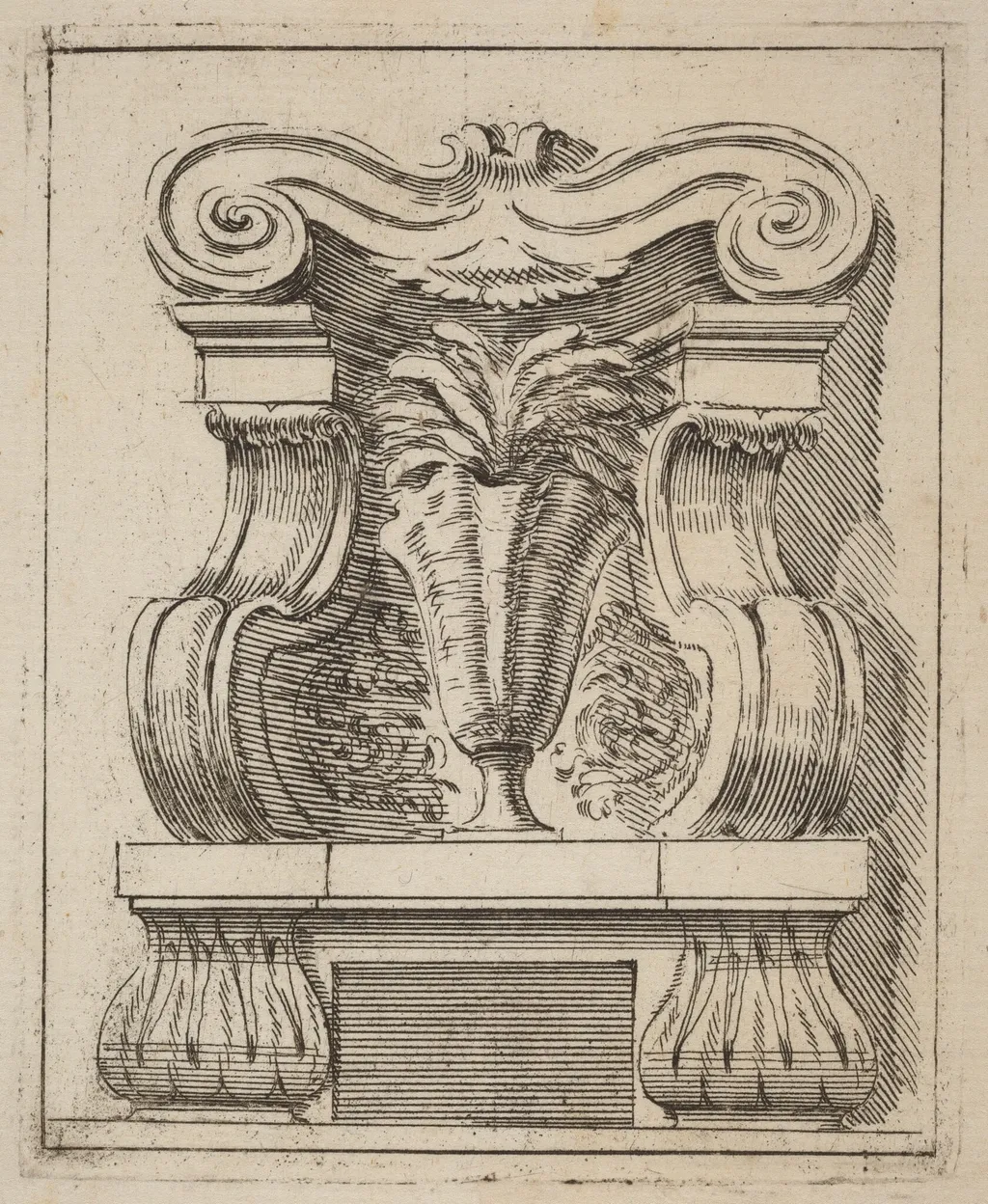
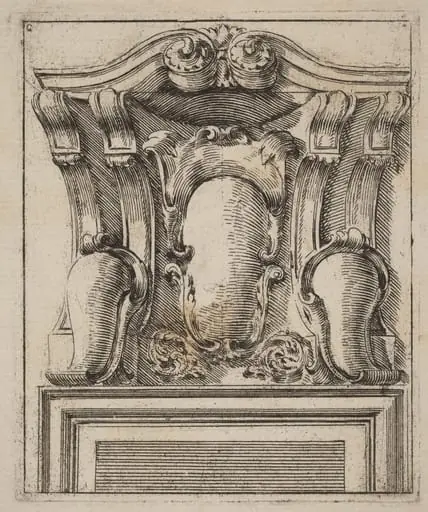
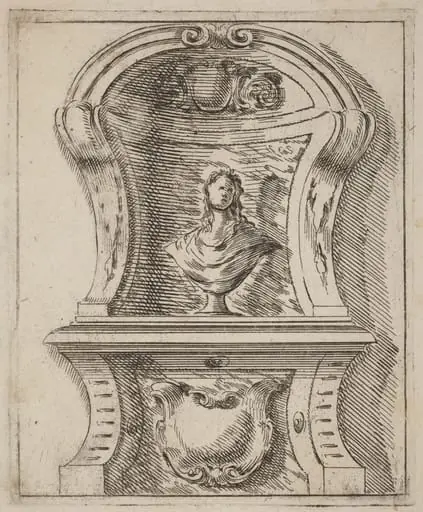
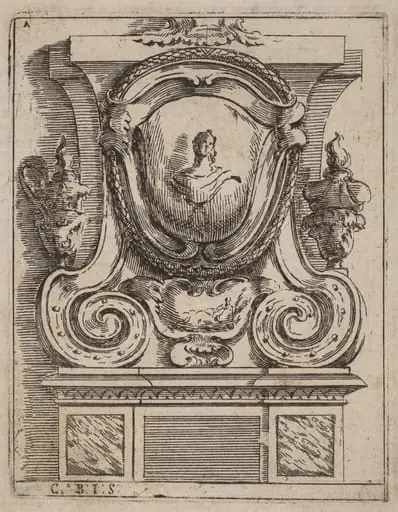
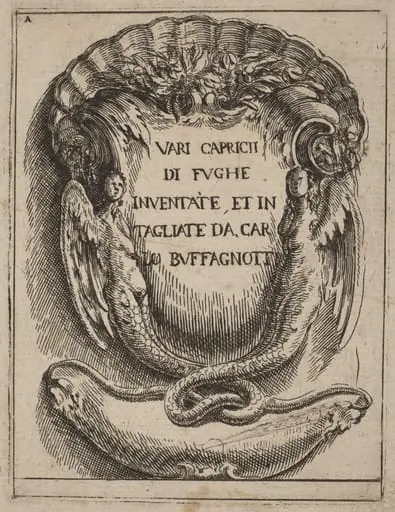
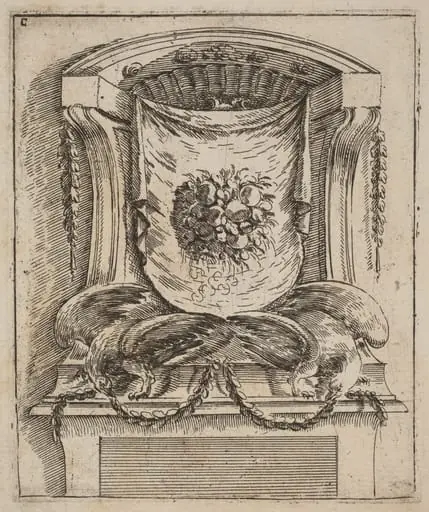
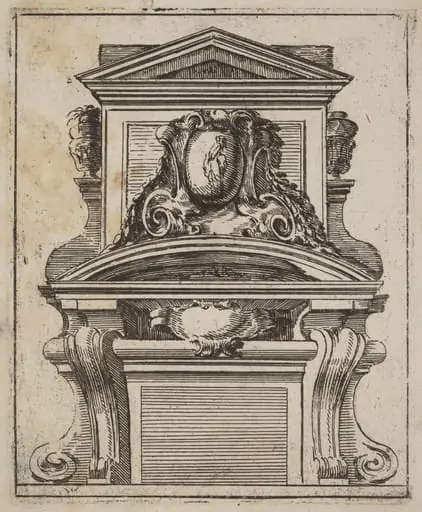
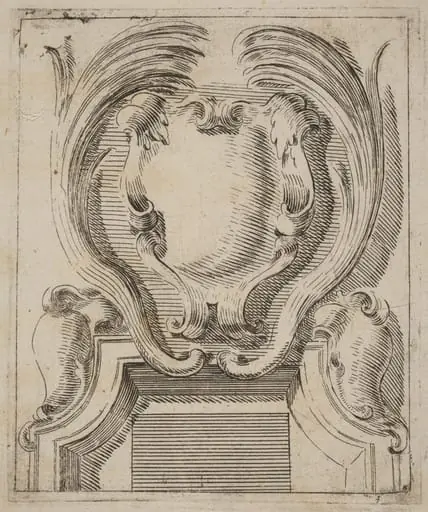
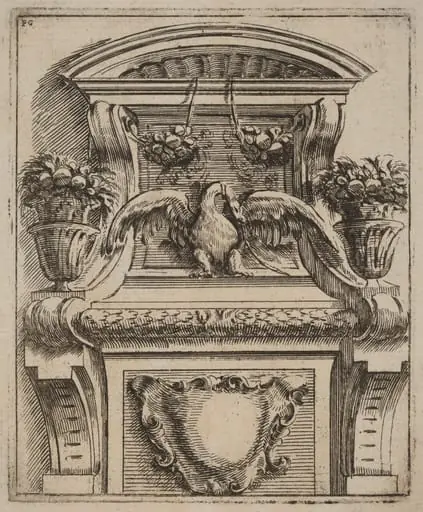
Architectural Motif with a Vase is an ink print by the Baroque artist Carlo Antonio Buffagnotti. It dates from 1690 and is held in the collection of the National Gallery of Art.
About this work
Overview
Its composition centers on a single ornamental structure, combining elements of sculpture and design in a controlled, intimate format.
Architectural Motif with a Vase is an etching on laid paper, dated around 1690, by the Italian artist Carlo Antonio Buffagnotti. The work belongs to the printmaking tradition of late 17th-century Rome, where architectural subjects were often rendered with precision to evoke classical grandeur. Its composition centers on a single ornamental structure, combining elements of sculpture and design in a controlled, intimate format.
Subject & Meaning
The image presents a stylized vase, containing a plant, placed atop a pedestal and flanked by two slender, decorated columns. Above, a scrolled capital unites the elements into a unified architectural fragment. Rather than depicting a real monument, the scene constructs an idealized interior detail, suggesting a cultivated space where nature and design coexist. It reflects a taste for refined, symbolic arrangements common in scholarly and aristocratic interiors.
Technique & Style
Buffagnotti employed fine, controlled etching lines to render textures of stone, metal, and foliage with meticulous detail. The contrast between light and shadow is subtle, achieved through varying line density rather than bold chiaroscuro. The composition is symmetrical and contained, emphasizing order and balance. The technique aligns with the academic tradition of architectural drawing, prioritizing clarity and craftsmanship over dramatic effect.
History & Provenance
The print was likely produced in Rome during Buffagnotti’s active years, possibly as part of a series of architectural studies. While no early ownership records are widely documented, similar prints from this period circulated among collectors and architects interested in classical motifs. Its survival in institutional collections suggests it was valued for its technical precision and decorative appeal.
Context
Created in the late Baroque era, the work reflects Rome’s enduring fascination with antiquity, even as the style evolved toward more ornate expressions. Unlike grand frescoes or monumental sculpture, this etching offered a portable, intimate encounter with classical forms. It catered to a growing market of connoisseurs who collected prints as both artistic and intellectual objects, bridging scholarly interest and aesthetic appreciation.
Legacy
Buffagnotti’s etching contributes to a broader corpus of architectural prints that preserved and disseminated classical motifs across Europe. Though not widely known today, such works influenced later generations of designers and engravers seeking models for ornamentation. Its quiet precision stands as a testament to the enduring role of printmaking in transmitting architectural ideals beyond the realm of built monuments.
Artist & collection