Artwork
Estuary with a Fortified Seaport at Left and Cliffs at Right
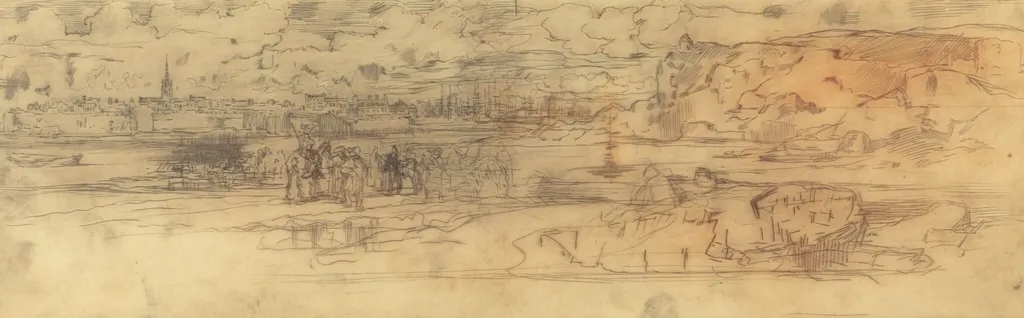
Estuary with a Fortified Seaport at Left and Cliffs at Right is a print by the Impressionist artist Félix-Hilaire Buhot. It dates from 1882 and is held in the collection of the National Gallery of Art.
About this work
Overview
The work belongs to a series of observational sketches where Buhot explored the interplay of land, sea, and human settlement through spontaneous mark-making.
Created around 1882, this gelatin sheet print by Félix-Hilaire Buhot captures a coastal scene with minimal finish, emphasizing immediacy over polish. The work belongs to a series of observational sketches where Buhot explored the interplay of land, sea, and human settlement through spontaneous mark-making. Its rough texture and unfinished quality reflect the artist’s interest in capturing transient atmospheric conditions rather than idealized landscapes.
Subject & Meaning
The composition divides the view between a fortified port town on the left and rugged cliffs on the right, framing a narrow estuary. Boats near the shore suggest quiet maritime activity, while the absence of figures underscores a sense of solitude. The fortified structures imply historical function, but the focus remains on the natural terrain and the sea’s restless surface, evoking a mood of quiet endurance rather than narrative drama.
Technique & Style
Buhot employed quick, fluid lines and subtle tonal washes to suggest form without definition. The gelatin medium allowed for layered, translucent effects, enhancing the sense of moisture and movement in the water. Textured paper further contributes to the tactile quality, reinforcing the sketch’s raw, on-site character. The lack of refined detail aligns with late 19th-century trends favoring direct observation over studio completion.
History & Provenance
This work emerged during Buhot’s active period of printmaking, when he increasingly turned to experimental techniques like gelatin transfers to capture urban and coastal scenes. Though not widely exhibited in his lifetime, it was preserved within his personal archive and later entered institutional collections as part of broader recognition of his graphic work. Its survival reflects its value as a document of his method rather than a commercial product.
Context
In the 1880s, French artists increasingly turned to everyday landscapes and informal subjects, rejecting academic grandeur. Buhot’s sketches responded to this shift, aligning with contemporaries who valued the authenticity of rapid observation. His use of non-traditional materials like gelatin sheets placed him at the edge of printmaking innovation, bridging drawing and print in ways that anticipated modernist approaches to the medium.
Legacy
Buhot’s estuary sketches, including this one, contributed to a redefinition of printmaking as a vehicle for personal expression rather than reproduction. Though less known than his urban scenes, these coastal studies reveal his sensitivity to light and texture. They remain referenced in studies of late 19th-century graphic art for their unembellished realism and technical experimentation.
Artist & collection
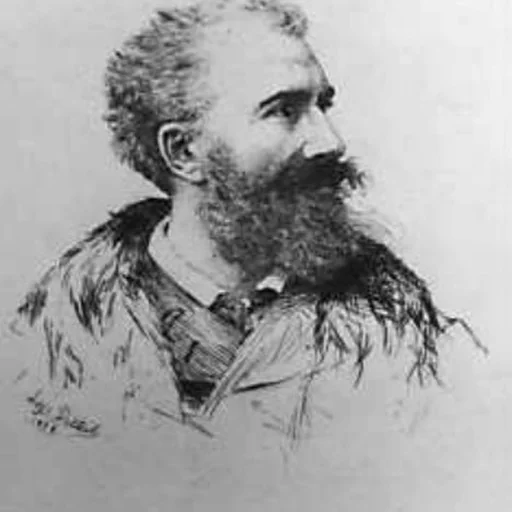

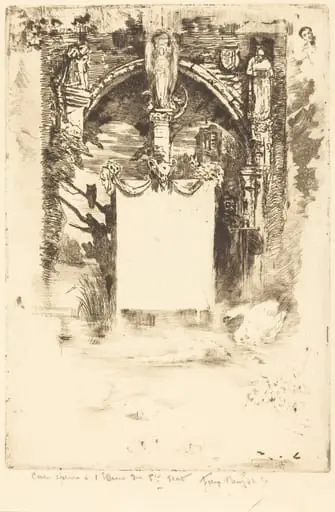 Ex-Libris pour "L'Ensorcelée" (Bookplate for "L'Ensorcelée")
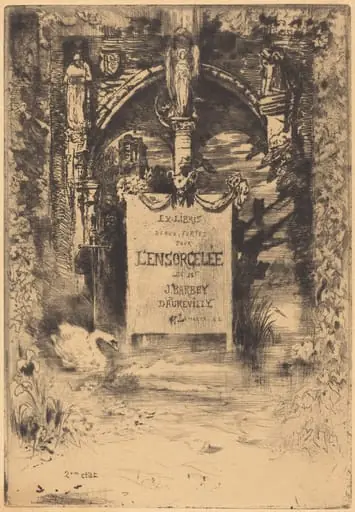 Ex-Libris pour "L'Ensorcelée" (Bookplate for "L'Ensorcelée")
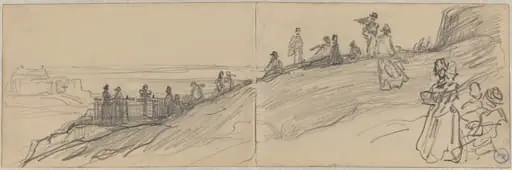 Figures on Top of a Hill, Overlooking the Sea
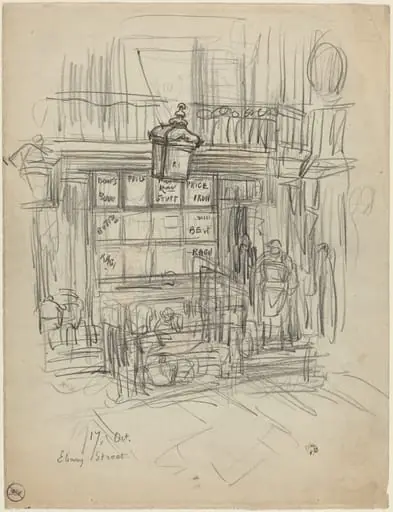 Ebury Street
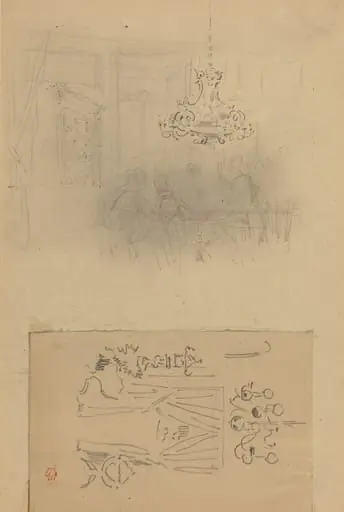 A Gathering in an Interior; A Curtained Doorway
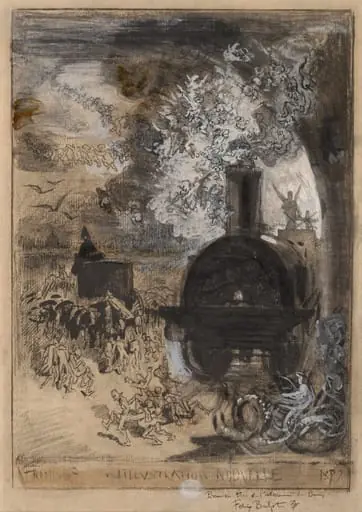 Frontispiece for L'Illustration Nouvelle: The Burial of the Burin
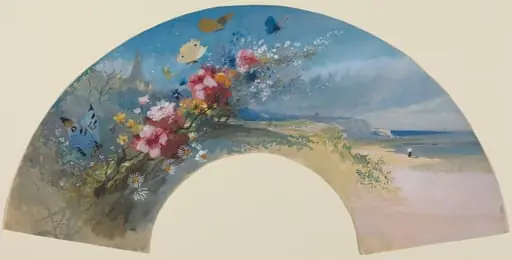 Fan with Wildflowers and Butterflies against the Norman Coast
![Gillingham Pier, London [verso], by Félix-Hilaire Buhot](https://artifactworldgallery.com/img/felix-hilaire-buhot--gillingham-pier-london-verso--641e03dd7de8217b-w320.webp) Gillingham Pier, London [verso]
Gillingham Pier, London [verso]
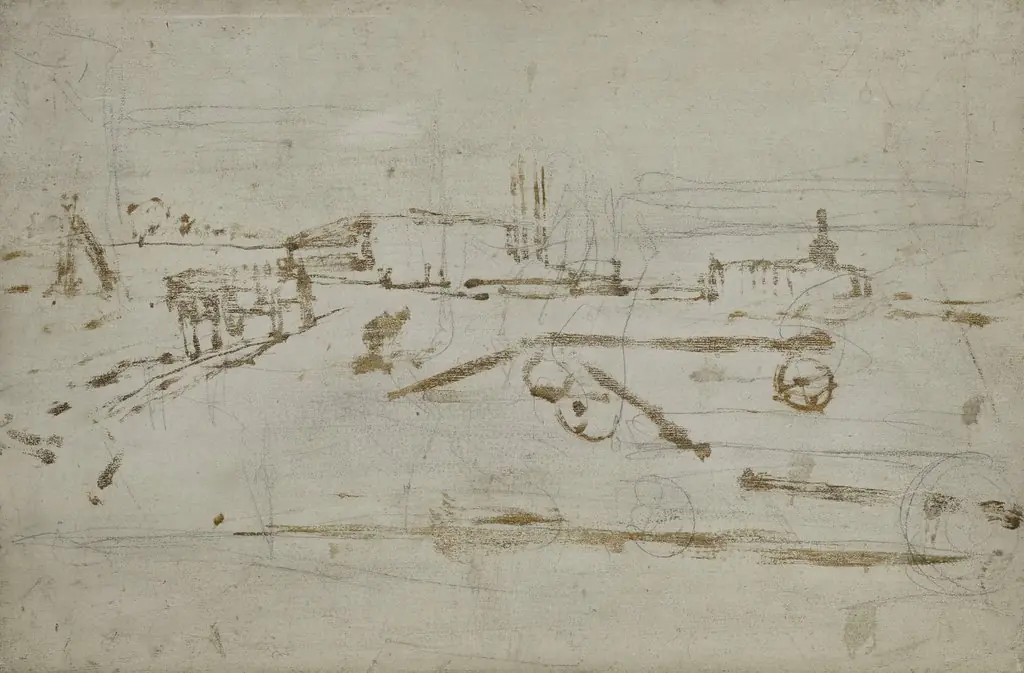 The Edge of a City
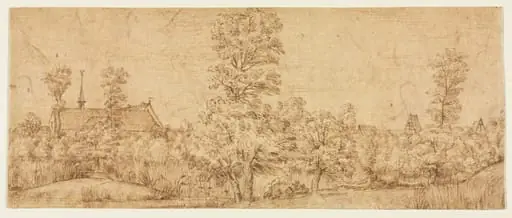 Trees before a Village
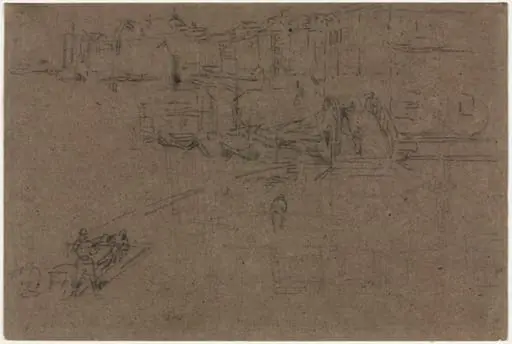 The Riva, Venice
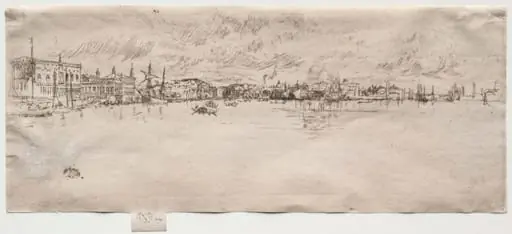 Long Venice
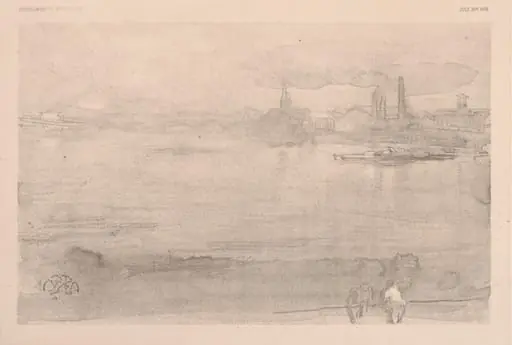 Early Morning: The Thames at Battersea
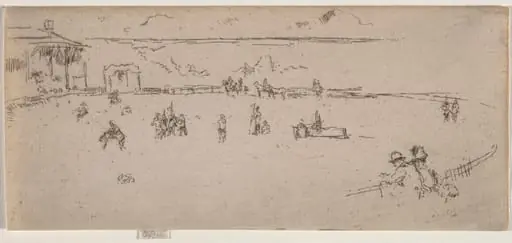 The Bucking Horse
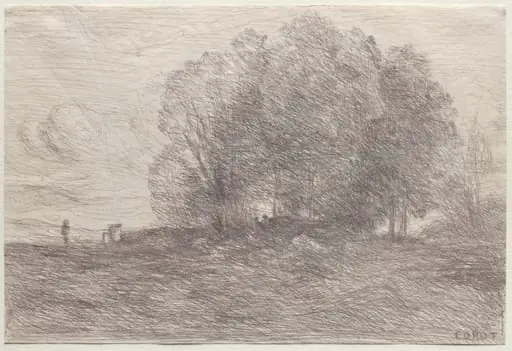 Group of Trees
![Figures in a Landscape [verso], by Thomas Barker](https://artifactworldgallery.com/img/thomas-barker--figures-in-a-landscape-verso--f990b8d4da80a5bc-w320.webp) Figures in a Landscape [verso]
Figures in a Landscape [verso] James McCullough's Leadmill
 Early Morning
 San Biagio
 Seascape with a Fortified City at Right, Islands at Left and a Cottage in the Foreground