Artwork
Head of a Man
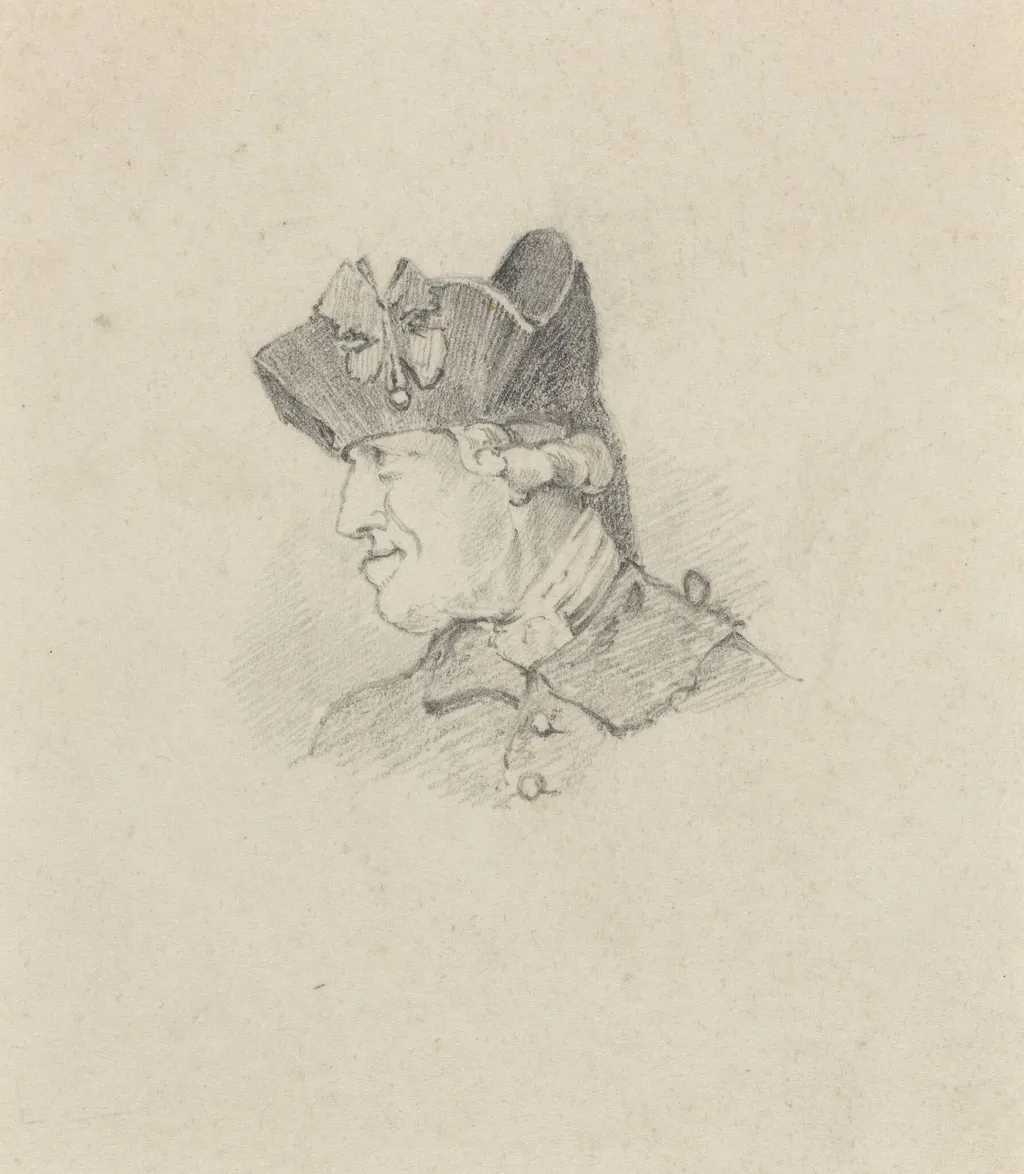
Head of a Man is a graphite drawing by the Romanticist artist Félix-Hilaire Buhot. It dates from 1872 and is held in the collection of the National Gallery of Art.
About this work
Overview
Its modest scale and restrained medium reflect a preference for quiet observation over grandeur, characteristic of Buhot’s approach to portraiture.
Created in 1872, this graphite drawing by Félix-Hilaire Buhot captures a male figure in profile, rendered on wove paper. The work belongs to a body of intimate studies the artist produced during this period, focusing on individual presence rather than narrative. Its modest scale and restrained medium reflect a preference for quiet observation over grandeur, characteristic of Buhot’s approach to portraiture.
Subject & Meaning
The figure, facing left with a slight upward tilt of the head, appears absorbed in private thought. His hat, featuring a subtle ornamental detail, suggests a specific social or occupational identity, though no explicit context is given. The lack of facial detail and the contemplative posture invite interpretation without imposing a story, emphasizing mood over biography.
Technique & Style
Buhot employed graphite with nuanced control, layering strokes to build gradations of light and shadow. The soft transitions between tones model the contours of the face and hat with precision, avoiding harsh lines. The texture of the wove paper enhances the graphite’s subtle range, contributing to a sense of tactile realism and quiet immediacy in the depiction.
History & Provenance
The drawing originates from Buhot’s active period in early 1870s Paris, a time when he was producing numerous sketches of urban figures and anonymous subjects. It likely formed part of a personal study collection, not intended for public display. Its survival suggests it was retained by the artist or a close associate, later entering institutional holdings.
Context
In the wake of the Franco-Prussian War, many French artists turned to intimate, unadorned subjects as a counterpoint to national trauma. Buhot’s focus on solitary heads aligns with this trend, reflecting a broader interest in psychological presence over historical or social spectacle. His drawings were often made quickly, capturing fleeting moments of human stillness.
Legacy
Though Buhot is better known for his etchings of Parisian life, this drawing exemplifies his skill in conveying character through minimal means. It contributes to the understanding of 19th-century French draftsmanship, where the private sketch held artistic value independent of finished works. The piece remains a quiet testament to the artist’s sensitivity to individual presence.
Artist & collection

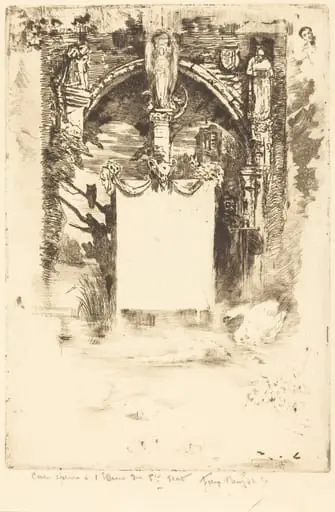 Ex-Libris pour "L'Ensorcelée" (Bookplate for "L'Ensorcelée")
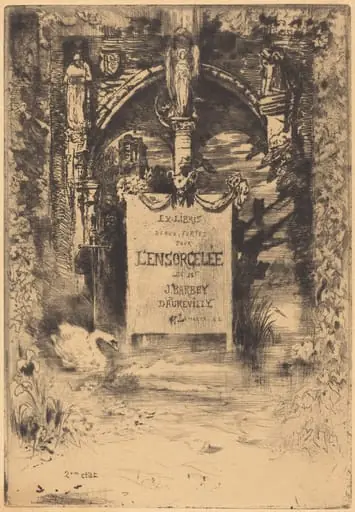 Ex-Libris pour "L'Ensorcelée" (Bookplate for "L'Ensorcelée")
 Figures on Top of a Hill, Overlooking the Sea
 Ebury Street
 A Gathering in an Interior; A Curtained Doorway
 Frontispiece for L'Illustration Nouvelle: The Burial of the Burin
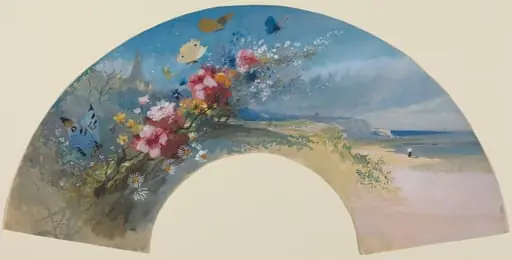 Fan with Wildflowers and Butterflies against the Norman Coast
![Gillingham Pier, London [verso], by Félix-Hilaire Buhot](https://artifactworldgallery.com/img/felix-hilaire-buhot--gillingham-pier-london-verso--641e03dd7de8217b-w320.webp) Gillingham Pier, London [verso]
Gillingham Pier, London [verso]
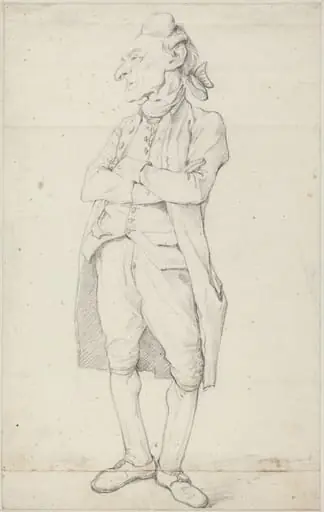 A Gentleman Standing with His Arms Crossed
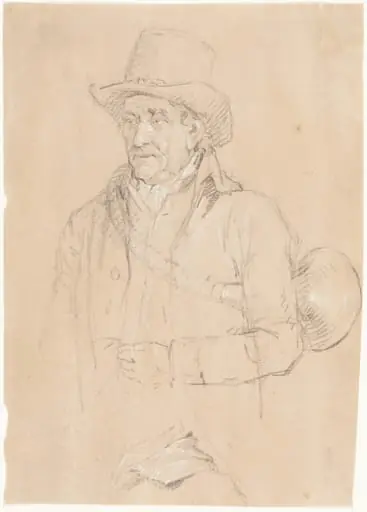 The Earth Stopper
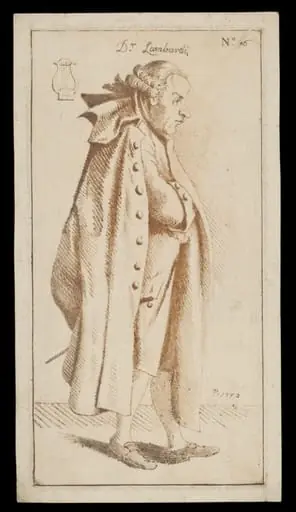 H Beard Print Collection
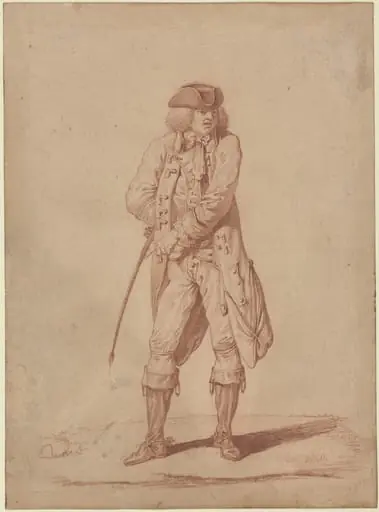 Gentleman with a Riding Crop
![Man with a Walking Stick, Seen in Profile [recto], by Hubert Robert](https://artifactworldgallery.com/img/hubert-robert--man-with-a-walking-stick-seen-in-profile-recto--9a2de0af8c4d35fd-w320.webp) Man with a Walking Stick, Seen in Profile [recto]
Man with a Walking Stick, Seen in Profile [recto]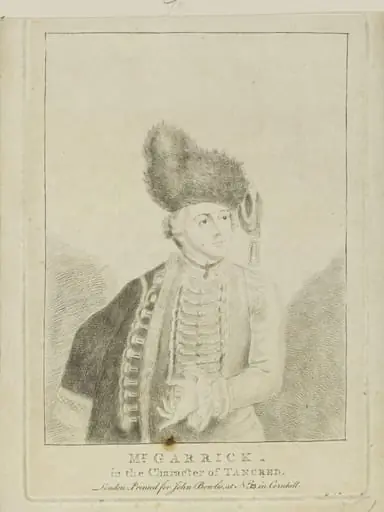 Mr. Garrick in the character of Tancred
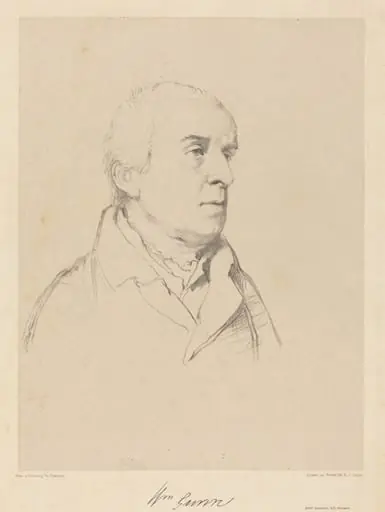 William Gunn
![Head of a Gentleman [recto], by Joseph Ducreux](https://artifactworldgallery.com/img/joseph-ducreux--head-of-a-gentleman-recto--30a49475a608e388-w320.webp) Head of a Gentleman [recto]
Head of a Gentleman [recto]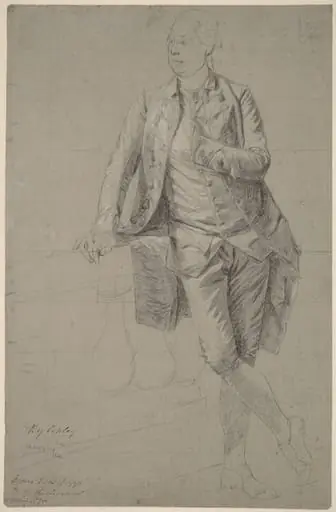 A Gentleman
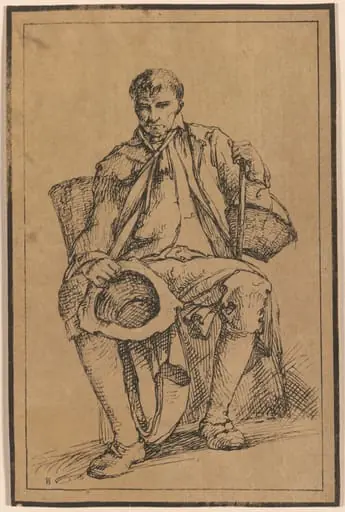 Forty Lithographic Impressions from Drawings of Landscape Scenery by Thomas Barker, Selected from His Studies of Rustic Figures after Nature: Seated Man with Baskets Holding Hat and Walking Stick
 Untitled
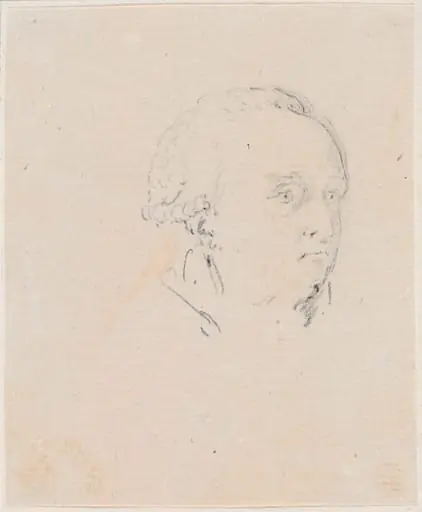 Head of a Man