Artwork
La Fête nationale au Boulevard Clichy (National Holiday on the Boulevard de Clichy)
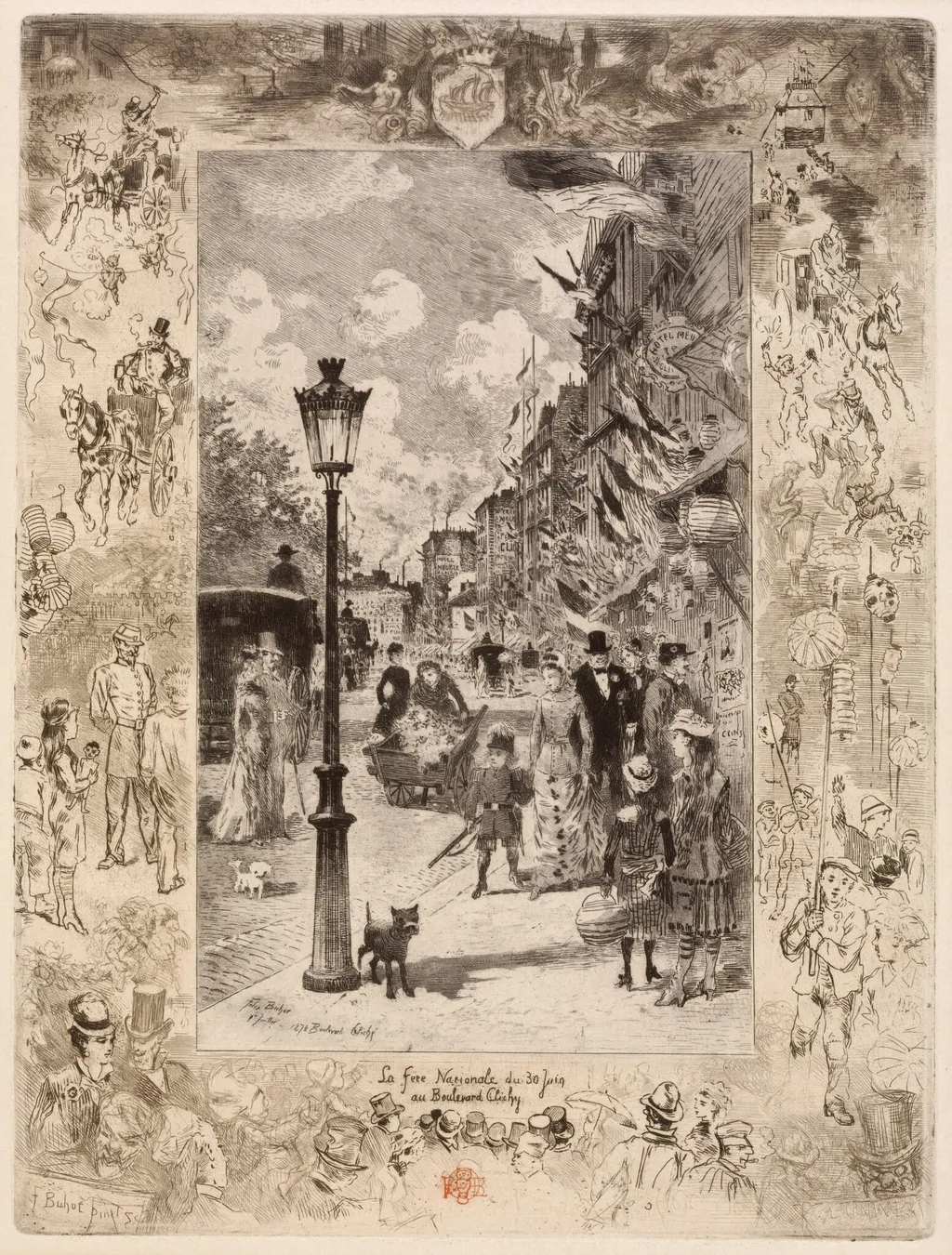
La Fête nationale au Boulevard Clichy (National Holiday on the Boulevard de Clichy) is an ink print by the Impressionist artist Félix-Hilaire Buhot. It dates from 1878 and is held in the collection of the National Gallery of Art.
About this work
Overview
Created in 1878 by Félix-Hilaire Buhot, this print captures a public celebration along the Boulevard Clichy in Paris.
Created in 1878 by Félix-Hilaire Buhot, this print captures a public celebration along the Boulevard Clichy in Paris. Executed through a complex combination of etching, drypoint, aquatint, and other intaglio techniques, it presents a dynamic urban scene rendered in black ink, with additional marginal vignettes in a darker, muted tone. The layered processes allow for subtle tonal variations, enhancing the atmospheric quality of the moment.
Subject & Meaning
The central image depicts a festive crowd moving along a decorated street during a national holiday, likely Bastille Day. Banners and flags flutter above the buildings, suggesting communal celebration. Above, birds drift through a cloudy sky, while the figures below move with casual energy. The marginal illustrations—dogs, cats, fruit baskets—offer quiet, observational counterpoints, framing the main scene with intimate, everyday details that reflect daily life amid public festivity.
Technique & Style
Buhot employed multiple intaglio methods to achieve rich textures and atmospheric depth. The main scene uses sharp, incised lines and varied ink densities to suggest movement and shadow, while the marginal vignettes are rendered with softer, more blurred edges through foul-bite and soft-ground techniques. This contrast in handling distinguishes the bustling foreground from the delicate, almost sketchlike side panels, creating a layered visual rhythm that echoes the complexity of urban experience.
History & Provenance
Produced in 1878, the print emerged during a period of renewed national pride in France following the Franco-Prussian War. Buhot, known for his urban scenes, frequently documented Parisian life with a keen eye for transient moments. This work was likely part of a series of prints intended for collectors and the growing middle-class market, reflecting both artistic innovation and public interest in contemporary life.
Context
The print reflects the broader 19th-century fascination with modern urban life, particularly in Paris, where public celebrations became symbols of civic identity. While not strictly Impressionist, Buhot’s focus on fleeting moments, light, and crowd dynamics aligns with the period’s artistic currents. His use of printmaking—often seen as a medium for reproduction—elevated it into a vehicle for personal, observational artistry.
Legacy
Buhot’s work contributed to the redefinition of printmaking as a legitimate medium for artistic expression, not merely replication. His integration of detailed observation with experimental techniques influenced later generations of printmakers interested in capturing the rhythms of city life. This piece remains a testament to the quiet poetry found in public gatherings and the subtle interplay between grand celebration and private detail.
Artist & collection

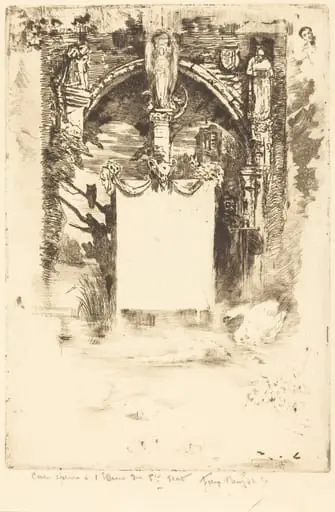 Ex-Libris pour "L'Ensorcelée" (Bookplate for "L'Ensorcelée")
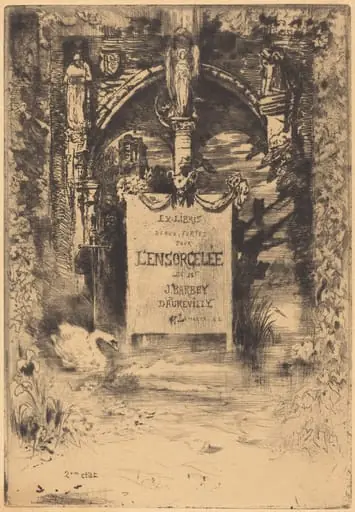 Ex-Libris pour "L'Ensorcelée" (Bookplate for "L'Ensorcelée")
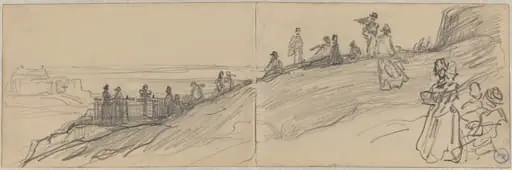 Figures on Top of a Hill, Overlooking the Sea
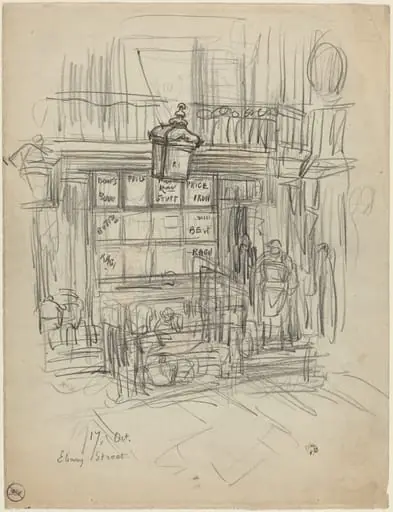 Ebury Street
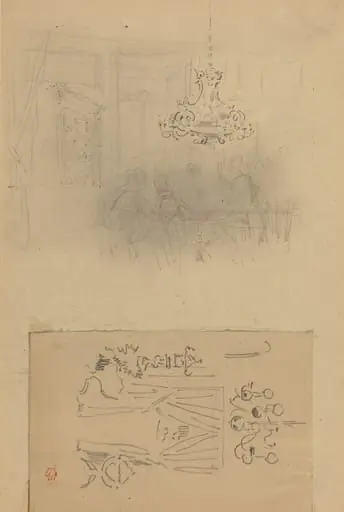 A Gathering in an Interior; A Curtained Doorway
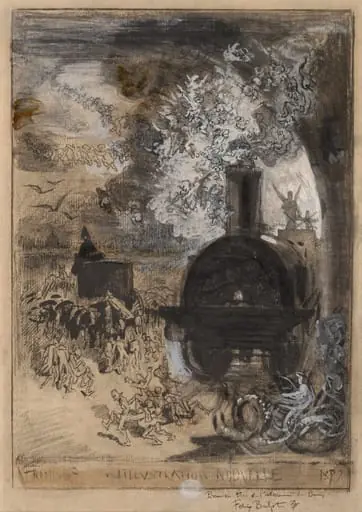 Frontispiece for L'Illustration Nouvelle: The Burial of the Burin
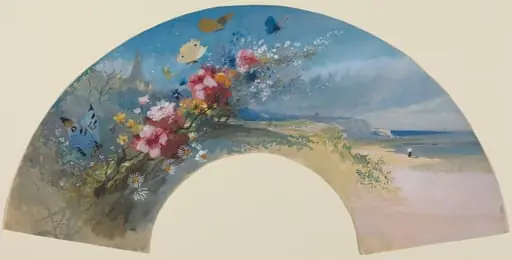 Fan with Wildflowers and Butterflies against the Norman Coast
![Gillingham Pier, London [verso], by Félix-Hilaire Buhot](https://artifactworldgallery.com/img/felix-hilaire-buhot--gillingham-pier-london-verso--641e03dd7de8217b-w320.webp) Gillingham Pier, London [verso]
Gillingham Pier, London [verso]