Artwork
H Beard Print Collection
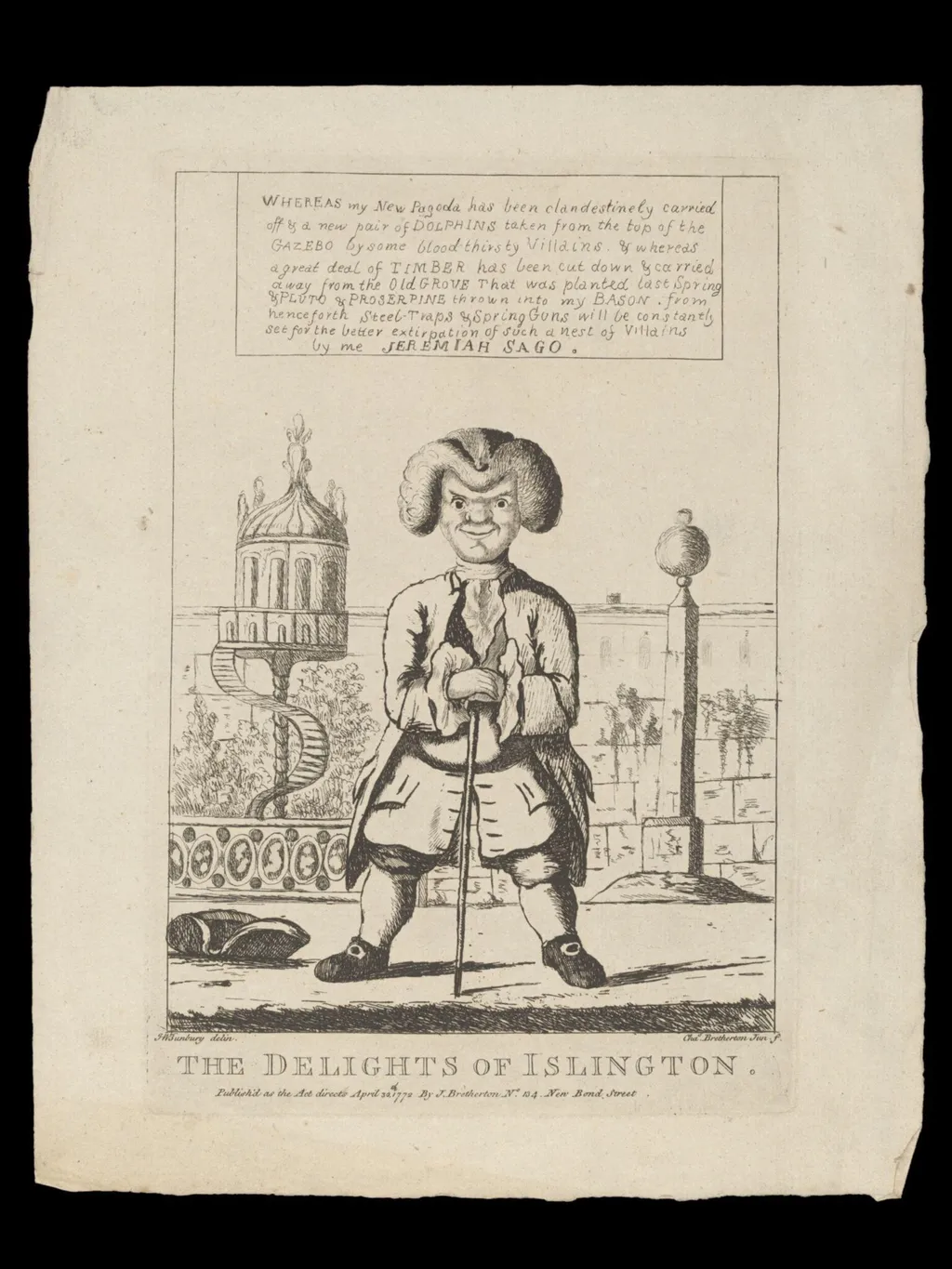
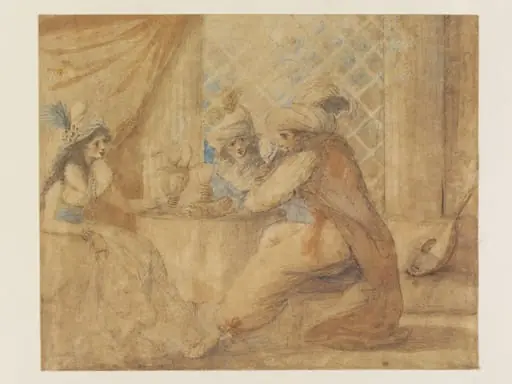
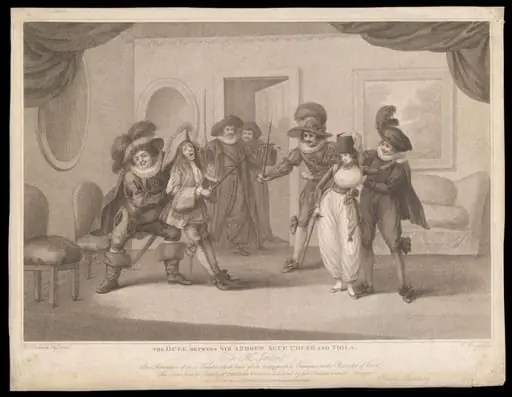
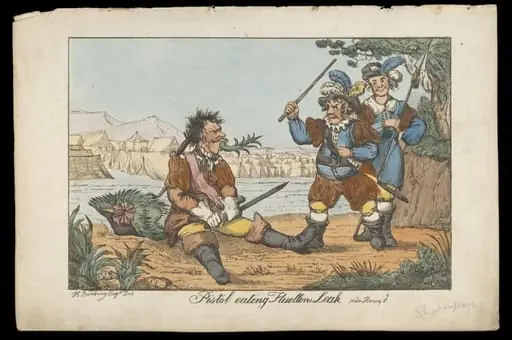
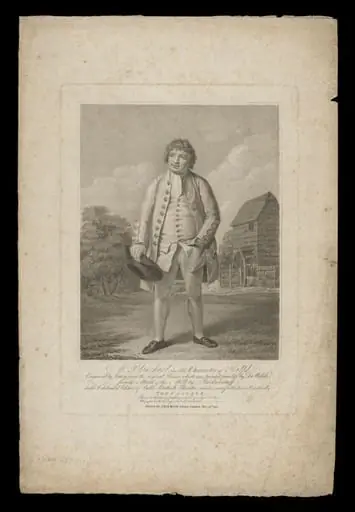
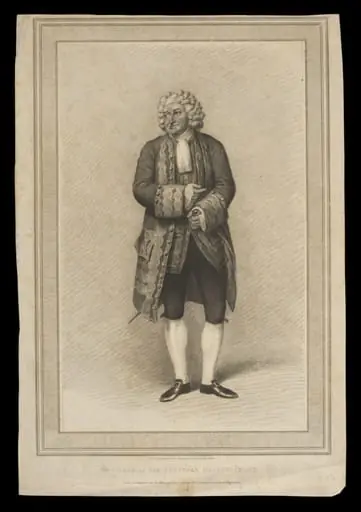
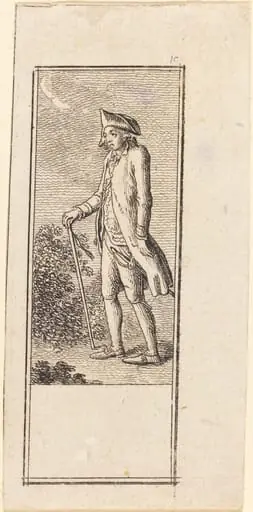
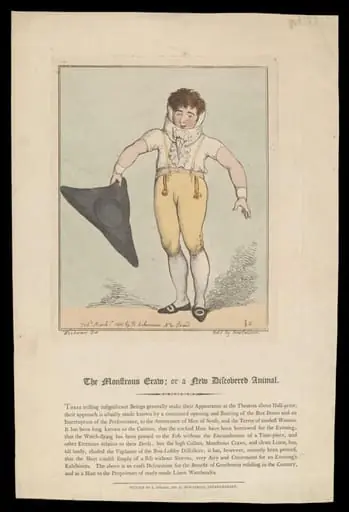
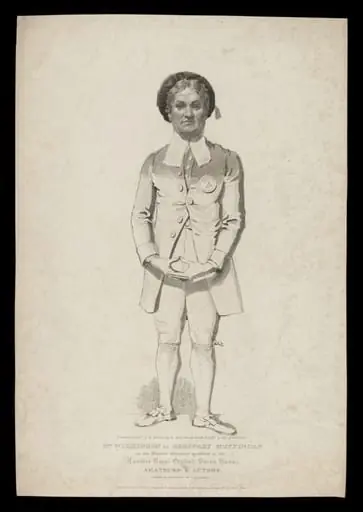
H Beard Print Collection is a print by the Romanticist artist Henry William Bunbury. It dates from 30 and is held in the collection of the Victoria and Albert Museum. This print, part of the Harry Beard Collection, was published on 30 April 1772 by J.
About this work
The Victoria and Albert Museum is a good place to learn more about this and similar works, like those associated with the movement Romanticism.
The print is titled H Beard Print Collection.
It was created by Henry William Bunbury in 1772.
The print is held at the Victoria and Albert Museum, which provides some context about the work, including that it shows The Delights of Islington and was published by J. Bretherton.
The Victoria and Albert Museum is a good place to learn more about this and similar works, like those associated with the movement Romanticism.
Overview
This print, part of the Harry Beard Collection, was published on 30 April 1772 by J. Bretherton and created by Henry William Bunbury. It depicts a scene titled The Delights of Islington, capturing a moment of urban leisure in late 18th-century England. The work is held in the collection of the Victoria and Albert Museum, where it is cataloged as an example of British graphic satire from the period.
Subject & Meaning
The scene portrays a lively, slightly absurd gathering of Londoners enjoying the rural outskirts of Islington, then a village on the city’s edge. Bunbury uses exaggerated gestures and social contrasts to gently mock the pretensions of middle-class visitors seeking countryside amusement. The image reflects contemporary anxieties about urbanization and the performative nature of leisure among the emerging middle class.
Technique & Style
Executed in line engraving, the print employs fine, controlled strokes to define figures and landscape. Bunbury’s draftsmanship is precise yet playful, with attention to costume and posture to convey character. The composition is crowded but orderly, guiding the viewer’s eye through a sequence of humorous interactions. The tonal range is restrained, typical of prints intended for mass reproduction and public consumption.
History & Provenance
The print was produced shortly after Bunbury’s rise as a satirical artist and circulated widely in London. It entered the Harry Beard Collection, assembled in the early 20th century by a noted collector of British caricature. The Victoria and Albert Museum acquired the collection in 1952, preserving the print as part of its broader holdings in British graphic arts from the Georgian era.
Context
Created during a period of rapid urban expansion, the print responds to the growing trend of city dwellers visiting suburban pleasure gardens. Islington, once a rural retreat, was becoming a destination for day-trippers seeking novelty. Bunbury’s work aligns with a broader tradition of British social satire, distinct from the emotional intensity of Romanticism, focusing instead on observed behavior and class dynamics.
Legacy
Though not widely reproduced today, the print remains a valuable record of 18th-century social customs and visual humor. It contributes to scholarly understanding of how print culture shaped public perception of urban-rural life. Its preservation in a major museum ensures continued access for researchers studying the intersection of art, class, and leisure in pre-industrial Britain.
Artist & collection
Artist
Henry Bunbury made prints and watercolors in the late 1700s, poking gentle fun at everyday life and odd little scandals.