Artwork
H Beard Print Collection
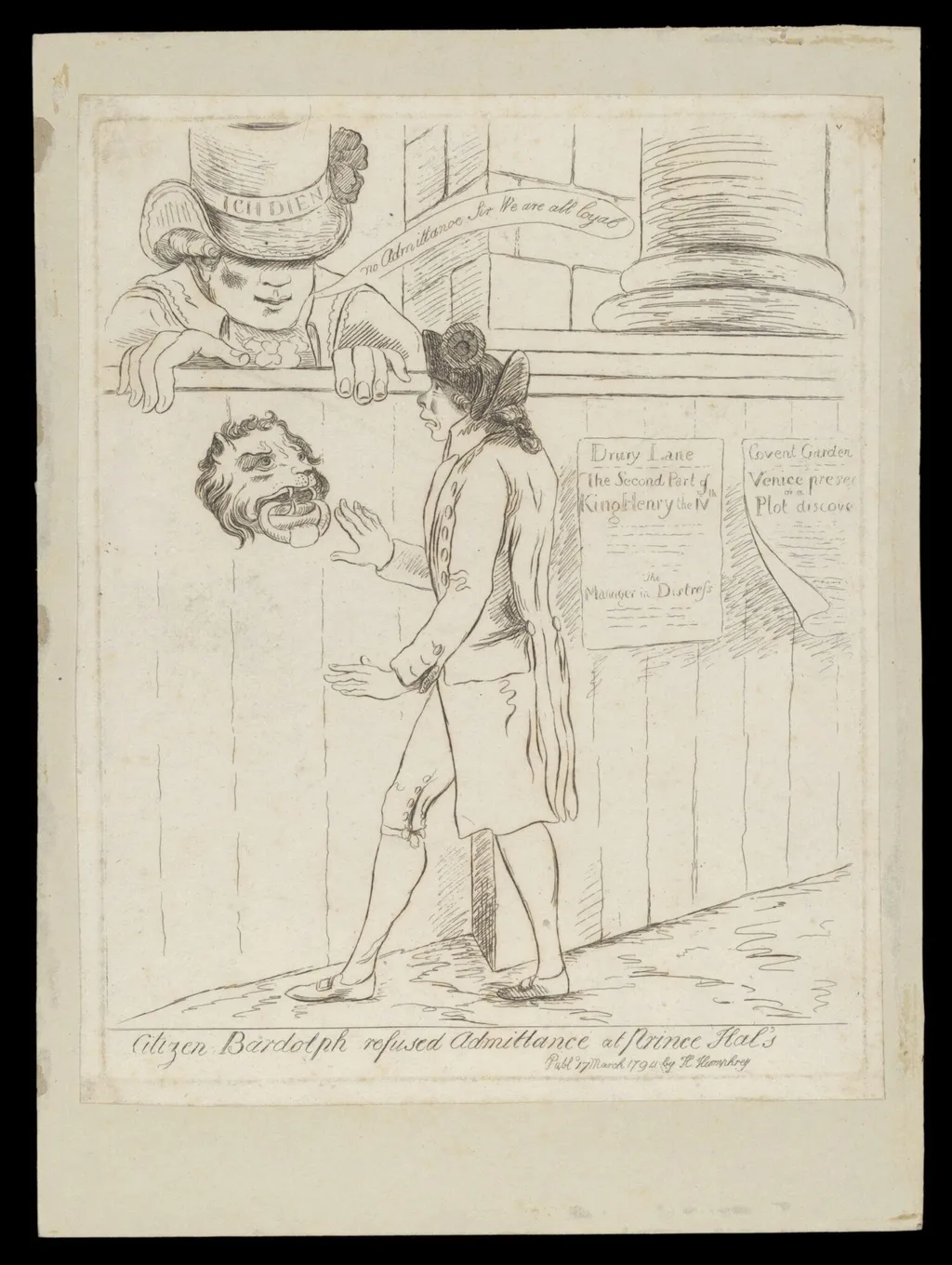
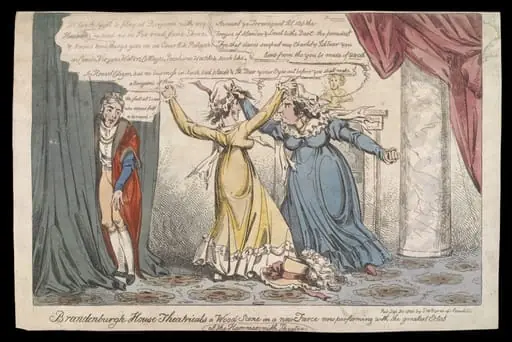
H Beard Print Collection is a print by the Romanticist artist H. Humphrey. It dates from 17 and is held in the collection of the Victoria and Albert Museum. Created on 17 March 1794 by H.
About this work
The H Beard Print Collection is a print created by H. Humphrey. It's from 17 March 1794.
This print is part of the Romanticism movement. The scene is satirical, showing a refusal of admittance, which suggests it's commenting on social issues of the time.
To learn more about the style and themes of this period, look up the movement: Romanticism.
Overview
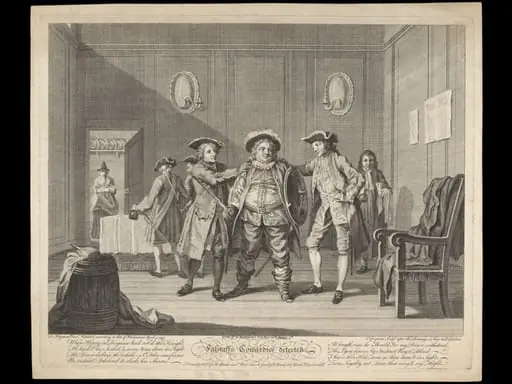
Created on 17 March 1794 by H. Humphrey, this print belongs to the H. Beard Print Collection. It presents a satirical moment in which a figure identified as Citizen Bardolph is denied entry to a princely residence. The work reflects the political and social tensions of late 18th-century Britain, using humor to critique class boundaries and authority.
Subject & Meaning
The scene depicts Bardolph, a character associated with Shakespeare’s Falstaff, being barred from a noble hall. This allusion transforms a literary figure into a symbol of the commoner excluded from elite spaces. The refusal of entry functions as a metaphor for the rigid social hierarchies of the time, questioning who holds power and who is permitted to approach it.
Technique & Style
Executed as a hand-printed engraving, the work employs fine linework and expressive figures typical of late 18th-century British satirical prints. The composition is tightly framed to emphasize the confrontation, with exaggerated gestures and facial expressions heightening the narrative tension. The style aligns with the tradition of political caricature rather than Romantic idealization.
History & Provenance
The print was produced during a period of heightened public discourse on class and citizenship, following the French Revolution. It entered the H. Beard Print Collection, a curated assemblage of British satirical works, and has since been preserved as a record of popular political commentary from the era. Its origin is firmly tied to London’s print culture of the 1790s.
Context
In 1794, Britain faced internal unrest and fears of revolutionary ideas. Satirical prints like this one responded to debates over privilege, representation, and the role of the monarchy. By invoking Shakespearean characters, the artist tapped into widely recognized cultural references to make political critique accessible and resonant among the literate public.
Legacy
Though not widely exhibited today, the print remains a documented example of how visual satire engaged with contemporary social issues. It contributes to the broader understanding of how print media served as a tool for public discourse in pre-Victorian Britain, preserving the voice of dissent through accessible imagery.
Artist & collection
Artist
Harry Humphrey Moore (21 July 1844, New York City - 2 January 1926, Paris) was an American painter; best known for his works depicting Japan, Spain and North Africa.

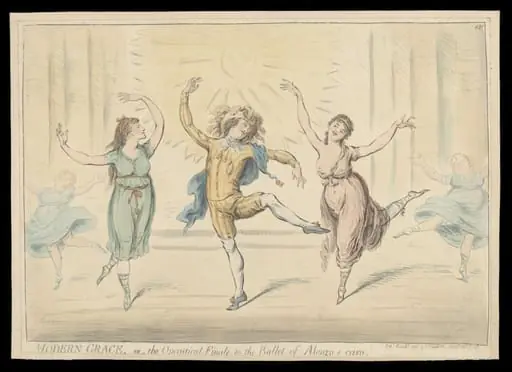
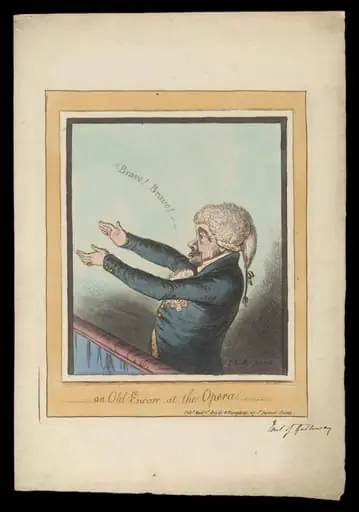
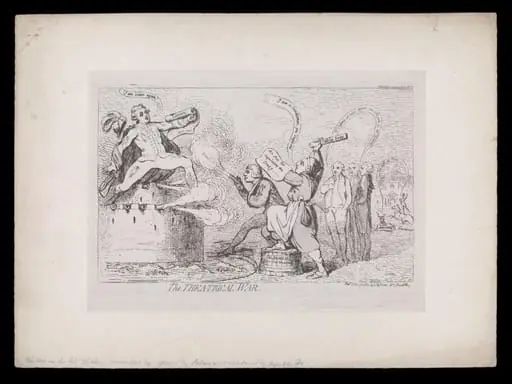 H Beard Print Collection
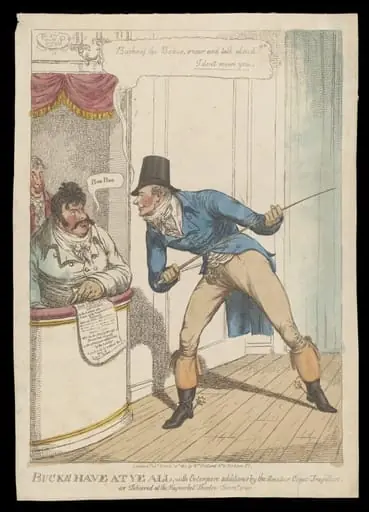 H Beard Print Collection
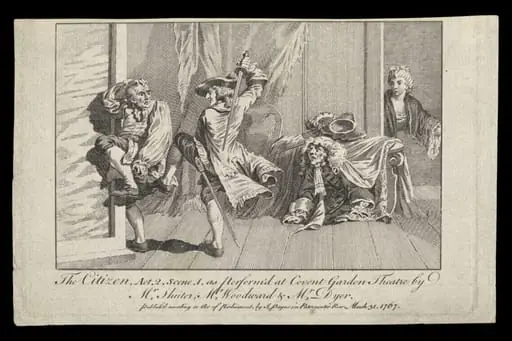 Print Collection
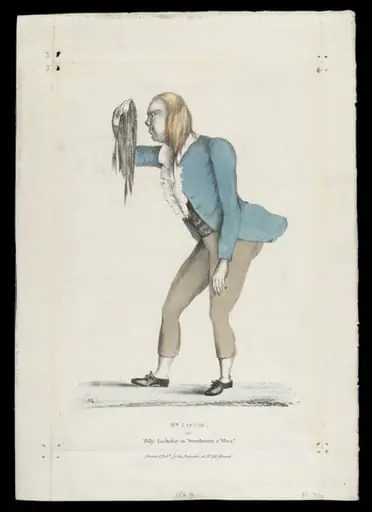 H Beard Print Collection
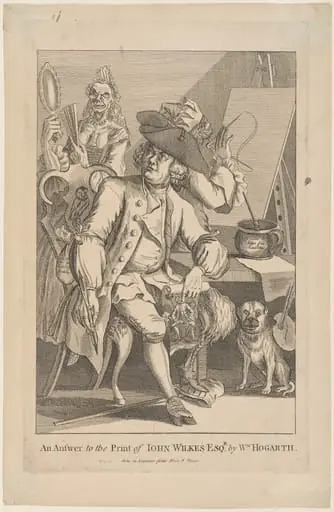 An Answer to the Print of John Wilkes Esq. by Wm. Hogarth
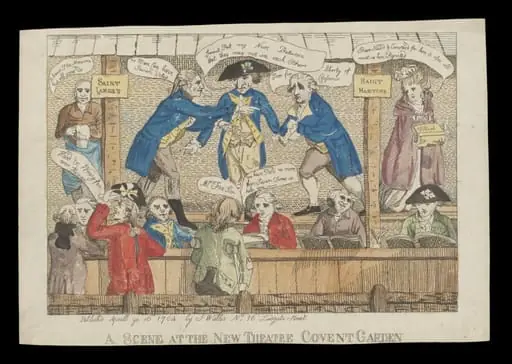 H Beard Print Collection
 H Beard Print Collection
 H Beard Print Collection
 H Beard Print Collection
 H Beard Print Collection
 H Beard Print Collection
 H Beard Print Collection