Artwork
Below Fawn's Leap, Catskill Mountains; and Above the Bridge
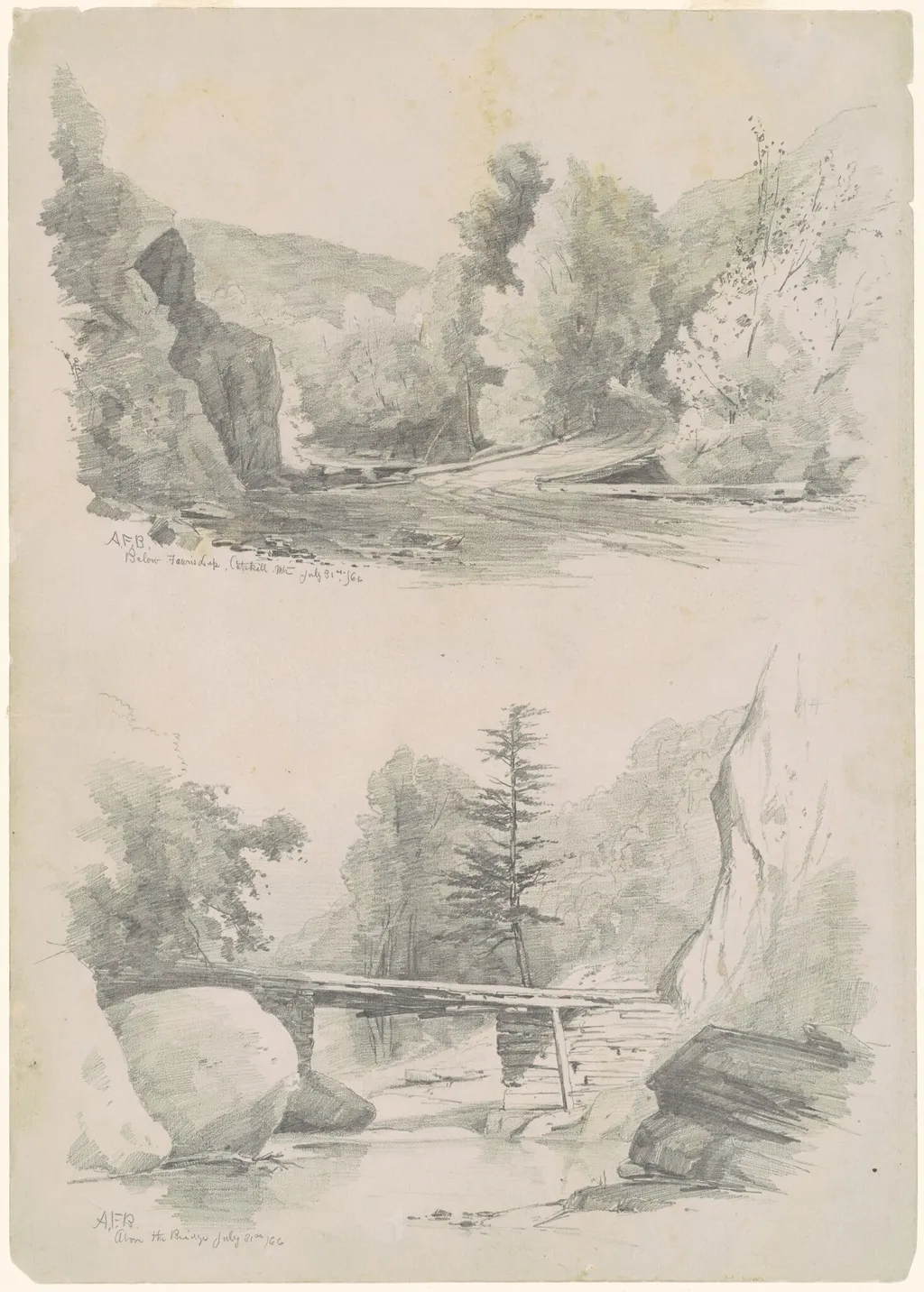
Below Fawn's Leap, Catskill Mountains; and Above the Bridge is a graphite drawing by the Impressionist artist Andrew Fisher Bunner. It dates from 1866 and is held in the collection of the National Gallery of Art.
About this work
The artist wrote the titles and dates right on the paper—*Below Fawn’s Leap* and *Above the Bridge*, both from July 1866.
This sketch shows two quiet mountain scenes in pencil. One picture has a rocky riverbank with a narrow path winding through trees. The other shows a wooden bridge crossing a shallow stream, surrounded by tall pines and boulders. The lines are loose but careful, capturing light and shadow in a soft, sketchy way.
The artist wrote the titles and dates right on the paper—*Below Fawn’s Leap* and *Above the Bridge*, both from July 1866. The rough, quick strokes suggest they were drawn fast, maybe while traveling.
If you like this style, check out Realism next—it focuses on everyday scenes just like these.
Overview
Andrew Fisher Bunner’s graphite drawing, dated July 1866, presents a pair of tranquil mountain studies. The left panel depicts a rugged riverbank with a narrow, winding path flanked by trees, while the right panel shows a modest wooden bridge spanning a shallow stream amid tall pines and scattered boulders. Both scenes are rendered on wove paper with a light, sketch‑like quality.
Subject & Meaning
The two views capture ordinary aspects of the Catskill landscape: a secluded trail below the feature known as Fawn’s Leap and a simple bridge that offers a crossing point above the water. By focusing on everyday terrain rather than dramatic vistas, the work reflects an interest in the modest, lived experience of the region’s natural environment.
Technique & Style
Executed in graphite, Bunner employs loose yet deliberate strokes that convey form and volume without heavy detailing. The drawing balances line and shading to suggest light falling across rock, water, and foliage, creating a soft contrast between illuminated surfaces and shadowed recesses. The quick, on‑the‑spot execution hints at a travel sketchbook approach.
History & Provenance
The piece bears the artist’s handwritten titles and the date July 1866 directly on the paper, indicating it was likely produced during a field visit. No further ownership records are noted, suggesting it has remained within private or institutional collections since its creation.
Artist & collection


![Catskill Mountains, Round-Top in the Distance; Catskills Looking North from Palenville; and Round Top, Catskills, from the Road to Bracketts [verso], by Andrew Fisher Bunner](https://artifactworldgallery.com/img/andrew-fisher-bunner--catskill-mountains-round-top-in-the-distance-catskills-looki--6573d51b388ff9bd-w320.webp)
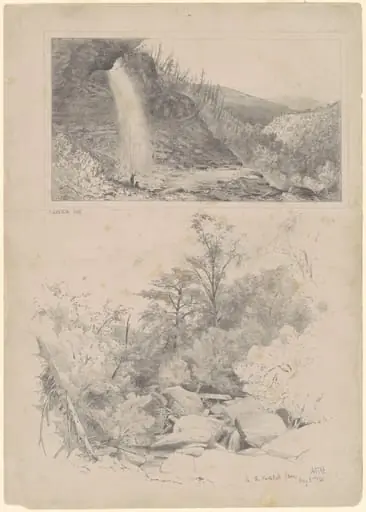 Kaatskill Fall; and In the Kaatskill Clove
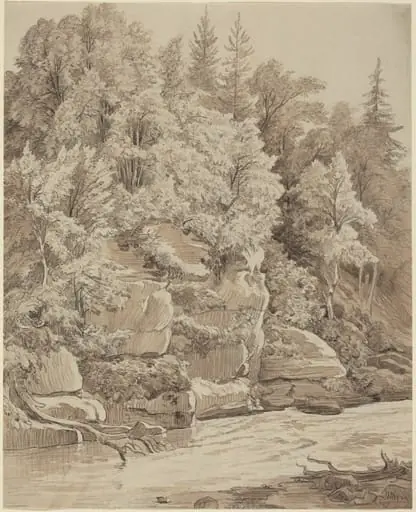 Wooded Cliffs along a Stream
![Bridge over Rocky Stream [top verso], by John William Casilear](https://artifactworldgallery.com/img/john-william-casilear--bridge-over-rocky-stream-top-verso--b684ce1bc4fdefdd-w320.webp) Bridge over Rocky Stream [top verso]
Bridge over Rocky Stream [top verso]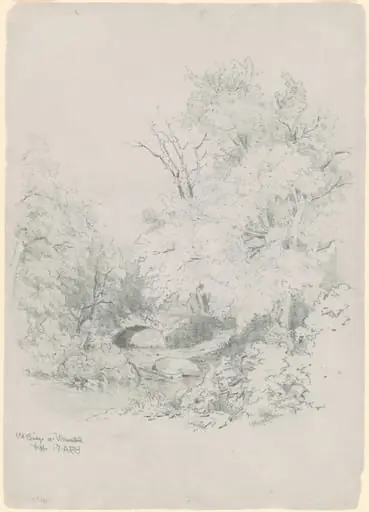 Old Bridge at Weaverton
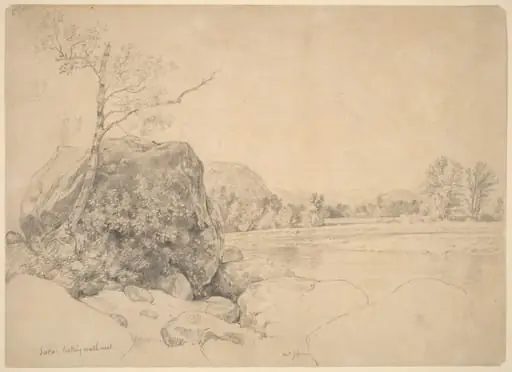 Saco, Looking Northwest
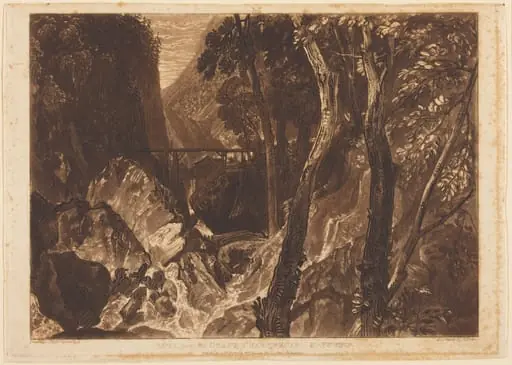 Mill near the Grand Chartreuse
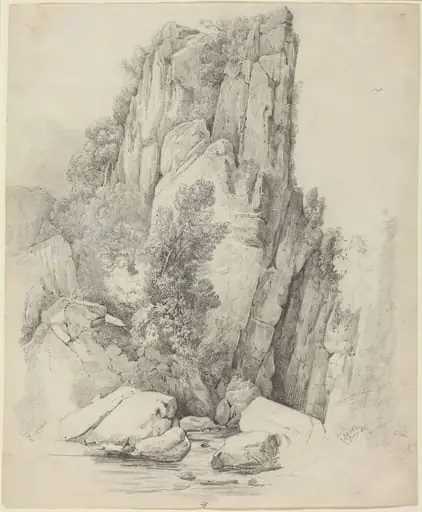 Rock Cliffs above a Stream
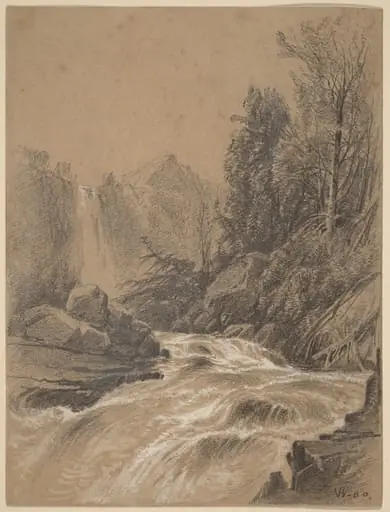 Mountain Landscape, Stream and Waterfall
![Clove Road, Catskills; Through the Clove—Catskills; and On the Road to Bracketts [recto], by Andrew Fisher Bunner](https://artifactworldgallery.com/img/andrew-fisher-bunner--clove-road-catskills-through-the-clove-catskills-and-on-the--dc0962cffc5ac83a-w320.webp) Clove Road, Catskills; Through the Clove—Catskills; and On the Road to Bracketts [recto]
Clove Road, Catskills; Through the Clove—Catskills; and On the Road to Bracketts [recto]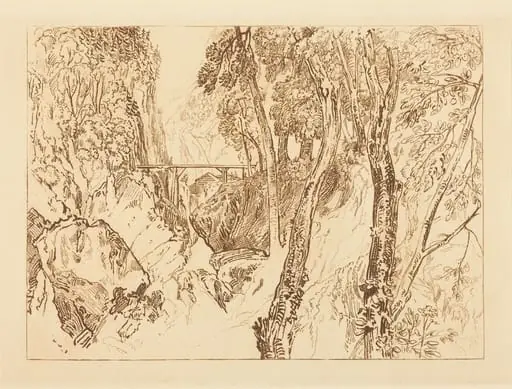 Mill near the Grand Chartreuse