Artwork
Cheat River
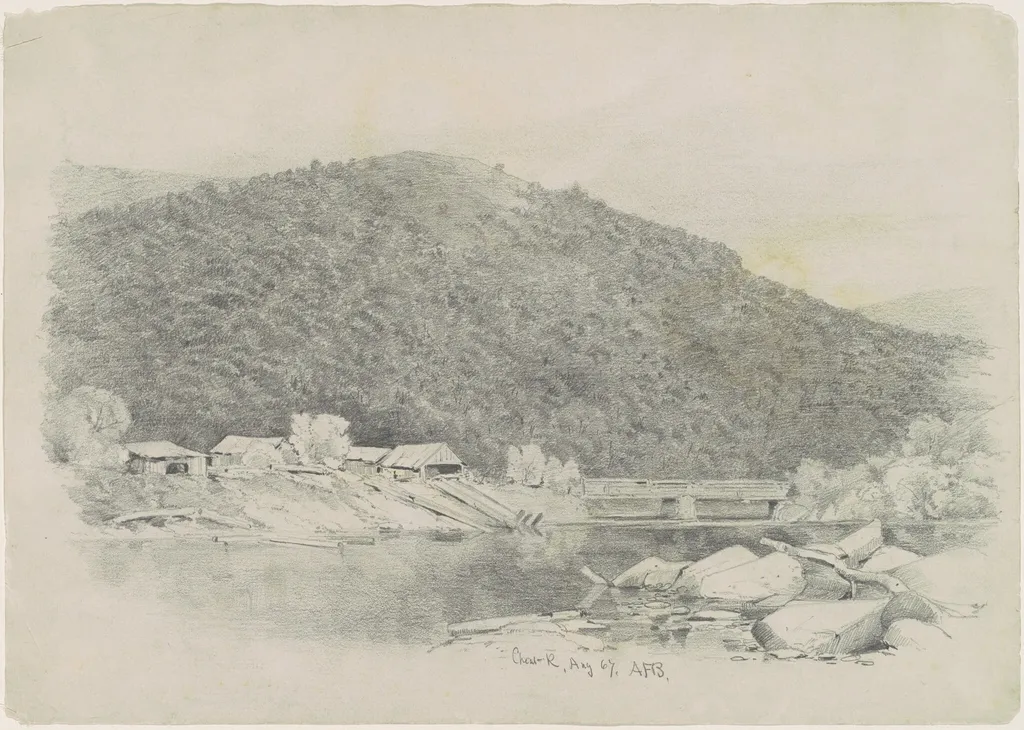
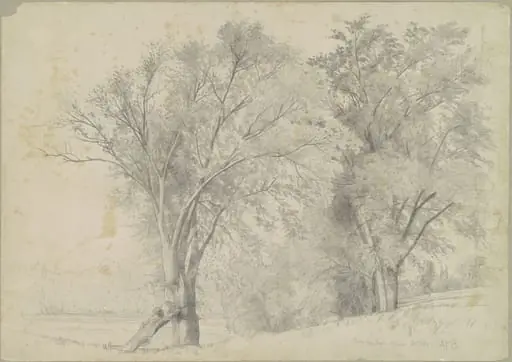
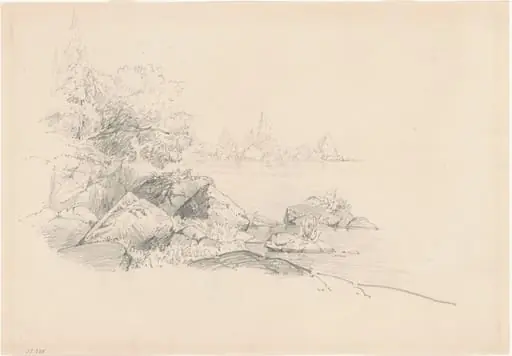
Cheat River is a graphite drawing by the Impressionist artist Andrew Fisher Bunner. It dates from 1867 and is held in the collection of the National Gallery of Art.
About this work
Overview
Created in 1867, Cheat River is a graphite drawing on wove paper by Andrew Fisher Bunner. The work belongs to the category of topographical drawings, reflecting a quiet, observational approach to landscape. Its modest scale and medium suggest it was made as a study or personal record rather than a finished exhibition piece.
Subject & Meaning
The drawing depicts the Cheat River in western Virginia, capturing its winding course through wooded terrain. Bunner’s focus on the river’s natural contours implies an interest in geological form and regional character, rather than idealized scenery. The absence of human figures or dramatic elements reinforces a documentary tone, emphasizing the land’s quiet presence.
Technique & Style
Executed in graphite on smooth wove paper, the drawing employs fine, controlled lines to suggest texture and depth. Bunner uses subtle gradations of tone to indicate shadow and water flow, avoiding bold contrasts. The precision of the draftsmanship reflects a methodical, almost survey-like approach, typical of mid-nineteenth-century topographical practice.
History & Provenance
The drawing was completed in 1867, during a period when Bunner was actively documenting American landscapes. Its early provenance is not widely recorded, but it likely remained in private hands until entering a public collection. No exhibition history from the artist’s lifetime is documented, suggesting limited public exposure during his career.
Context
In the post-Civil War era, American artists increasingly turned to regional landscapes as subjects of study. Bunner’s work aligns with a broader trend of topographical recording, influenced by geological surveys and railroad mapping. Unlike romanticized Hudson River School scenes, his approach is restrained, favoring accuracy over emotional resonance.
Legacy
Cheat River stands as a quiet example of 19th-century American draftsmanship focused on place rather than spectacle. While Bunner is not widely known today, this drawing contributes to the historical record of how regional landscapes were observed and recorded during a time of national redefinition and geographic exploration.
Artist & collection


![Catskill Mountains, Round-Top in the Distance; Catskills Looking North from Palenville; and Round Top, Catskills, from the Road to Bracketts [verso], by Andrew Fisher Bunner](https://artifactworldgallery.com/img/andrew-fisher-bunner--catskill-mountains-round-top-in-the-distance-catskills-looki--6573d51b388ff9bd-w320.webp)
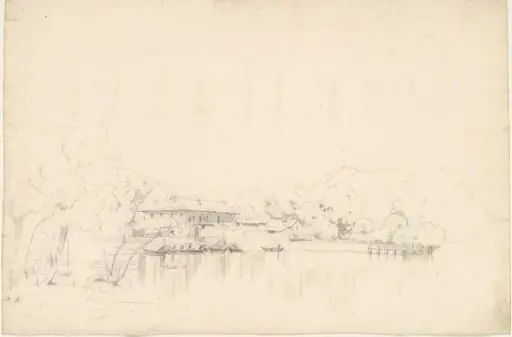 Lake Houses
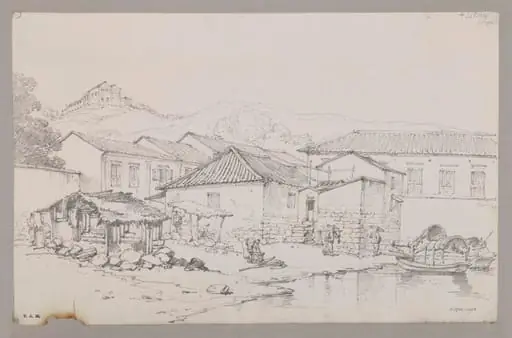 Part of the Praya Manduco and Penha Hill, Macao
![Lake Shore, Menaggio [recto], by John Singer Sargent](https://artifactworldgallery.com/img/john-singer-sargent--lake-shore-menaggio-recto--2cbfc8ee4d60729d-w320.webp) Lake Shore, Menaggio [recto]
Lake Shore, Menaggio [recto]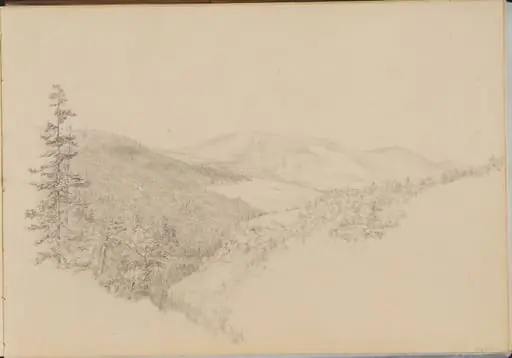 Kauterskill Clove (from Sketchbook of Landscape and Animal Subjects)
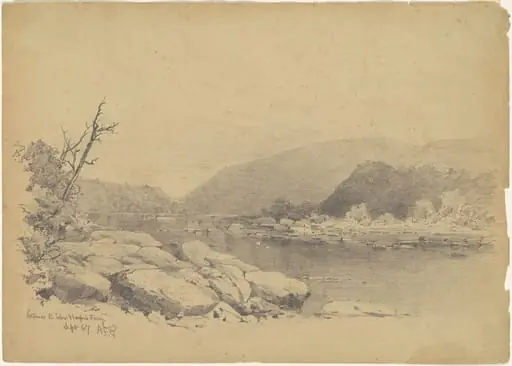 Potomac River Below Harper's Ferry
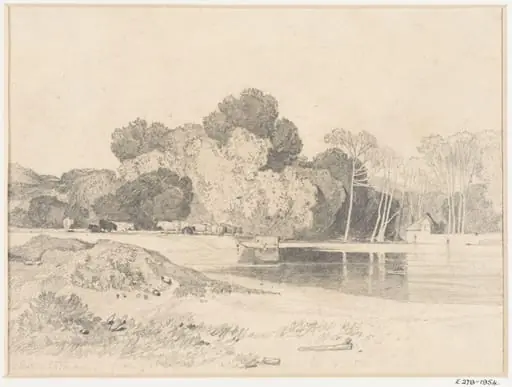 Cattle grazing beside a lake
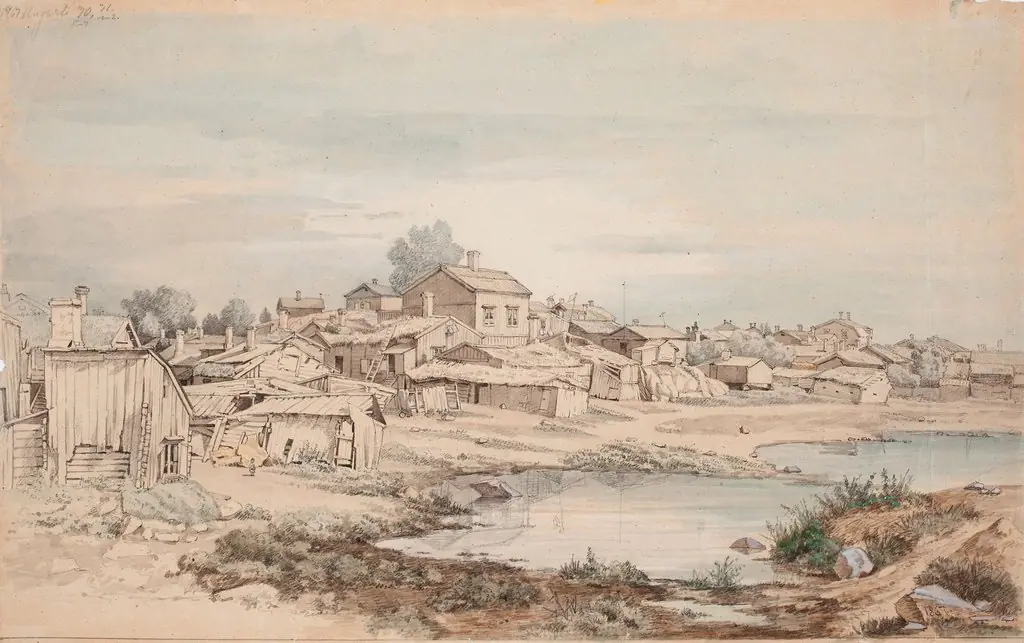 Katajanokka, luonnos
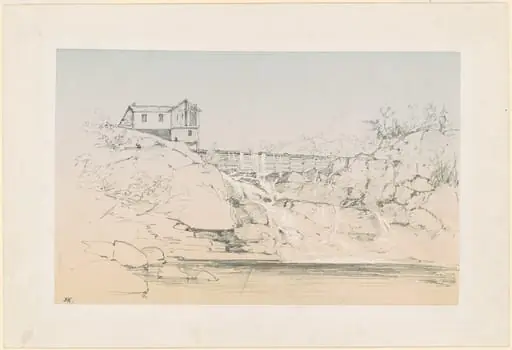 Building by a Dam
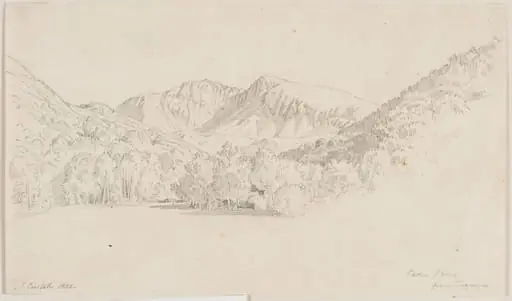 View of Cader Idris, Merioneth
 Lake Shore
 Camouflage
![Bridge over Rocky Stream [top verso], by John William Casilear](https://artifactworldgallery.com/img/john-william-casilear--bridge-over-rocky-stream-top-verso--b684ce1bc4fdefdd-w320.webp) Bridge over Rocky Stream [top verso]
Bridge over Rocky Stream [top verso]