Artwork
Saint Barbara
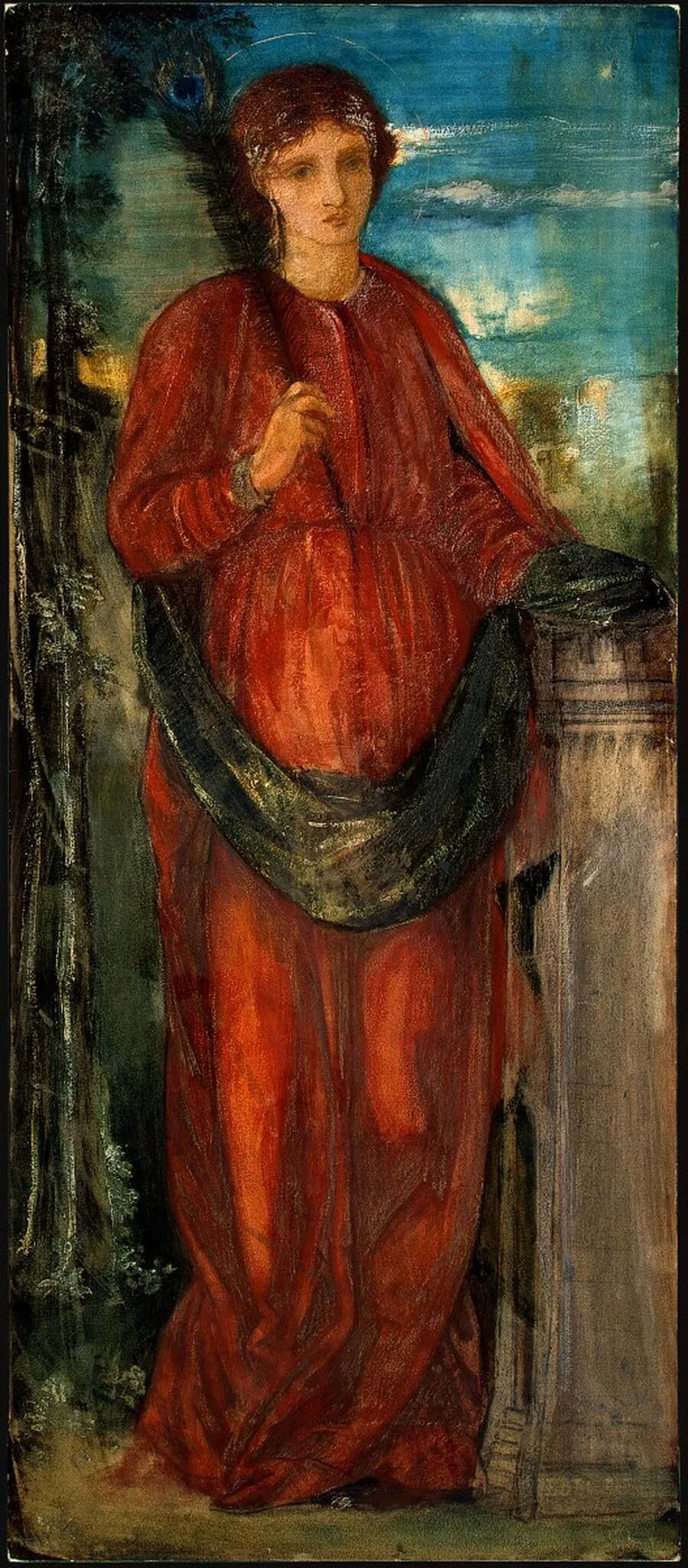
Saint Barbara is a tempera drawing by the Impressionist artist Edward Coley, Sir Burne-Jones. It dates from 1868 and is held in the collection of the National Gallery of Art.
About this work
Overview
This work depicts Saint Barbara, rendered in egg tempera with possible oil glazes and shell gold on paper, later mounted to canvas.
This work depicts Saint Barbara, rendered in egg tempera with possible oil glazes and shell gold on paper, later mounted to canvas. Though often described as a painting, its materials and support align more closely with a highly finished drawing. The use of charcoal and graphite underdrawing, combined with luminous metallic accents, suggests a meticulous, layered approach typical of late 19th-century preparatory and devotional works.
Subject & Meaning
Saint Barbara, a Christian martyr, is shown in quiet contemplation, her hand resting on her chest as if in prayer or inner reflection. The book she holds may symbolize her study of scripture or her eventual martyrdom linked to her faith. The golden halo signifies sanctity, while the faint architectural form beside her alludes to the tower in which she was imprisoned, a key element of her legend.
Technique & Style
The figure emerges through delicate layers of egg tempera and oil glazes, building subtle tonal transitions and luminous depth. Shell gold enhances the halo and possibly details of her robe, adding reflective texture. Soft, blended brushwork in the background creates an atmospheric haze, contrasting with the crisp, saturated red of her garment, which anchors the composition without overt drama.
History & Provenance
Executed in 1868, the work belongs to Edward Burne-Jones’s period of intense engagement with medieval hagiography and Pre-Raphaelite aesthetics. It likely served as a study or devotional image, possibly intended for private contemplation. Its mounting on canvas suggests later conservation efforts, though its original context remains undocumented in public records.
Context
Created during the height of the Pre-Raphaelite movement, the piece reflects a broader revival of religious iconography filtered through medievalism and symbolic introspection. Burne-Jones, influenced by Dante Gabriel Rossetti and early Italian art, favored ethereal figures and restrained color palettes, diverging from theatrical religious narratives in favor of quiet, inward spirituality.
Legacy
Though less exhibited than Burne-Jones’s large-scale paintings, this work exemplifies his mastery of intimate, layered techniques and his commitment to spiritual themes through refined materiality. It contributes to understanding how religious subjects were reimagined in Victorian art beyond public altarpieces, into private, contemplative forms.
Artist & collection


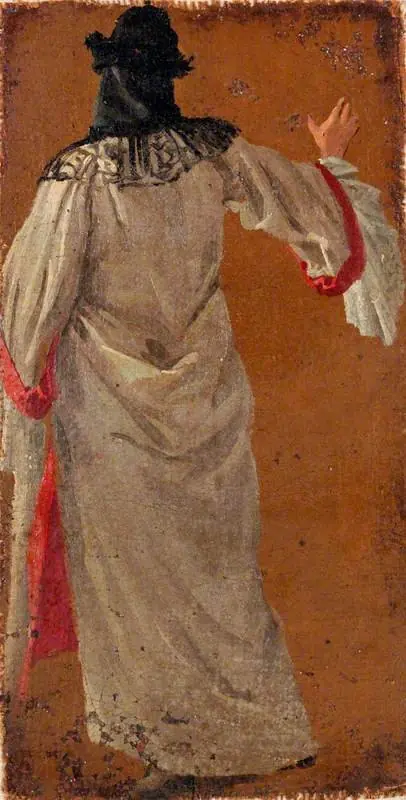 A Man in a White Domino Seen from Behind
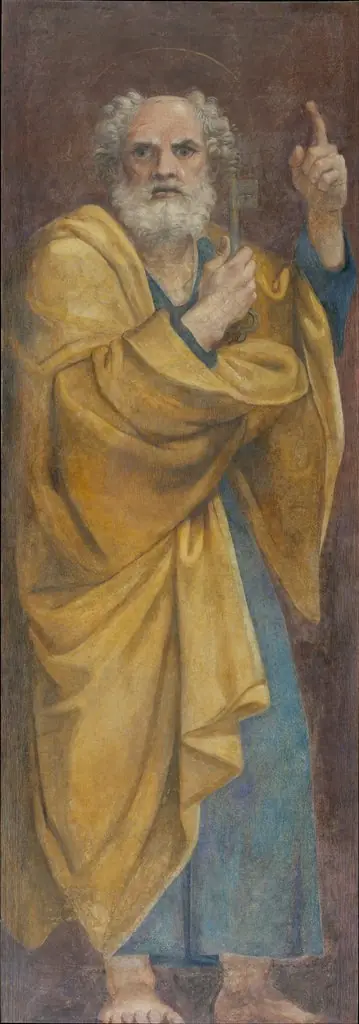 Saint Peter
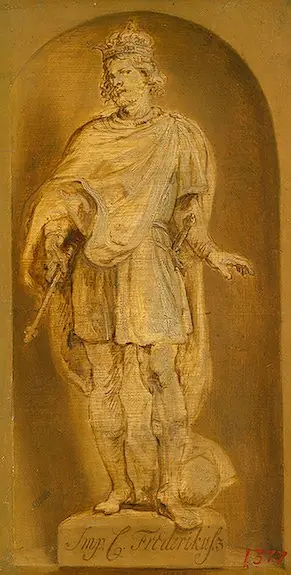 Statue of Frederick III in a niche
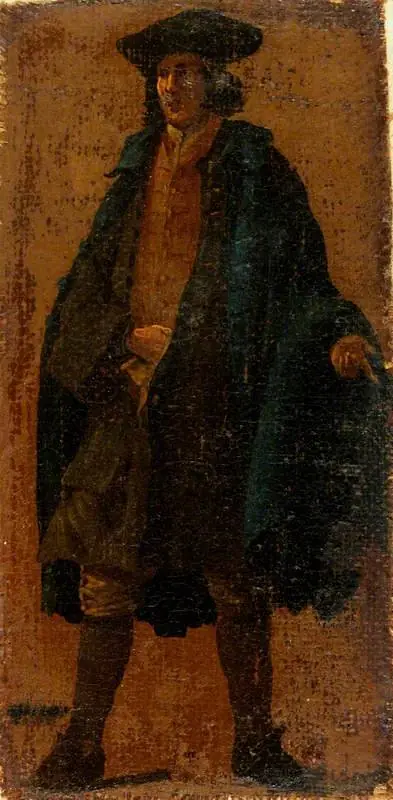 A Man Wearing a Blue Cloak
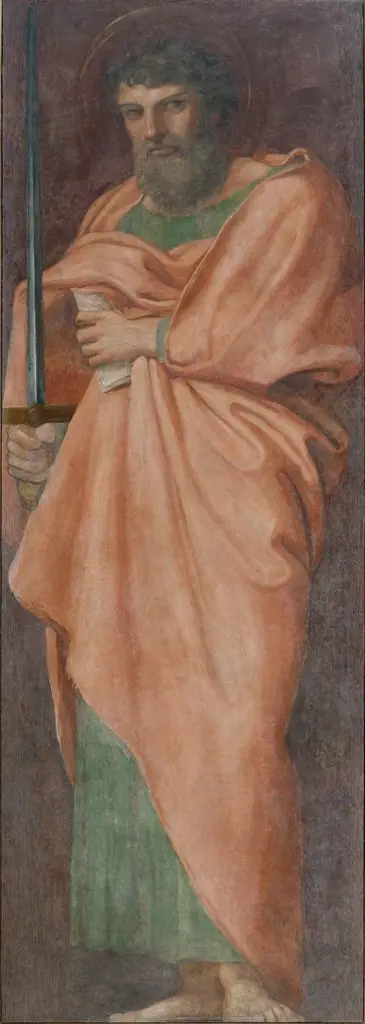 Saint Paul
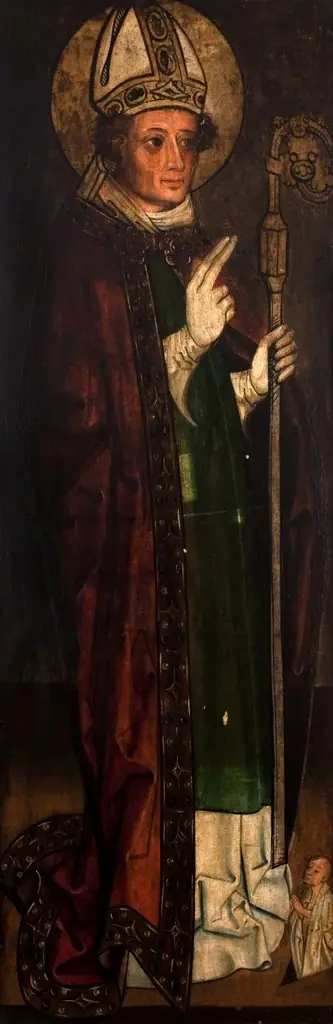 St Stanislaus (obverse); Archangel Gabriel from the Scene of the Annunciation (reverse). Wing of the altar retable from Snoza
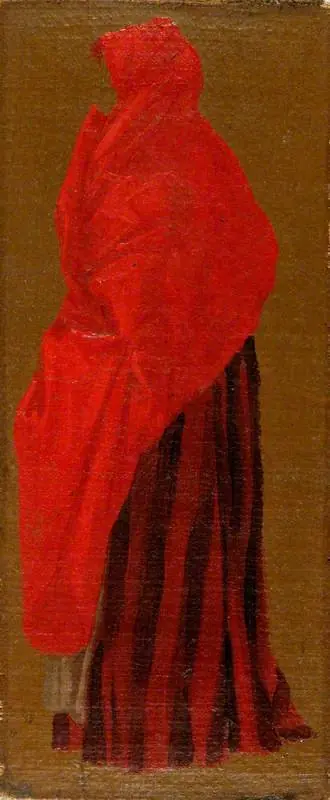 A Lady Seen from Behind
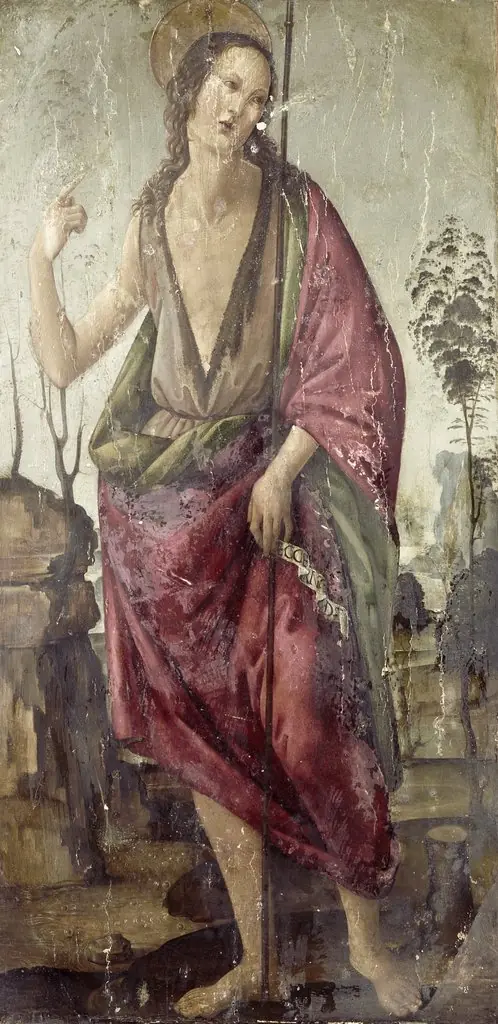 John the Baptist
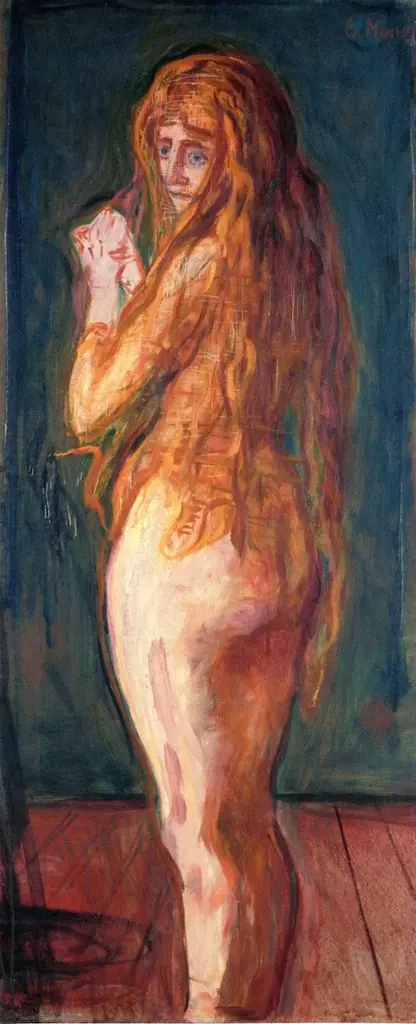 Nude with Long Red Hair
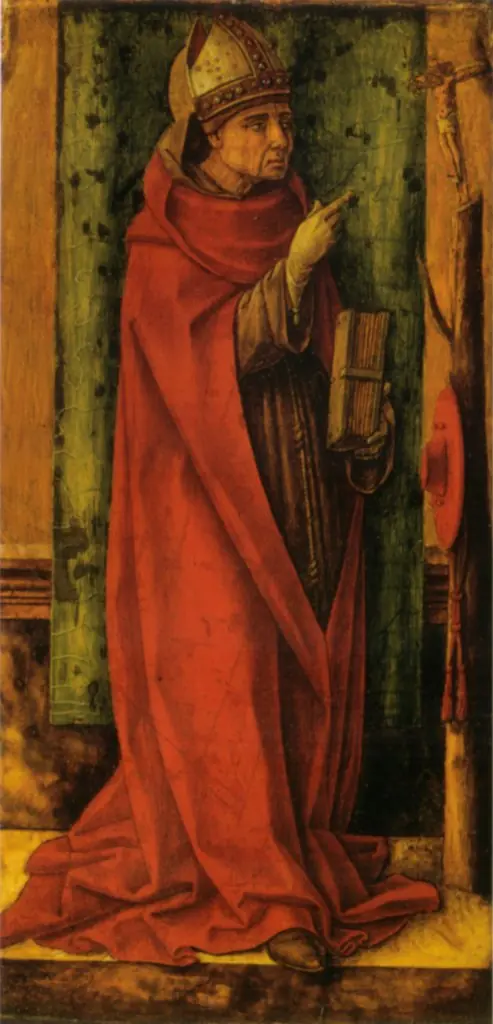 Bonaventure
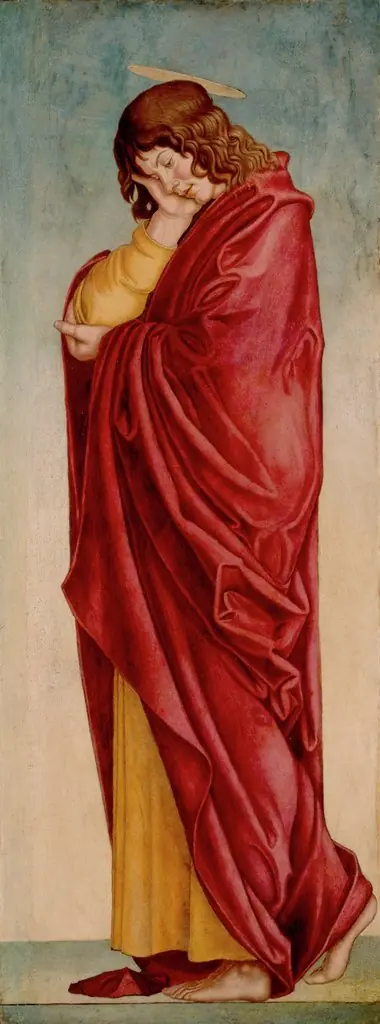 The Mourning Saint John
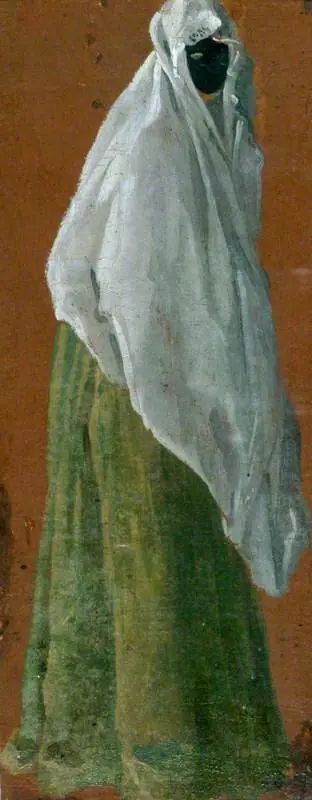 A Masked Lady