Artwork
Babă șezând
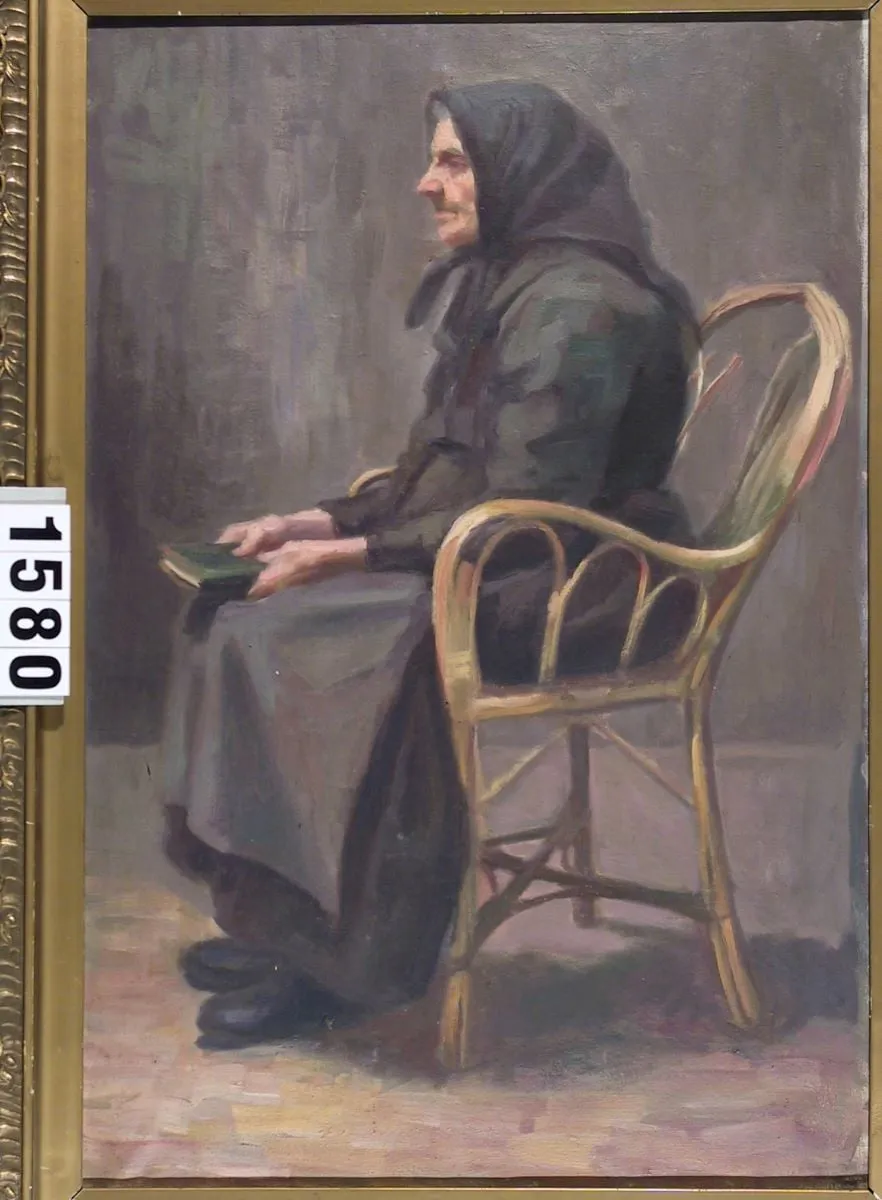
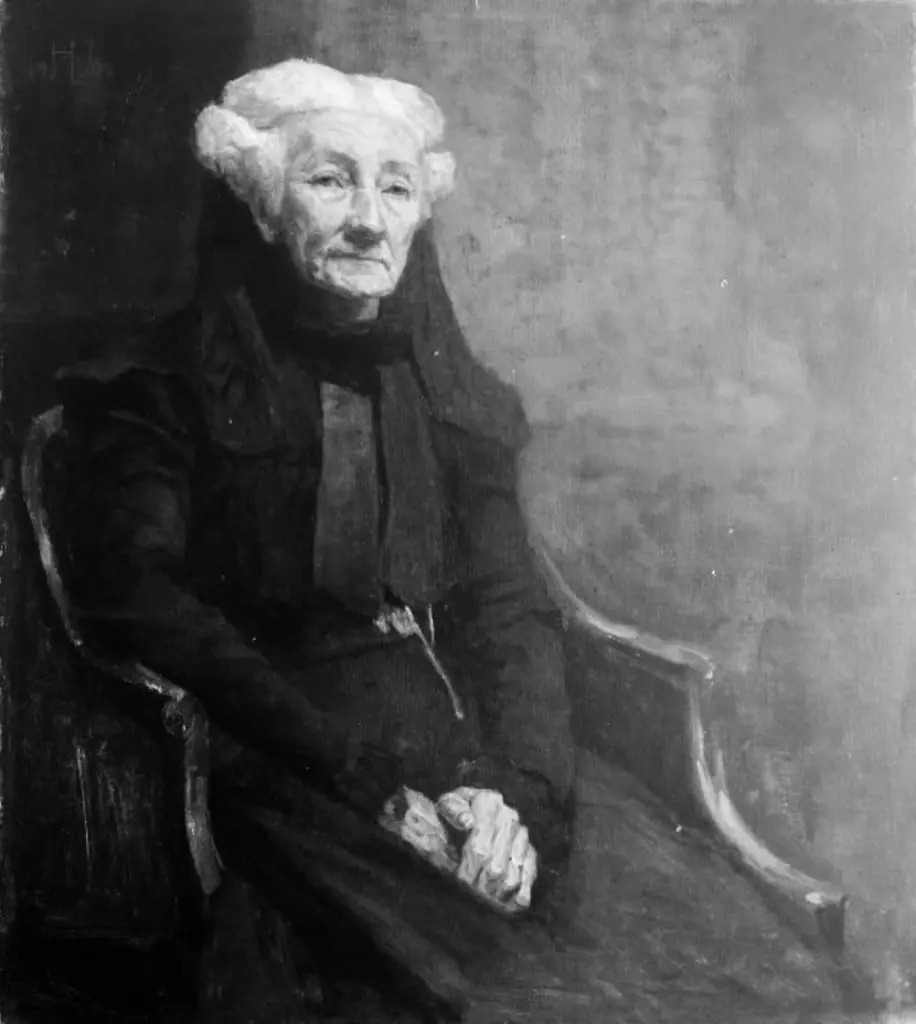
Babă șezând is a print by Maria Cabadaeff-Drăgan. It is held in the collection of the Brukenthal National Museum. This painting depicts an elderly woman seated in a plain wooden chair, her posture relaxed yet weary.
About this work
Overview
This painting depicts an elderly woman seated in a plain wooden chair, her posture relaxed yet weary. Dressed in a dark, draped cloak and head covering, she holds a small book with quiet dignity. The background is softly blurred, eliminating distractions and directing attention to her presence. Muted tones of gray and purple dominate, reinforcing a sense of stillness and introspection.
Subject & Meaning
The figure appears to be a rural elder, engaged in solitary contemplation. The book she holds suggests literacy or spiritual practice, though its content remains unseen. Her expression is neither joyful nor distressed, but marked by quiet endurance. The absence of context or narrative cues invites viewers to consider the inner life of someone often overlooked in art.
Technique & Style
Loose, unhurried brushwork gives the painting a tactile, almost impressionistic quality. The chair’s woven seat and curved back are rendered with subtle texture, contrasting with the smooth, blended tones of her clothing. Colors are restrained, avoiding contrast to preserve the scene’s intimacy. The soft focus on the background enhances the figure’s emotional weight without theatricality.
History & Provenance
The painting’s origin is not documented in public records, and its creator remains unidentified. It was likely produced in the late 19th or early 20th century, during a period when rural life was increasingly documented by regional artists. Its current location is unknown, though similar works are held in ethnographic collections across Eastern Europe.
Context
This image reflects a broader cultural interest in portraying rural elders during a time of rapid social change. As urbanization grew, artists and collectors turned to traditional figures as symbols of continuity. The quiet dignity of the subject aligns with ethnographic efforts to preserve the visual culture of peasant communities before they disappeared.
Legacy
Though not widely exhibited, the painting contributes to a quiet tradition of portraiture that honors ordinary lives without sentimentality. Its emphasis on stillness and restraint resonates with later realist and regionalist movements. Museums focusing on folk culture continue to value such works for their unembellished insight into daily existence.
Artist & collection
Artist
Maria Cabadaeff-Drăgan made candid portraits of rural life in late 19th- and early 20th-century Transylvania.

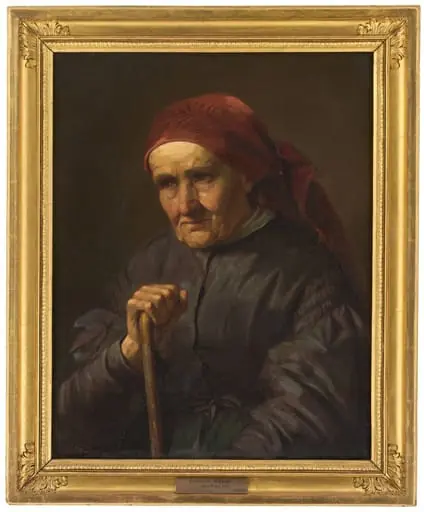 Brustbild einer alten Bäuerin
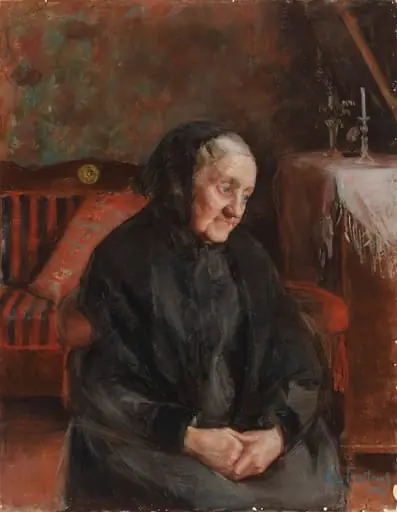 Isoäiti, tohtorinna Augusta Frosteruksen (os. Norling) muotokuva
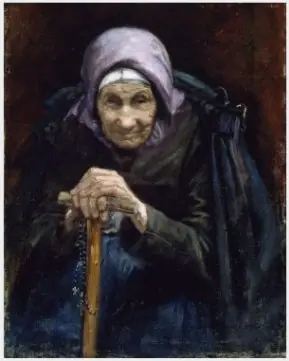 The Fisherman's Mother
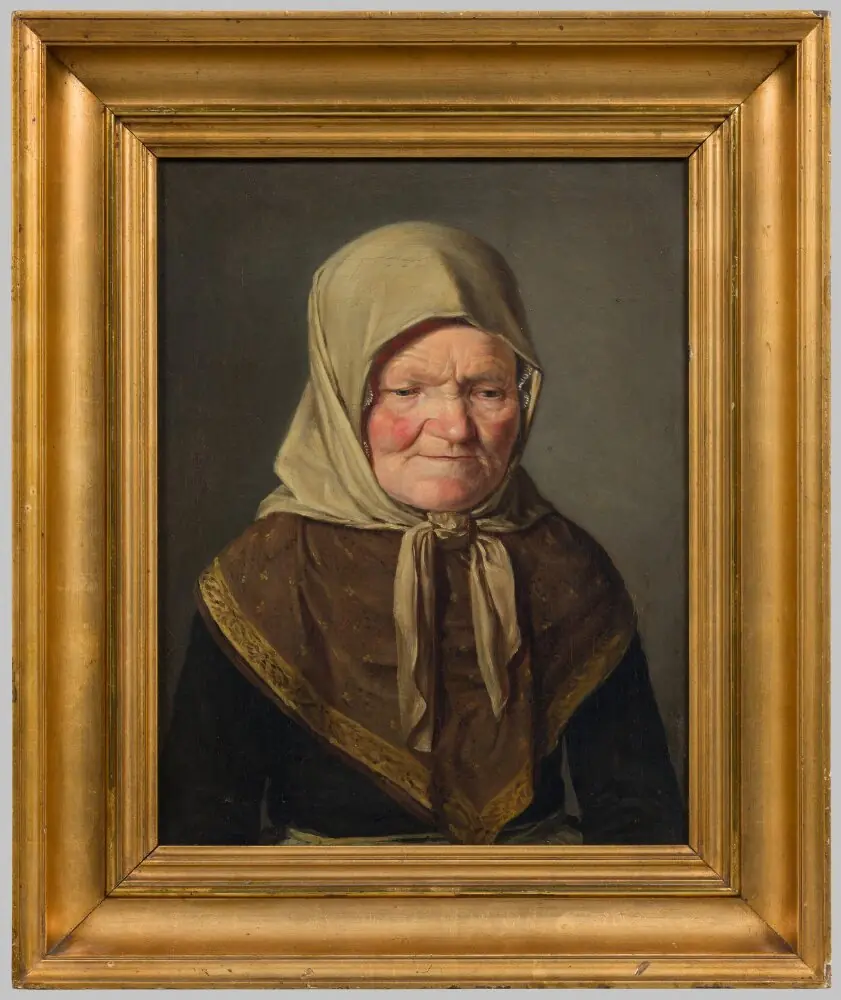 Study of an Old Woman with a Huckle and a Shawl
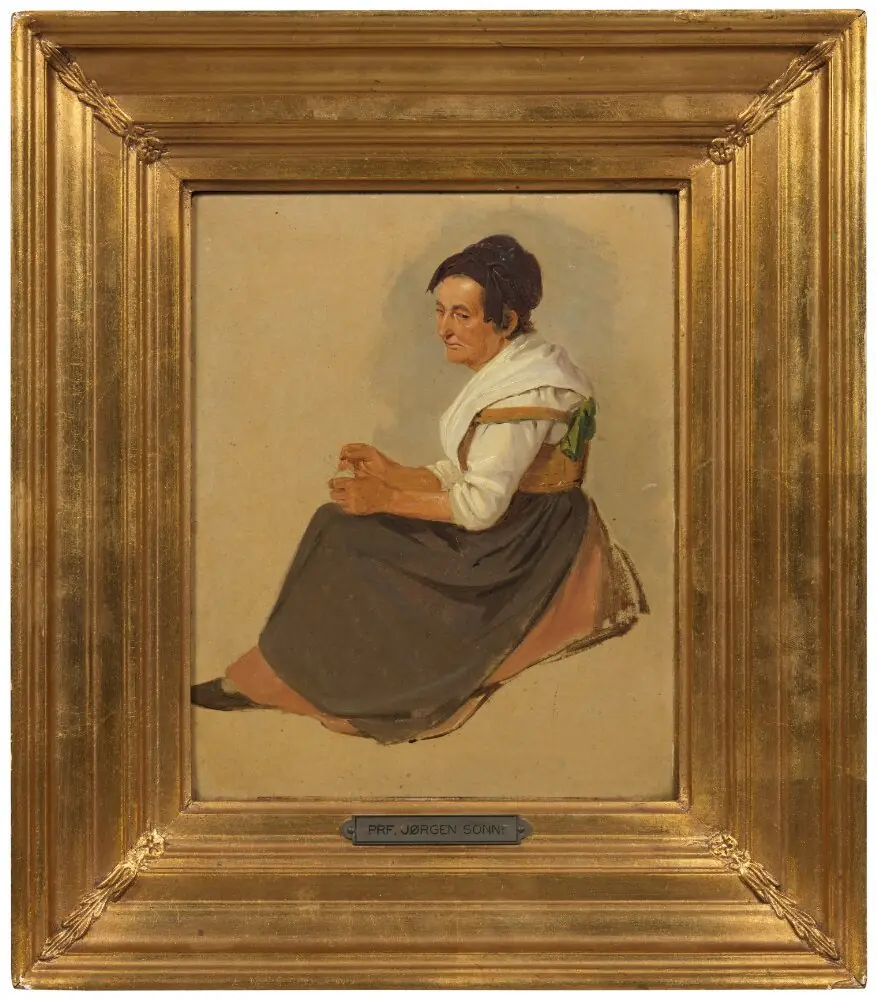 Italian Woman. Study
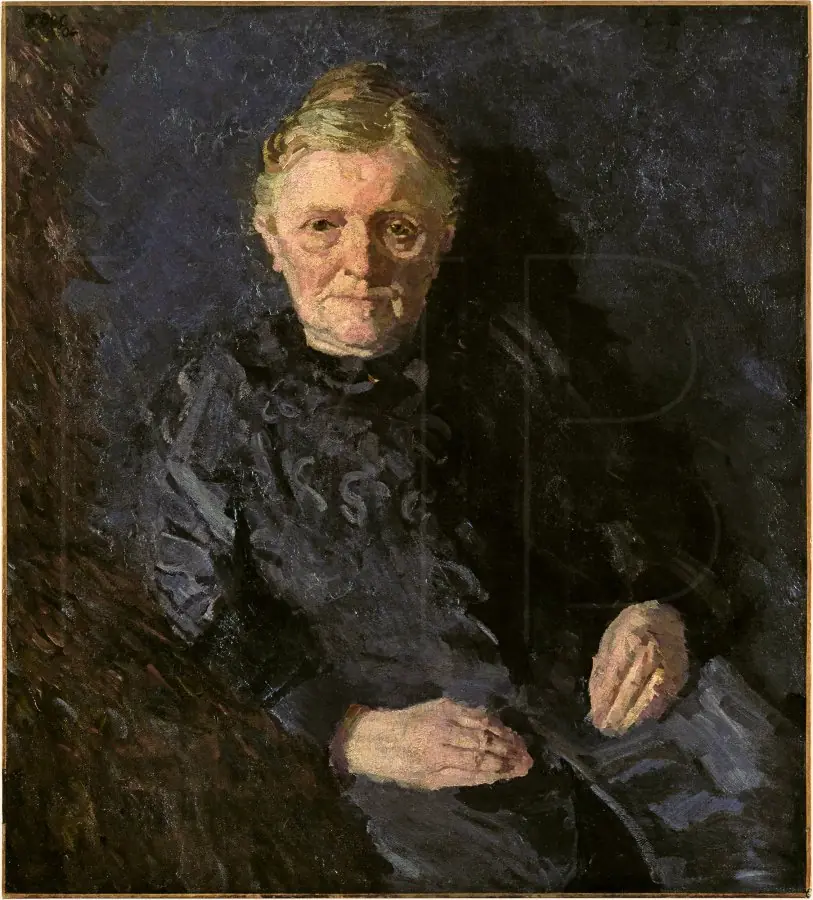 Portrait of His Mother
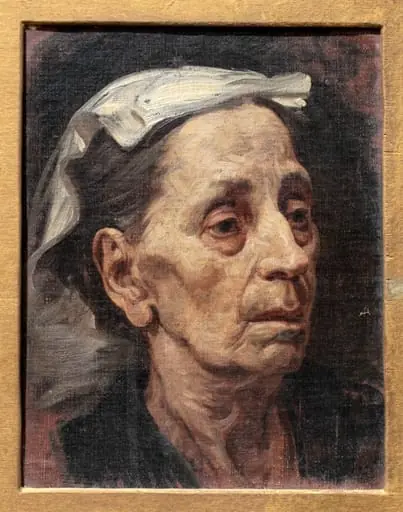 Cap de bătrână
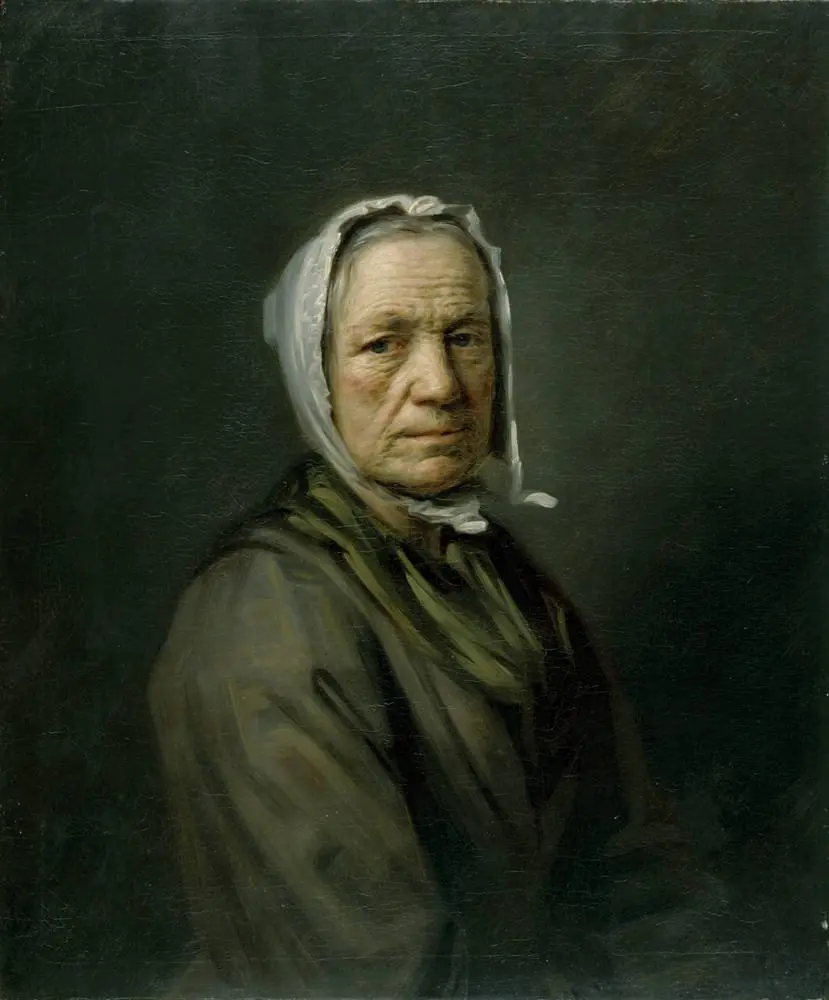 Bejahrte Frau mit weißer Haube
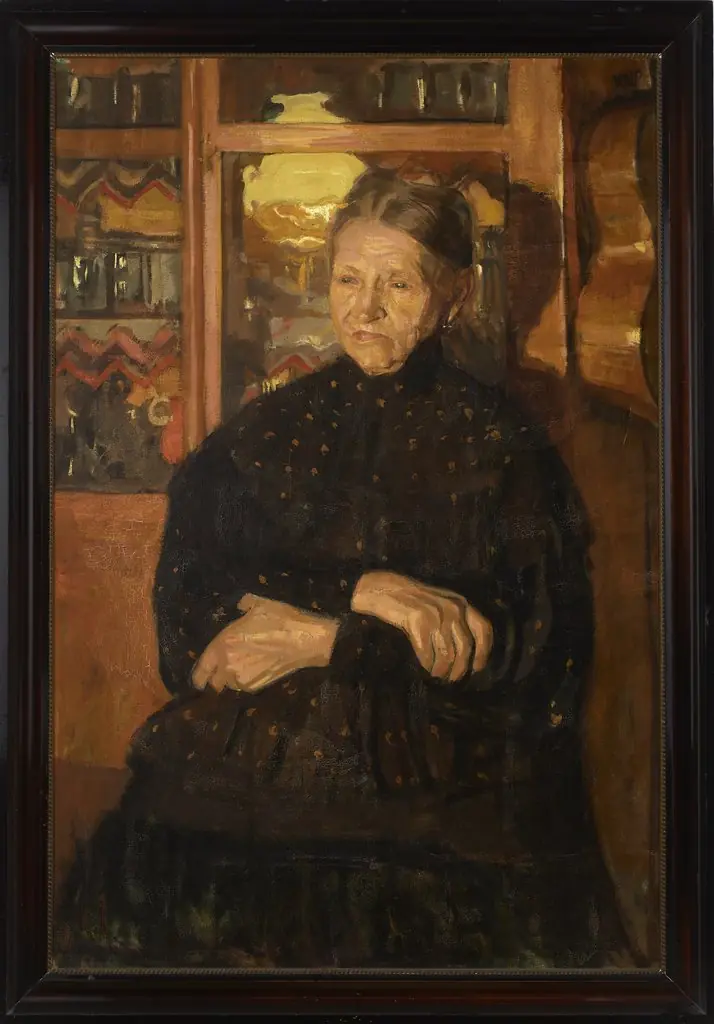 By Lightlamp – Portrait of Artist's Aunt
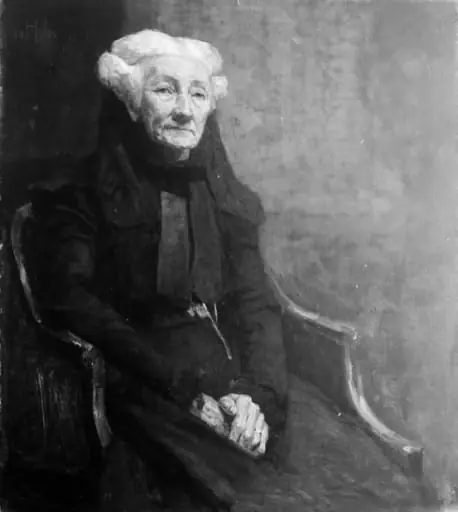 Dameportræt. Frøken Schmiegelow
 Dameportræt. Frøken Schmiegelow
 Mary Griffiths of Llandovery