Artwork
John Baptist Lully
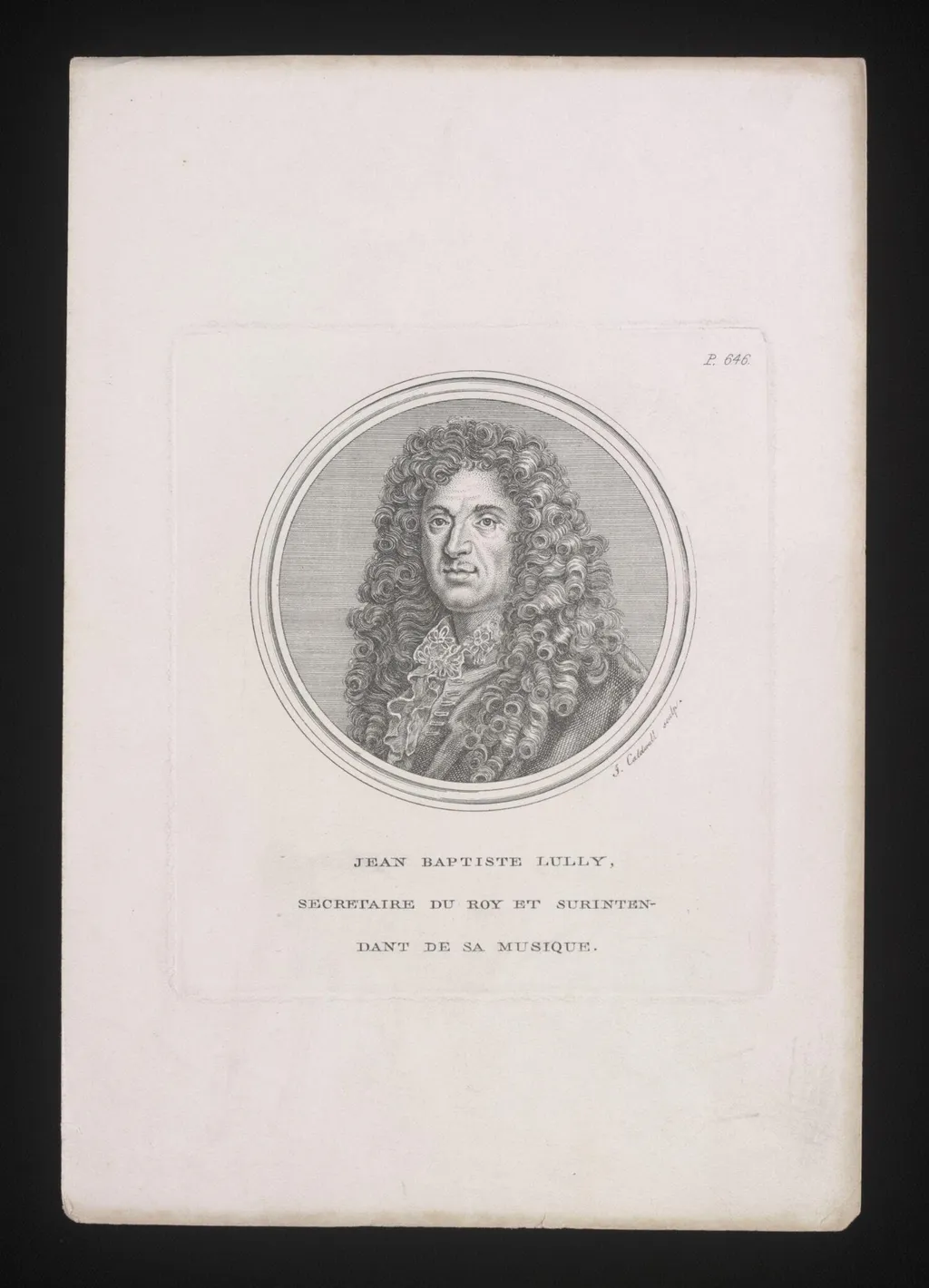
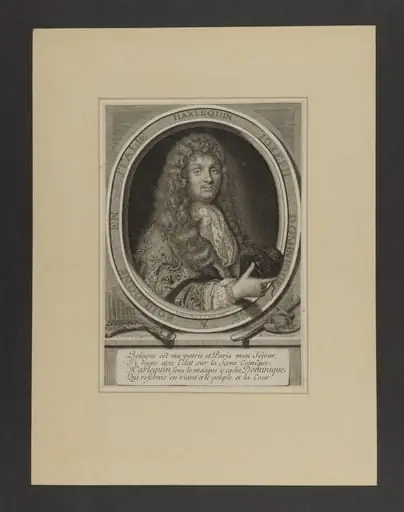
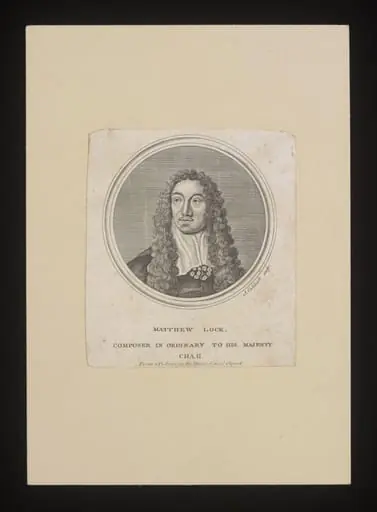
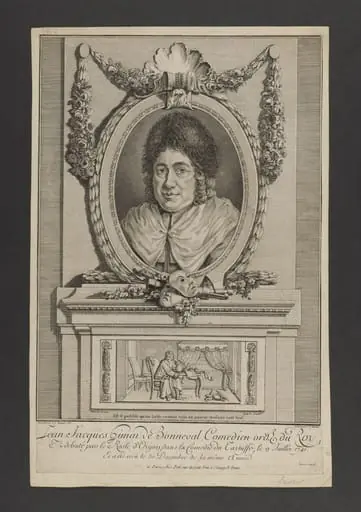
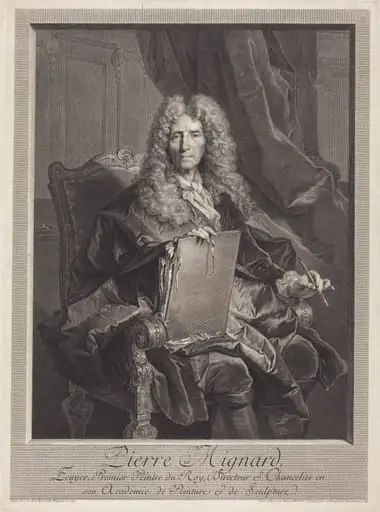
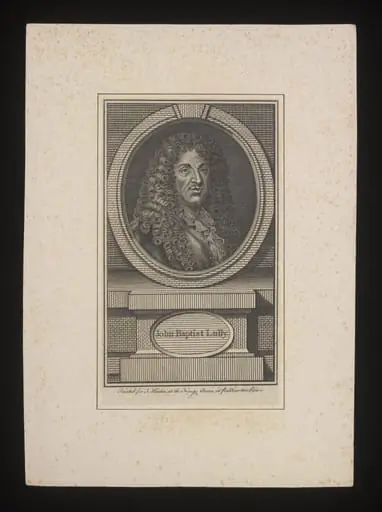
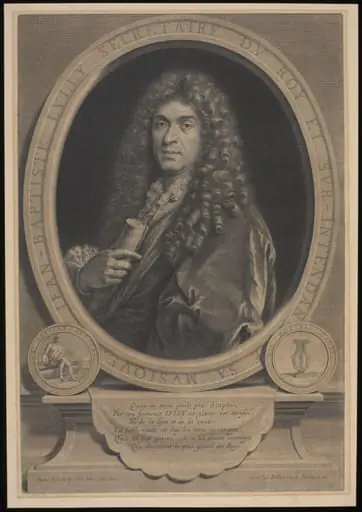
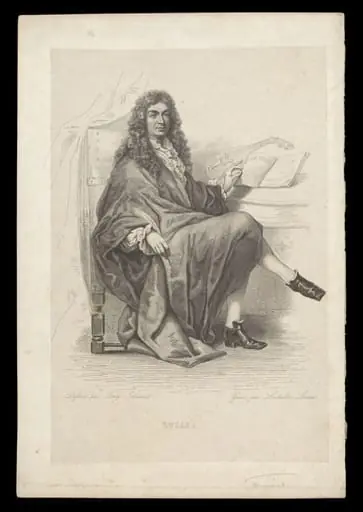
John Baptist Lully is a print by John Caldwall. It dates from 1750 and is held in the collection of the Victoria and Albert Museum. This 18th‑century print portrays the French court composer Jean‑Baptiste Lully.
About this work
Overview
This 18th‑century print portrays the French court composer Jean‑Baptiste Lully. Executed by the English engraver John Caldwall, the image is a flat, paper‑based representation rather than a painted work. The print is held in the Harry Beard Collection of the Victoria and Albert Museum.
Subject & Meaning
Jean‑Baptiste Lully (1632–1687) was a central figure in the musical life of Louis XIV’s court, known for developing French opera and ballet music. The portrait emphasizes his status as a royal composer, presenting him in dignified attire befitting his official position.
Technique & Style
Caldwall employed line engraving, a common 18th‑century method for reproducing likenesses. The work relies on fine hatching and cross‑hatching to suggest texture and depth, producing a clear yet restrained visual effect characteristic of contemporary portrait prints.
History & Provenance
The print entered the Harry Beard Collection, a private assemblage of prints and drawings that was later donated to the Victoria and Albert Museum. Its inclusion reflects the collection’s focus on British printmaking and notable cultural figures.
Context
During the 1700s, portrait prints served both as decorative objects and as means of disseminating images of prominent individuals across Europe. Caldwall’s depiction of Lully aligns with this practice, offering a visual record of a composer whose influence extended beyond France.
Artist & collection
Artist
John Caldwall specialized in small, finely detailed prints of men from the 17th and 18th centuries.