Artwork
Bartolomeo
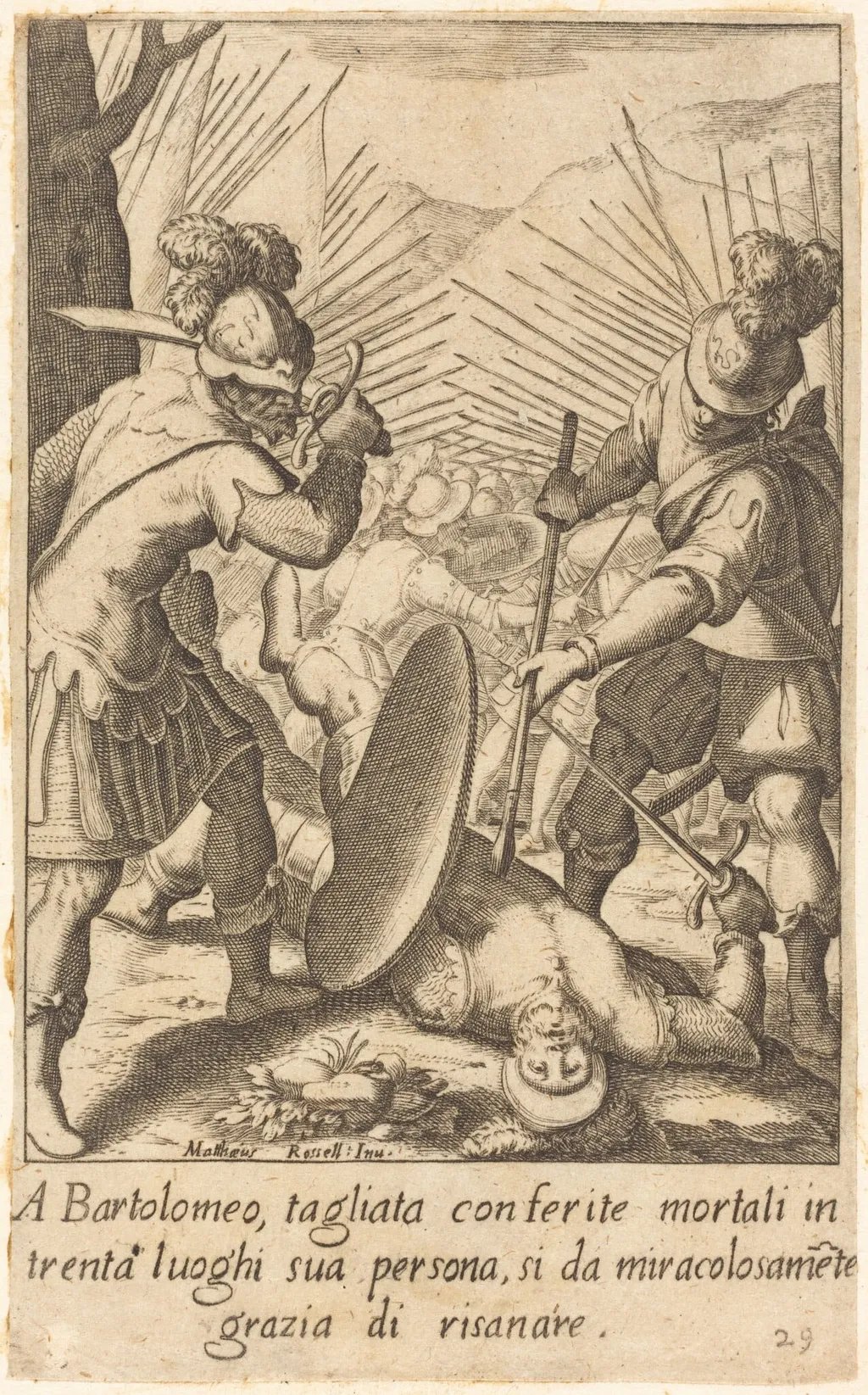
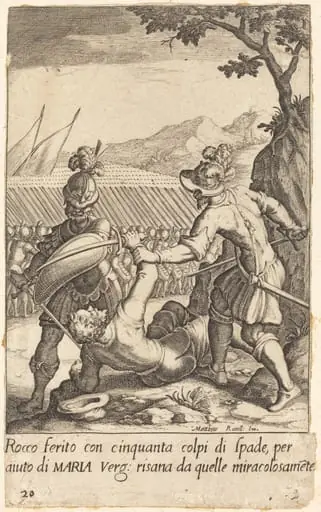
Bartolomeo is an ink print by the Baroque artist Jacques Callot. It dates from 1619 and is held in the collection of the National Gallery of Art.
About this work
Overview
Bartolomeo is an engraving on laid paper created by Jacques Callot in 1619. It is a representative work of the early Baroque period, showcasing Callot's skill as a French draftsman and printmaker from the Duchy of Lorraine.
Subject & Meaning
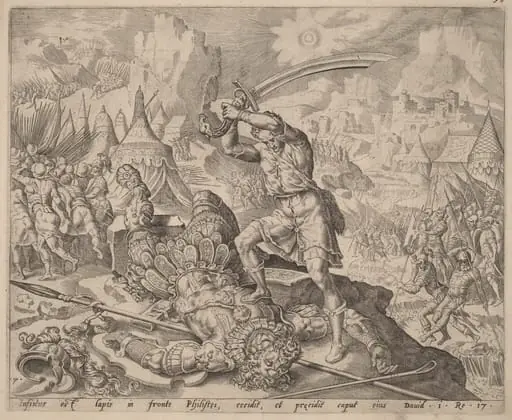
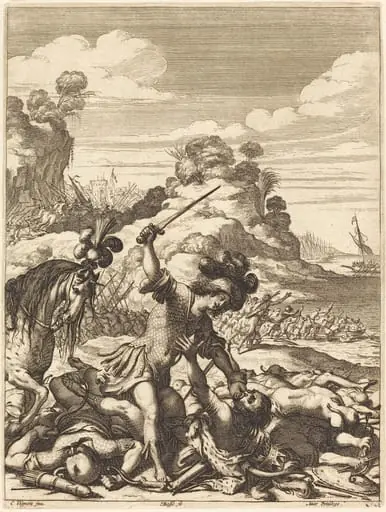
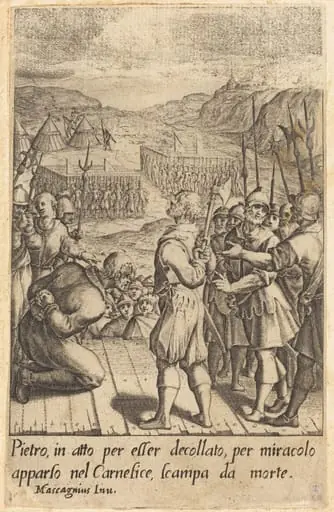
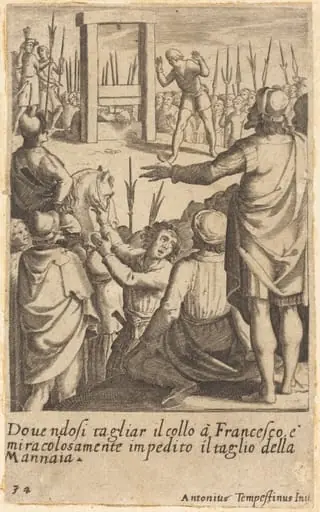
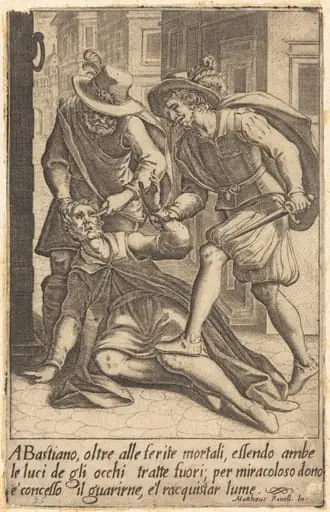
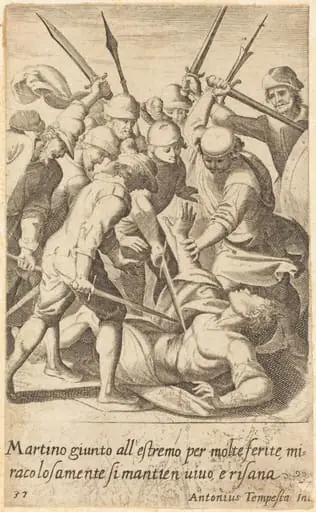
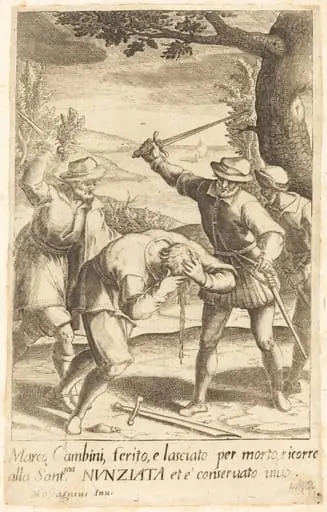
The engraving depicts a chaotic scene in a wooded area, with three men amidst scattered objects. One man lies bleeding on the ground, while another stands over him with a sword, and a third kneels nearby, holding a helmet. The scene is accompanied by an explanatory text in Italian.
Technique & Style
Callot employed sharp lines and heavy shading to convey a sense of movement and tension. The engraving exemplifies his precise technique and focus on human subjects, characteristic of his work in advancing old master printmaking.
Context
Callot was a prolific artist, producing over 1,400 etchings that documented various aspects of contemporary life, including soldiers, beggars, and courtly scenes, often set against detailed landscapes.
Artist & collection
Artist
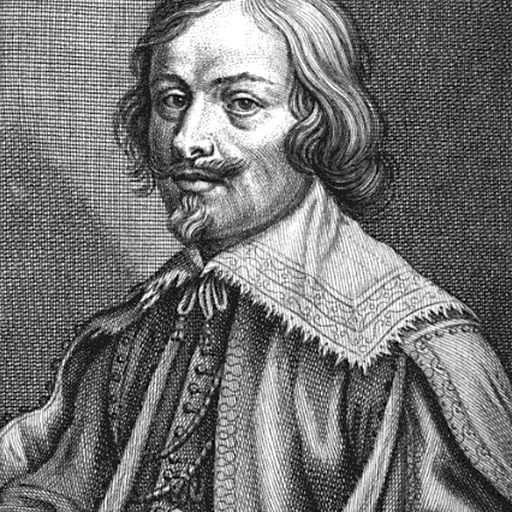
Jacques Callot was a baroque printmaker and draftsman from the Duchy of Lorraine.

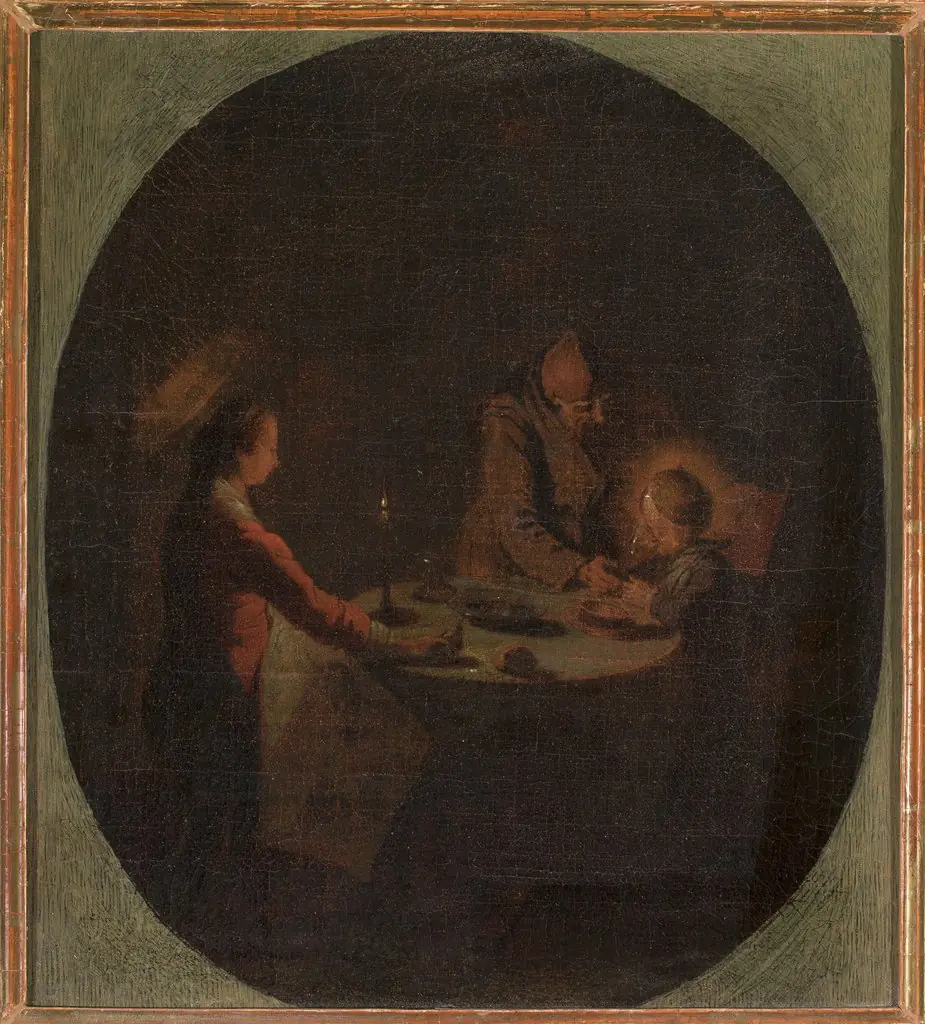 Holy Family at supper
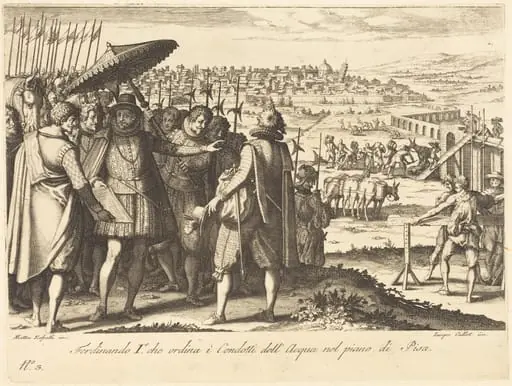 Restoration of the Aqueduct at Pisa
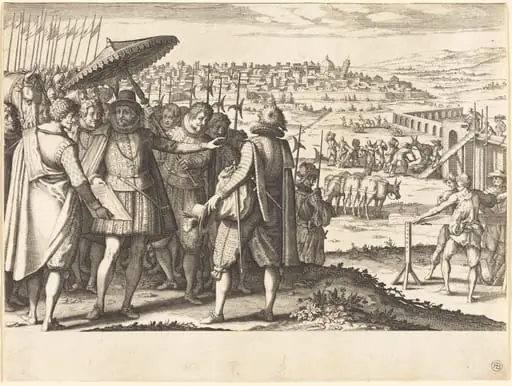 Restoration of the Aqueduct at Pisa
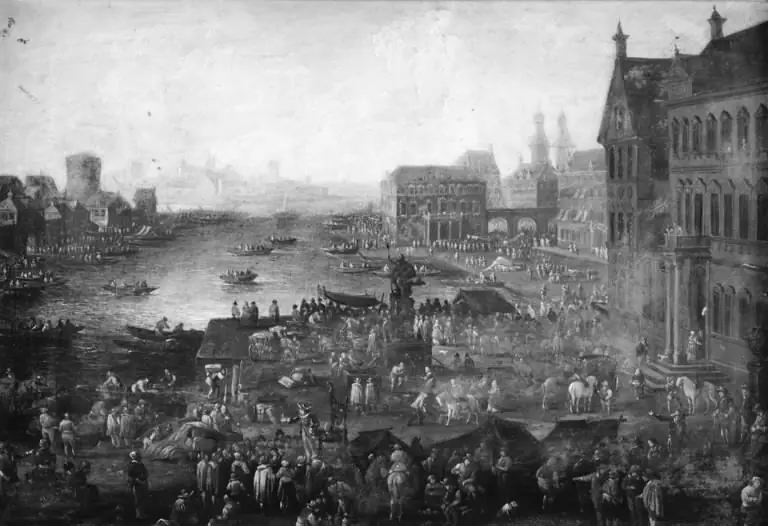 Square in Paris with Many Figures
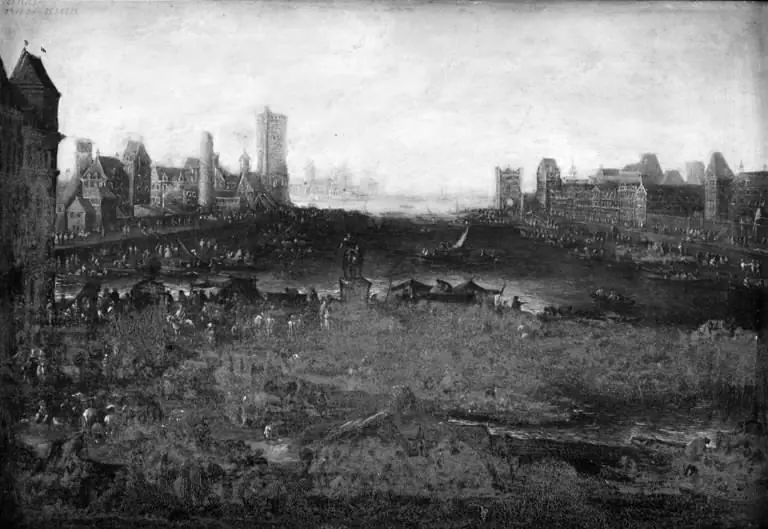 Square in Paris with Many Figures
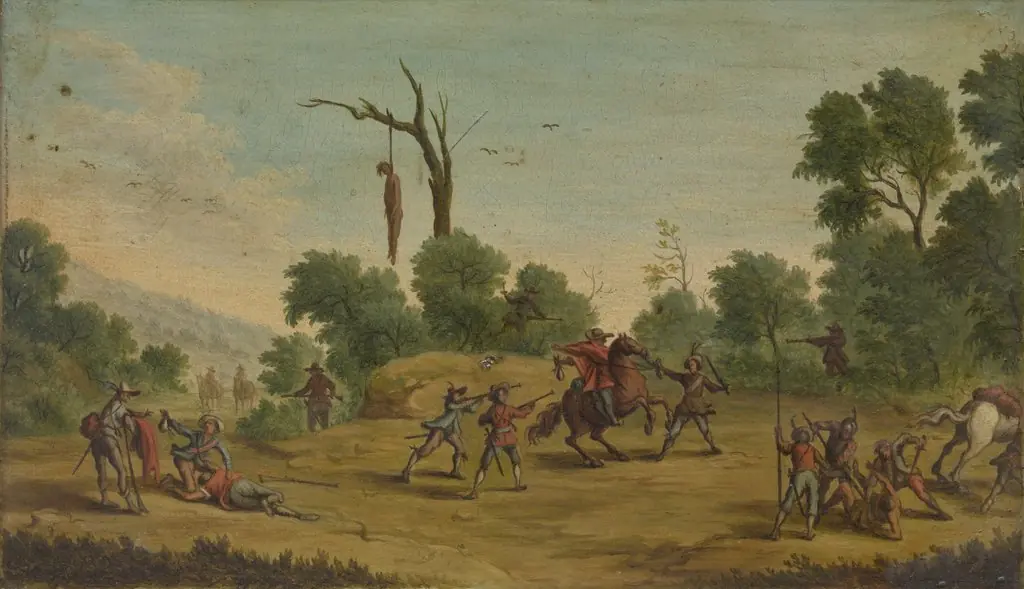 Horsemen Attacked by Robbers
 HOW WILL A COVERED PART BE CORRECTED?HOW WIKA A COVERED HEART DEED CORRECTED?
![Christ Walking on the Water [second plate], by Jacques Callot](https://artifactworldgallery.com/img/jacques-callot--christ-walking-on-the-water-second-plate--2069f3bfe4cb2126-w320.webp) Christ Walking on the Water [second plate]
Christ Walking on the Water [second plate]