Artwork
Francesco
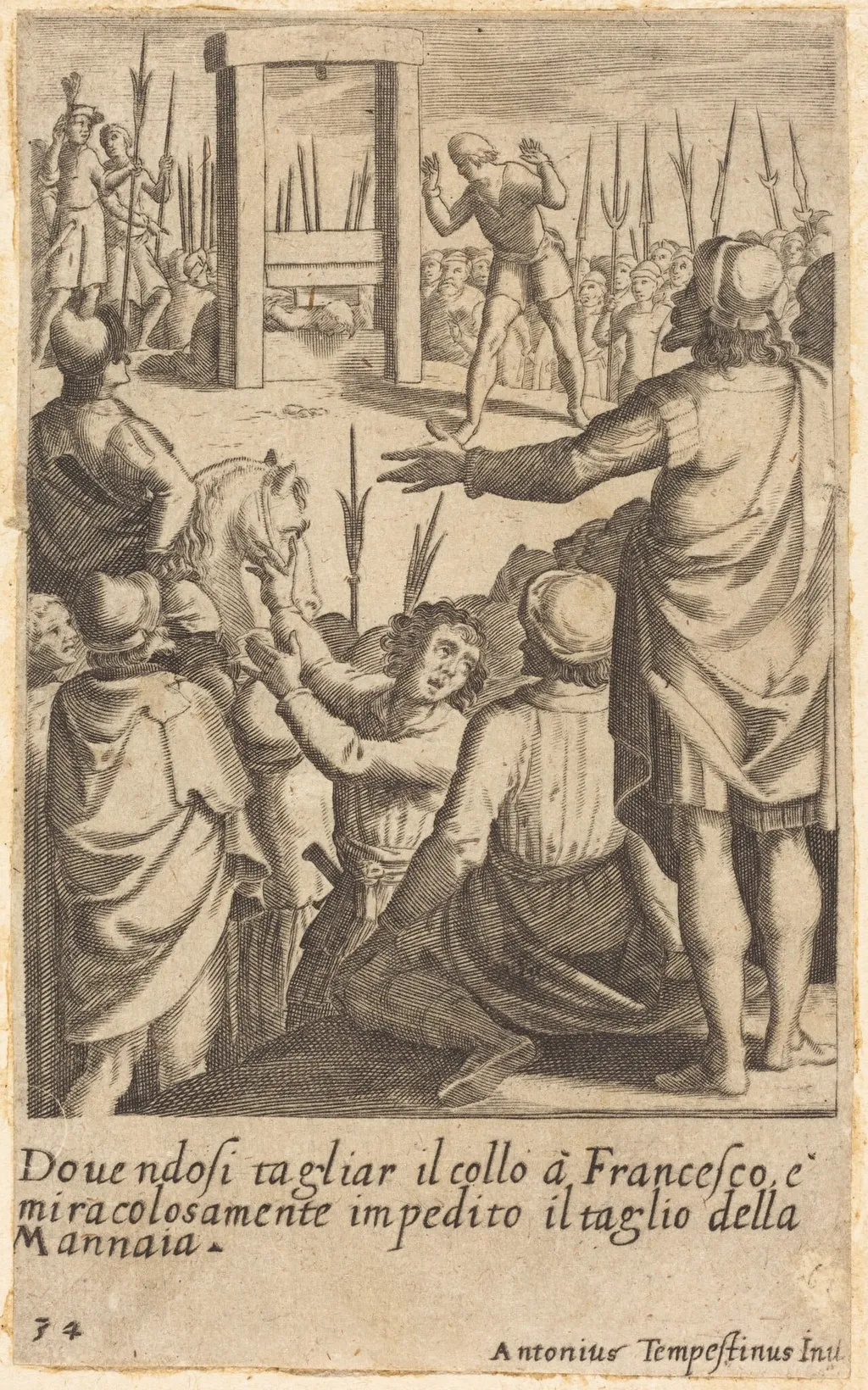
Francesco is an ink print by the Baroque artist Jacques Callot. It dates from 1619 and is held in the collection of the National Gallery of Art.
About this work
Overview
Jacques Callot created this 1619 engraving on laid paper, part of a vast body of work documenting early 17th-century life in Lorraine and beyond. As a skilled printmaker, he specialized in fine-line etching to capture everyday scenes with precision. This piece, titled *Francesco*, presents a public figure addressing an audience, reflecting Callot’s interest in social types and urban spectacle.
Subject & Meaning
The composition emphasizes the relationship between speaker and audience, hinting at themes of authority, persuasion, or communal gathering.
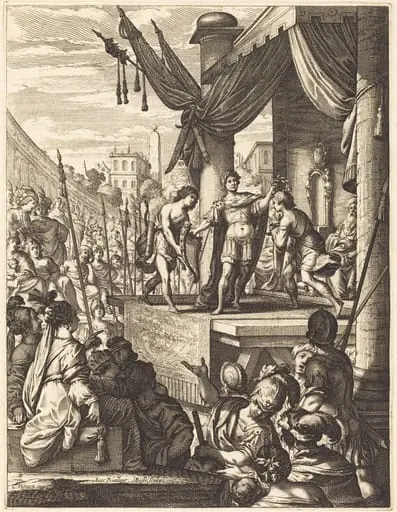
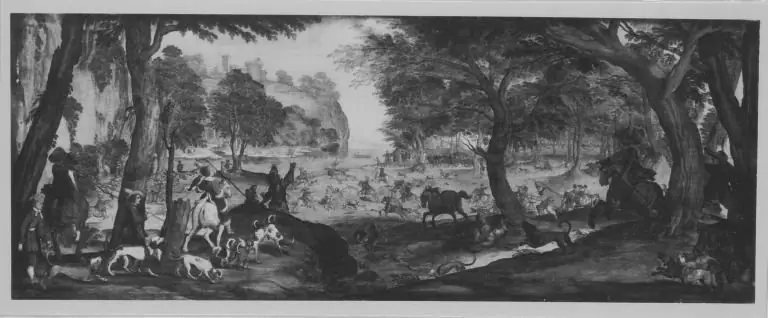
The central figure, likely a preacher or orator named Francesco, stands on a raised platform, arms outstretched as if delivering a speech. Below, a mixed crowd of townspeople, including a mounted rider, observes him. The setting suggests a public square, with architectural elements framing the scene. The composition emphasizes the relationship between speaker and audience, hinting at themes of authority, persuasion, or communal gathering.
Technique & Style
Callot employed fine cross-hatching and delicate line work to model form and texture, creating depth through controlled shading. The background features intricate details—fencing, stonework, and architectural openings—rendered with meticulous care. His technique enhances spatial clarity while maintaining a sense of immediacy, characteristic of Baroque printmaking’s focus on realism and atmospheric detail.
History & Provenance
Produced in 1619, the engraving belongs to Callot’s early period in Florence and Lorraine, where he documented soldiers, festivals, and street scenes. It was likely made for private collectors or as part of a series. No definitive provenance is recorded before the 18th century, but it entered major collections by the 19th century, valued for its technical precision and social observation.
Context
Callot worked during a time of political instability and religious tension in Europe. His prints often captured the rhythms of civilian life amid war and upheaval. This scene may reflect the role of public speech in early modern society, where orators, preachers, or town criers shaped public opinion. The detailed setting aligns with contemporary interest in recording urban environments as cultural documents.
Legacy
Callot’s prints influenced generations of artists in printmaking and genre painting. His ability to render complex crowds and architectural spaces with clarity set a standard for narrative engraving. *Francesco* remains a representative example of his observational approach, valued today for its historical insight rather than artistic novelty.
Artist & collection
Artist
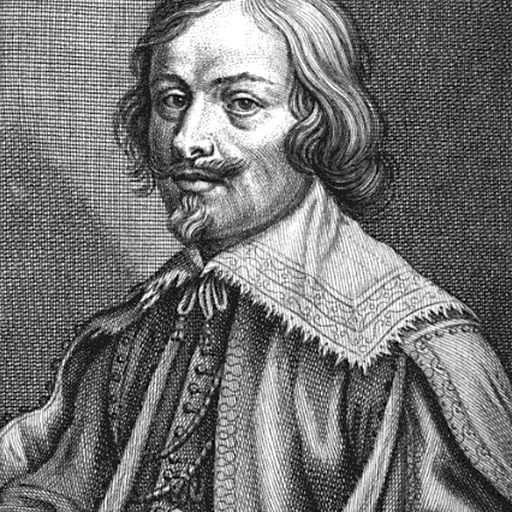
Jacques Callot was a baroque printmaker and draftsman from the Duchy of Lorraine.

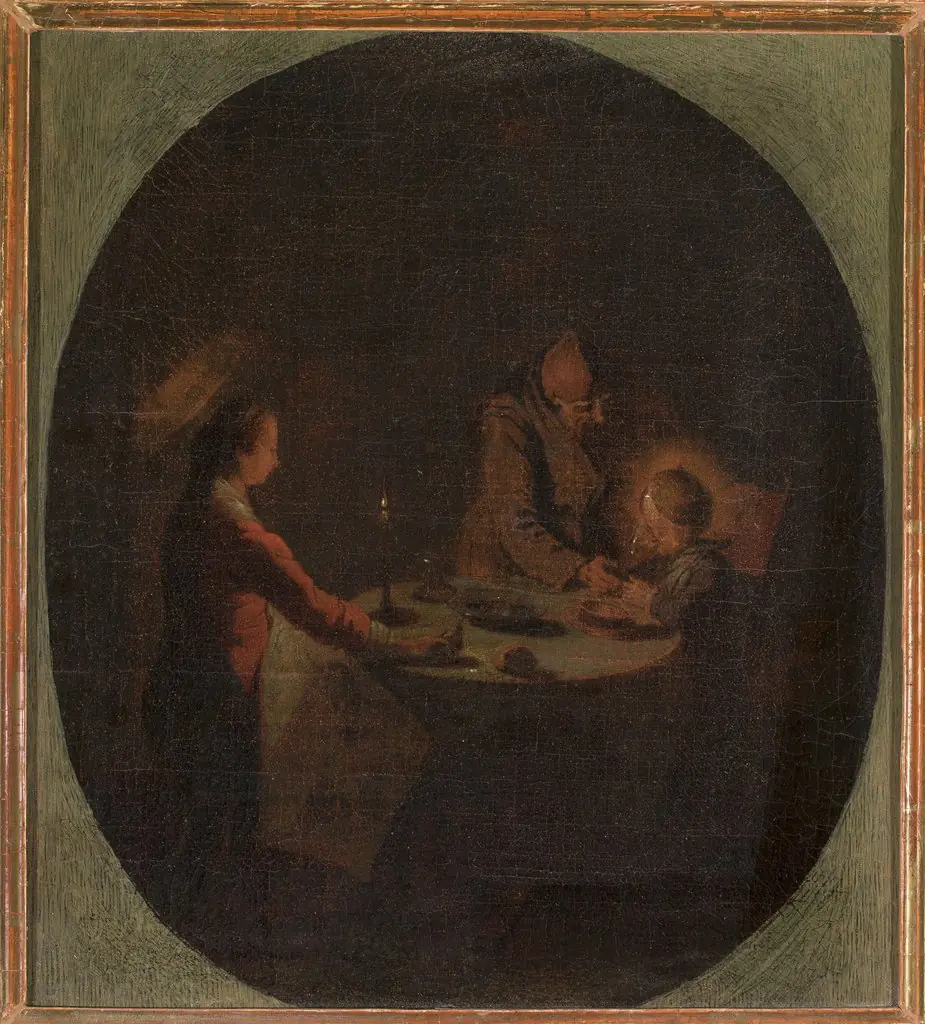 Holy Family at supper
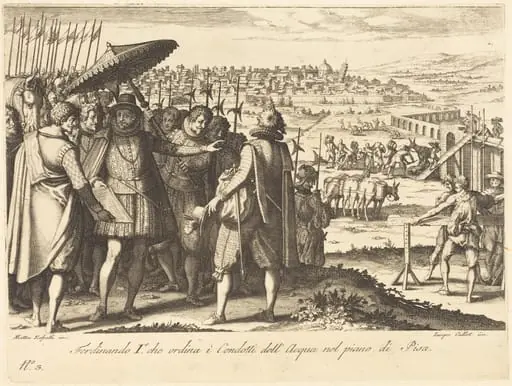 Restoration of the Aqueduct at Pisa
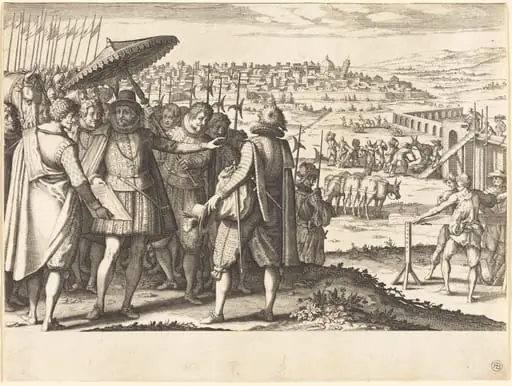 Restoration of the Aqueduct at Pisa
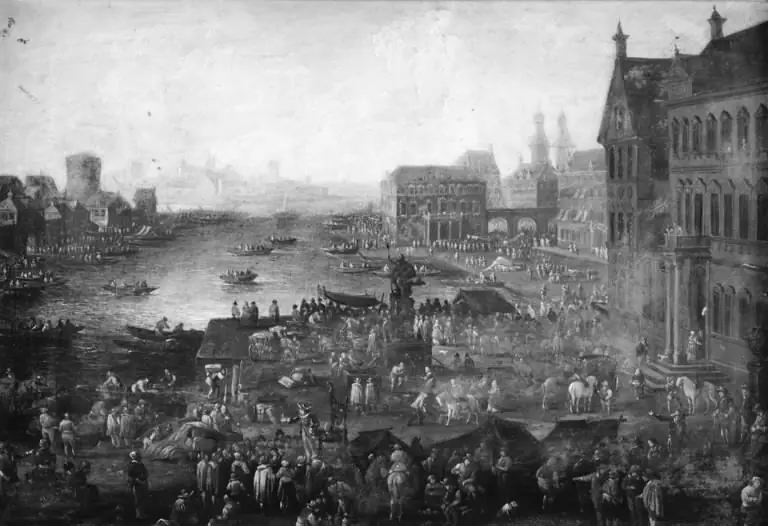 Square in Paris with Many Figures
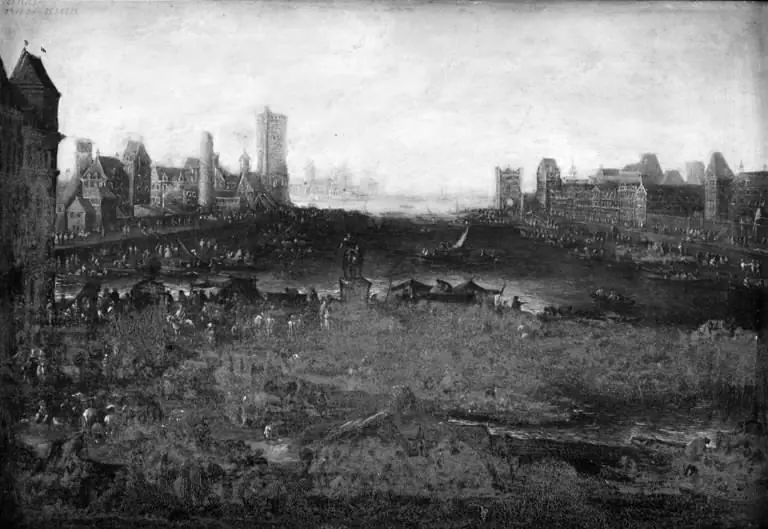 Square in Paris with Many Figures
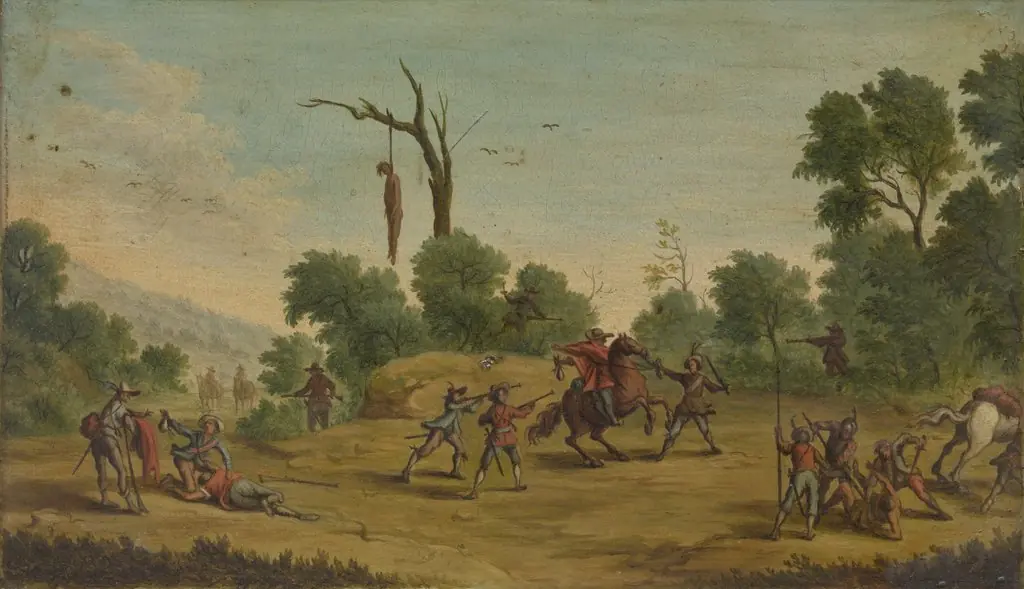 Horsemen Attacked by Robbers
 HOW WILL A COVERED PART BE CORRECTED?HOW WIKA A COVERED HEART DEED CORRECTED?
![Christ Walking on the Water [second plate], by Jacques Callot](https://artifactworldgallery.com/img/jacques-callot--christ-walking-on-the-water-second-plate--2069f3bfe4cb2126-w320.webp) Christ Walking on the Water [second plate]
Christ Walking on the Water [second plate]