Artwork
Bernardino
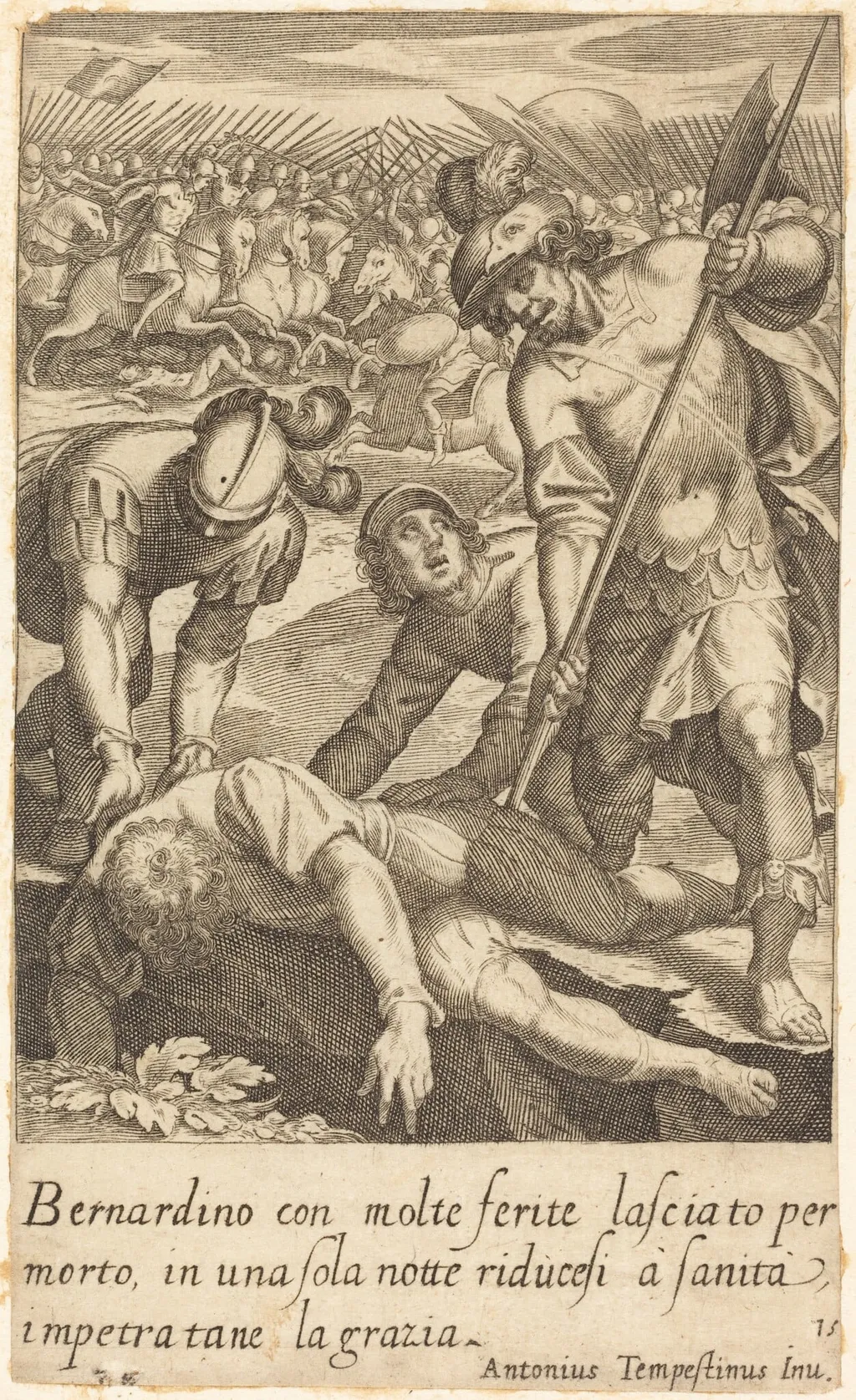
Bernardino is an ink print by the Baroque artist Jacques Callot. It dates from 1619 and is held in the collection of the National Gallery of Art.
About this work
Overview
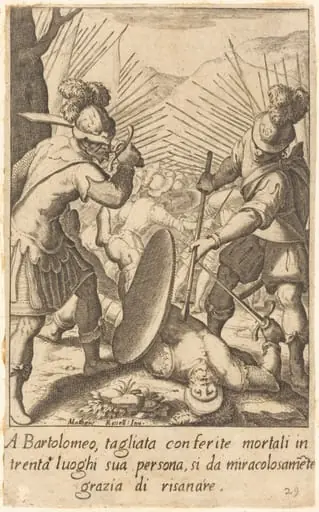
Bernardino is a 1619 engraving executed on laid paper by Jacques Callot, a prolific baroque printmaker from the Duchy of Lorraine. The image presents a dramatic, allegorical scene in which a wounded figure lies on the ground while a winged, spear‑bearing being hovers above, surrounded by turbulent clouds and numerous small faces in the sky.
Subject & Meaning
The central figure, named Bernardino in the accompanying text, is depicted as gravely injured, clutching his side in pain. The inscription explains that he was left for dead but recovered overnight through divine grace, indicating an allegorical narrative about suffering, redemption, and miraculous healing.
Technique & Style
Callot employs fine, intersecting lines to model the figures and suggest depth, a hallmark of his printmaking. The swirling clouds and crowded sky are rendered through dense cross‑hatching, creating a sense of movement and tension that amplifies the dramatic moment.
History & Provenance
Created in 1619, Bernardino belongs to Callot’s extensive output of more than 1,400 prints that document a wide range of social types and scenes. The work exemplifies his role in the evolution of early modern printmaking, particularly in the baroque period of the early seventeenth century.
Context
Callot’s prints often combined detailed observation of contemporary life with imaginative, sometimes fantastical elements. Bernardino reflects this blend, juxtaposing a realistic portrayal of a wounded man with a mythic, winged figure, situating the work within the broader baroque interest in drama, allegory, and moral instruction.
Artist & collection
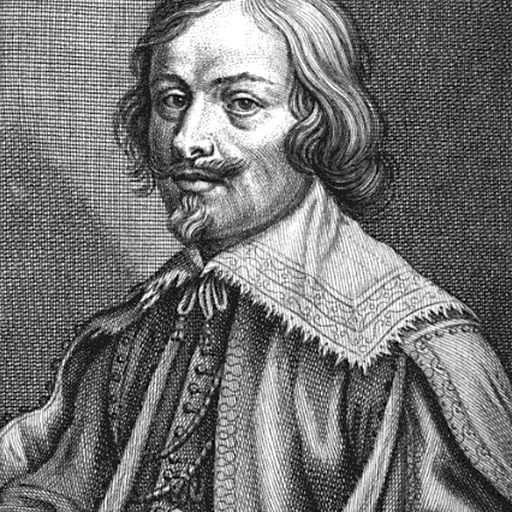
Artist
Jacques Callot was a baroque printmaker and draftsman from the Duchy of Lorraine.

 Holy Family at supper
 Restoration of the Aqueduct at Pisa
 Restoration of the Aqueduct at Pisa
 Square in Paris with Many Figures
 Square in Paris with Many Figures
 Horsemen Attacked by Robbers
 HOW WILL A COVERED PART BE CORRECTED?HOW WIKA A COVERED HEART DEED CORRECTED?
![Christ Walking on the Water [second plate], by Jacques Callot](https://artifactworldgallery.com/img/jacques-callot--christ-walking-on-the-water-second-plate--2069f3bfe4cb2126-w320.webp) Christ Walking on the Water [second plate]
Christ Walking on the Water [second plate]
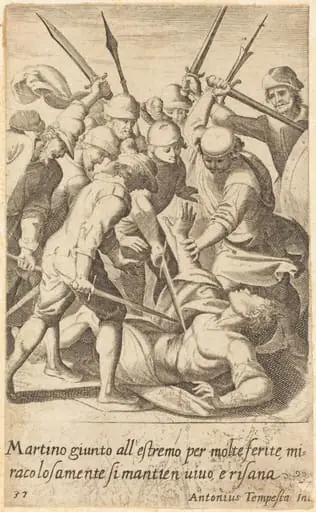 Martino
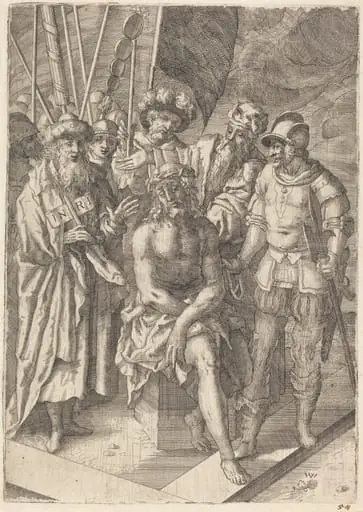 Ecce Homo
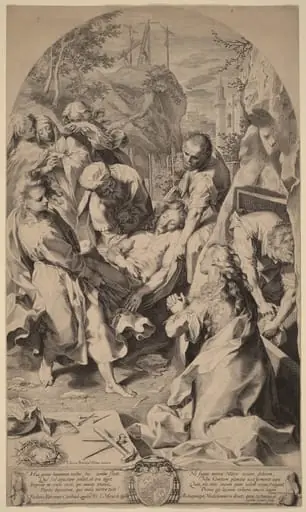 The Entombment
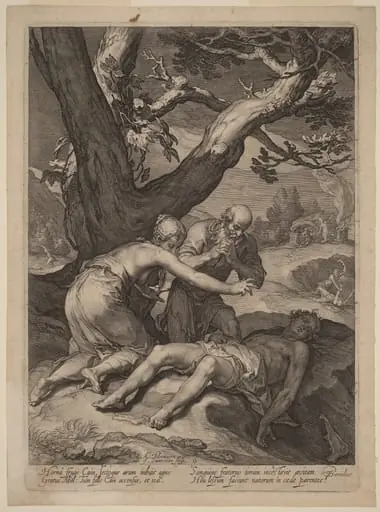 Adam and Eve Lamenting over the Corpse of Abel
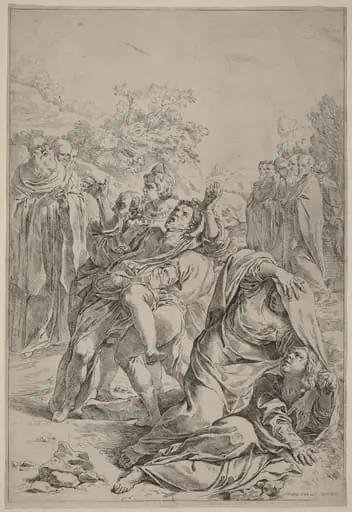 Saint Benedict Healing the Possessed
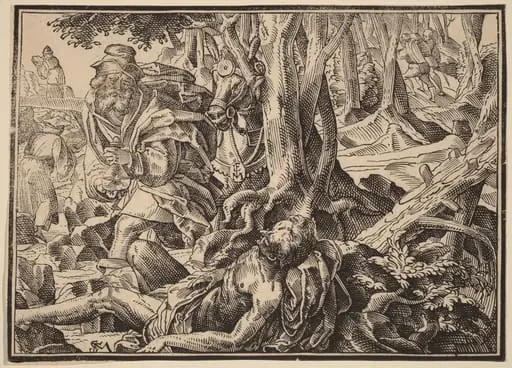 Christ Tells His Disciples of the Last Judgment
 The Sacrifice of Abraham
 The Good Samaritan Ministering to the Traveler
 Bartolomeo
 Illustration to Jean Desmarets' "L'Ariane"
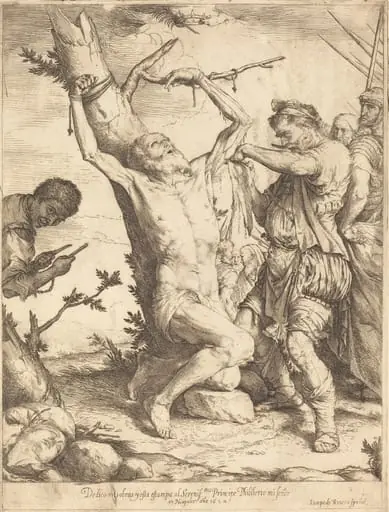 The Martyrdom of Saint Bartholomew
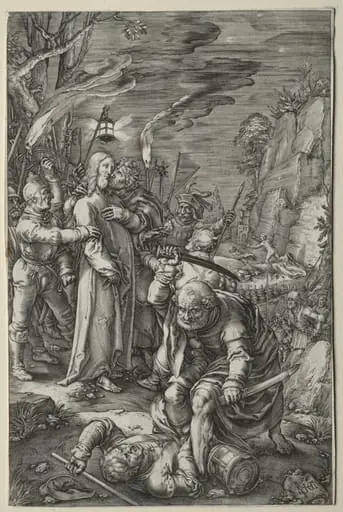 The Passion: The Betrayal of Christ