Artwork
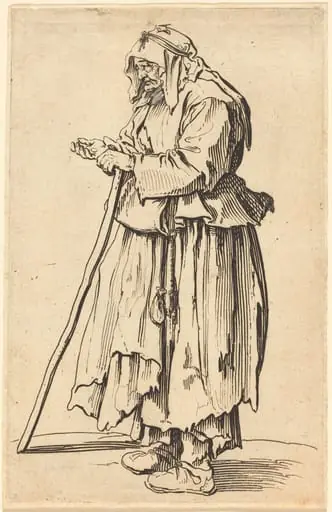
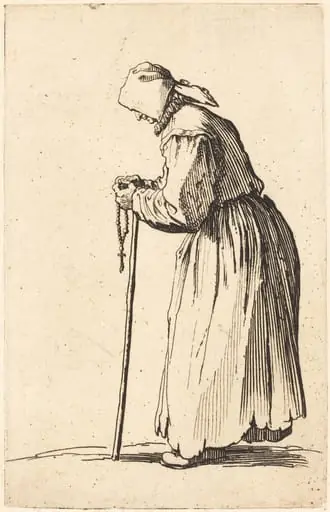
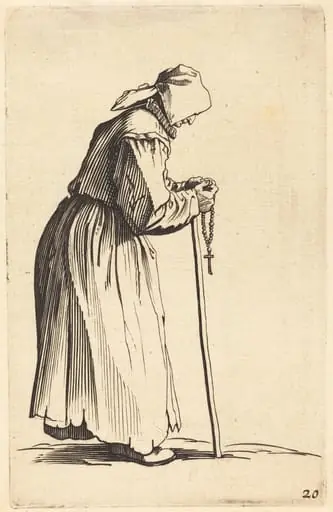
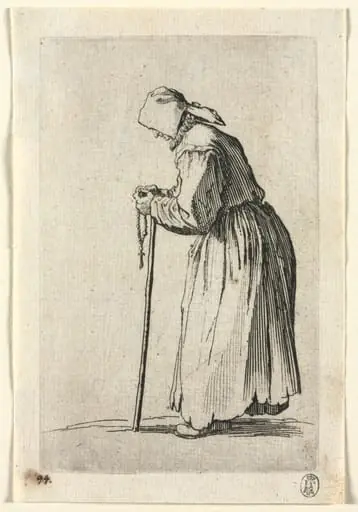
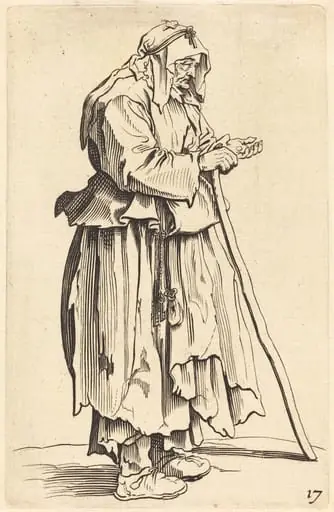
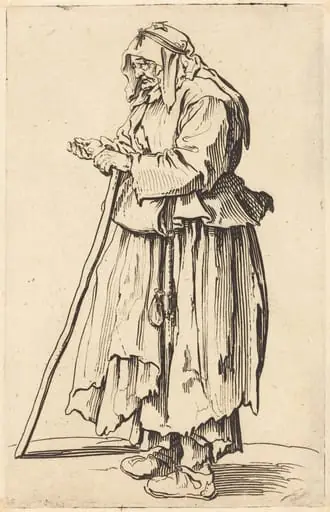
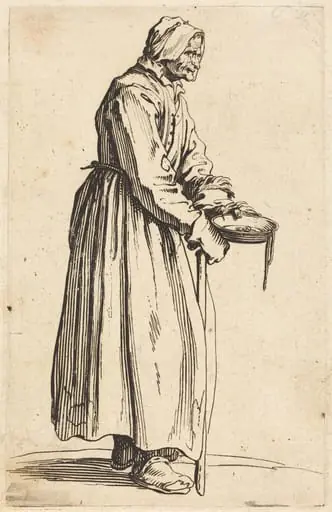
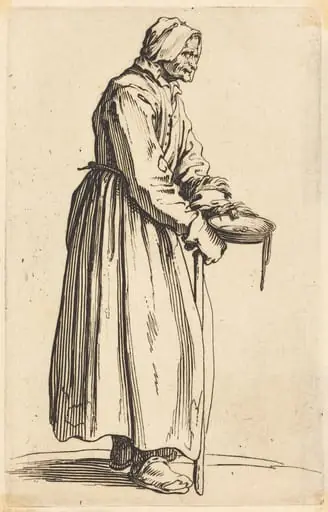
Beggar Woman with Rosary
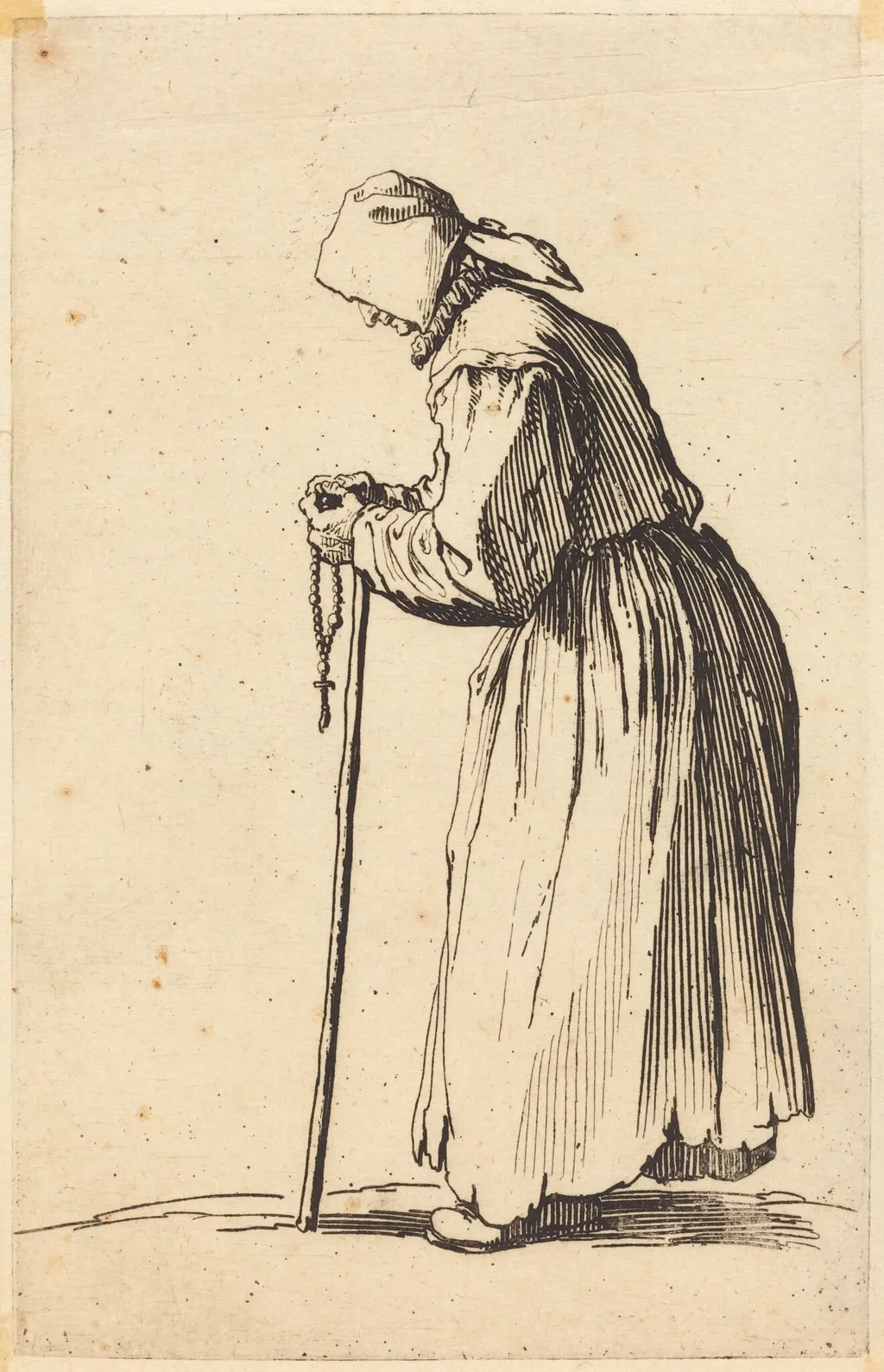
Beggar Woman with Rosary is an ink print by the Baroque artist Jacques Callot. It dates from 1622 and is held in the collection of the National Gallery of Art.
About this work
Overview
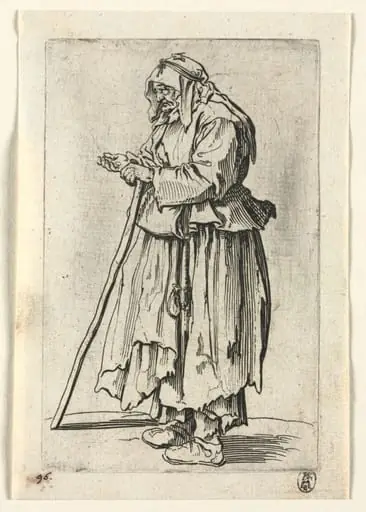
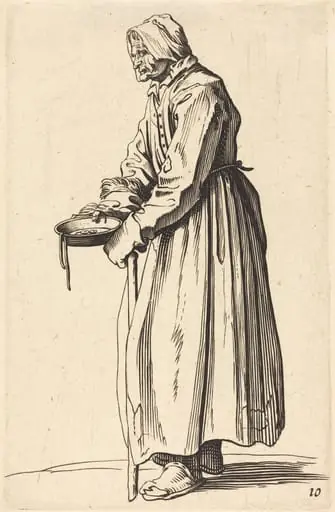
Beggar Woman with Rosary, an etching on laid paper created by Jacques Callot around 1622, exemplifies the artist's documentation of 17th-century daily life, particularly focusing on marginalized figures.
Subject & Meaning
The print portrays a destitute woman, identifiable by her attire and posture, holding a rosary. This depiction reflects Callot's interest in highlighting the lives of society's underprivileged during the Baroque era.
Technique & Style
Executed using the etching technique, which involves scratching designs into metal plates, the work features sharp, busy lines that convey textured clothing and nuanced light and shadow effects.
History & Provenance
Created by Jacques Callot, a prolific French printmaker from Lorraine, this etching is part of his extensive oeuvre of over 1,400 works, characterized by detailed observations of everyday and marginalized life.
Context
Within Callot's broader practice, Beggar Woman with Rosary sits alongside other works depicting soldiers, beggars, and religious figures, often set against detailed backdrops, collectively offering a glimpse into 17th-century societal dynamics.
Artist & collection
Artist
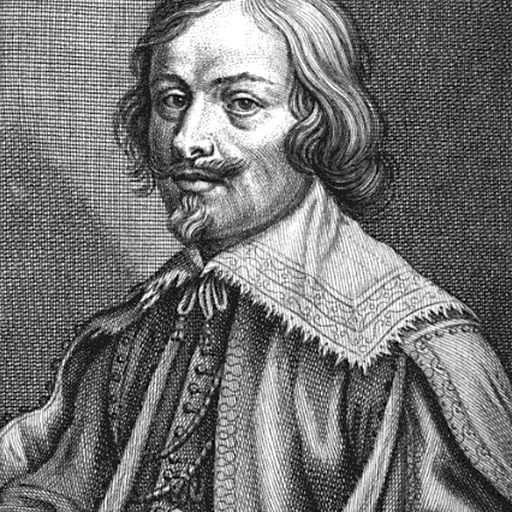
Jacques Callot was a baroque printmaker and draftsman from the Duchy of Lorraine.

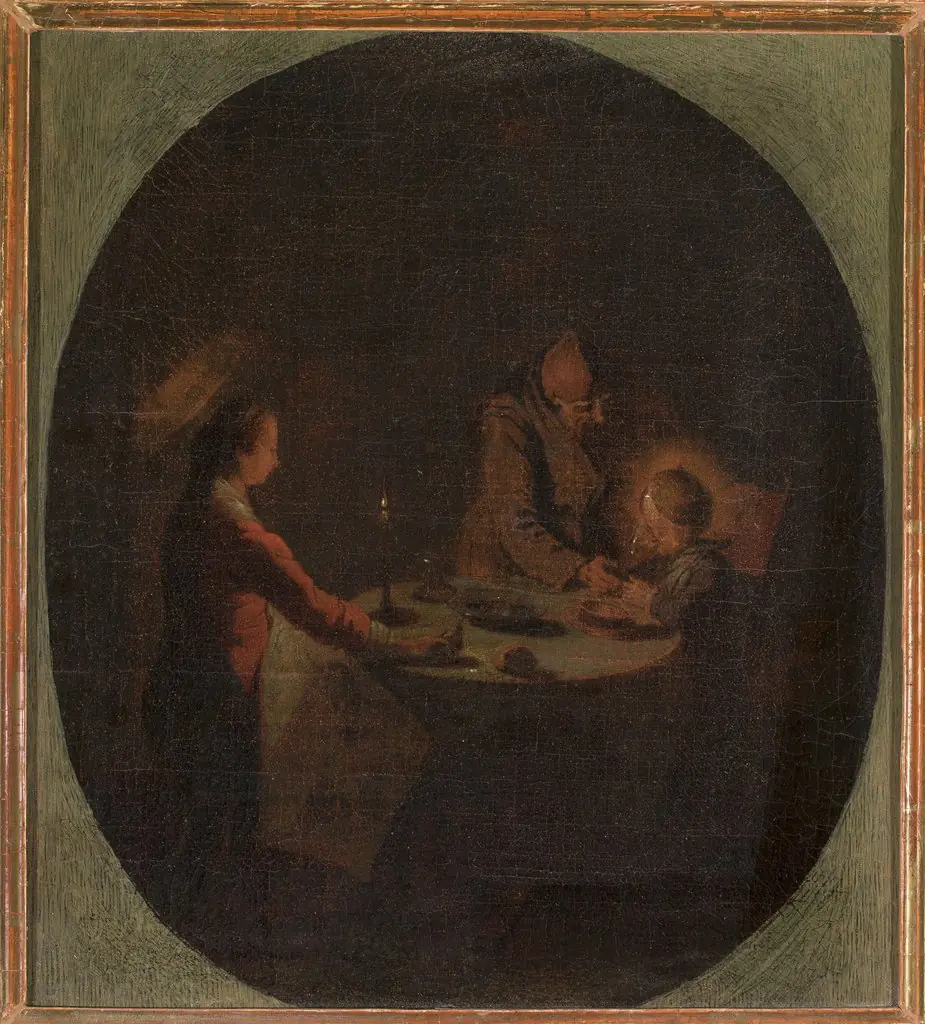 Holy Family at supper
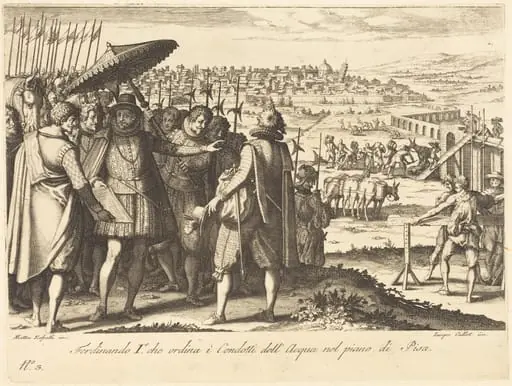 Restoration of the Aqueduct at Pisa
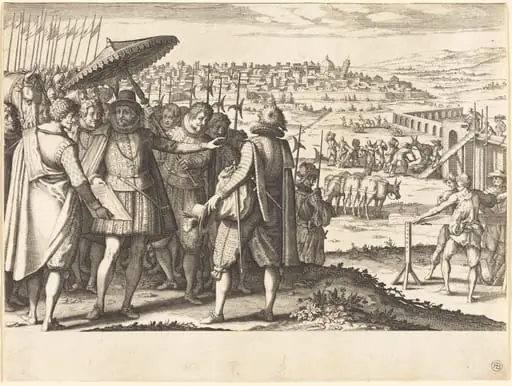 Restoration of the Aqueduct at Pisa
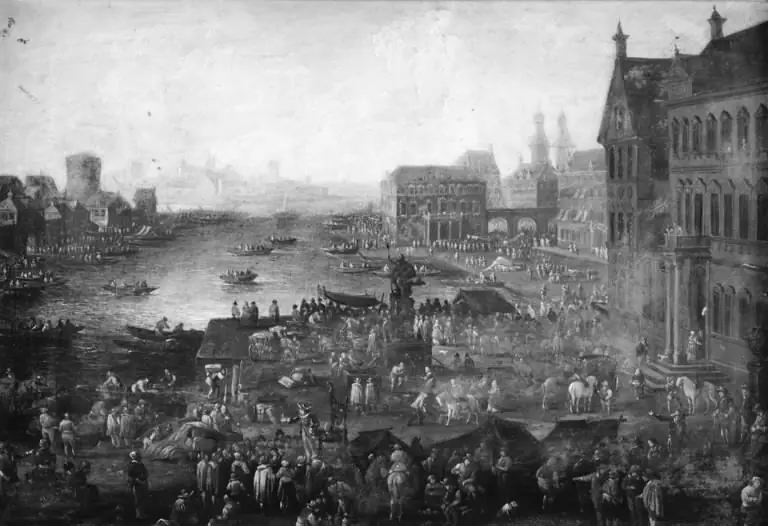 Square in Paris with Many Figures
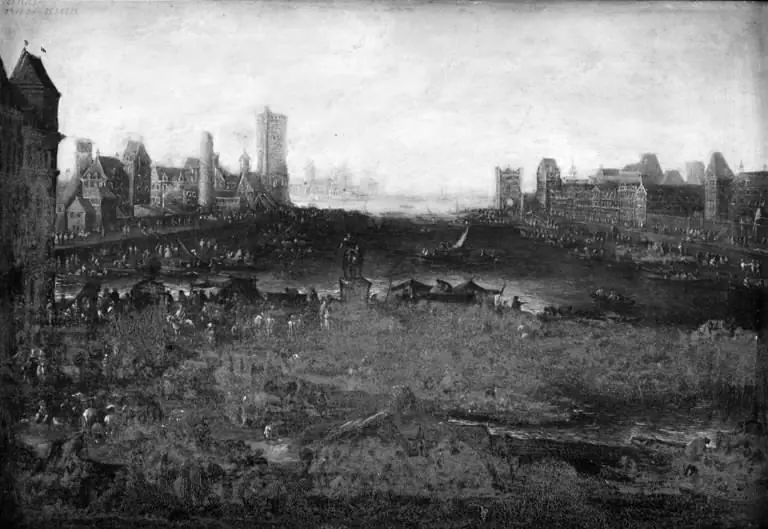 Square in Paris with Many Figures
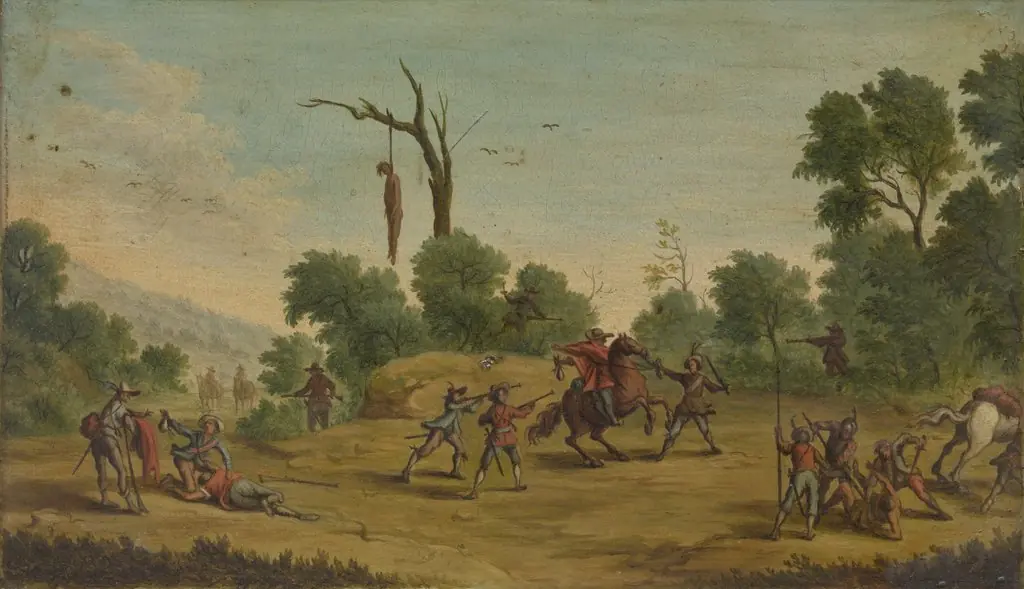 Horsemen Attacked by Robbers
 HOW WILL A COVERED PART BE CORRECTED?HOW WIKA A COVERED HEART DEED CORRECTED?
![Christ Walking on the Water [second plate], by Jacques Callot](https://artifactworldgallery.com/img/jacques-callot--christ-walking-on-the-water-second-plate--2069f3bfe4cb2126-w320.webp) Christ Walking on the Water [second plate]
Christ Walking on the Water [second plate]