Artwork
Bird of Paradise
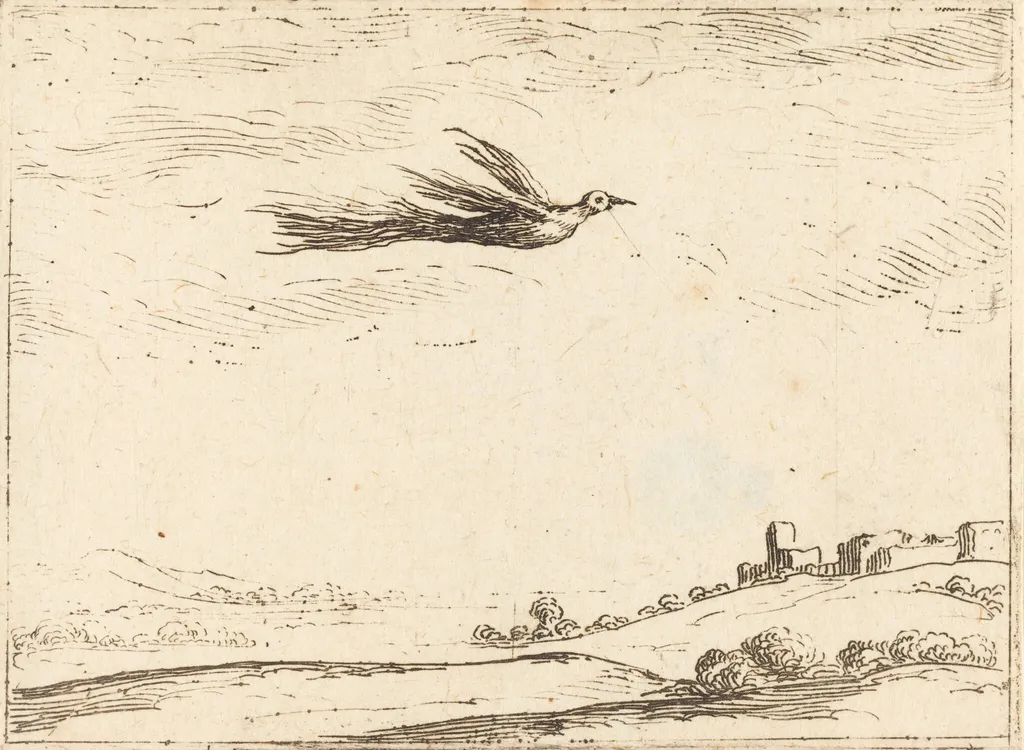
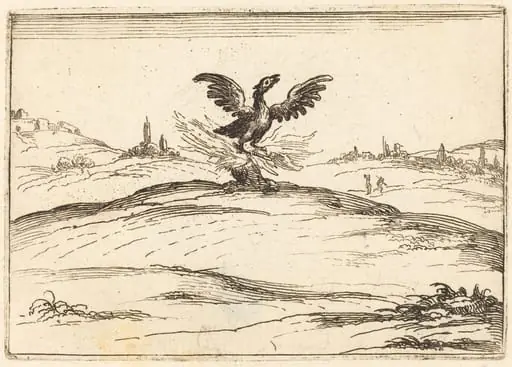
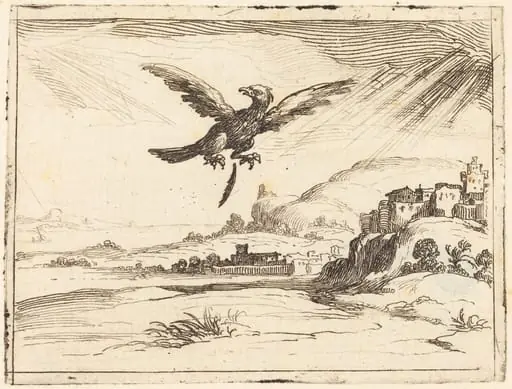
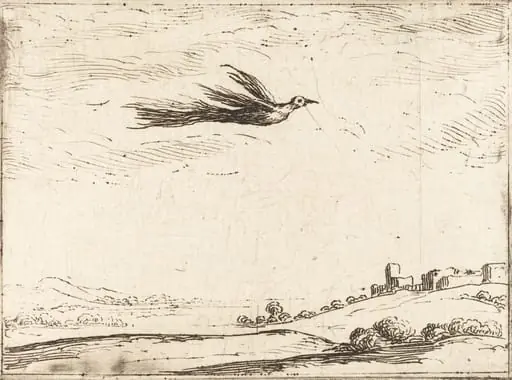
Bird of Paradise is an ink print by the Renaissance artist Jacques Callot. It dates from 1628 and is held in the collection of the National Gallery of Art.
About this work
Overview
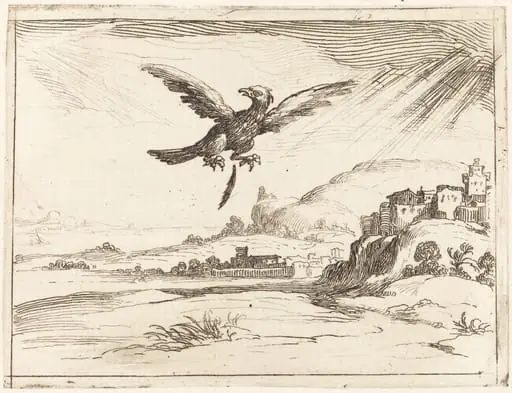
Bird of Paradise is a 1628 etching on laid paper by Jacques Callot, exemplifying his Baroque-era printmaking expertise. Characterized by quick, sketchy lines, the work depicts a bird in mid-flight over a serene landscape.
Subject & Meaning
The subject is a bird of paradise in flight, set against a tranquil backdrop of a winding river, flat plain, and distant small buildings. The composition contrasts the bird’s dynamic movement with the stillness of the landscape.
Technique & Style
Callot employed his signature etching technique, using expressive, rapid lines to convey motion, particularly in the bird’s long, light-seeming feathers and the wavy sky lines suggesting wind. The hand-made, rough-textured laid paper adds to the piece’s tactile quality.
History & Provenance
Created in 1628 by Jacques Callot (c. 1592-1635), a prolific Baroque printmaker from the Duchy of Lorraine, known for over 1,400 etchings documenting various aspects of contemporary life.
Context
Part of Callot’s broader oeuvre that often juxtaposed detailed figures or subjects with expansive, natural backgrounds, reflecting his versatility in capturing both human and environmental themes.
Legacy
Bird of Paradise contributes to Callot’s legacy as a leading old master printmaker, highlighting his ability to balance dynamism and serenity in a single composition, influencing subsequent generations of print artists.
Artist & collection
Artist
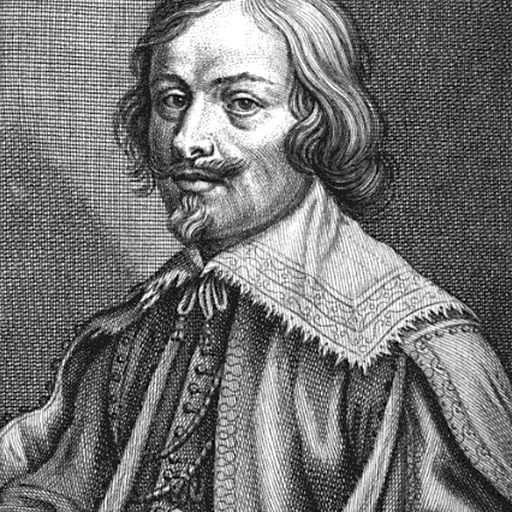
Jacques Callot was a baroque printmaker and draftsman from the Duchy of Lorraine.

 Holy Family at supper
 Restoration of the Aqueduct at Pisa
 Restoration of the Aqueduct at Pisa
 Square in Paris with Many Figures
 Square in Paris with Many Figures
 Horsemen Attacked by Robbers
 HOW WILL A COVERED PART BE CORRECTED?HOW WIKA A COVERED HEART DEED CORRECTED?
![Christ Walking on the Water [second plate], by Jacques Callot](https://artifactworldgallery.com/img/jacques-callot--christ-walking-on-the-water-second-plate--2069f3bfe4cb2126-w320.webp) Christ Walking on the Water [second plate]
Christ Walking on the Water [second plate]