Artwork
Cap. Cerimonia and Siga. Lavinia
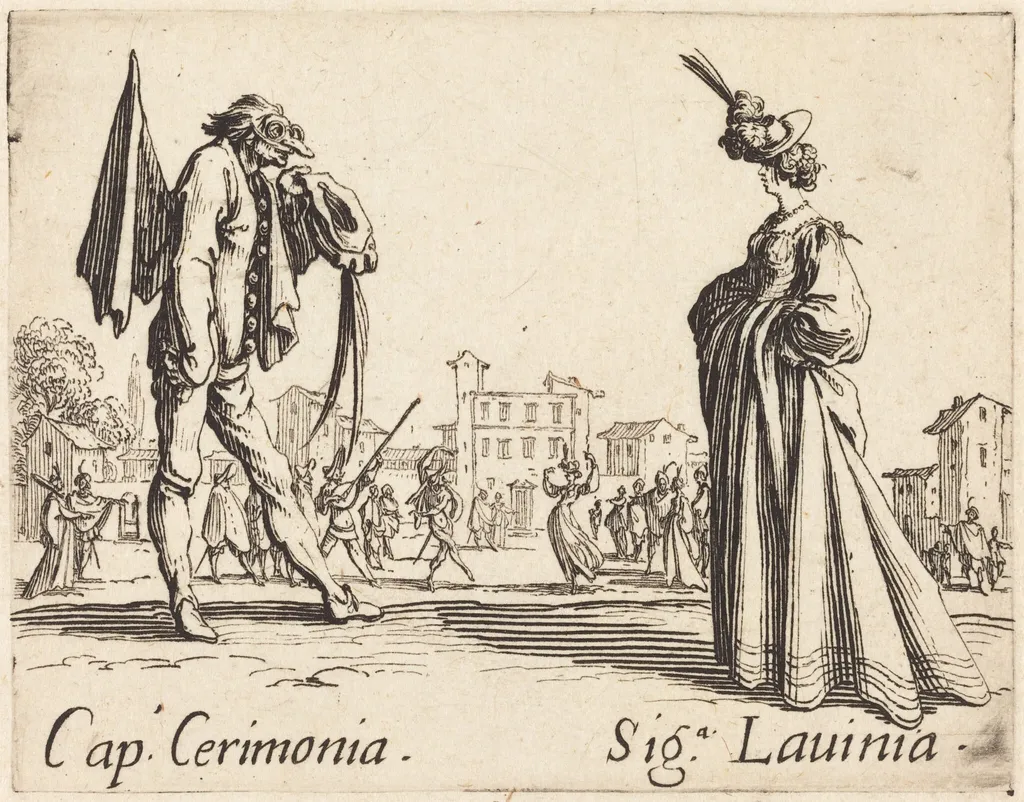
Cap. Cerimonia and Siga. Lavinia is an ink print by the Baroque artist Jacques Callot. It dates from 1622 and is held in the collection of the National Gallery of Art. Created around 1622, this etching on laid paper depicts a man and a woman in elaborate dress walking together through an urban street.
About this work
Overview
Created around 1622, this etching on laid paper depicts a man and a woman in elaborate dress walking together through an urban street. The male figure carries a flag, while the female wears a high, feather‑adorned hat. A crowd of smaller figures populates the scene, set against a row of buildings that suggest a public thoroughfare.
Subject & Meaning
The composition presents a ceremonial procession, likely referencing a courtly or civic event. The attire and flag signal status, while the surrounding pedestrians convey the everyday bustle of early‑17th‑century life, illustrating the social hierarchy and communal participation in public rituals.
Technique & Style
Executed with a fine, sketch‑like line, the etching employs cross‑hatching to model shadows and texture, giving the figures a sense of movement. The artist’s use of acid‑etched metal plates allows for intricate detail in clothing and architecture, while the laid‑paper surface enhances the tonal contrast of the monochrome image.
History & Provenance
The work belongs to the output of Jacques Callot, a prominent Baroque printmaker from the Duchy of Lorraine who produced more than 1,400 etchings. Known for documenting contemporary customs, soldiers, beggars, and courtly life, this piece forms part of his broader visual record of early modern European society.
Artist & collection
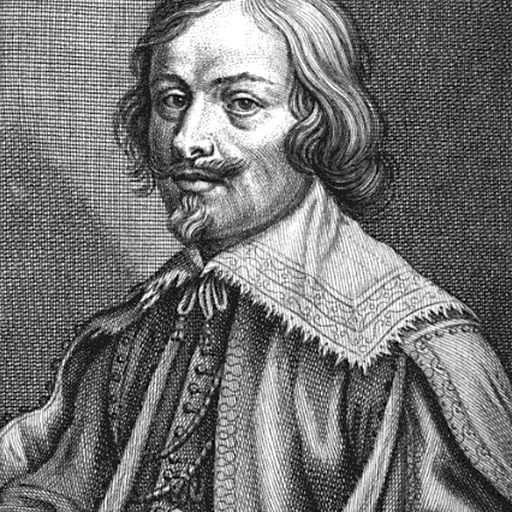
Artist
Jacques Callot was a baroque printmaker and draftsman from the Duchy of Lorraine.

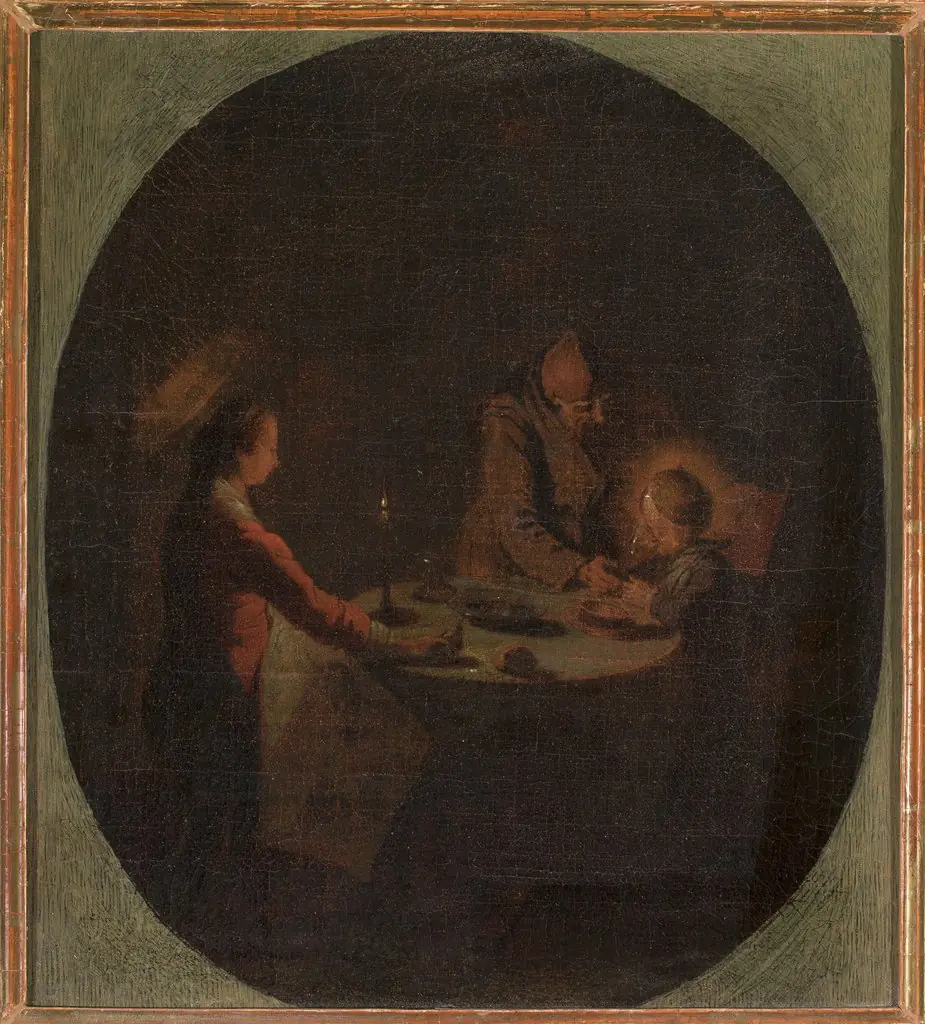 Holy Family at supper
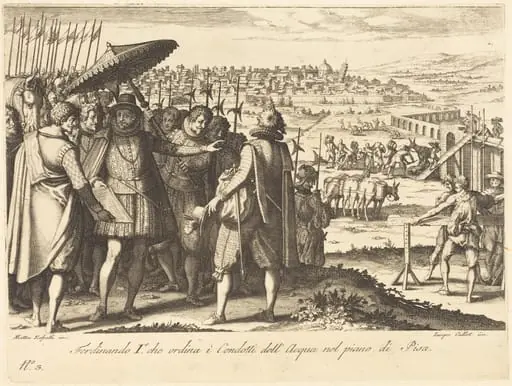 Restoration of the Aqueduct at Pisa
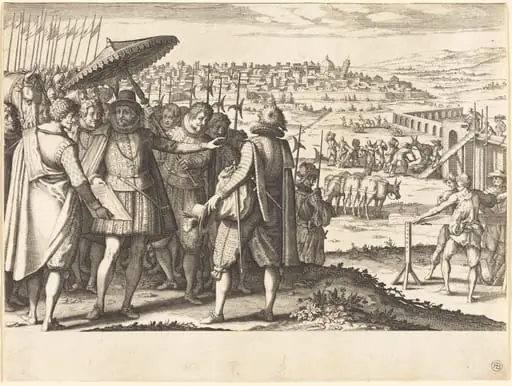 Restoration of the Aqueduct at Pisa
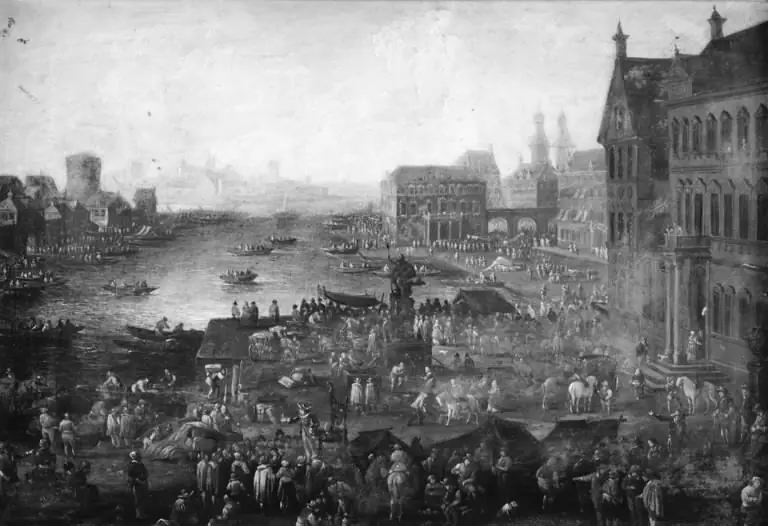 Square in Paris with Many Figures
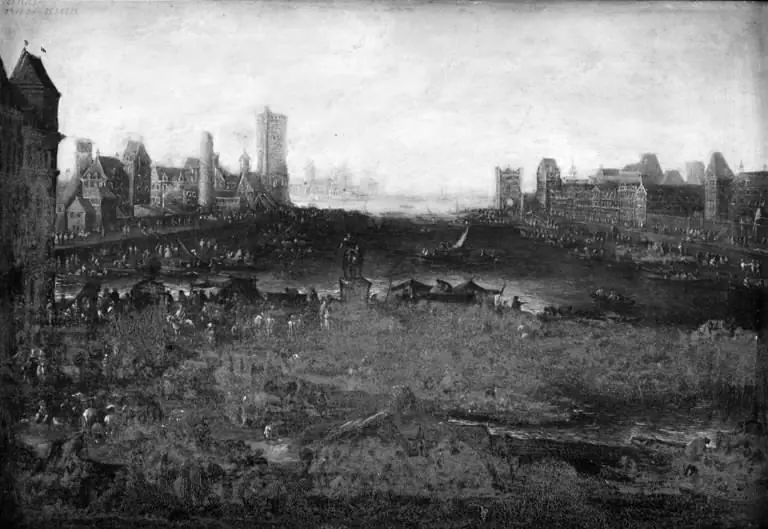 Square in Paris with Many Figures
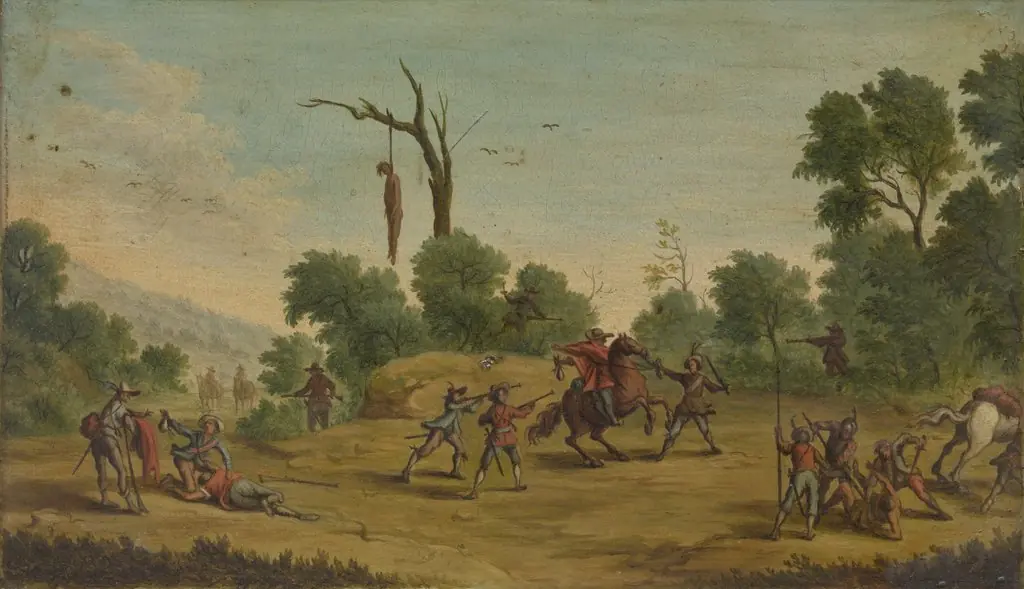 Horsemen Attacked by Robbers
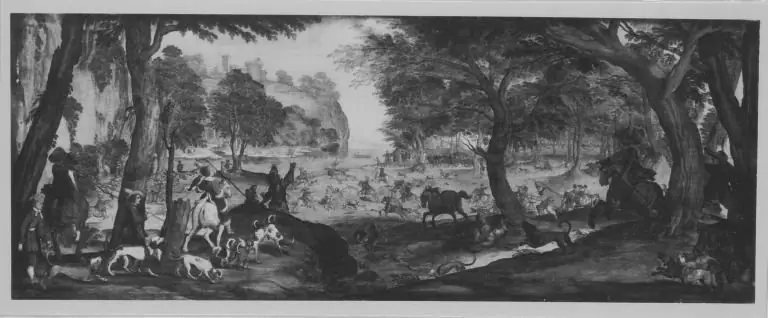 HOW WILL A COVERED PART BE CORRECTED?HOW WIKA A COVERED HEART DEED CORRECTED?
![Christ Walking on the Water [second plate], by Jacques Callot](https://artifactworldgallery.com/img/jacques-callot--christ-walking-on-the-water-second-plate--2069f3bfe4cb2126-w320.webp) Christ Walking on the Water [second plate]
Christ Walking on the Water [second plate]