Artwork
Signa. Lucia and Trastullo
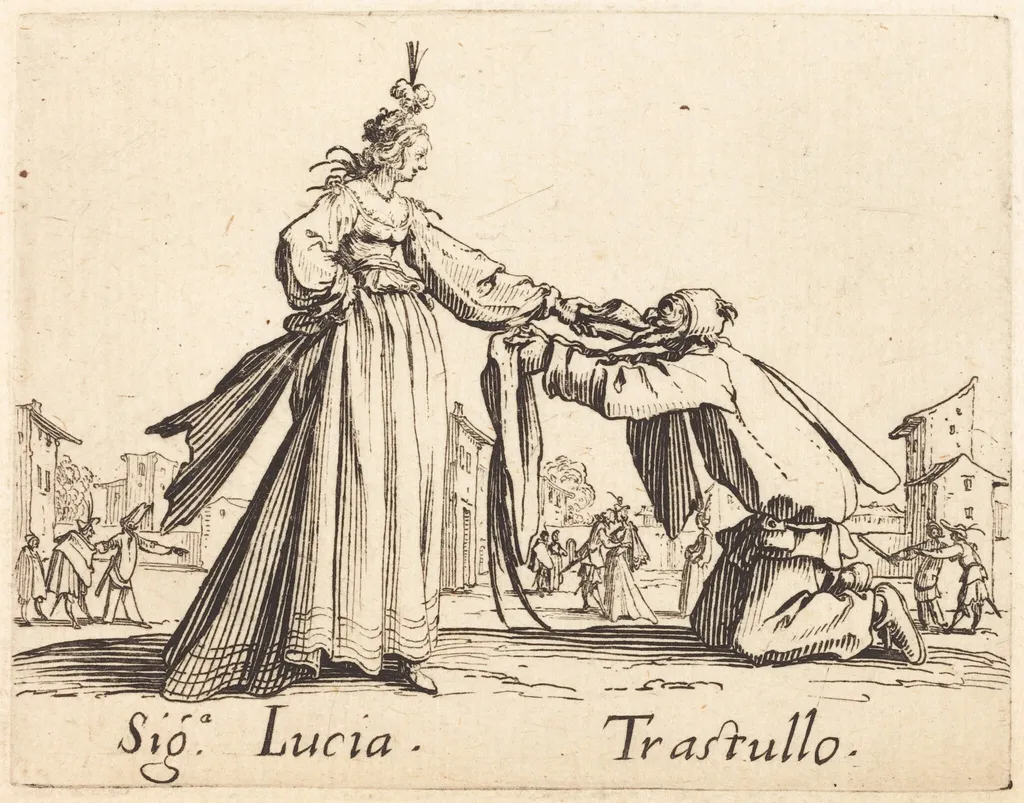
Signa. Lucia and Trastullo is an ink print by the Baroque artist Jacques Callot. It dates from 1622 and is held in the collection of the National Gallery of Art. Signa.
About this work
Overview
Signa. Lucia and Trastullo is an etching on laid paper created by Jacques Callot around 1622. This print exemplifies Callot's prolific output of over 1,400 etchings, which often captured scenes of 17th-century daily life.
Subject & Meaning
The etching depicts a woman in an expansive, flowing dress assisted by a kneeling man adjusting her attire, set against a bustling street scene with pedestrians and buildings. The composition blends everyday observation with potential symbolic undertones related to dress and social interaction.
Technique & Style
Characterized by sharp, busy lines, the etching conveys a lively, crowded atmosphere. Callot's use of etching techniques emphasizes detailed textures, evident in the woman's voluminous dress and the man's heavily folded coat.
History & Provenance
Created in the early 17th century by French baroque printmaker Jacques Callot, this work originates from his body of work documenting contemporary Lorraine society. Specific provenance details are not provided.
Context
This etching reflects Callot's broader practice of narrating daily life, including scenes of soldiers, beggars, and court figures, often within detailed landscapes, contributing to a baroque printmaking tradition.
Legacy
Signa. Lucia and Trastullo contributes to Callot's enduring legacy as a prolific documentarian of 17th-century life through printmaking, influencing the understanding and appreciation of etching as an artistic medium.
Artist & collection
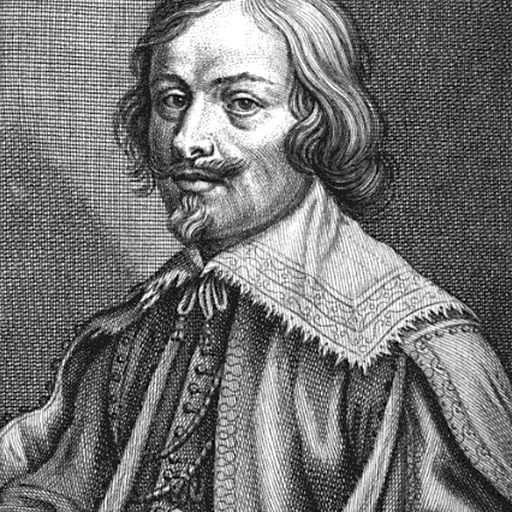
Artist
Jacques Callot was a baroque printmaker and draftsman from the Duchy of Lorraine.

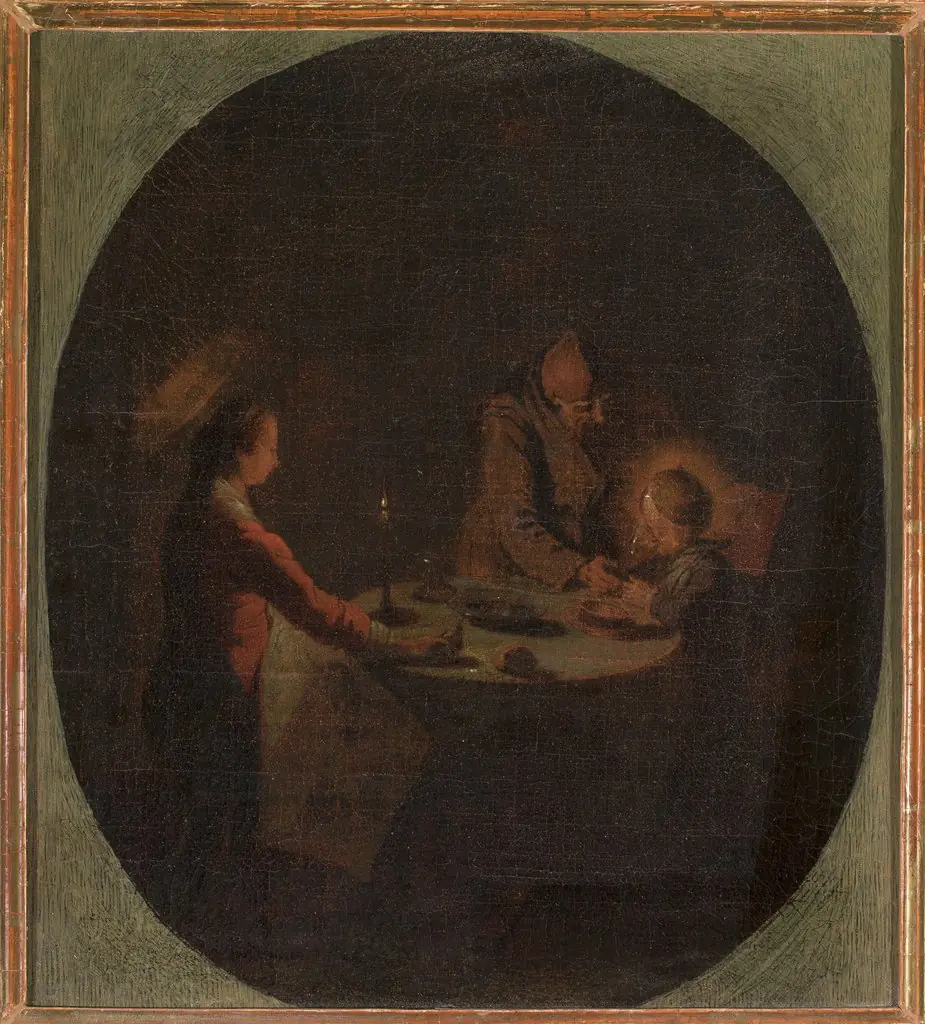 Holy Family at supper
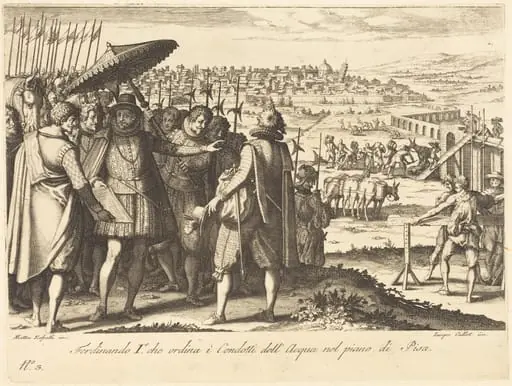 Restoration of the Aqueduct at Pisa
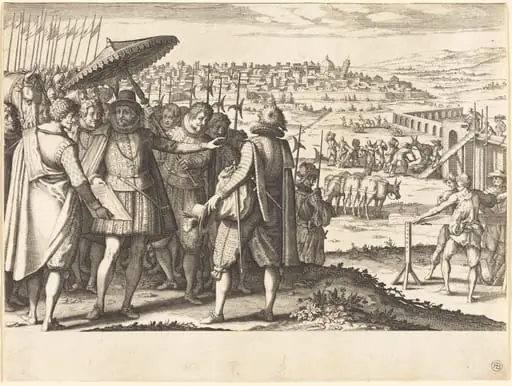 Restoration of the Aqueduct at Pisa
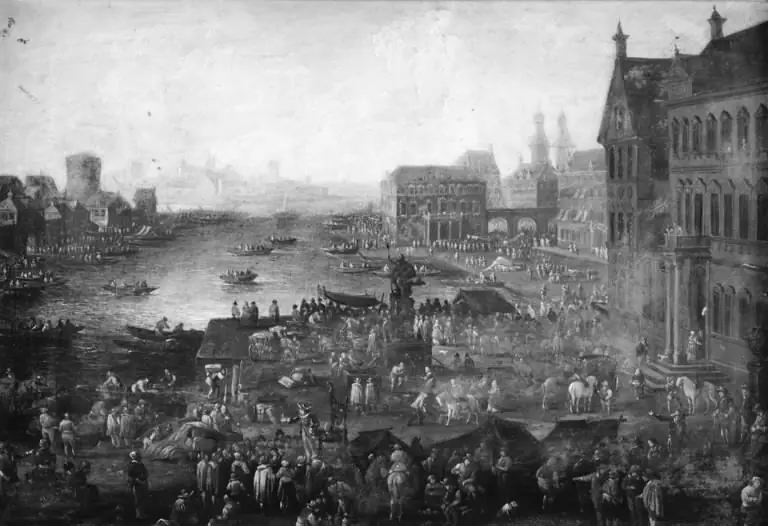 Square in Paris with Many Figures
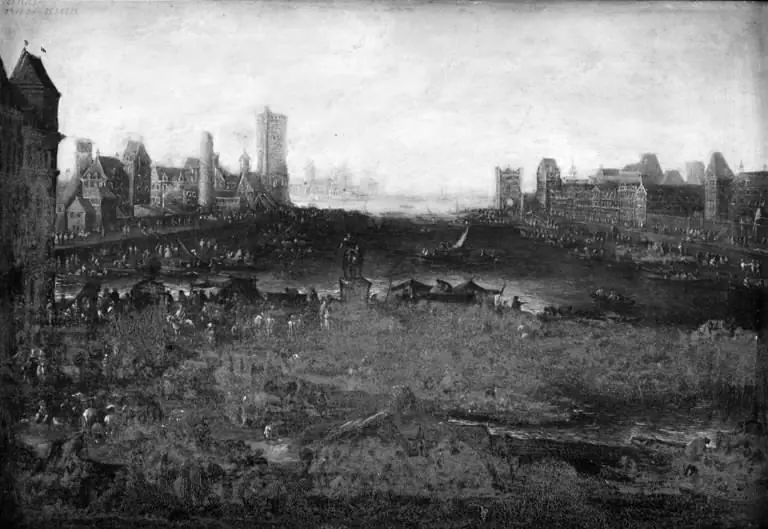 Square in Paris with Many Figures
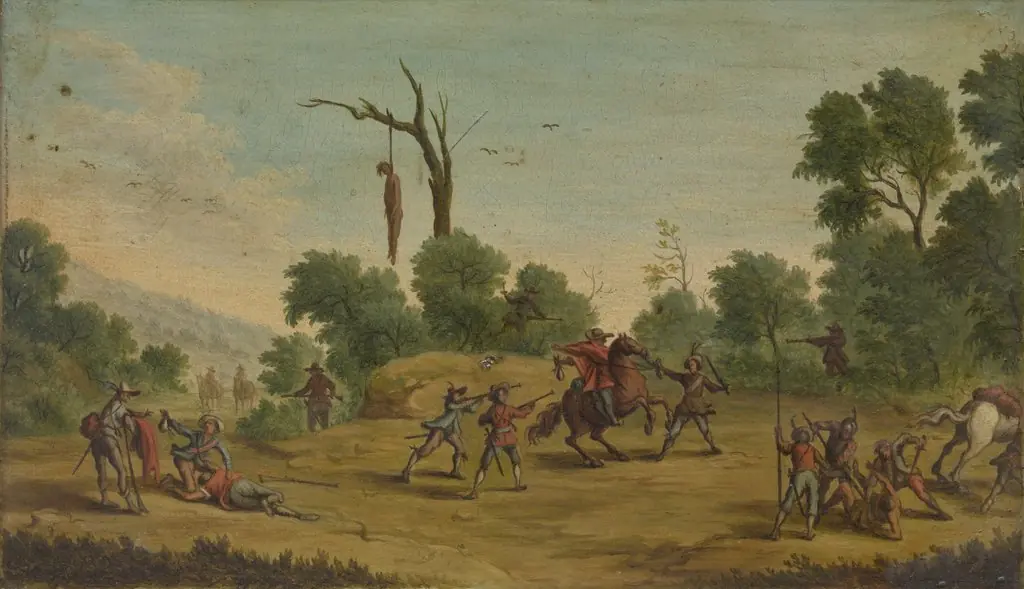 Horsemen Attacked by Robbers
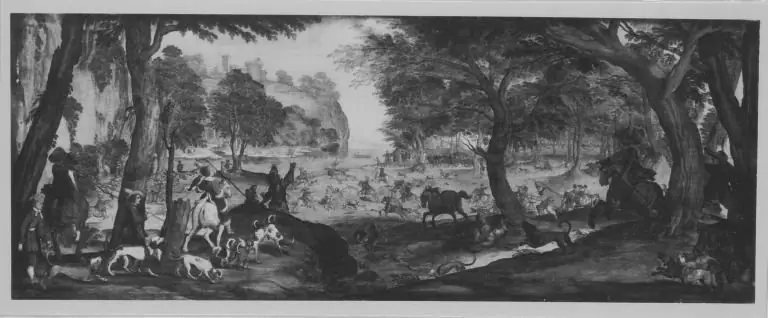 HOW WILL A COVERED PART BE CORRECTED?HOW WIKA A COVERED HEART DEED CORRECTED?
![Christ Walking on the Water [second plate], by Jacques Callot](https://artifactworldgallery.com/img/jacques-callot--christ-walking-on-the-water-second-plate--2069f3bfe4cb2126-w320.webp) Christ Walking on the Water [second plate]
Christ Walking on the Water [second plate]
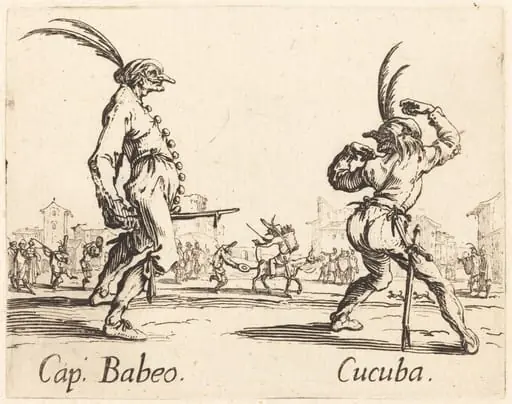 Cap. Babeo and Cucuba
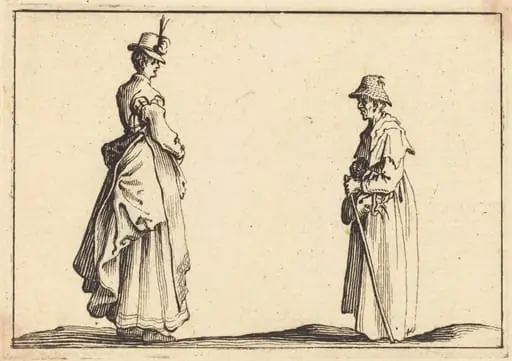 Two Women in Profile
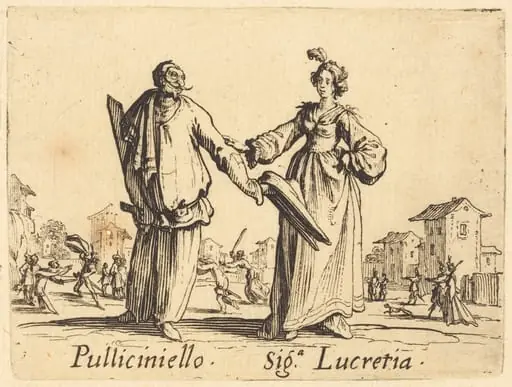 Pulliciniello and Siga. Lucretia
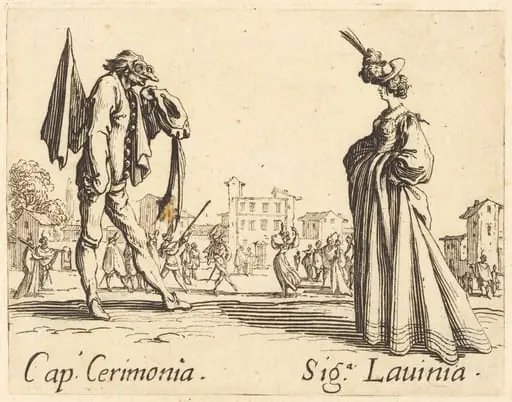 Cap. Cerimonia and Siga. Lavinia
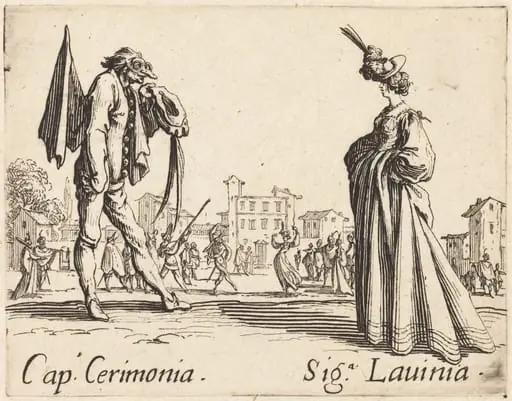 Cap. Cerimonia and Siga. Lavinia
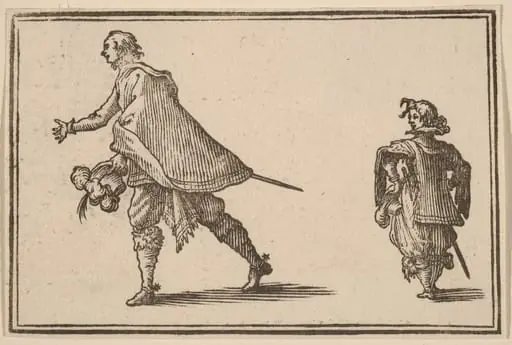 Gentleman and His Page
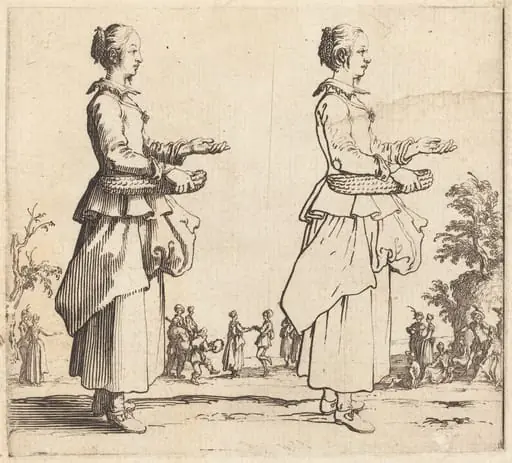 Peasant Woman with Basket, in Profile, Facing Right
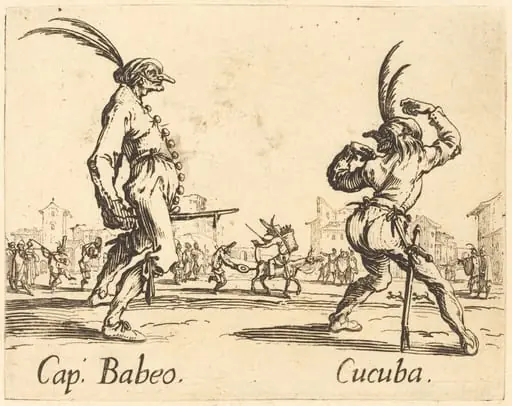 Cap. Babeo and Cucuba
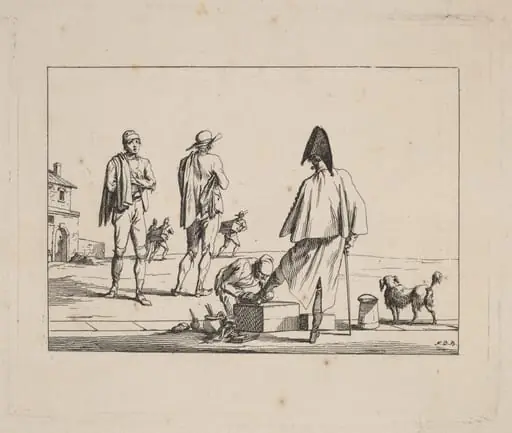 Décroteur et Ramoneur (Scraper and Chimney Sweep)
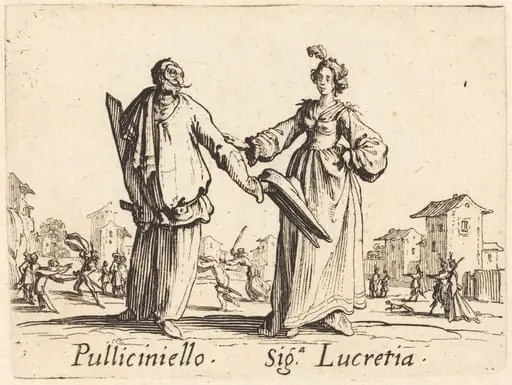 Pulliciniello and Siga. Lucretia