Artwork
Signa. Lucia and Trastullo
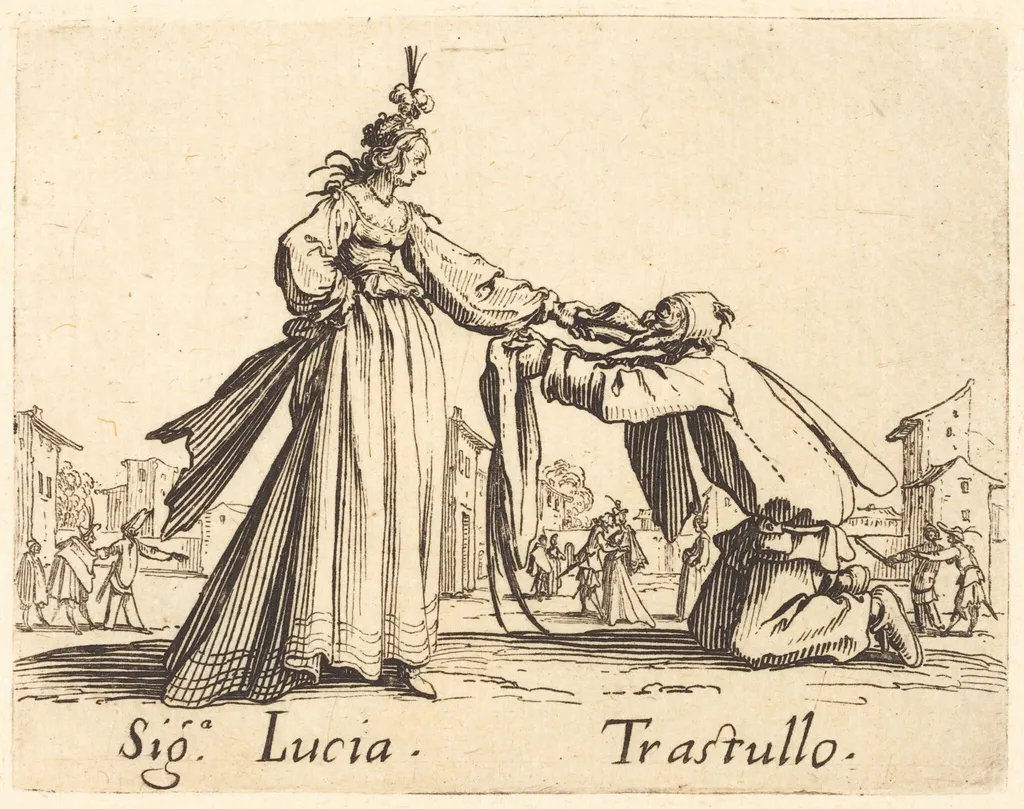
Signa. Lucia and Trastullo is an ink print by the Baroque artist Jacques Callot. It dates from 1622 and is held in the collection of the National Gallery of Art. Signa.
About this work
Overview
Signa. Lucia and Trastullo, an etching on laid paper created around 1622, is a characteristic work by Jacques Callot, a prolific French Baroque printmaker from Lorraine. The piece exemplifies Callot's penchant for documenting everyday life through meticulous etchings.
Subject & Meaning
The etching depicts Signa Lucia, a woman in an extravagantly wide, old-fashioned dress, and Trastullo, a man struggling with a gigantic sack. The scene humorously highlights the cumbersome nature of luxury attire and objects, offering a commentary on contemporary social norms.
Technique & Style
Executed in etching, a medium Callot helped elevate, the work showcases his mastery of the technique. The detailed, observant rendering of figures within a spatial context is consistent with Callot's style, which often blended meticulous landscapes with vignettes of everyday and court life.
History & Provenance
Created circa 1622, this etching is part of Callot's extensive oeuvre of over 1,400 works. Specific provenance details for this piece are not provided, but it aligns with Callot's period output, which frequently featured marginalized and ordinary subjects.
Context
Signa. Lucia and Trastullo reflects the Baroque era's interest in depicting everyday life. Callot's work, with its focus on the common and the humorous, contributed to the broader artistic trend of observing and commenting on societal norms through detailed, realistic representations.
Artist & collection
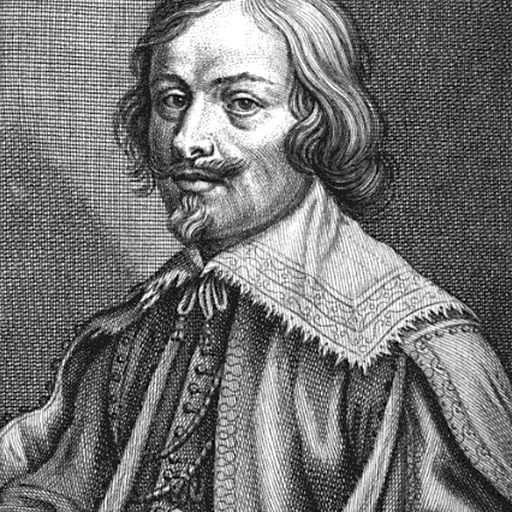
Artist
Jacques Callot was a baroque printmaker and draftsman from the Duchy of Lorraine.

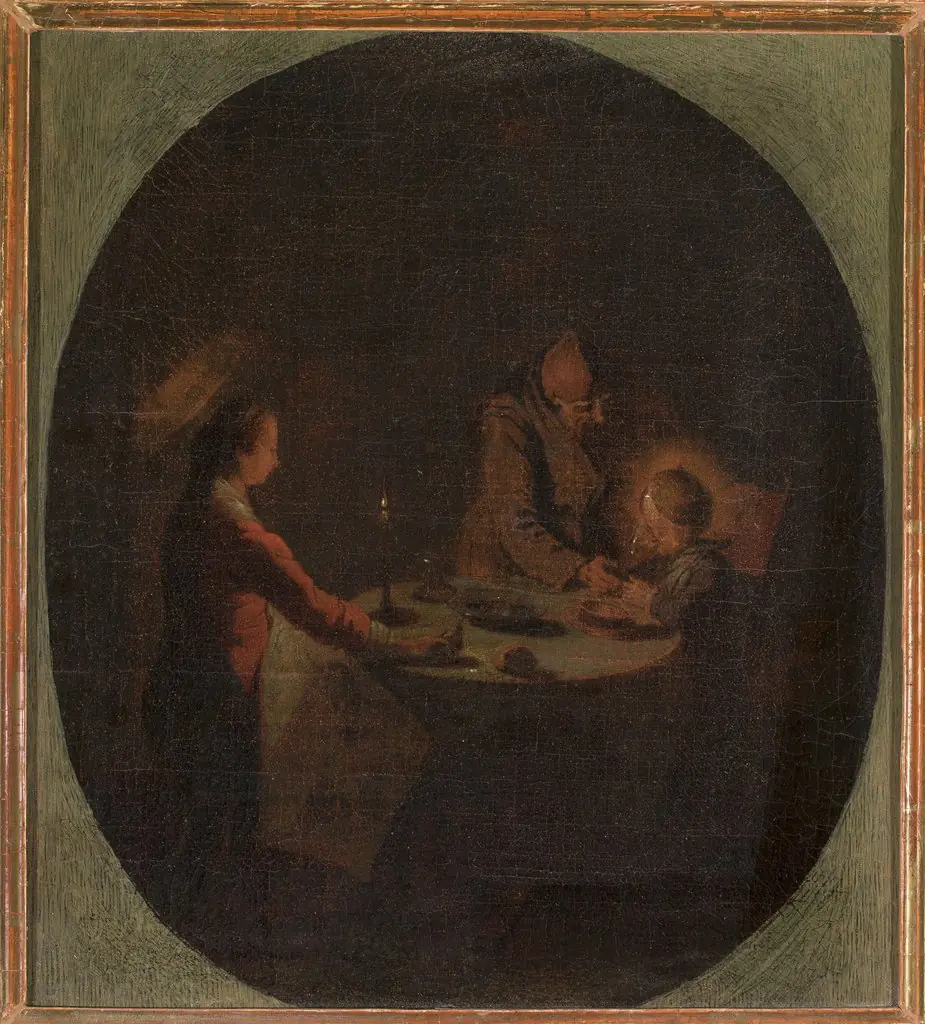 Holy Family at supper
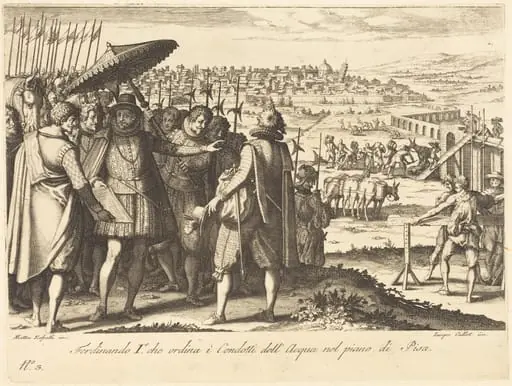 Restoration of the Aqueduct at Pisa
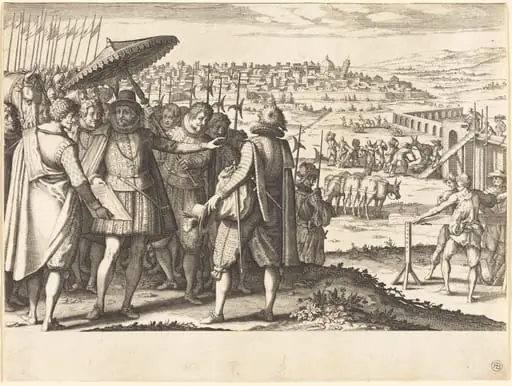 Restoration of the Aqueduct at Pisa
 Square in Paris with Many Figures
 Square in Paris with Many Figures
 Horsemen Attacked by Robbers
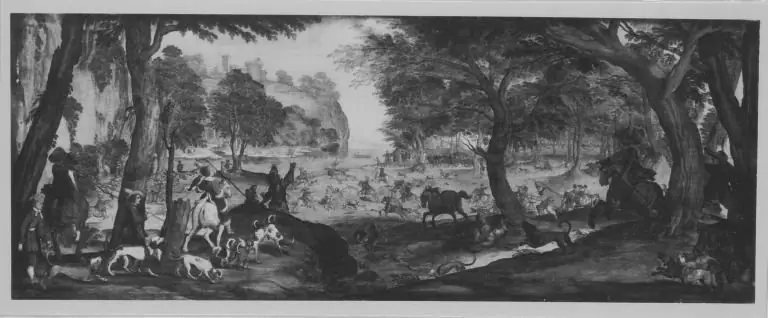 HOW WILL A COVERED PART BE CORRECTED?HOW WIKA A COVERED HEART DEED CORRECTED?
![Christ Walking on the Water [second plate], by Jacques Callot](https://artifactworldgallery.com/img/jacques-callot--christ-walking-on-the-water-second-plate--2069f3bfe4cb2126-w320.webp) Christ Walking on the Water [second plate]
Christ Walking on the Water [second plate]
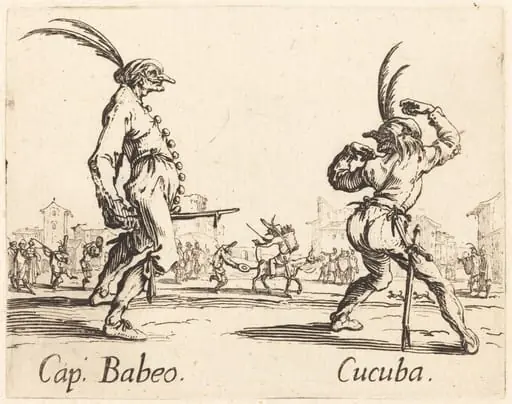 Cap. Babeo and Cucuba
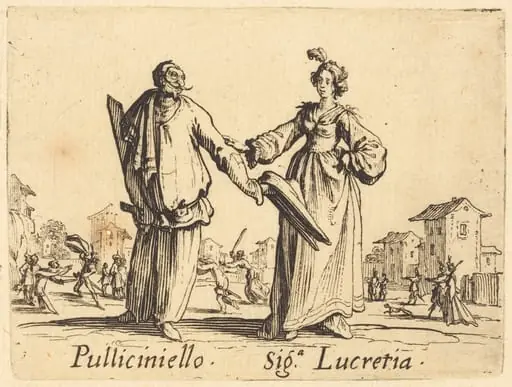 Pulliciniello and Siga. Lucretia
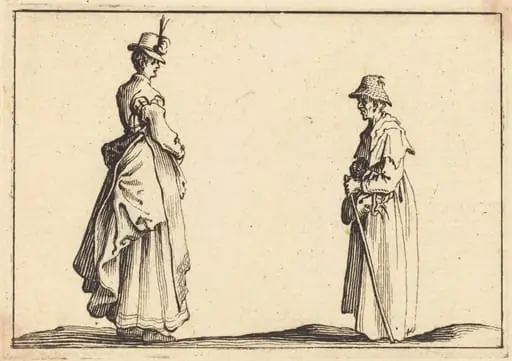 Two Women in Profile
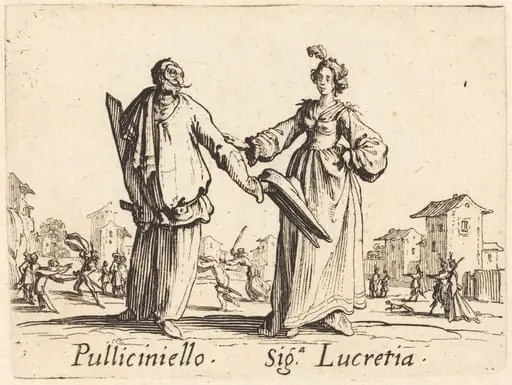 Pulliciniello and Siga. Lucretia
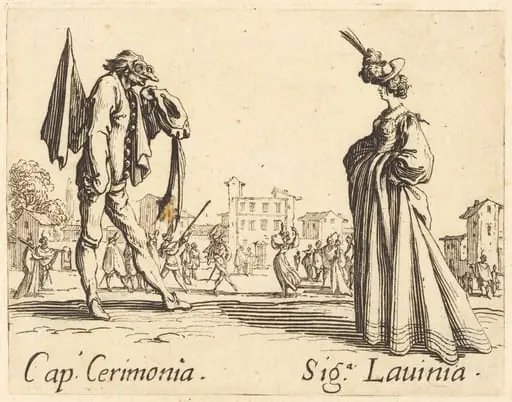 Cap. Cerimonia and Siga. Lavinia
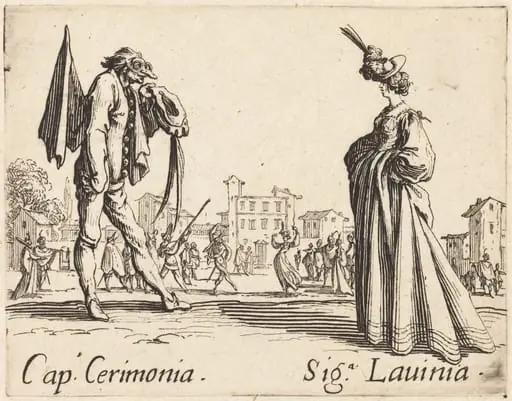 Cap. Cerimonia and Siga. Lavinia
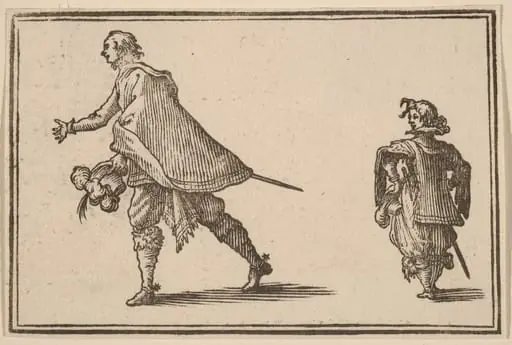 Gentleman and His Page
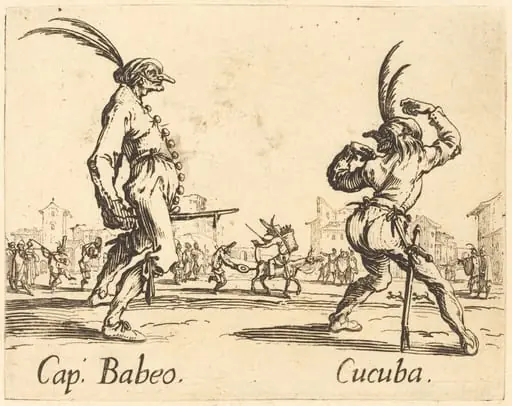 Cap. Babeo and Cucuba
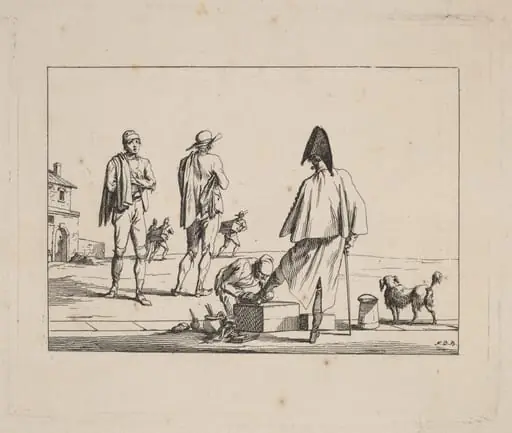 Décroteur et Ramoneur (Scraper and Chimney Sweep)
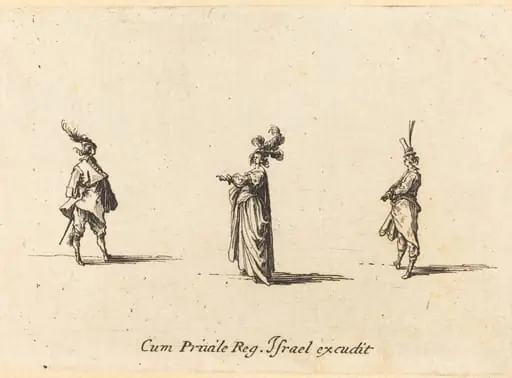 Lady with Plumed Hat, and Two Gentlemen