Artwork
Domenico di Giusto
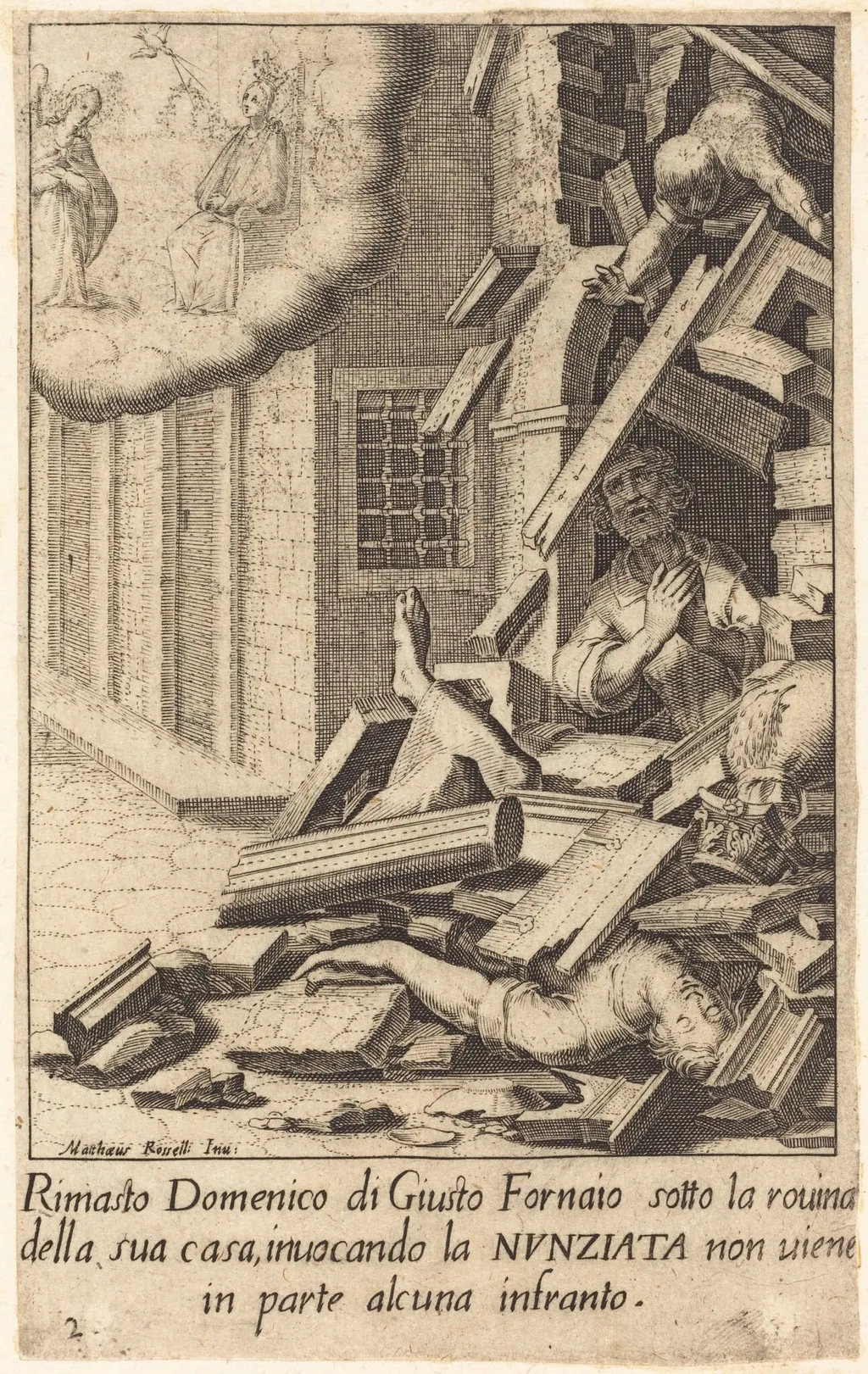
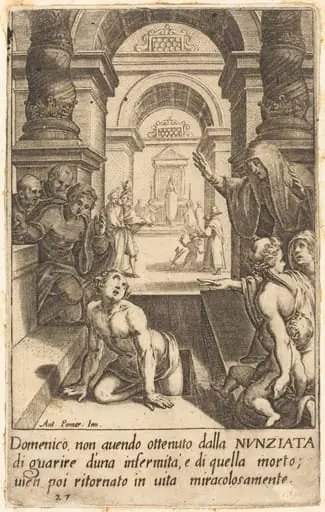
Domenico di Giusto is an ink print by the Baroque artist Jacques Callot. It dates from 1619 and is held in the collection of the National Gallery of Art.
About this work
Overview
Created in 1619, this engraving by Jacques Callot presents a portrait of a man identified as Domenico di Giusto. Executed on laid paper, the work exemplifies the meticulous line work characteristic of early 17th‑century printmaking, offering a close study of facial features and attire within a compact composition.
Subject & Meaning
The figure is rendered in contemporary dress, his garments and facial expression captured with a level of detail that suggests both individuality and a broader interest in documenting everyday persons. While no explicit narrative accompanies the image, the emphasis on texture and gesture reflects Callot’s habit of recording varied social types.
Technique & Style
Callot employed a fine engraving technique, using a burin to incise precise lines that convey the folds of fabric and the subtle contours of the face. The use of laid paper provides a textured background that enhances the contrast between dark lines and the paper’s natural tone, a hallmark of his meticulous approach to printmaking.
History & Provenance
The print originates from Callot’s prolific period in the Duchy of Lorraine, during which he produced more than a thousand prints documenting soldiers, beggars, and courtly scenes. This particular portrait forms part of his broader oeuvre that combined artistic skill with a documentary impulse, and it has been preserved in several European print collections.
Artist & collection
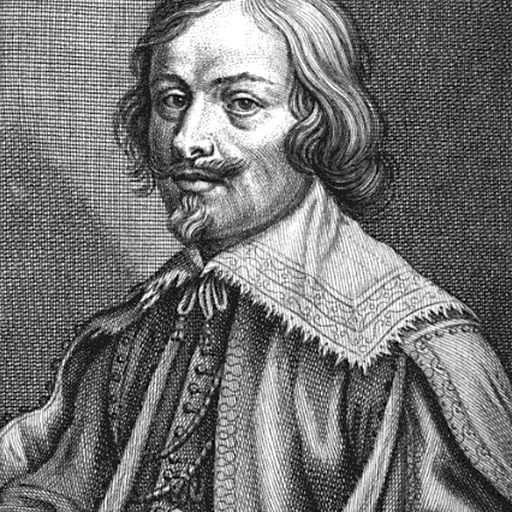
Artist
Jacques Callot was a baroque printmaker and draftsman from the Duchy of Lorraine.

 Holy Family at supper
 Restoration of the Aqueduct at Pisa
 Restoration of the Aqueduct at Pisa
 Square in Paris with Many Figures
 Square in Paris with Many Figures
 Horsemen Attacked by Robbers
 HOW WILL A COVERED PART BE CORRECTED?HOW WIKA A COVERED HEART DEED CORRECTED?
![Christ Walking on the Water [second plate], by Jacques Callot](https://artifactworldgallery.com/img/jacques-callot--christ-walking-on-the-water-second-plate--2069f3bfe4cb2126-w320.webp) Christ Walking on the Water [second plate]
Christ Walking on the Water [second plate]
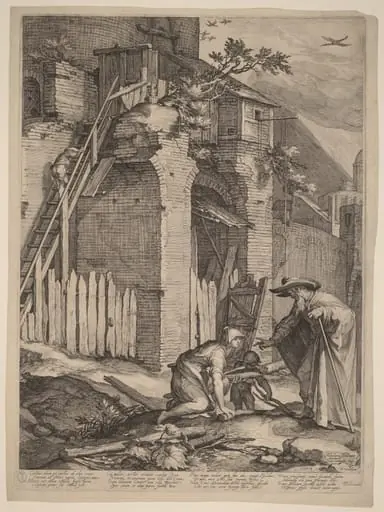 The Prophet Elijah with the Widow of Zarephath
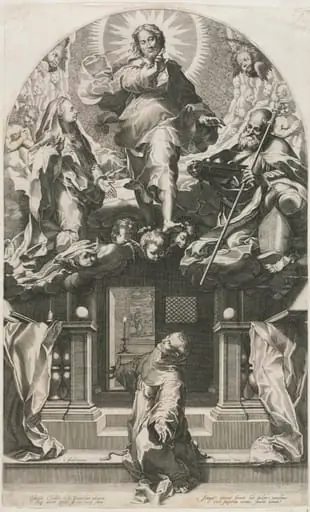 The Ecstasy of St. Francis
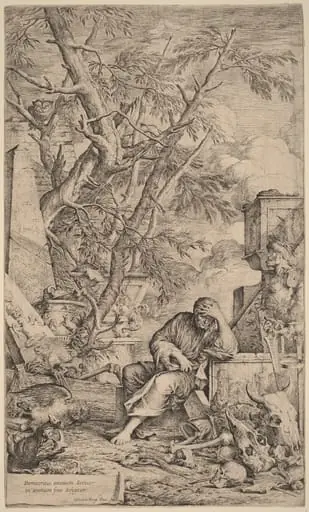
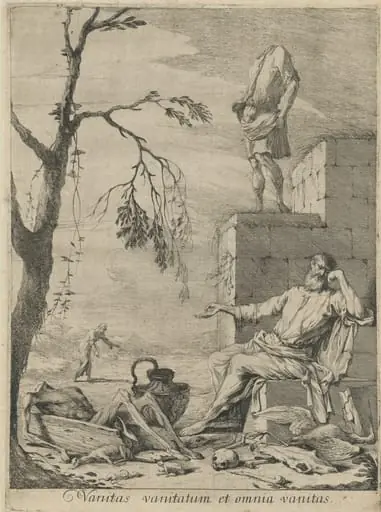 Democritus in Meditation
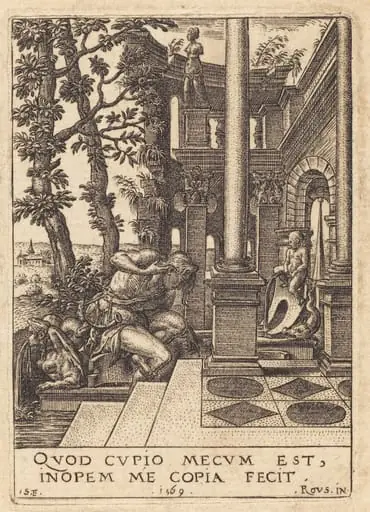 Narcissus at the Fountain
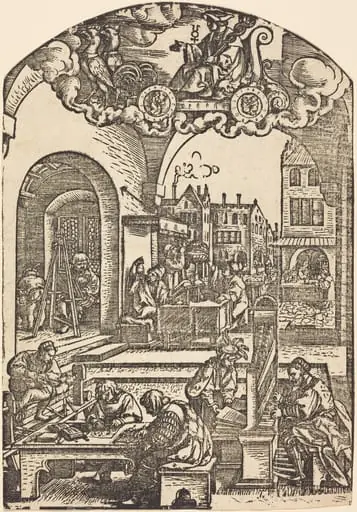 Mercury
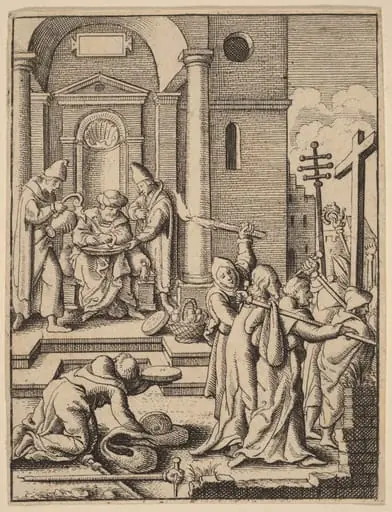 The Washing of Hands
 Saint Benedict Reviving a Monk Killed by the Devil
 Passion Set: Christ Crowned with Thorns
 Democritus in Meditation
 Jesus Christ appearing to St. Francis
 The Annunciation
 Domenico