Artwork
Elevation of the Church of the Holy Sepulchre
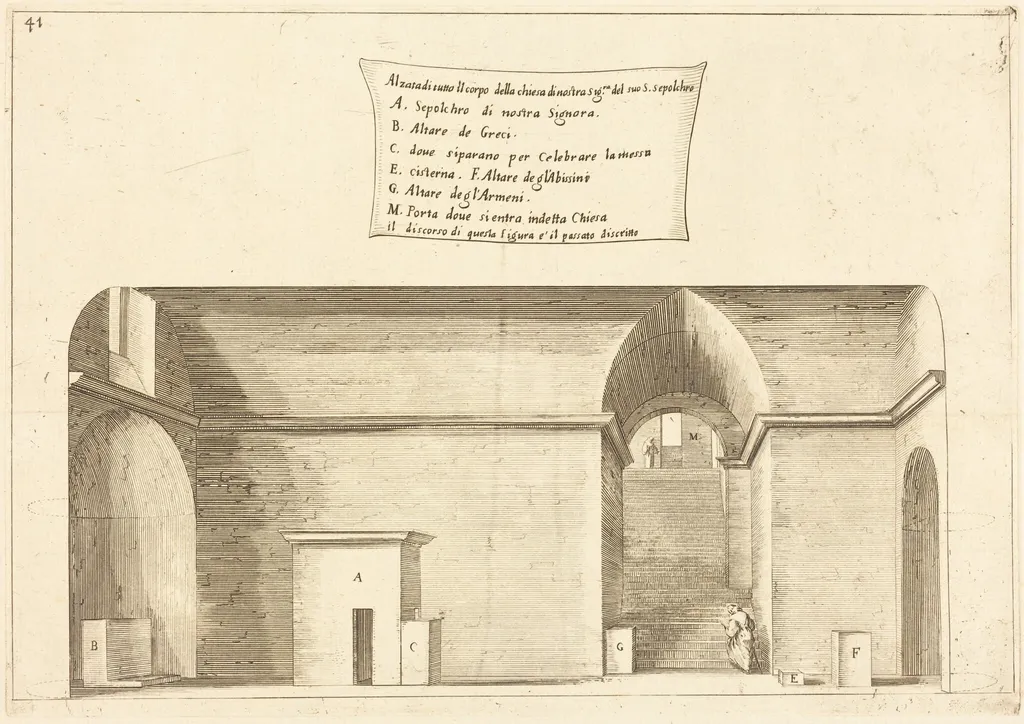
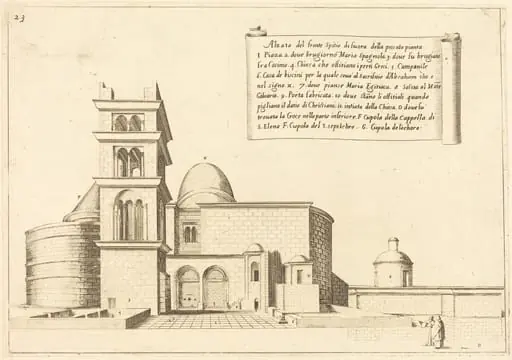
Elevation of the Church of the Holy Sepulchre is an ink print by the Baroque artist Jacques Callot. It dates from 1619 and is held in the collection of the National Gallery of Art.
About this work
Overview
As part of a broader series of architectural studies, it reflects Callot’s interest in documenting sacred spaces with precision.
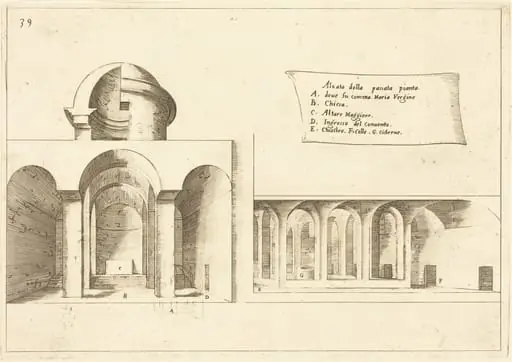
Created in 1619 by Jacques Callot, this print is a restrike of an etching and engraving on laid paper depicting the interior elevation of the Church of the Holy Sepulchre. As part of a broader series of architectural studies, it reflects Callot’s interest in documenting sacred spaces with precision. Though not a finished architectural blueprint, it functions as a measured visual record, combining structural clarity with fine detail typical of his printmaking practice.
Subject & Meaning
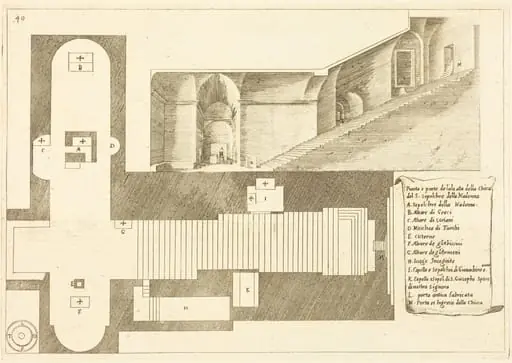
The image presents a front-facing view of the church’s interior, emphasizing its spatial organization. Arches frame the central altar, while labeled walls and banners identify specific liturgical features—altars for different congregations, a cistern, and other functional elements. The inclusion of small figures suggests ritual activity, grounding the architecture in lived religious practice. The work serves as both an architectural study and a devotional aid, clarifying the church’s layout for viewers unfamiliar with its Jerusalem site.
Technique & Style
Callot employed fine etching lines and subtle engraving to render architectural depth and texture. The use of hatching and cross-hatching creates volume in the stone surfaces, while precise lettering labels each component with clarity. His technique balances scientific accuracy with artistic refinement, avoiding excessive ornamentation. The composition is tightly controlled, with perspective and scale calibrated to convey spatial relationships without distortion, characteristic of his methodical approach to architectural subjects.
History & Provenance
This print is a later restrike from Callot’s original 1619 plate, produced after his death as demand for his works persisted. The original plate was likely held in his workshop in Nancy and later passed to collectors or print publishers. Restrikes were common in the 17th and 18th centuries, allowing wider dissemination of his designs. The paper’s laid texture and watermark align with early 17th-century European printmaking practices, supporting its authenticity as a posthumous impression.
Context
In the early 17th century, detailed architectural prints were used by travelers, clergy, and scholars to understand distant holy sites. Callot’s work emerged amid growing European interest in the Holy Land, fueled by pilgrimage accounts and Jesuit missionary reports. His depiction of the Holy Sepulchre aligns with contemporary efforts to document sacred architecture accurately, serving both scholarly and devotional audiences seeking visual confirmation of biblical geography.
Legacy
Callot’s architectural prints, including this one, influenced later generations of draftsmen and printmakers interested in topographical accuracy. His integration of labeling and perspective set a precedent for technical illustration in religious and civic contexts. Though not widely exhibited today, his work remains a reference in studies of early modern print culture and the intersection of art, religion, and cartography in the Baroque period.
Artist & collection
Artist
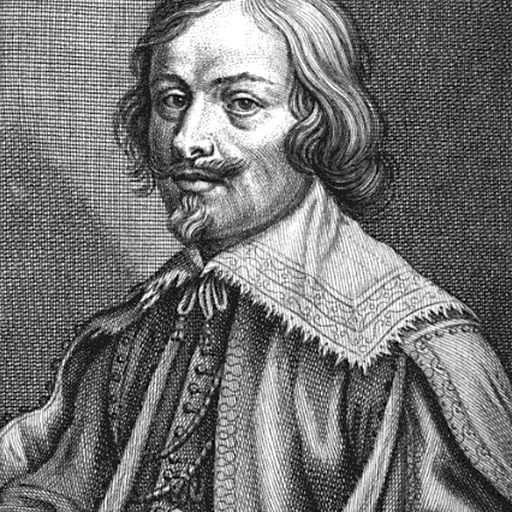
Jacques Callot was a baroque printmaker and draftsman from the Duchy of Lorraine.

 Holy Family at supper
 Restoration of the Aqueduct at Pisa
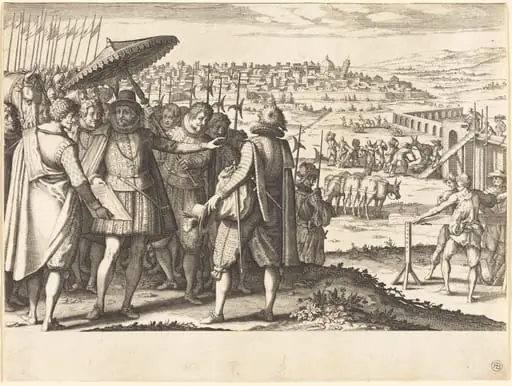 Restoration of the Aqueduct at Pisa
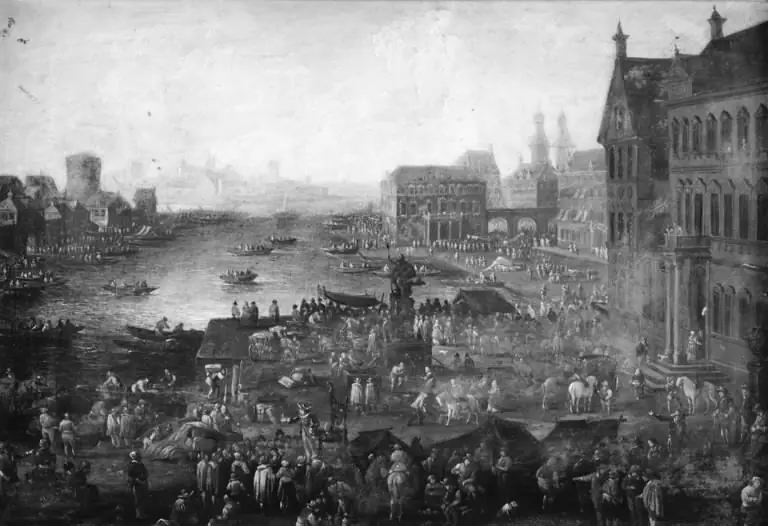 Square in Paris with Many Figures
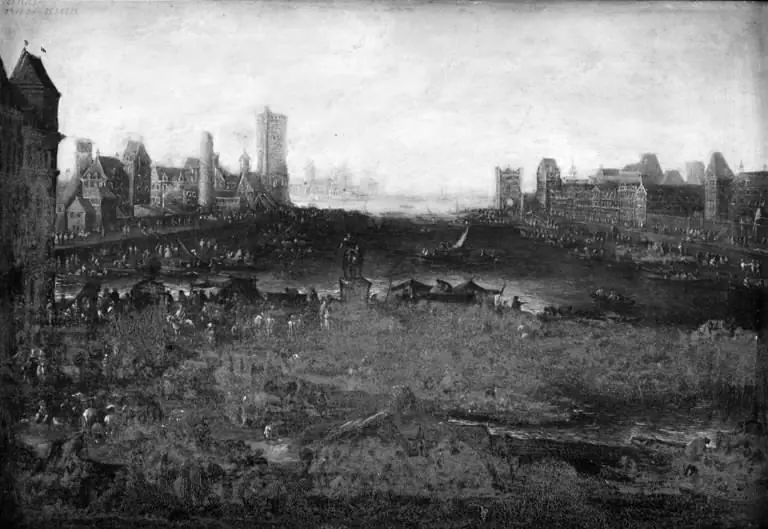 Square in Paris with Many Figures
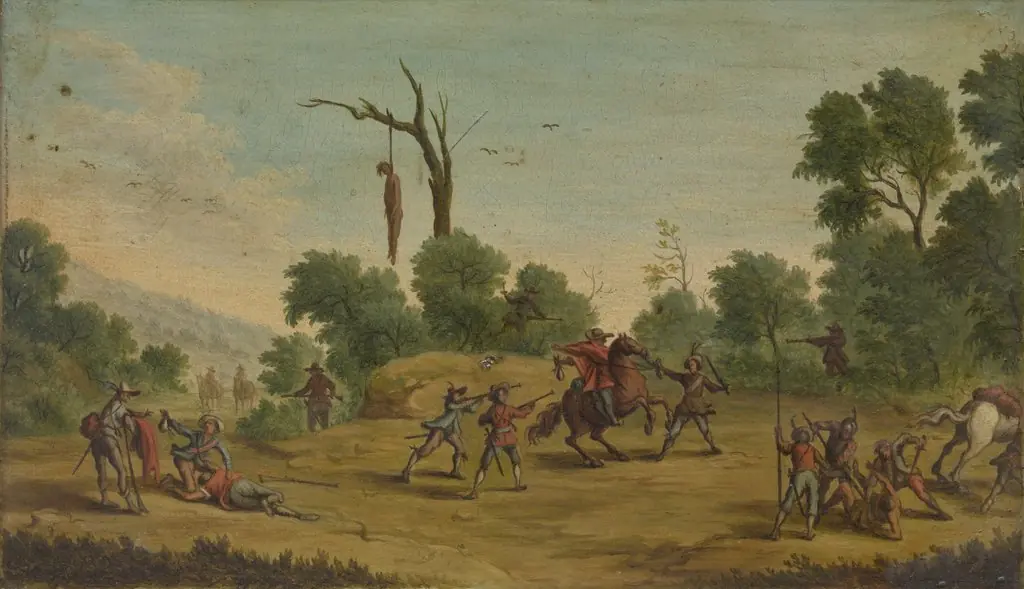 Horsemen Attacked by Robbers
 HOW WILL A COVERED PART BE CORRECTED?HOW WIKA A COVERED HEART DEED CORRECTED?
![Christ Walking on the Water [second plate], by Jacques Callot](https://artifactworldgallery.com/img/jacques-callot--christ-walking-on-the-water-second-plate--2069f3bfe4cb2126-w320.webp) Christ Walking on the Water [second plate]
Christ Walking on the Water [second plate]
 Elevation of a Church
 Plan and Part of the Elevation of the Church of the Holy Sepulchre of the Madonna
 Elevation of a Church
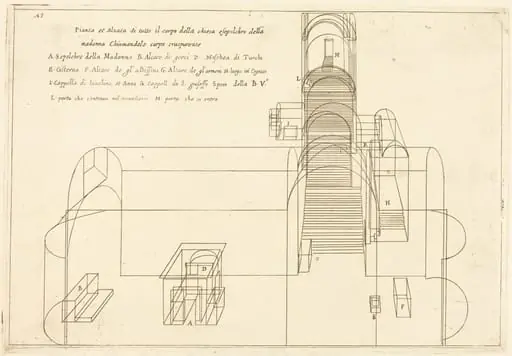 Plan and Elevation of the Church of the Madonna's Sepulchre
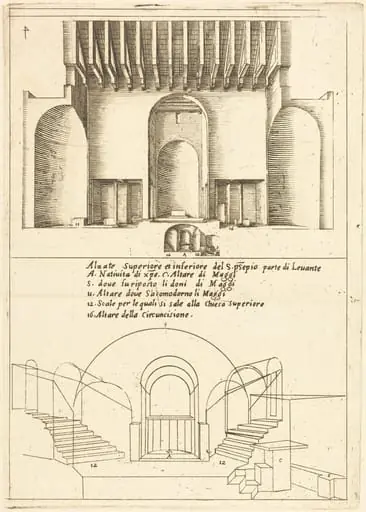 Elevation of the Church of the Holy Manger
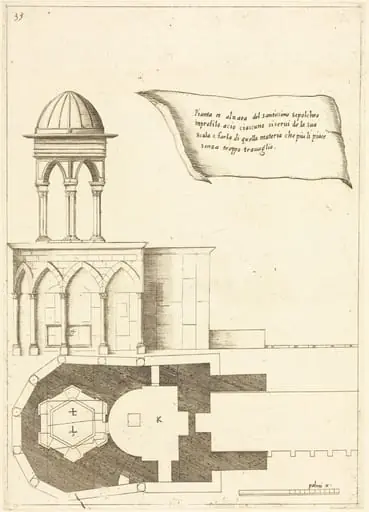 Plan and Elevation of the Church of the Holy Sepulchre
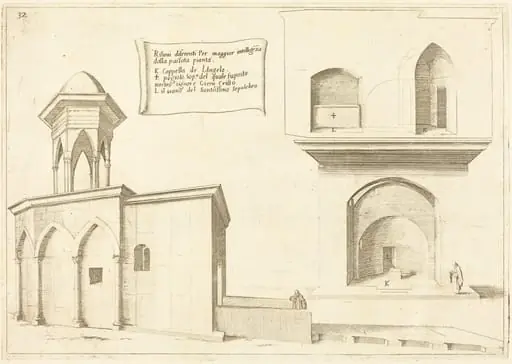 Elevation of the Church of the Holy Sepulchre
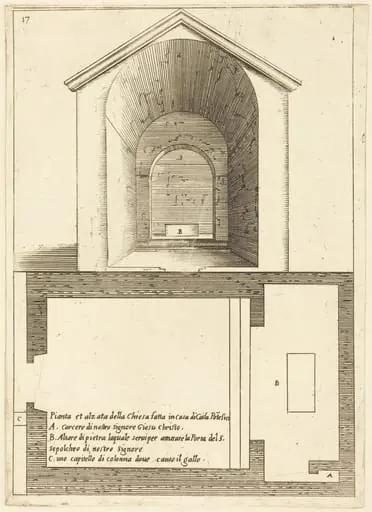 Plan and Elevation of the Church near the House of Caiaphas
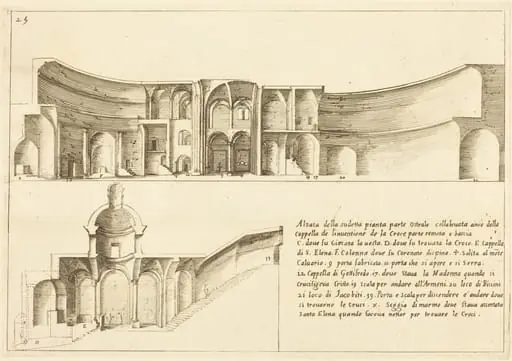 Elevation of the Chapel of the Invention of the Cross
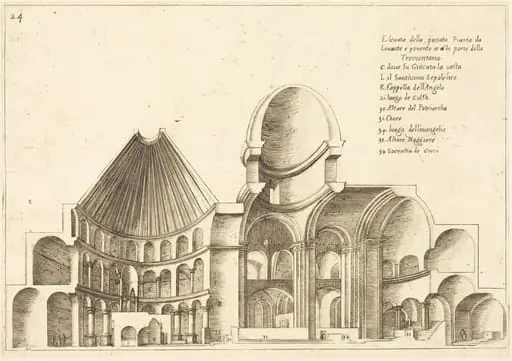 Cross-Section of the Church of the Holy Sepulchre