Artwork
Plan and Elevation of the Church of the Holy Sepulchre
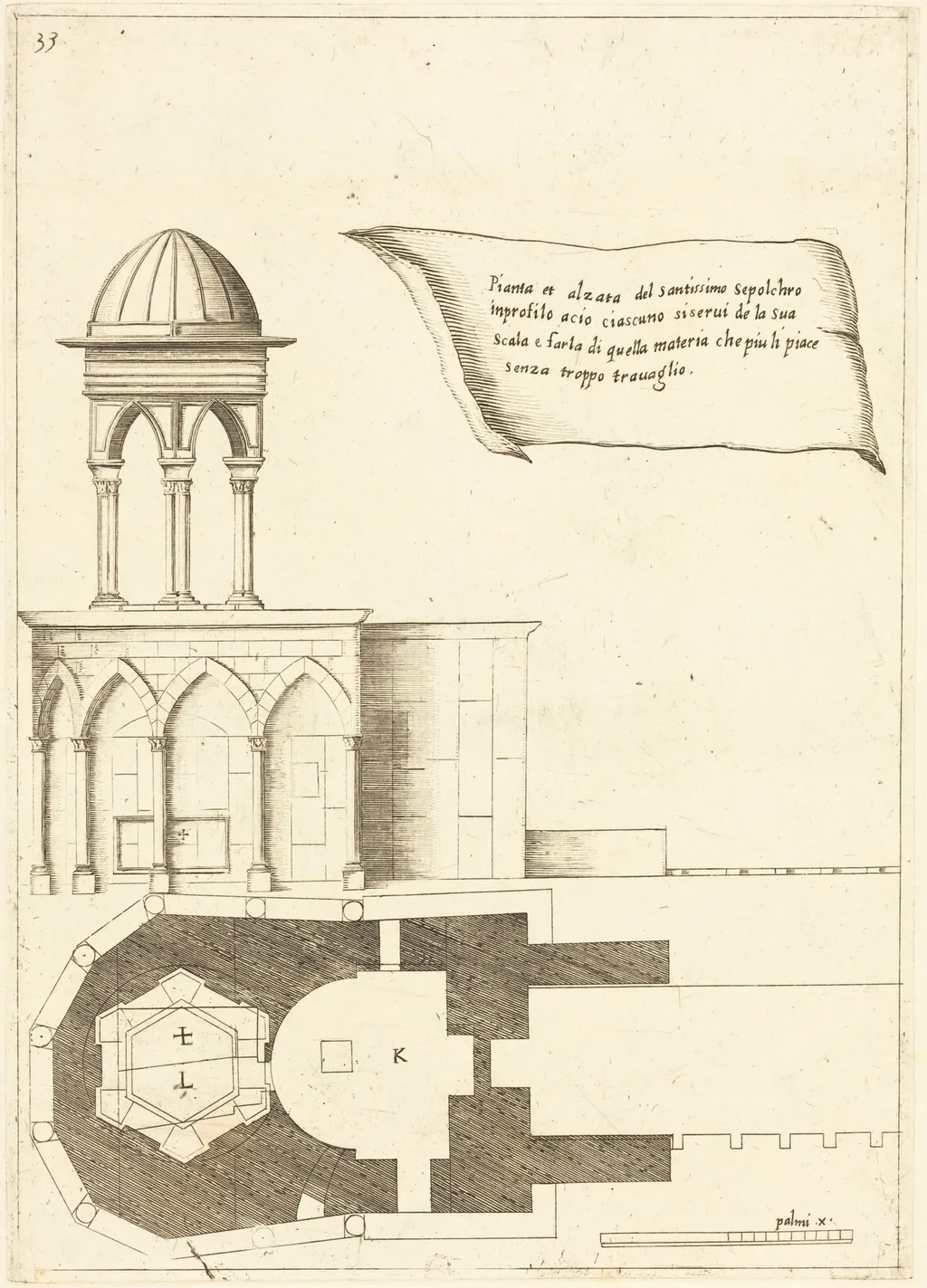
Plan and Elevation of the Church of the Holy Sepulchre is an ink print by the Baroque artist Jacques Callot. It dates from 1619 and is held in the collection of the National Gallery of Art.
About this work
Overview
Jacques Callot’s 1619 print, titled *Plan and Elevation of the Church of the Holy Sepulchre*, combines an architectural elevation with a floor plan on a single sheet of laid paper. Executed in both etching and engraving, the work presents a compact, dome‑capped structure flanked by columns and arched windows, accompanied by a schematic layout of interior spaces and a brief Italian inscription.
Subject & Meaning
The image functions as a technical illustration rather than a decorative composition, offering a clear representation of the Holy Sepulchre’s design. By pairing a frontal elevation with a ground‑plan, Callot provides viewers with a practical overview of the building’s spatial organization, reflecting the early‑modern interest in documenting sacred architecture for pilgrims and scholars.
Technique & Style
Callot employs the fine line work characteristic of his etching practice, reinforced by engraved passages that sharpen architectural details. The use of laid paper enhances the contrast between deep, rich blacks and delicate hatching, while the restrained monochrome palette underscores the print’s documentary purpose, typical of the Baroque period’s emphasis on precise visual records.
History & Provenance
Created in the Duchy of Lorraine, the print belongs to Callot’s prolific output of more than 1,400 prints, many of which recorded military, religious, and courtly scenes. This particular sheet is identified as a restrike, indicating that it was reproduced after the original plate’s initial impression, a common practice for disseminating architectural information in the early 17th century.
Context
During the early 1600s, interest in the Holy Land’s sacred sites grew among European travelers and patrons. Callot’s illustration aligns with contemporary efforts to map and describe pilgrimage destinations, offering a visual aid that complements written guides and supports the era’s broader fascination with sacred geography.
Legacy
While not a decorative masterpiece, the print exemplifies Callot’s ability to merge artistic skill with technical accuracy. It remains a valuable reference for scholars studying Baroque printmaking, early modern architectural documentation, and the transmission of knowledge about one of Christianity’s most revered structures.
Artist & collection
Artist
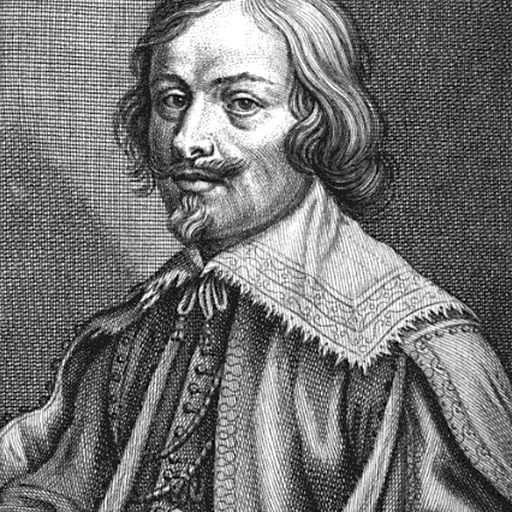
Jacques Callot was a baroque printmaker and draftsman from the Duchy of Lorraine.

 Holy Family at supper
 Restoration of the Aqueduct at Pisa
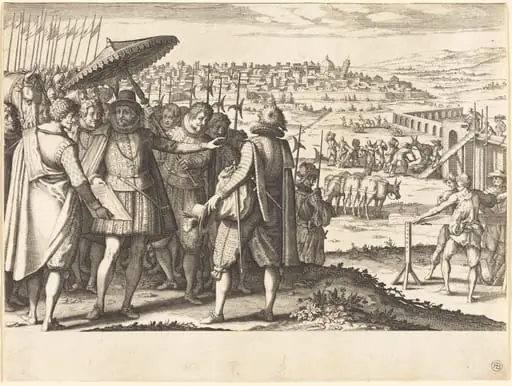 Restoration of the Aqueduct at Pisa
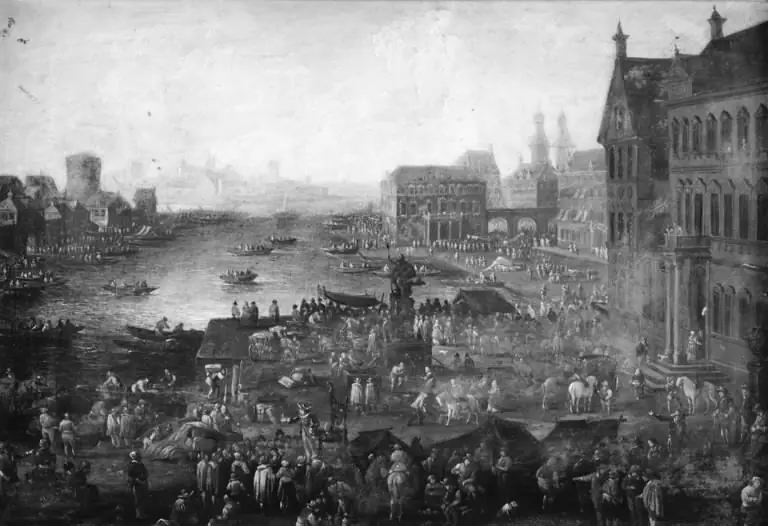 Square in Paris with Many Figures
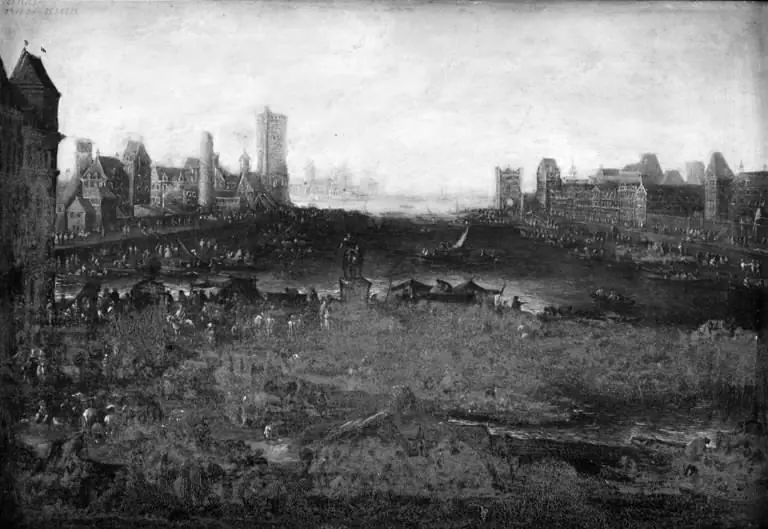 Square in Paris with Many Figures
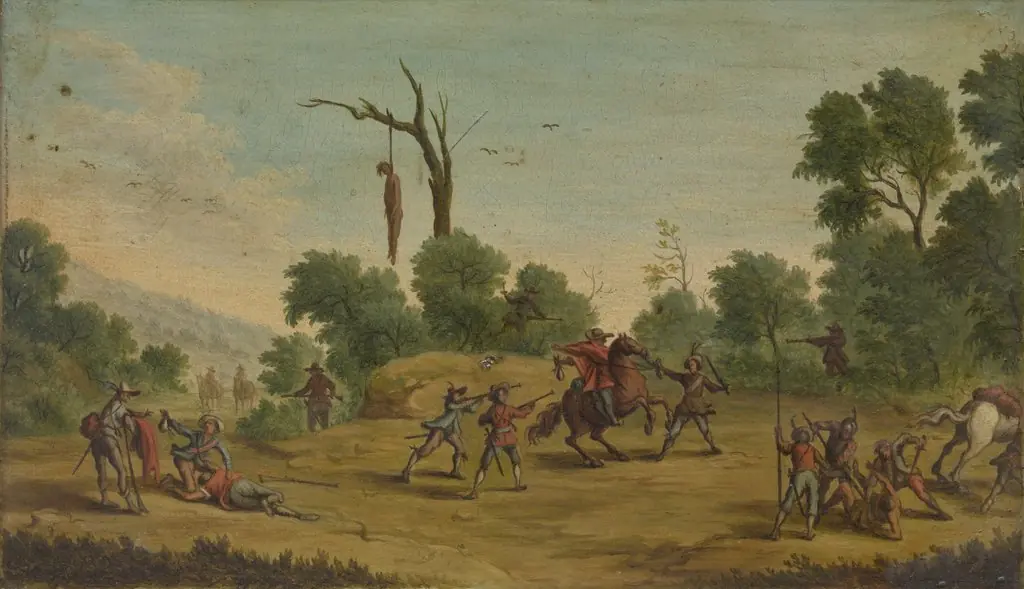 Horsemen Attacked by Robbers
 HOW WILL A COVERED PART BE CORRECTED?HOW WIKA A COVERED HEART DEED CORRECTED?
![Christ Walking on the Water [second plate], by Jacques Callot](https://artifactworldgallery.com/img/jacques-callot--christ-walking-on-the-water-second-plate--2069f3bfe4cb2126-w320.webp) Christ Walking on the Water [second plate]
Christ Walking on the Water [second plate]
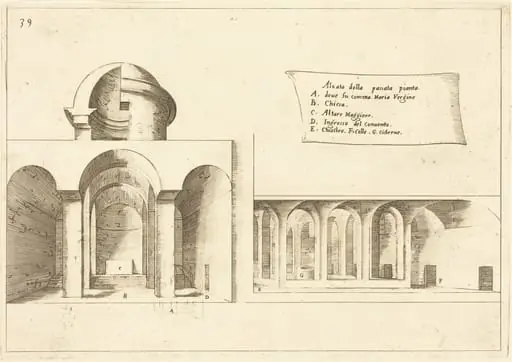 Elevation of a Church
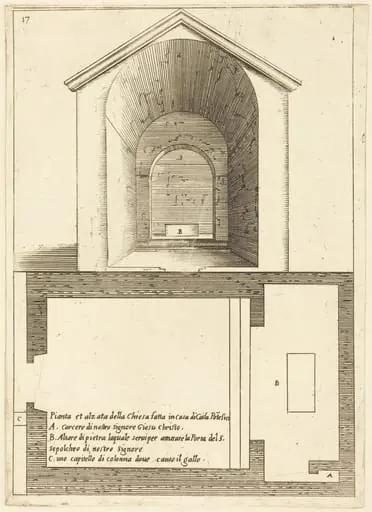 Plan and Elevation of the Church near the House of Caiaphas
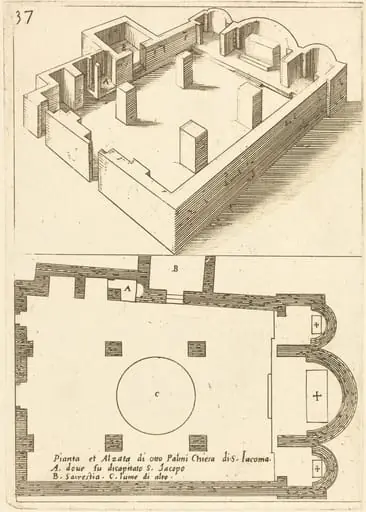 Plan and Elevation of the Church of S. Iacoma
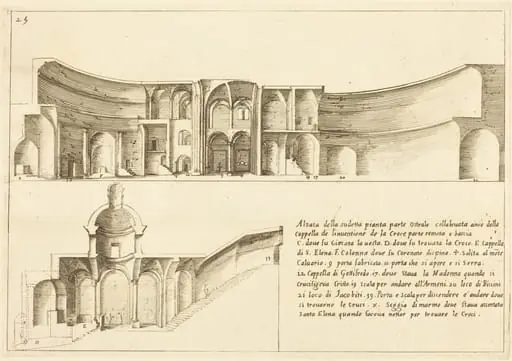 Elevation of the Chapel of the Invention of the Cross
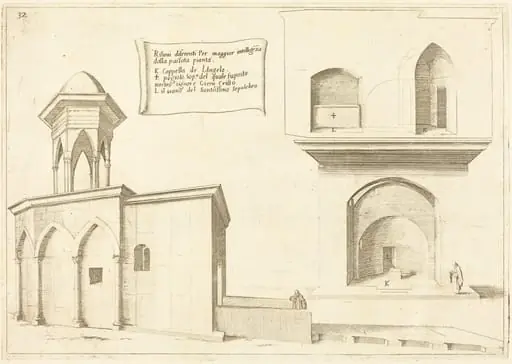 Elevation of the Church of the Holy Sepulchre
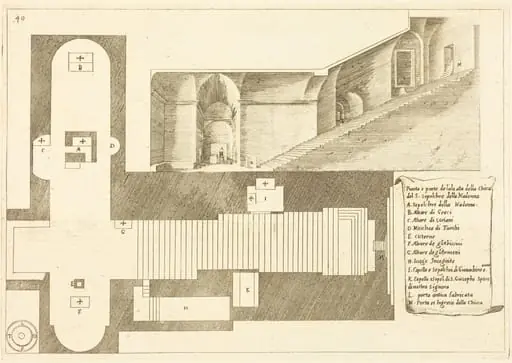 Plan and Part of the Elevation of the Church of the Holy Sepulchre of the Madonna
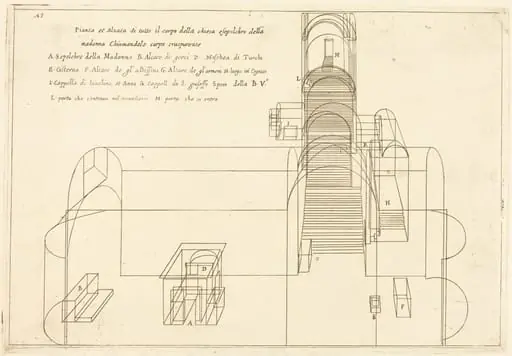 Plan and Elevation of the Church of the Madonna's Sepulchre
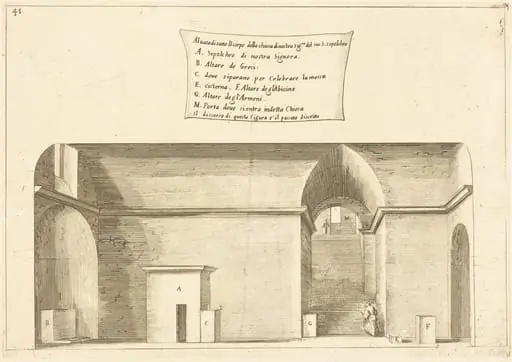 Elevation of the Church of the Holy Sepulchre
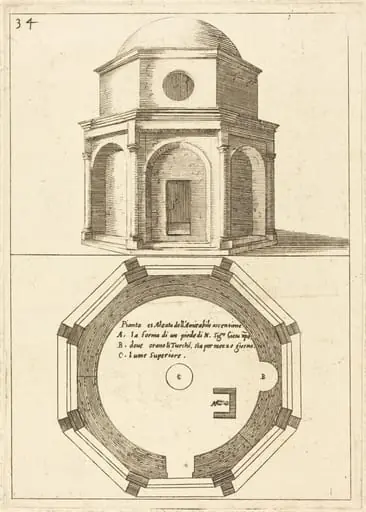 Plan and Elevation of the Church of the Ascension
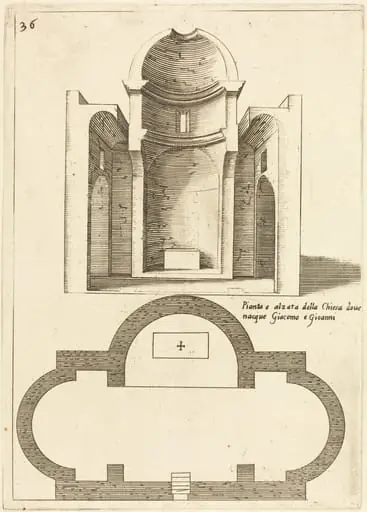 Plan and Elevation of the Church of Saints James and John
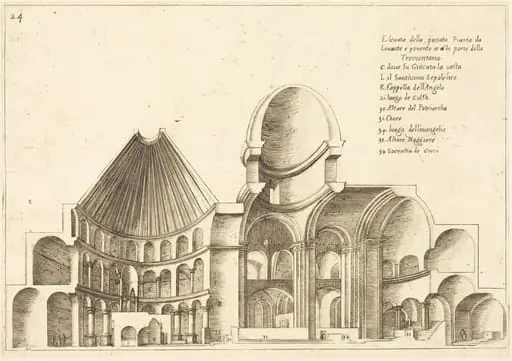 Cross-Section of the Church of the Holy Sepulchre