Artwork
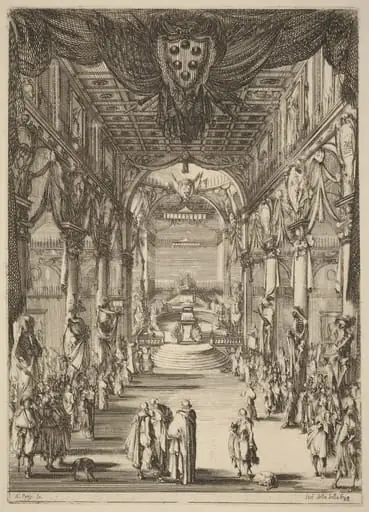
Entry of His Highness on Foot
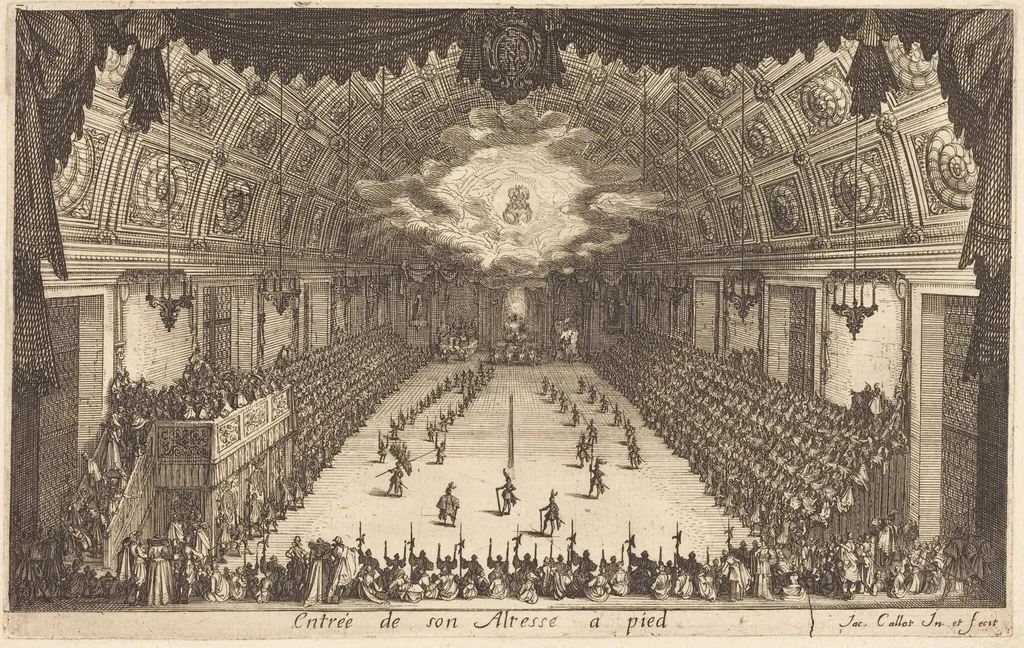
Entry of His Highness on Foot is an ink print by the Baroque artist Jacques Callot. It dates from 1627 and is held in the collection of the National Gallery of Art.
About this work
Overview
Created in 1627, this etching by Jacques Callot depicts a ceremonial procession on a grand staircase. The composition is dominated by a densely packed crowd that watches a dignitary ascend the steps, while a luminous source from above highlights the ornate surroundings. Executed on laid paper, the print measures the scale of a public spectacle within an interior setting.
Subject & Meaning
The scene captures the formal arrival of a high-ranking figure, suggested by the inscription indicating a foot‑borne entry. The throng of onlookers, positioned on both sides of the staircase, conveys collective attention and reverence, reflecting the social hierarchy and ritualized public display characteristic of early‑17th‑century courtly life.
Technique & Style
Callot employs fine line work and varied hatching to render texture, depth, and the bustling atmosphere. The contrast between illuminated architectural details—carved moldings and statuary—and the shadowed masses of people creates a dramatic chiaroscuro effect. The meticulous rendering of individual figures within a broader landscape typifies the baroque narrative approach of the artist.
History & Provenance
Part of Callot’s extensive output of more than 1,400 etchings, this work belongs to his series documenting military and courtly subjects. Produced in the Duchy of Lorraine, the print circulated among collectors of the period and later entered museum collections, illustrating the artist’s reputation for detailed, observational prints that recorded contemporary events.
Artist & collection

Artist
Jacques Callot was a baroque printmaker and draftsman from the Duchy of Lorraine.

 Holy Family at supper
 Restoration of the Aqueduct at Pisa
 Restoration of the Aqueduct at Pisa
 Square in Paris with Many Figures
 Square in Paris with Many Figures
 Horsemen Attacked by Robbers
 HOW WILL A COVERED PART BE CORRECTED?HOW WIKA A COVERED HEART DEED CORRECTED?
![Christ Walking on the Water [second plate], by Jacques Callot](https://artifactworldgallery.com/img/jacques-callot--christ-walking-on-the-water-second-plate--2069f3bfe4cb2126-w320.webp) Christ Walking on the Water [second plate]
Christ Walking on the Water [second plate]
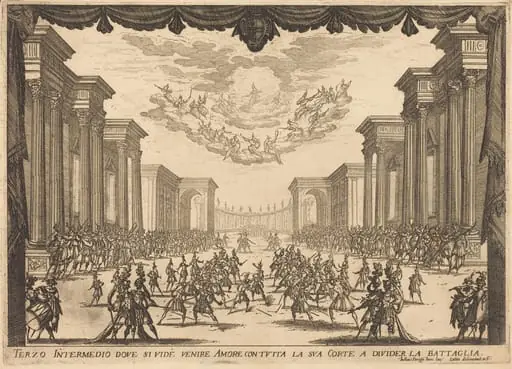 Third Intermezzo
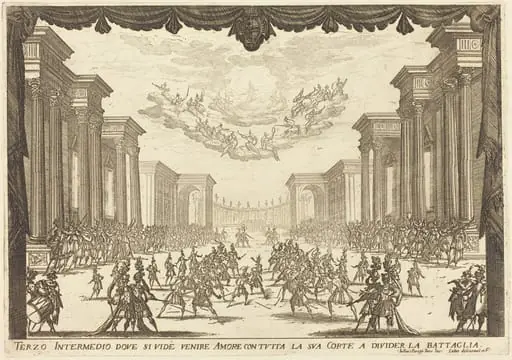 Third Intermezzo
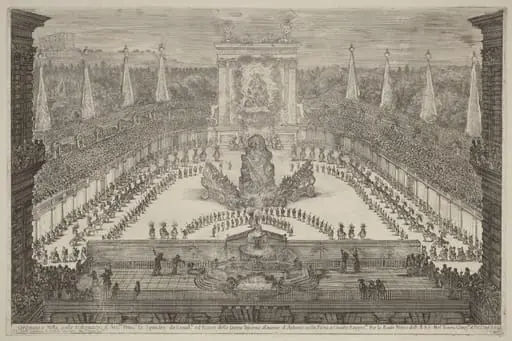 The Prince of Tuscany, His Horse Troops and Carriages around Mount Atlas
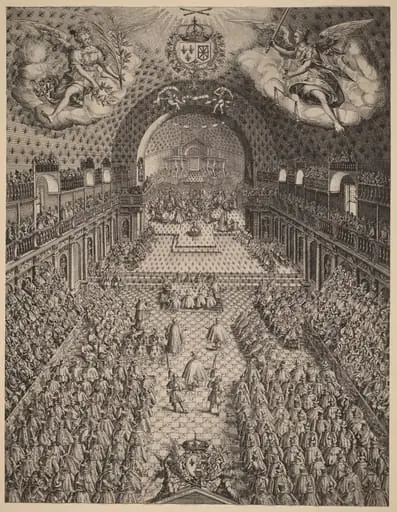 The States General of France (Les Etats Generaux de France)
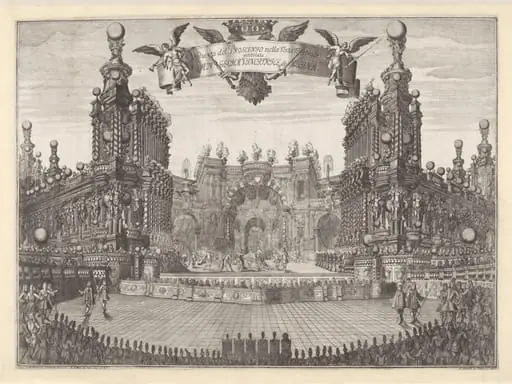 H Beard Print Collection
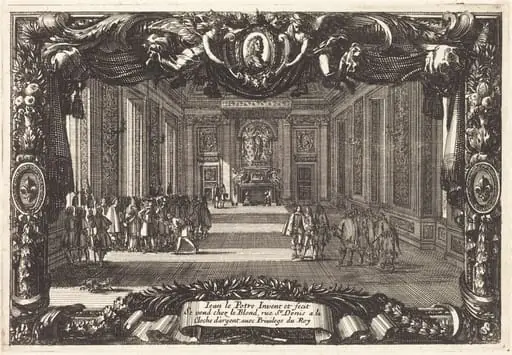 Title Page
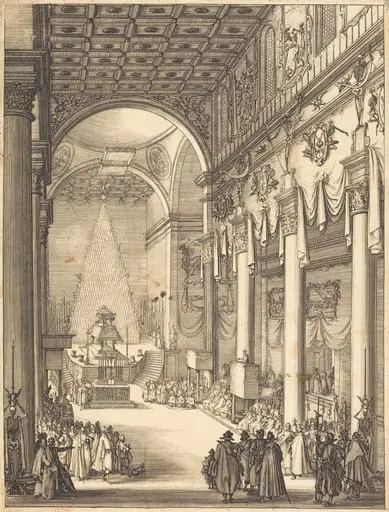 The Catafalque of the Emperor Mathias
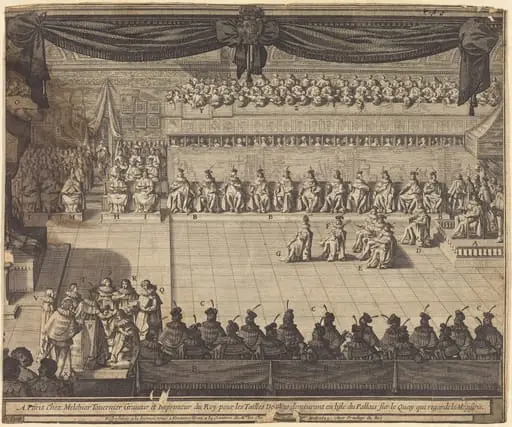 Meeting in the Chapel at Fontainebleau
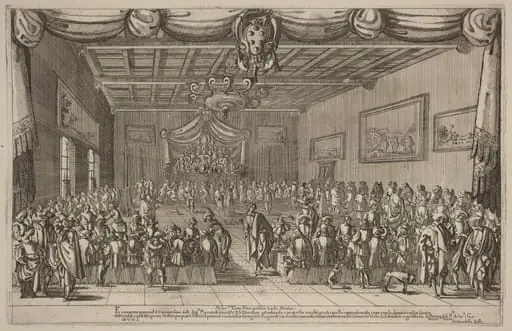 The Banquet of the Piacevoli
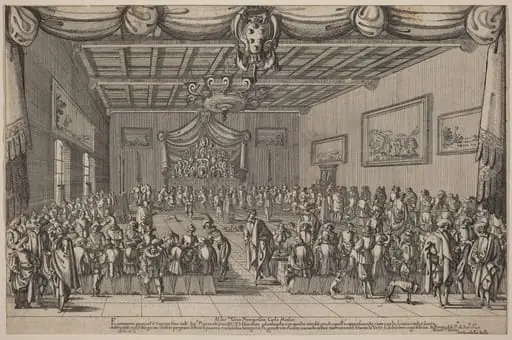 The Banquet of the Piacevoli
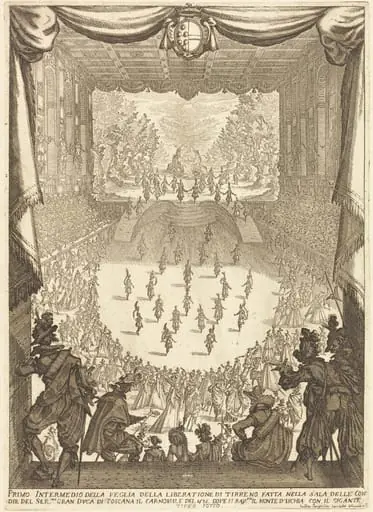 First Intermezzo
 Funeral of Prince Francesco de Medici