Artwork
Man Cutting a Balm-Tree
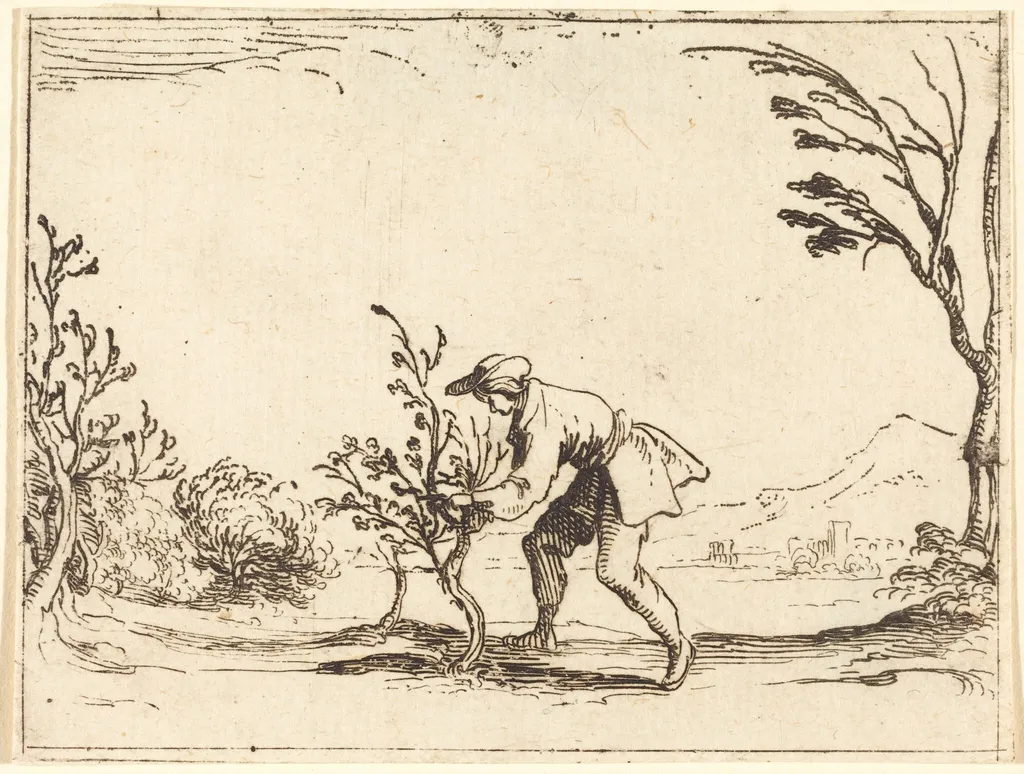
Man Cutting a Balm-Tree is an ink print by the Renaissance artist Jacques Callot. It dates from 1628 and is held in the collection of the National Gallery of Art.
About this work
Overview
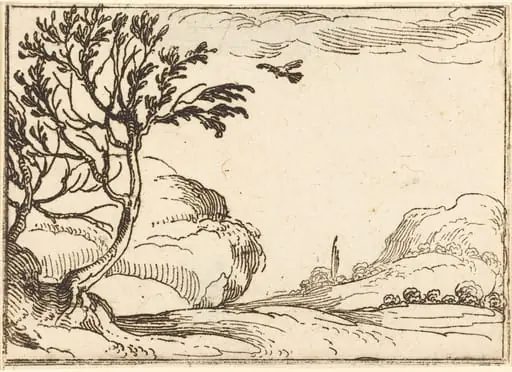
Jacques Callot’s 1628 etching, *Man Cutting a Balm-Tree*, presents a solitary figure at work in a natural setting. Executed on laid paper, the image captures a moment of quiet labor as the man, hat‑clad and bent over, slices a branch from a central balm tree. Distant foliage and a modest building frame the scene, lending a modest narrative depth to the composition.
Subject & Meaning
The central figure embodies a straightforward occupational activity, emphasizing concentration and purpose. By isolating the act of cutting a balm tree, Callot invites contemplation of everyday work and its relationship to the surrounding landscape, hinting at broader themes of human interaction with nature and the rhythms of rural life in early‑17th‑century Europe.
Technique & Style
Callot employed fine etching lines on laid paper, a technique that allowed for intricate detail in both the figure’s clothing and the surrounding vegetation. The delicate cross‑hatching creates subtle tonal variations, while the clear delineation of the tree’s branches demonstrates his mastery of depth and texture within the limited medium of printmaking.
History & Provenance
Created in 1628, the work belongs to Callot’s prolific output of more than 1,400 prints that document contemporary social scenes. While the specific ownership trail of this particular plate is not recorded, it forms part of the broader corpus that established Callot’s reputation as a leading baroque printmaker from the Duchy of Lorraine.
Artist & collection
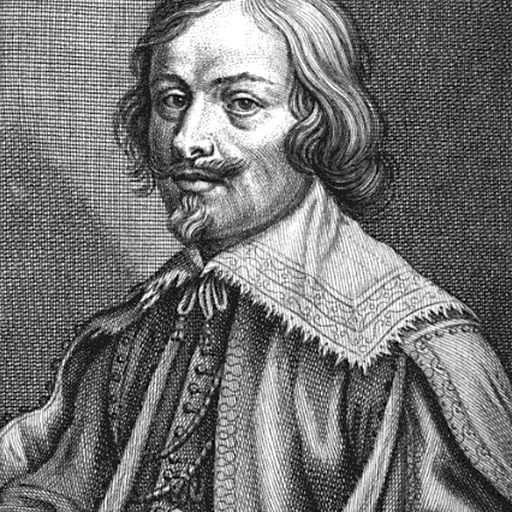
Artist
Jacques Callot was a baroque printmaker and draftsman from the Duchy of Lorraine.

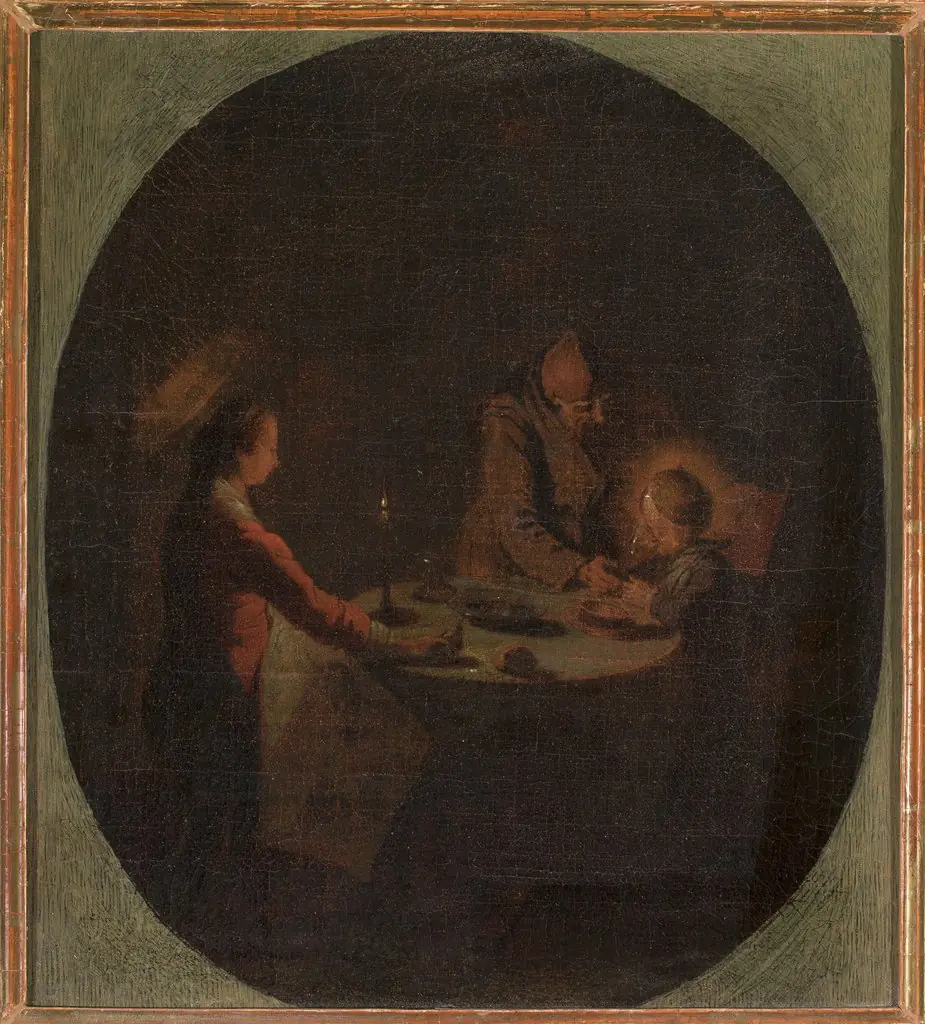 Holy Family at supper
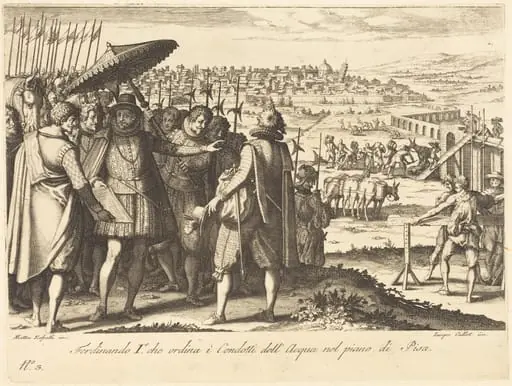 Restoration of the Aqueduct at Pisa
 Restoration of the Aqueduct at Pisa
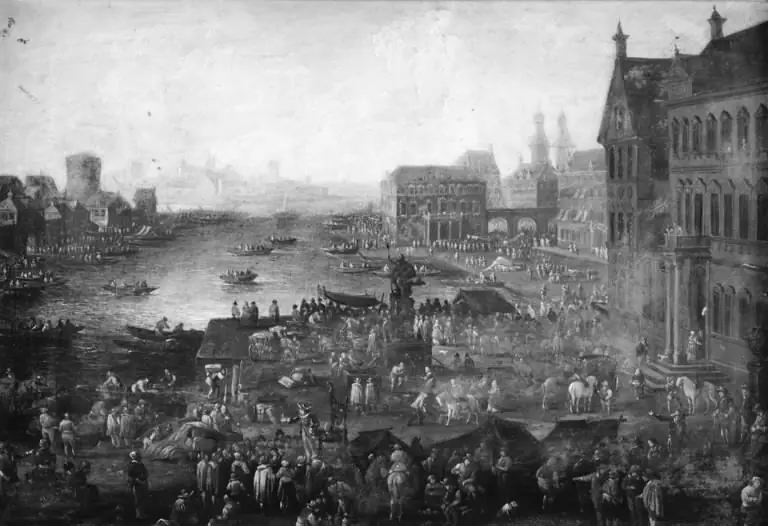 Square in Paris with Many Figures
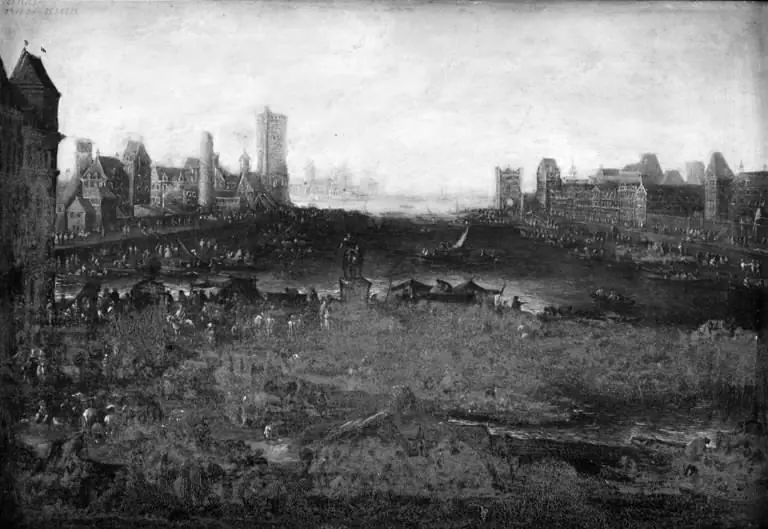 Square in Paris with Many Figures
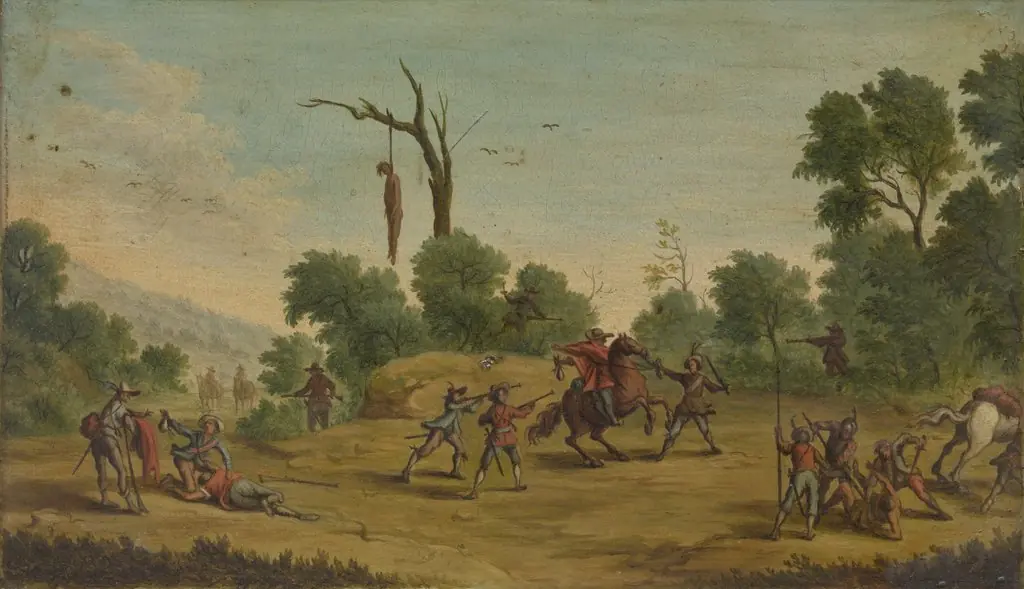 Horsemen Attacked by Robbers
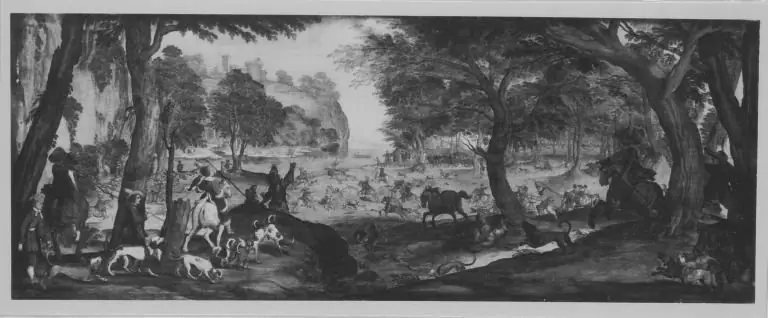 HOW WILL A COVERED PART BE CORRECTED?HOW WIKA A COVERED HEART DEED CORRECTED?
![Christ Walking on the Water [second plate], by Jacques Callot](https://artifactworldgallery.com/img/jacques-callot--christ-walking-on-the-water-second-plate--2069f3bfe4cb2126-w320.webp) Christ Walking on the Water [second plate]
Christ Walking on the Water [second plate]