Artwork
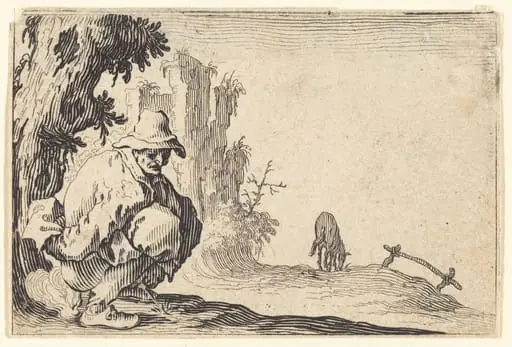
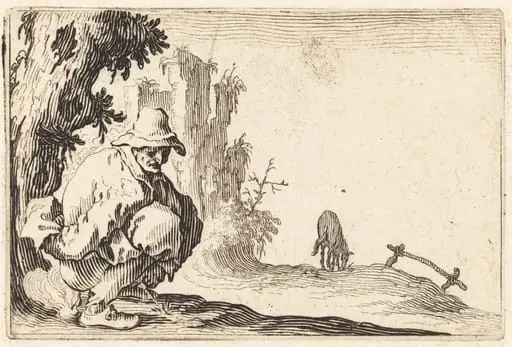
Peasant Defecating
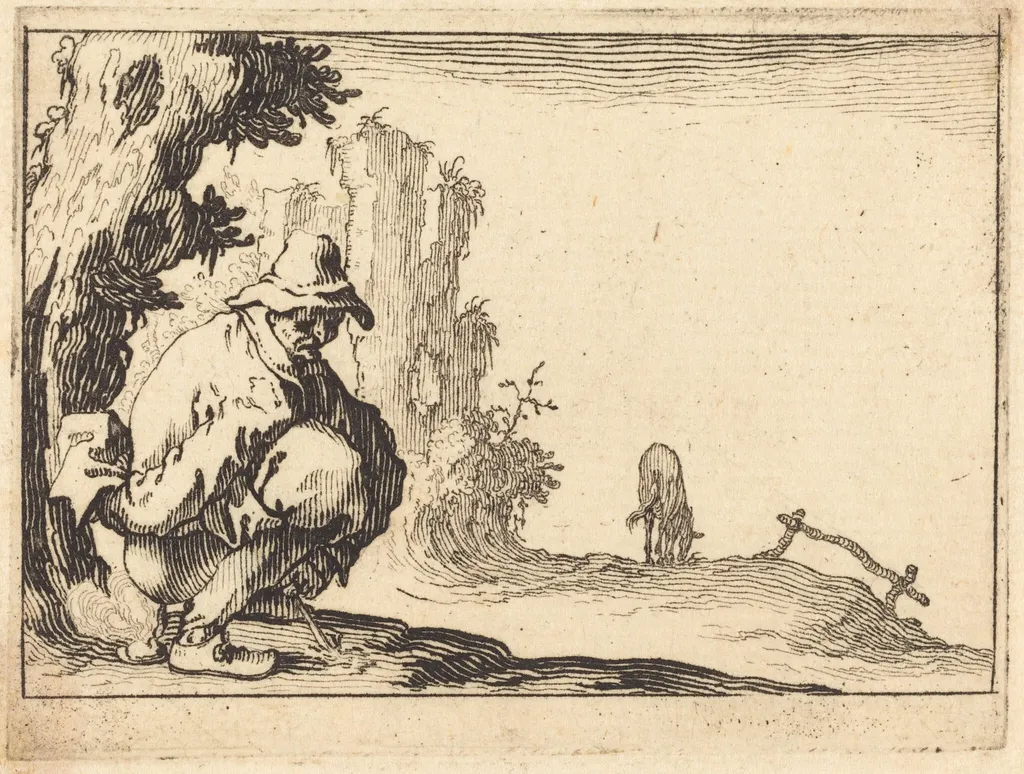
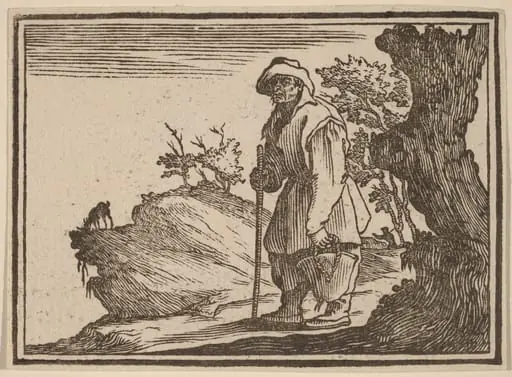
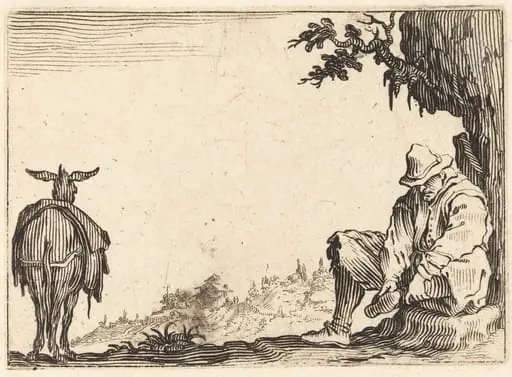
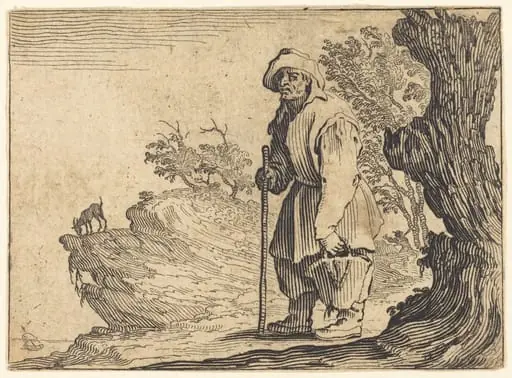
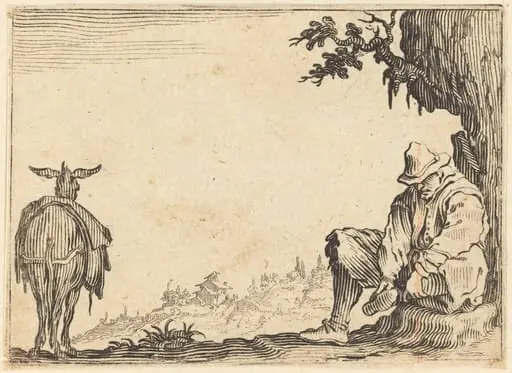
Peasant Defecating is an ink print by the Baroque artist Jacques Callot. It dates from 1617 and is held in the collection of the National Gallery of Art.
About this work
Overview
Created circa 1617, *Peasant Defecuring* is an etching on laid paper by Jacques Callot, a French printmaker active in the early seventeenth century. The work belongs to Callot’s prolific output of more than a thousand prints that document everyday life in the Duchy of Lorraine.
Subject & Meaning
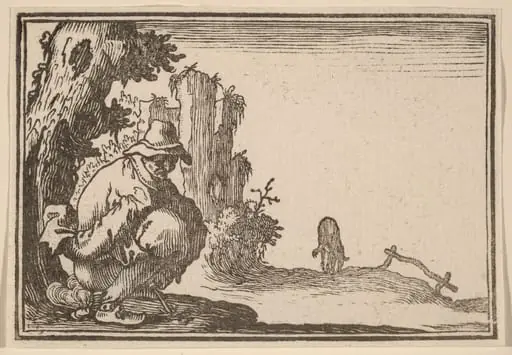
The image depicts a solitary figure squatting in an open landscape, engaged in a private act of defecation. The stark, unembellished portrayal underscores Callot’s interest in the mundane and the socially marginal, presenting a candid glimpse of rural existence without moralizing commentary.
Technique & Style
Callot employed the traditional etching process, incising the design into a metal plate and allowing ink to settle in the resulting lines. The resulting marks are rough and scratchy, producing a raw, unfinished quality that heightens the immediacy of the scene and contrasts with the smoother areas of the paper.
History & Provenance
The print emerged during Callot’s early period, when he was establishing his reputation for detailed genre scenes. It has survived in several impressions on laid paper, a common support for prints of the era, and is recorded in catalogues of his oeuvre as an example of his interest in lower‑class subjects.
Context
In the Baroque period, French and Lorraine artists often used printmaking to disseminate observations of daily life. Callot’s work aligns with this trend, joining other prints that depict soldiers, beggars, and peasants, thereby providing a visual record of contemporary customs and social hierarchies.
Artist & collection
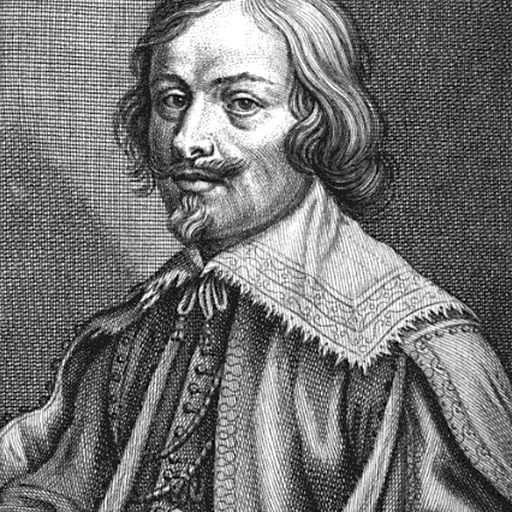
Artist
Jacques Callot was a baroque printmaker and draftsman from the Duchy of Lorraine.

 Holy Family at supper
 Restoration of the Aqueduct at Pisa
 Restoration of the Aqueduct at Pisa
 Square in Paris with Many Figures
 Square in Paris with Many Figures
 Horsemen Attacked by Robbers
 HOW WILL A COVERED PART BE CORRECTED?HOW WIKA A COVERED HEART DEED CORRECTED?
![Christ Walking on the Water [second plate], by Jacques Callot](https://artifactworldgallery.com/img/jacques-callot--christ-walking-on-the-water-second-plate--2069f3bfe4cb2126-w320.webp) Christ Walking on the Water [second plate]
Christ Walking on the Water [second plate]