Artwork
Mysteries of the Passion
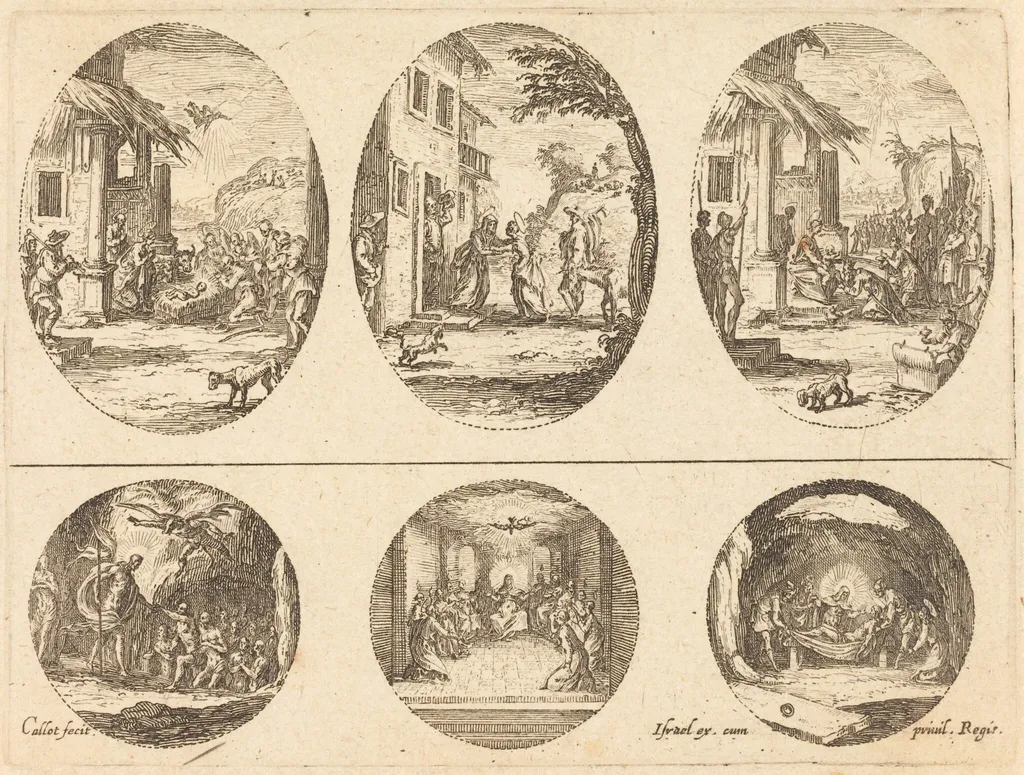
Mysteries of the Passion is an ink print by the Baroque artist Jacques Callot. It dates from 1631 and is held in the collection of the National Gallery of Art.
About this work
Overview
Jacques Callot, a printmaker from the Duchy of Lorraine, produced *Mysteries of the Passion* around 1631 as an etching on laid paper.
Jacques Callot, a printmaker from the Duchy of Lorraine, produced *Mysteries of the Passion* around 1631 as an etching on laid paper. This work is one of over 1,400 prints he created, many of which explored religious subjects alongside scenes of daily life. The composition organizes six episodes from Christ’s final hours into compact oval frames, arranged to guide the viewer through a sequential narrative of suffering and sacrifice.
Subject & Meaning
The print illustrates key moments from the Passion of Christ, including his carrying of the cross, trials, and crucifixion. Each scene is rendered with emotional intensity, emphasizing human reactions—grief, defiance, and devotion. Recurring figures, such as mounted soldiers or figures bearing the cross, unify the sequence, reinforcing the continuity of the sacred narrative while inviting contemplation of individual suffering within a collective event.
Technique & Style
Callot employed fine, precise etching lines to capture dense detail and dynamic movement. His use of cross-hatching creates deep shadows and a sense of spatial depth, even within the confined oval frames. The crowded compositions, with figures in varied poses beneath arches and doorways, reflect his mastery of visual storytelling. The sharpness of the lines and the rhythmic repetition of gestures lend the scenes a theatrical quality, characteristic of Baroque sensibilities.
History & Provenance
Created during Callot’s mature period in Nancy, the work emerged from a time of religious turmoil and artistic innovation in early 17th-century Europe. Though no specific early ownership records are documented, the print was widely circulated among collectors and clergy who valued its devotional clarity and technical precision. Its survival in multiple impressions suggests it was reproduced and distributed for private meditation or educational use.
Context
Callot worked in a period when printmaking was increasingly used for religious instruction and personal piety, especially in regions affected by the Reformation and Counter-Reformation. His ability to condense complex narratives into small, legible scenes made his prints accessible to a broader audience. The detailed landscapes and architectural backdrops reflect contemporary interest in naturalism and spatial coherence, aligning his work with broader Baroque trends in visual culture.
Legacy
Callot’s *Mysteries of the Passion* influenced later printmakers through its narrative economy and technical rigor. His innovations in etching—particularly in rendering crowd scenes and atmospheric depth—became reference points for artists across Europe. Though less celebrated than his satirical works, this series remains a significant example of how religious themes were adapted to the intimate, reproducible format of the printed image in the early modern era.
Artist & collection
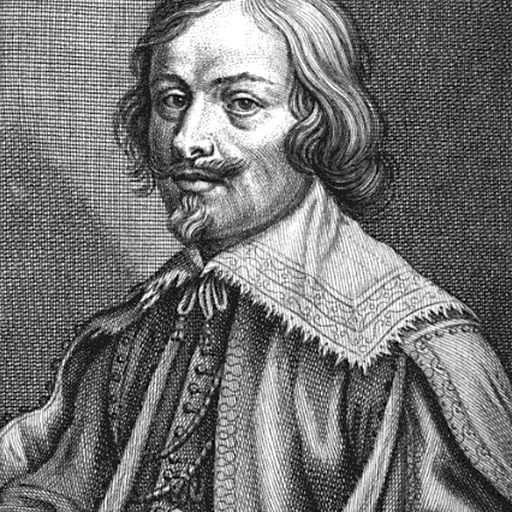
Artist
Jacques Callot was a baroque printmaker and draftsman from the Duchy of Lorraine.

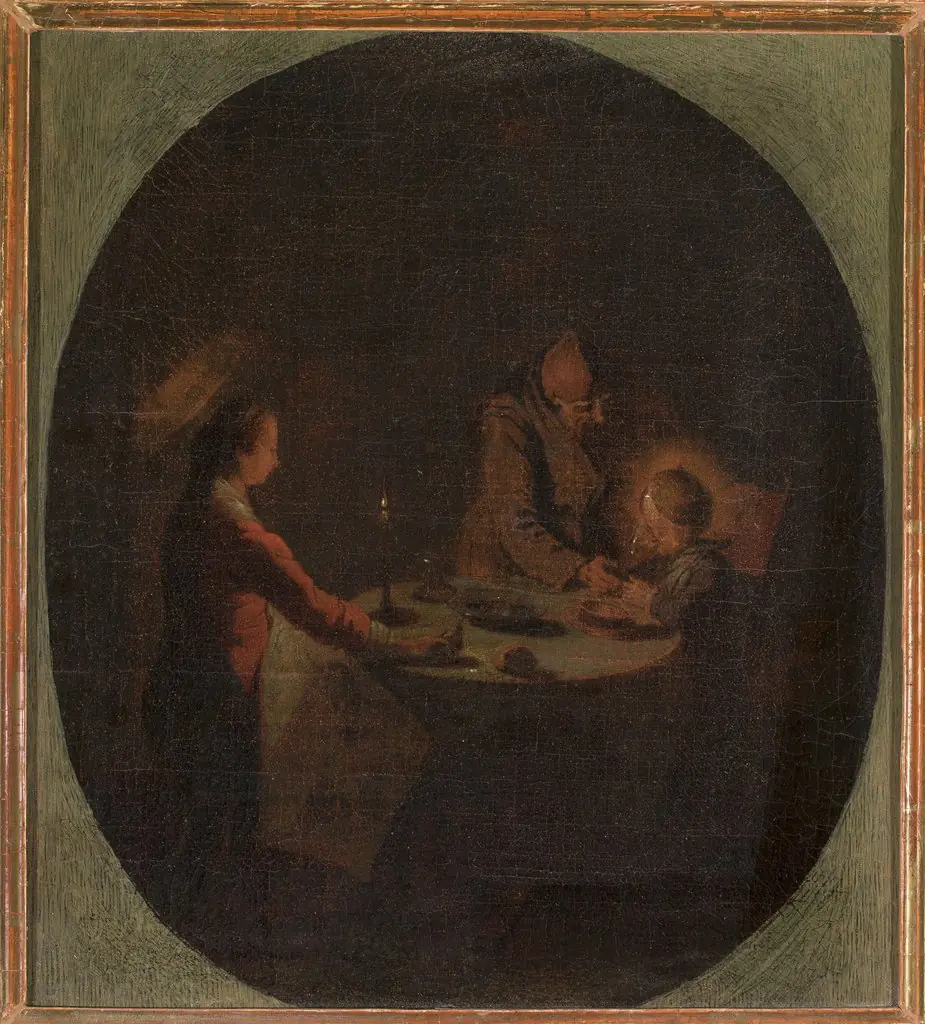 Holy Family at supper
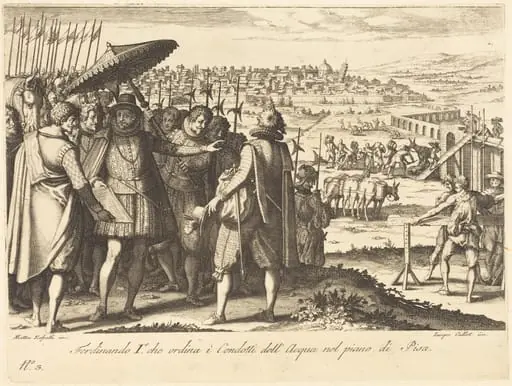 Restoration of the Aqueduct at Pisa
 Restoration of the Aqueduct at Pisa
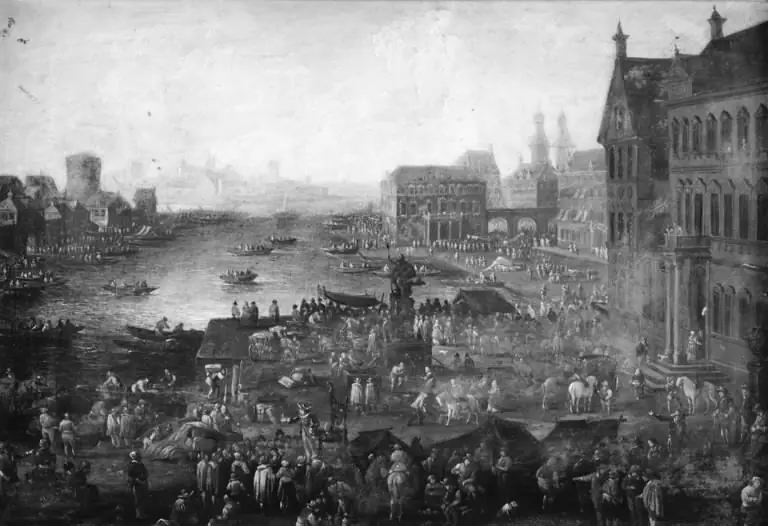 Square in Paris with Many Figures
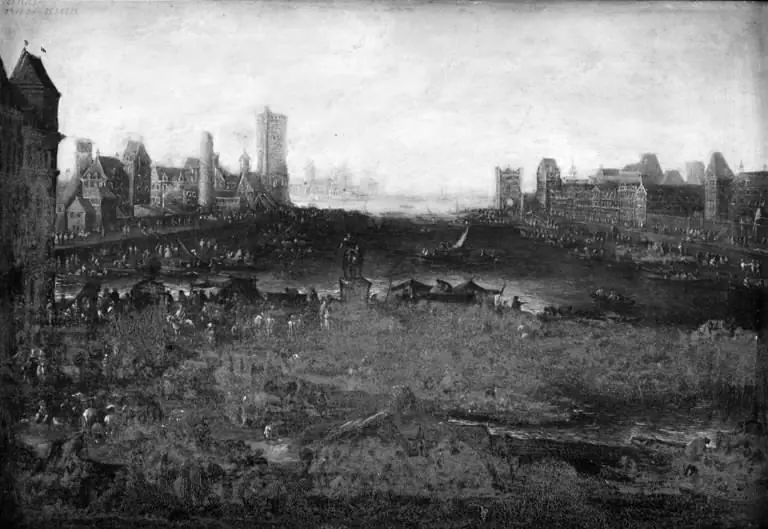 Square in Paris with Many Figures
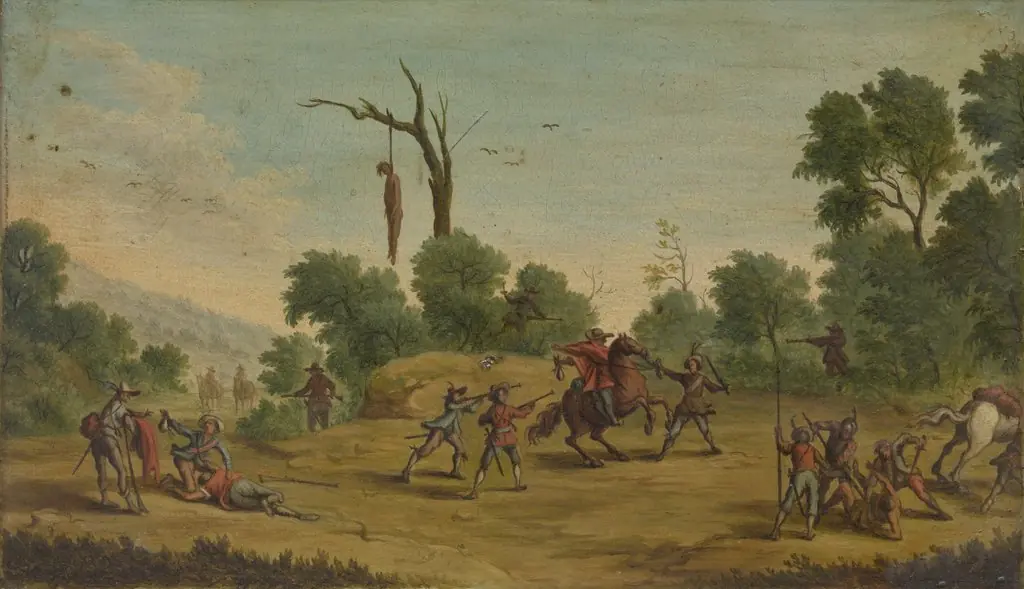 Horsemen Attacked by Robbers
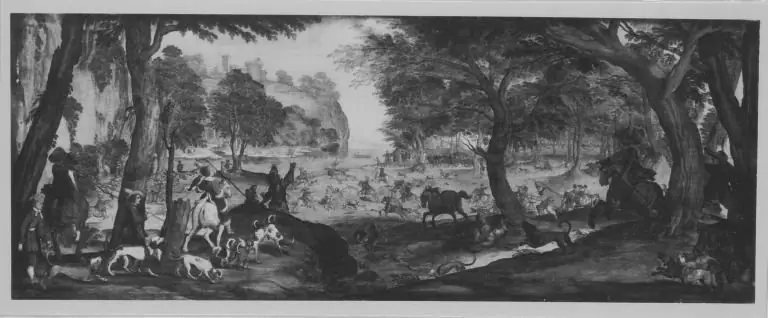 HOW WILL A COVERED PART BE CORRECTED?HOW WIKA A COVERED HEART DEED CORRECTED?
![Christ Walking on the Water [second plate], by Jacques Callot](https://artifactworldgallery.com/img/jacques-callot--christ-walking-on-the-water-second-plate--2069f3bfe4cb2126-w320.webp) Christ Walking on the Water [second plate]
Christ Walking on the Water [second plate]