Artwork
Noah's Ark
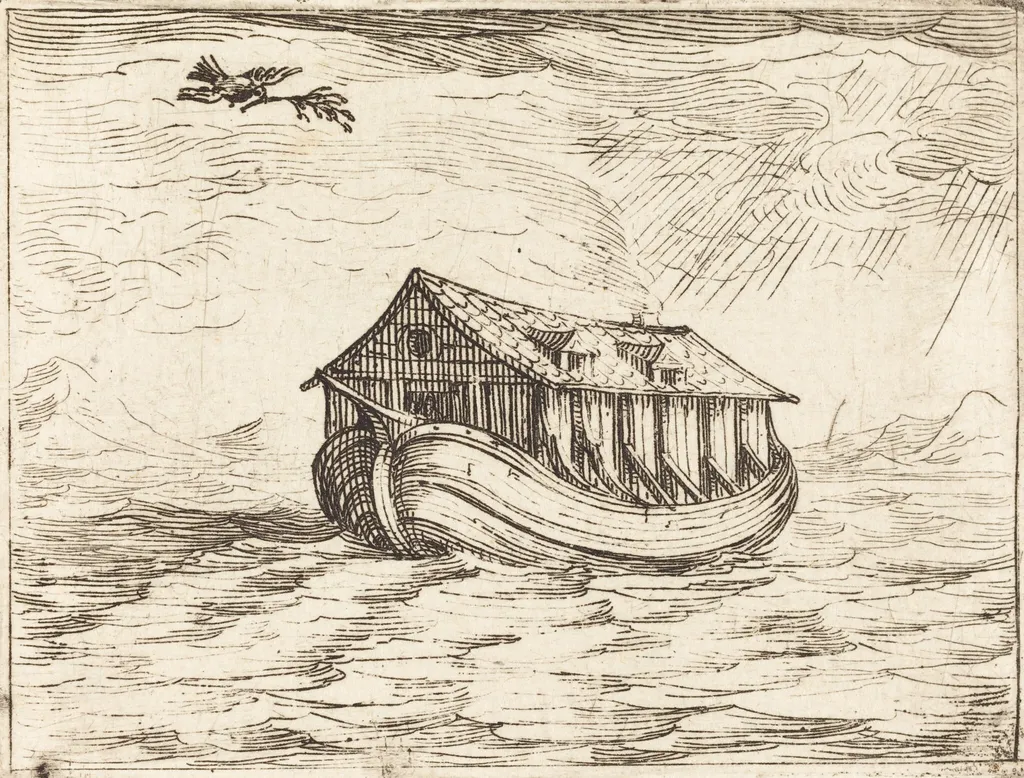
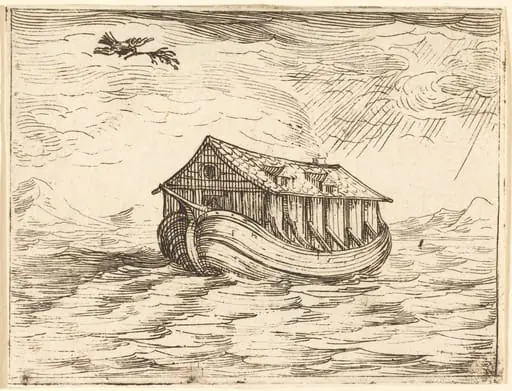
Noah's Ark is an ink print by the Renaissance artist Jacques Callot. It dates from 1628 and is held in the collection of the National Gallery of Art.
About this work
Overview
Jacques Callot’s 1628 print titled *Noah’s Ark* is an etching executed on laid paper. The work measures the artist’s characteristic baroque sensibility, presenting a wooden vessel with a pointed roof navigating a turbulent sea, while a solitary bird circles overhead and a barren tree stands nearby.
Subject & Meaning
The composition depicts the biblical narrative of the ark, emphasizing the precariousness of the flood’s waters. The inclusion of a leafless tree and a lone bird may suggest themes of desolation and hope amid catastrophe, inviting contemplation of survival and renewal.
Technique & Style
Callot employed the etching process, incising fine lines into a copper plate that were then transferred onto laid paper. His handling of line is both precise and vigorous, rendering the texture of timber, the agitation of waves, and the delicate forms of the bird with a distinctly scratchy yet controlled hand.
History & Provenance
A prolific figure in early seventeenth‑century printmaking, Callot produced more than 1,400 etchings across a range of subjects. *Noah’s Ark* belongs to this extensive output, reflecting his interest in religious themes alongside his documented military and genre scenes.
Context
Created in the Duchy of Lorraine during the Baroque period, the print aligns with contemporary artistic trends that favored dramatic narratives and intricate detail. Callot’s work often merged expansive landscapes with populated scenes, a practice evident in the crowded yet orderly arrangement of figures and natural elements in this piece.
Artist & collection
Artist
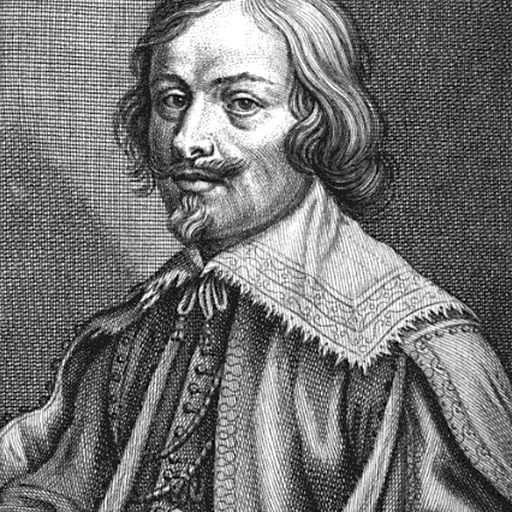
Jacques Callot was a baroque printmaker and draftsman from the Duchy of Lorraine.

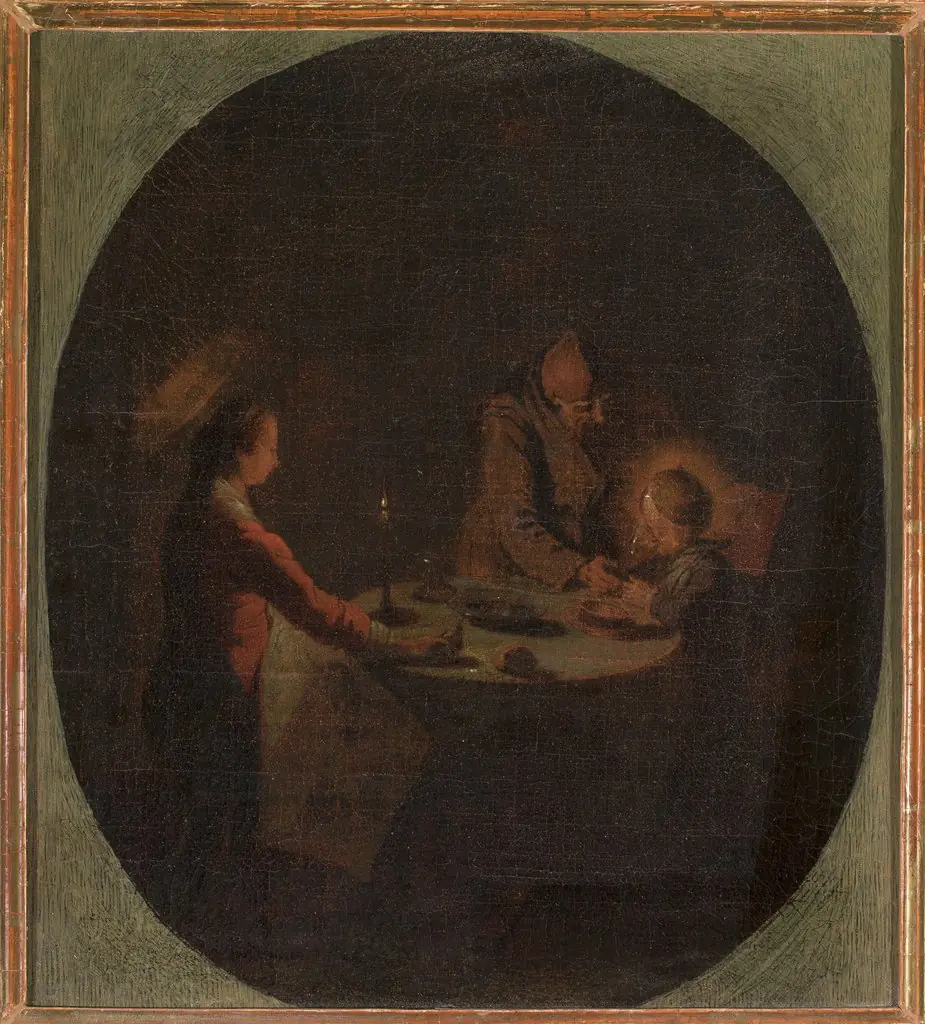 Holy Family at supper
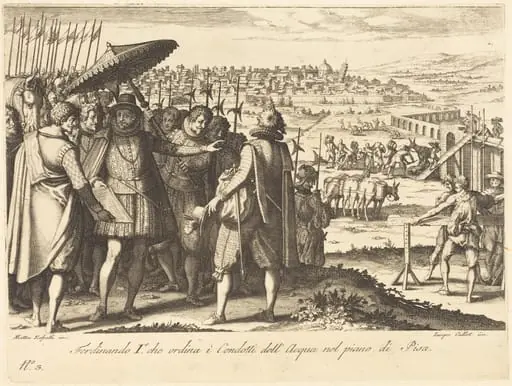 Restoration of the Aqueduct at Pisa
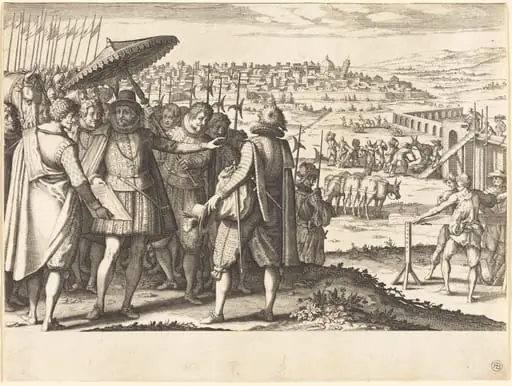 Restoration of the Aqueduct at Pisa
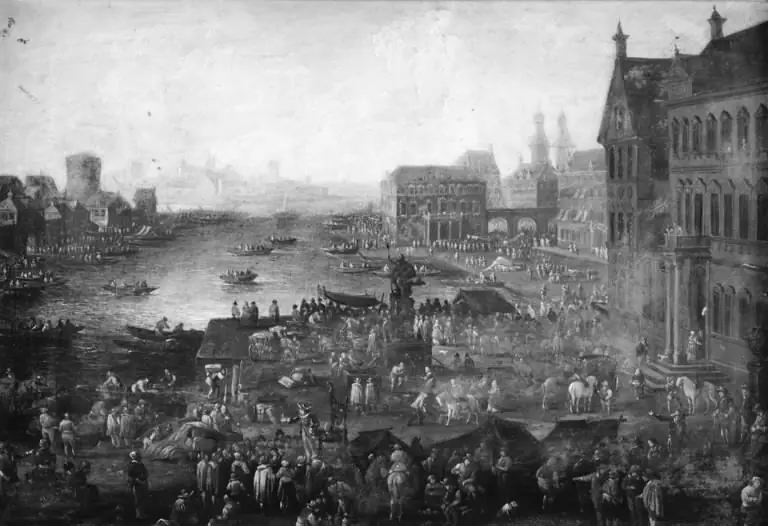 Square in Paris with Many Figures
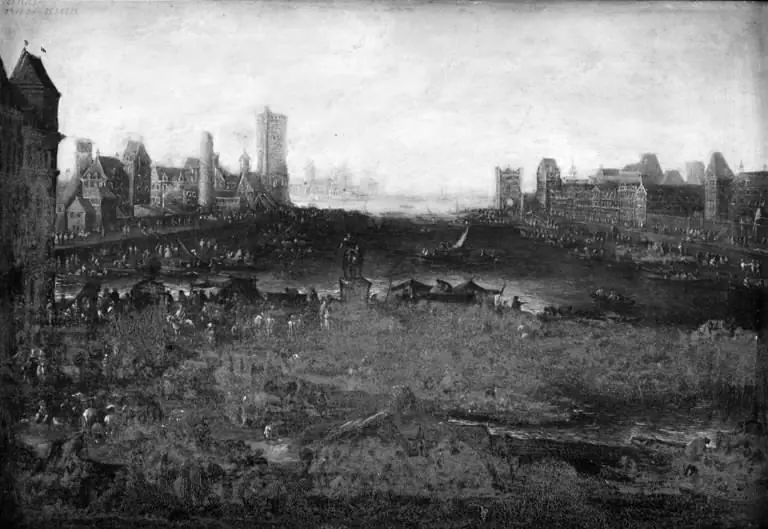 Square in Paris with Many Figures
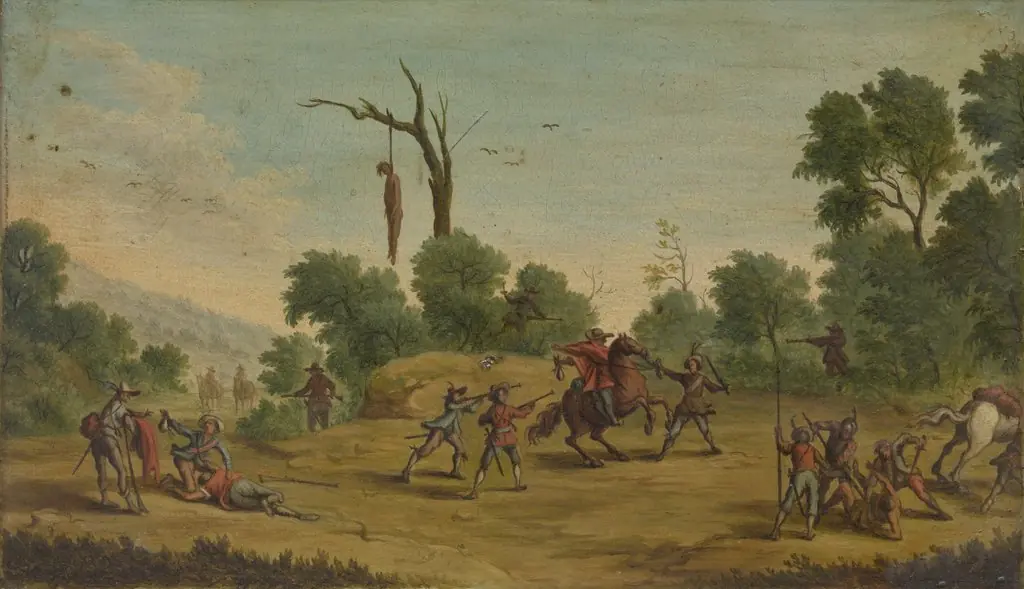 Horsemen Attacked by Robbers
 HOW WILL A COVERED PART BE CORRECTED?HOW WIKA A COVERED HEART DEED CORRECTED?
![Christ Walking on the Water [second plate], by Jacques Callot](https://artifactworldgallery.com/img/jacques-callot--christ-walking-on-the-water-second-plate--2069f3bfe4cb2126-w320.webp) Christ Walking on the Water [second plate]
Christ Walking on the Water [second plate]
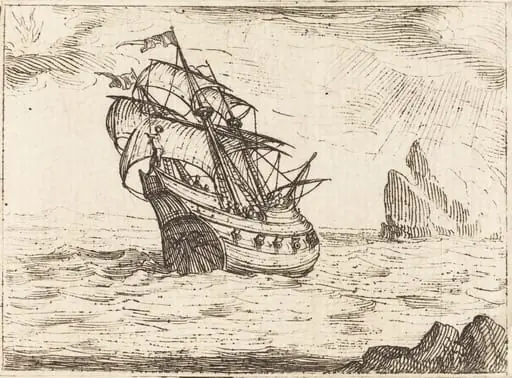 Ship Navigating Near Rocks
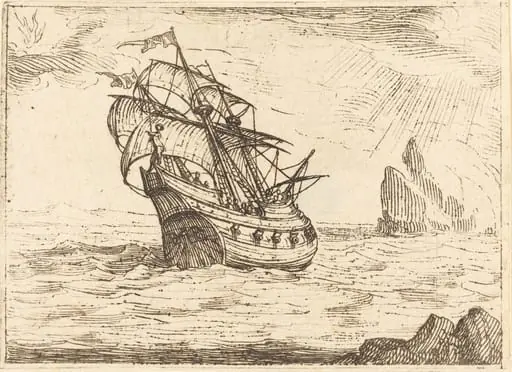 Ship Navigating Near Rocks
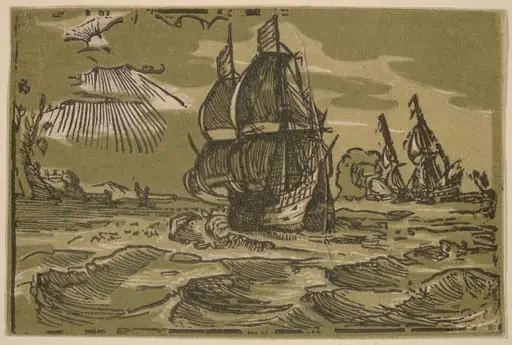 Two Three-Master Ships off a Coastline
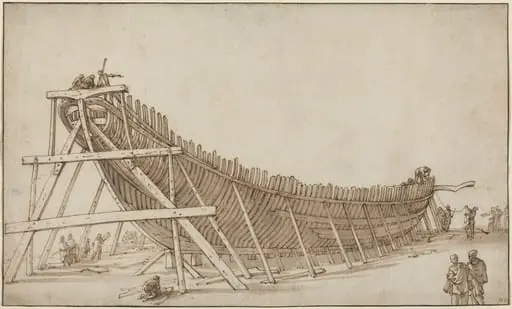 Galley under Construction
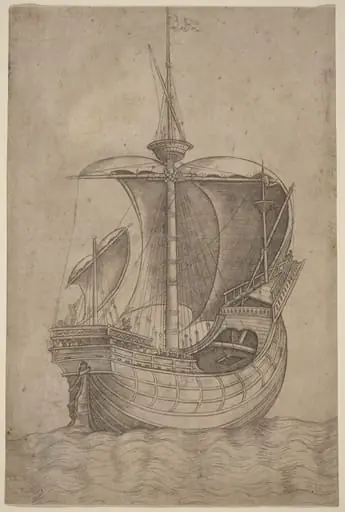 Carrack, Heading to the Right
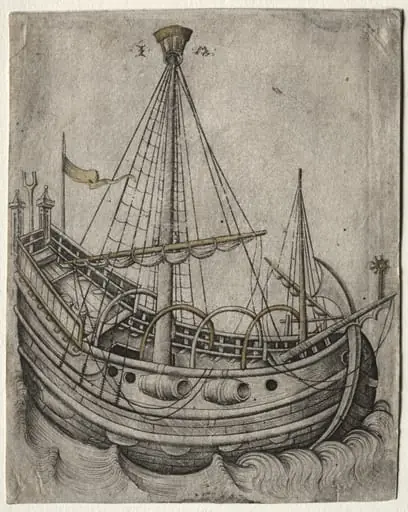 A Ship Moving Toward the Right
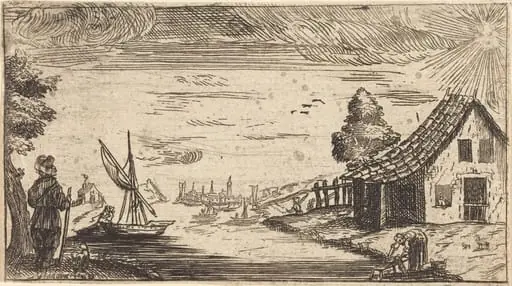 Landscape with Figure and Boat
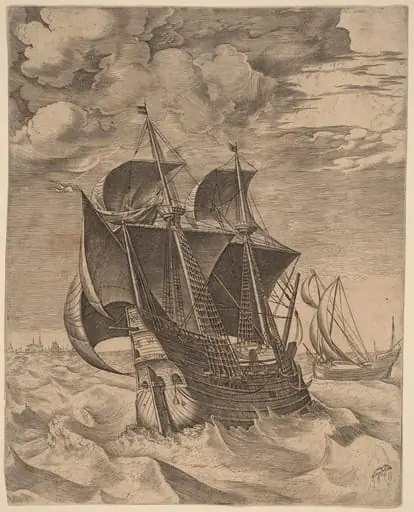 A Dutch Hulk and a Boeier
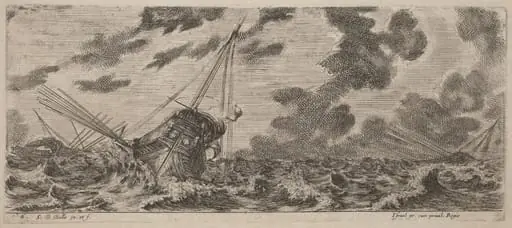 Ship in Tempest
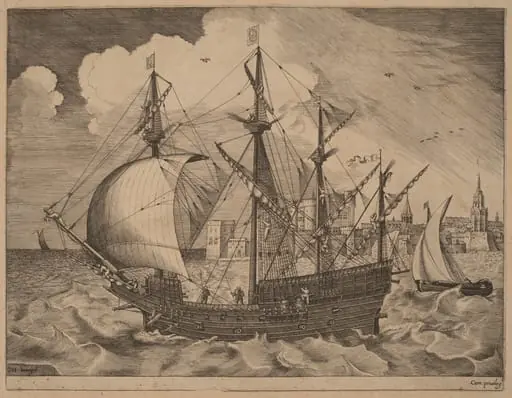 Armed Four-Master Putting Out to Sea
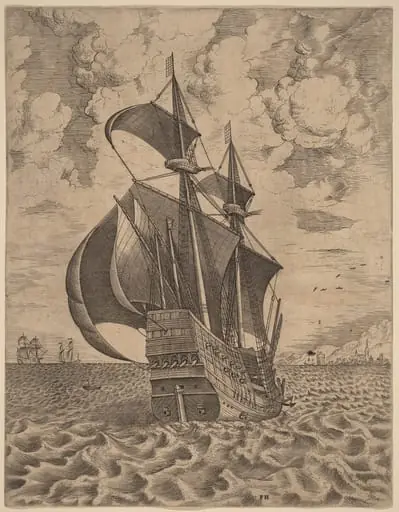 Armed Four-Master Sailing towards a Port
 Noah's Ark