Artwork
Noah's Ark
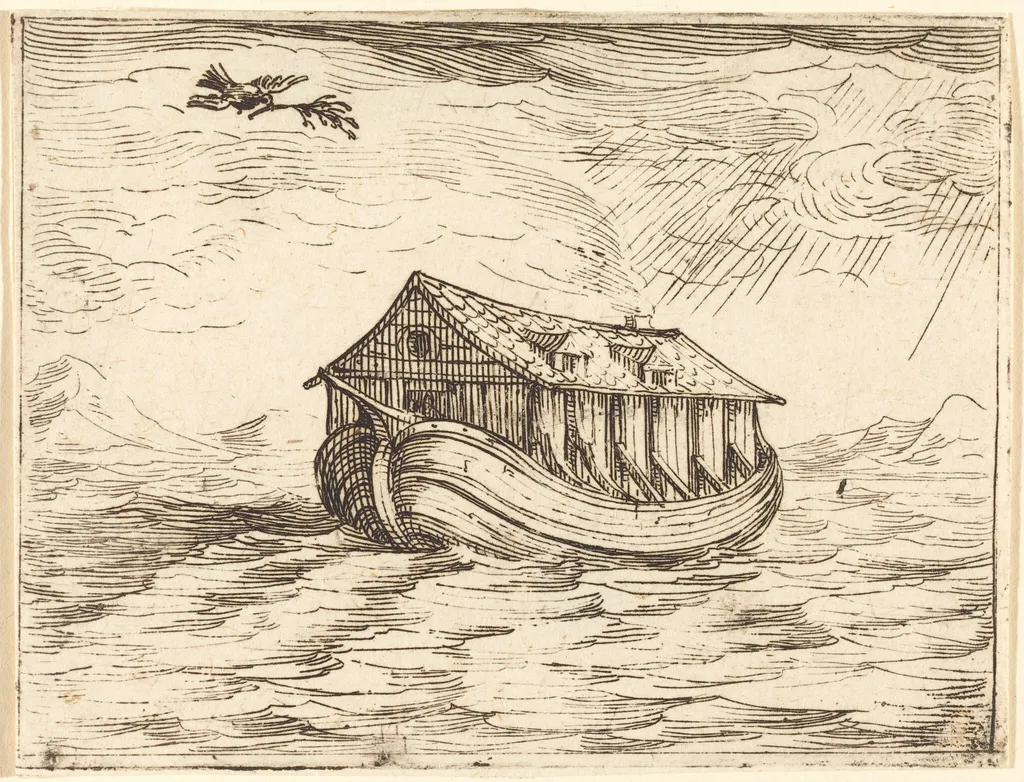
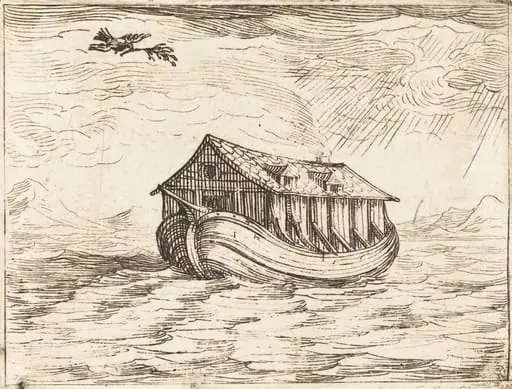
Noah's Ark is an ink print by the Renaissance artist Jacques Callot. It dates from 1628 and is held in the collection of the National Gallery of Art.
About this work
Overview
With over 1,400 known prints, Callot’s output was both prolific and diverse, often capturing moments from biblical, social, and natural worlds with precision.
Jacques Callot, a printmaker from the Duchy of Lorraine, produced this etching in 1628 as part of a broader series of religious and narrative scenes. Executed on laid paper, the work exemplifies his mastery of fine-line etching, a technique allowing for intricate detail and tonal variation. With over 1,400 known prints, Callot’s output was both prolific and diverse, often capturing moments from biblical, social, and natural worlds with precision.
Subject & Meaning
The scene illustrates the moment after the Great Flood, when Noah’s Ark rests on the receding waters. A dove, returning with an olive branch, signals the end of divine judgment and the promise of renewal. The ark, rendered with architectural clarity, stands as a solitary vessel of survival amid chaos. The composition emphasizes divine intervention through the beam of sunlight breaking through clouds, reinforcing the narrative of redemption.
Technique & Style
Callot employed fine etching lines to define the ark’s wooden planks, the rippling sea, and the textured clouds. His use of cross-hatching and delicate stippling creates depth and movement, particularly in the turbulent water and the dove’s wings. The paper’s laid texture subtly enhances the tactile quality of the scene. The precision of his toolwork allowed for minute details—like the ark’s window and door—without sacrificing the overall atmospheric effect.
History & Provenance
Created during Callot’s mature period in Nancy, the etching was likely made for private collectors or religious patrons interested in biblical imagery. Though specific early ownership records are sparse, the work aligns with his known distribution through print dealers across Europe. Its survival in multiple institutional collections suggests early recognition of its technical merit and thematic resonance.
Context
In early 17th-century Europe, religious subjects remained central to printmaking, especially in regions affected by the Reformation and Counter-Reformation. Callot’s etchings responded to this climate by offering visually rich, emotionally grounded interpretations of scripture. His focus on narrative detail and naturalistic settings distinguished his work from more stylized contemporaries, appealing to audiences seeking both devotion and artistic refinement.
Legacy
Callot’s technical innovations in etching influenced generations of printmakers, particularly in the use of fine line and atmospheric perspective. 'Noah's Ark' exemplifies his ability to merge storytelling with craftsmanship, setting a standard for narrative prints. While not widely exhibited as a standalone work, its compositional clarity and technical discipline continue to inform studies of Baroque printmaking and religious imagery.
Artist & collection
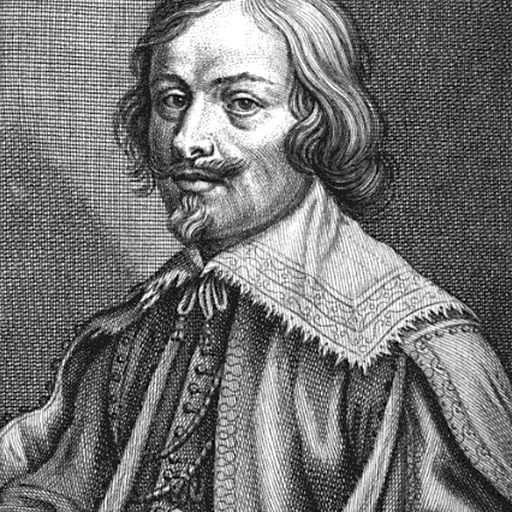
Artist
Jacques Callot was a baroque printmaker and draftsman from the Duchy of Lorraine.

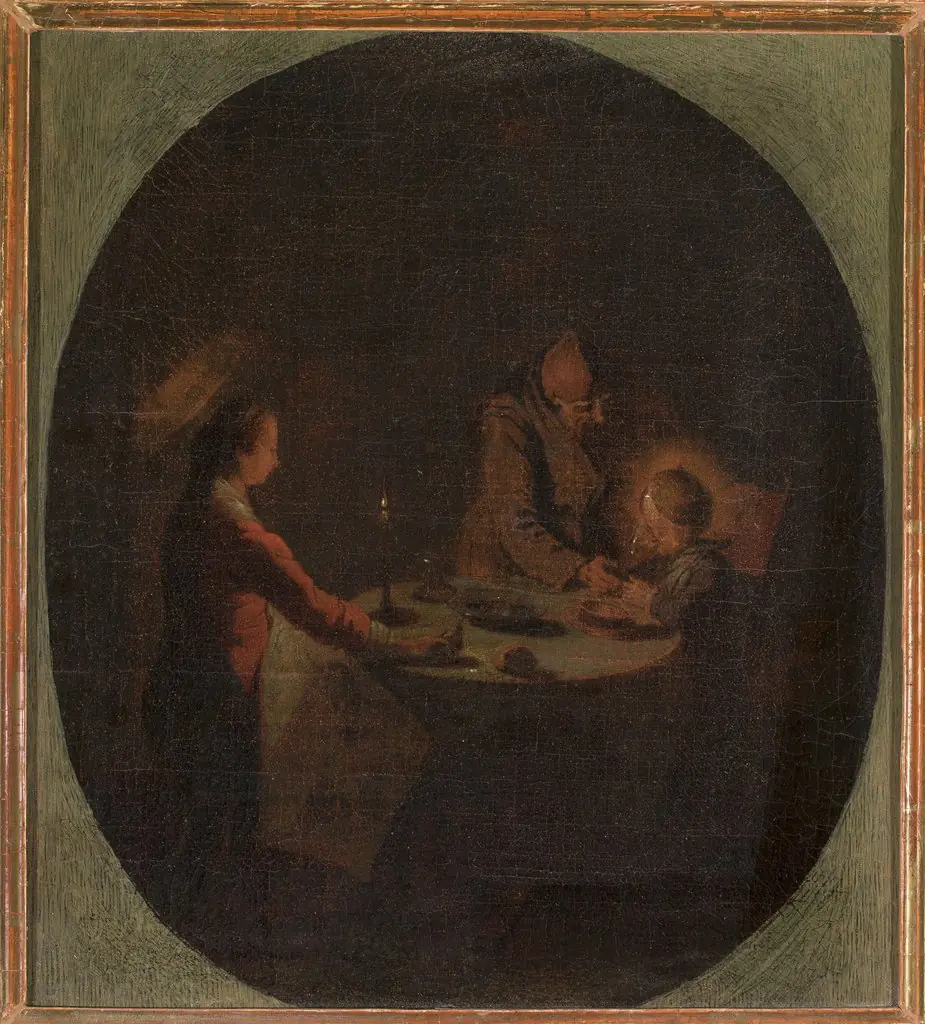 Holy Family at supper
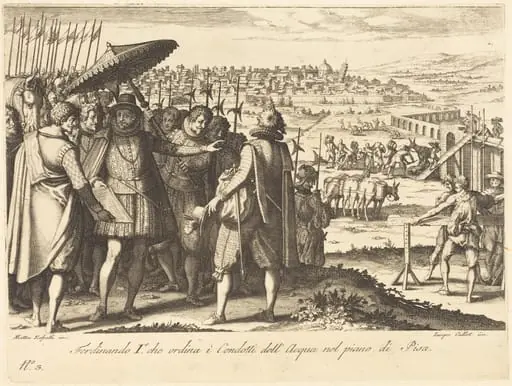 Restoration of the Aqueduct at Pisa
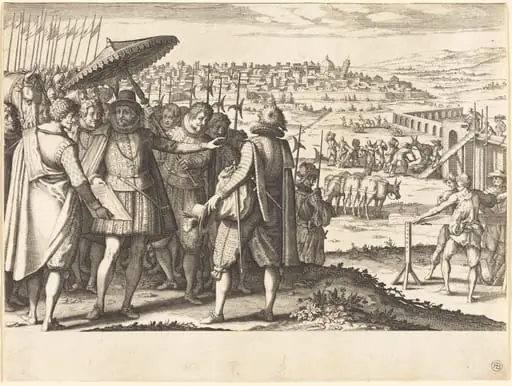 Restoration of the Aqueduct at Pisa
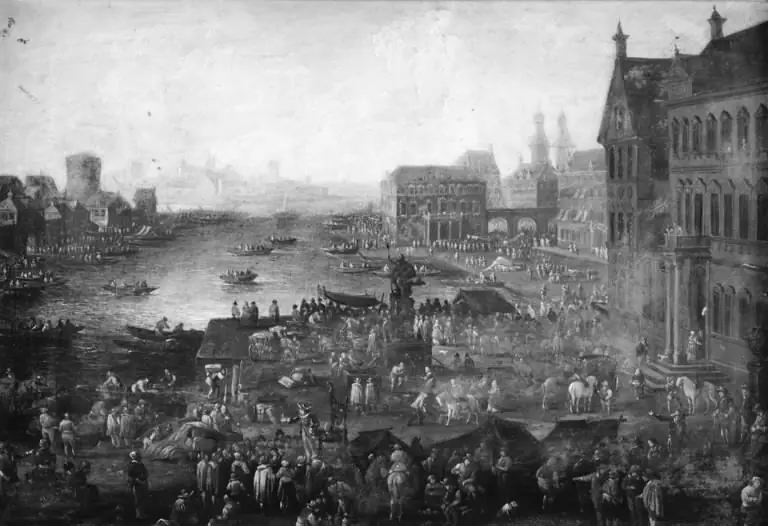 Square in Paris with Many Figures
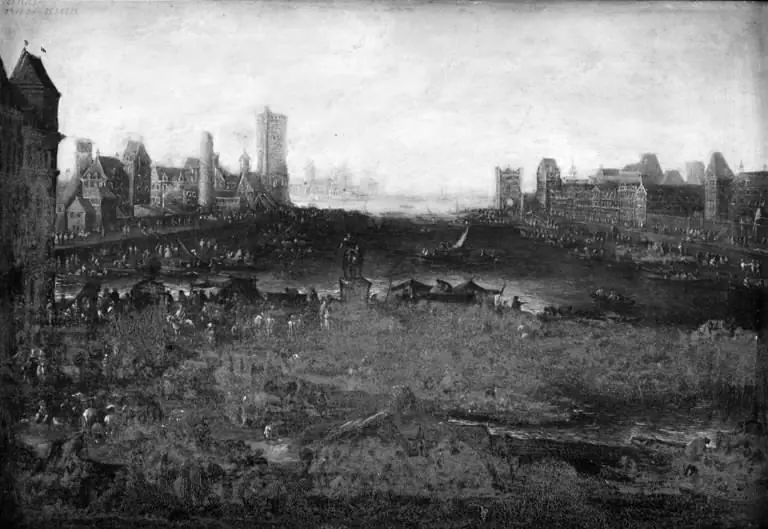 Square in Paris with Many Figures
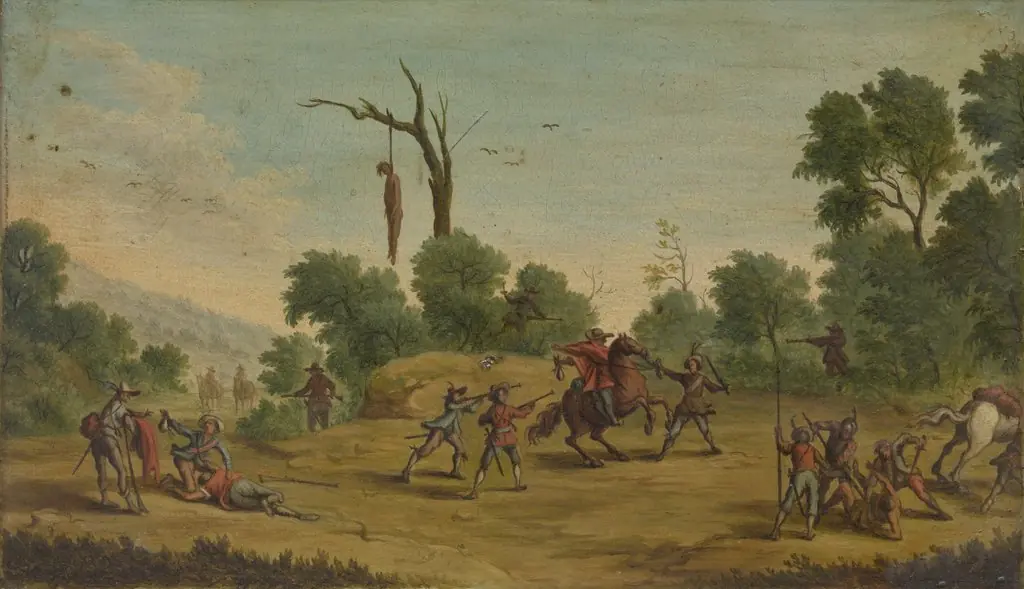 Horsemen Attacked by Robbers
 HOW WILL A COVERED PART BE CORRECTED?HOW WIKA A COVERED HEART DEED CORRECTED?
![Christ Walking on the Water [second plate], by Jacques Callot](https://artifactworldgallery.com/img/jacques-callot--christ-walking-on-the-water-second-plate--2069f3bfe4cb2126-w320.webp) Christ Walking on the Water [second plate]
Christ Walking on the Water [second plate]
 Two Three-Master Ships off a Coastline
 Ship Navigating Near Rocks
 Ship Navigating Near Rocks
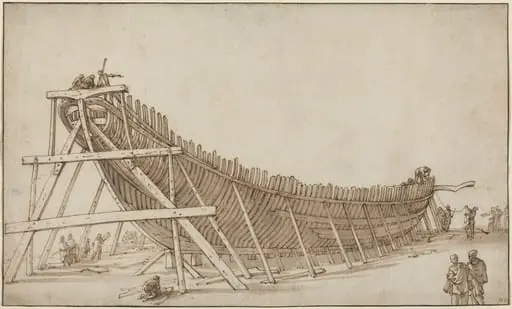 Galley under Construction
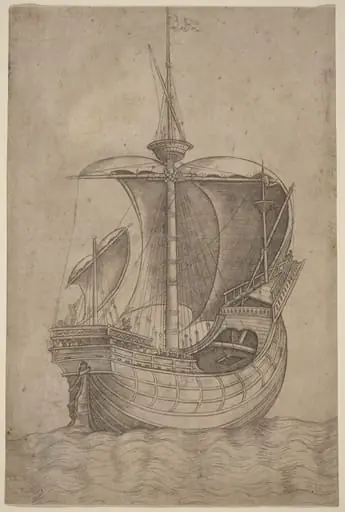 Carrack, Heading to the Right
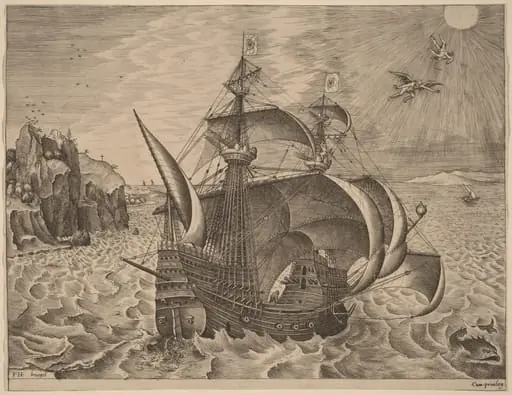 Armed Three-Master with Daedalus and Icarus in the Sky
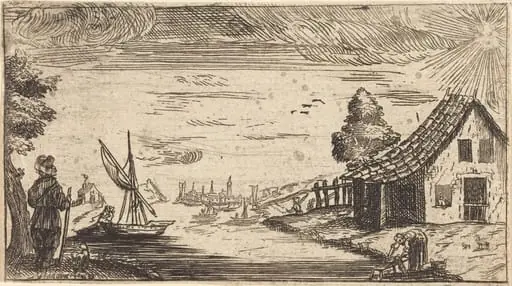 Landscape with Figure and Boat
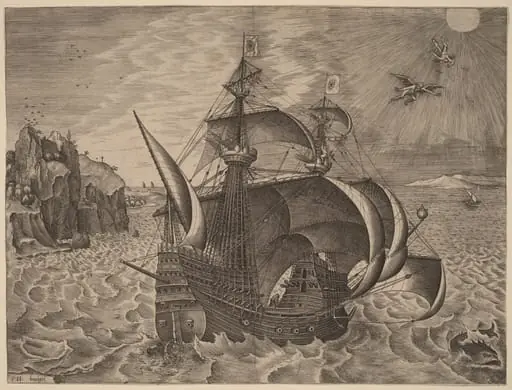 Armed Three-Master with Daedalus and Icarus in the Sky
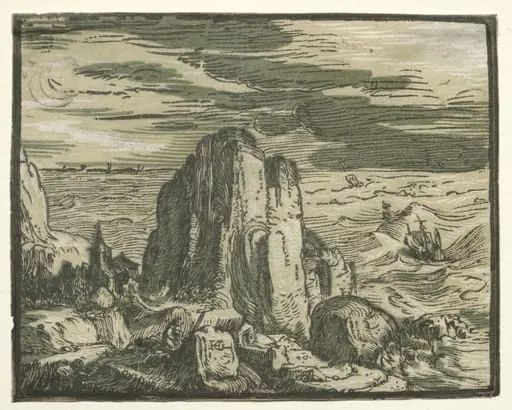 Four Small Landscapes: No. 4, Cliff on the Seashore
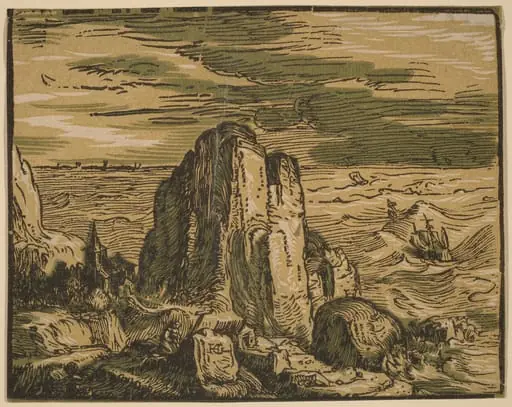 Cliff on a Seashore
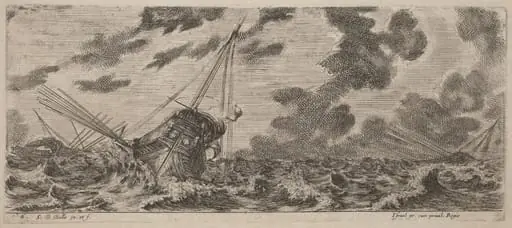 Ship in Tempest
 Noah's Ark