Artwork
Peasant with Hat in Hand
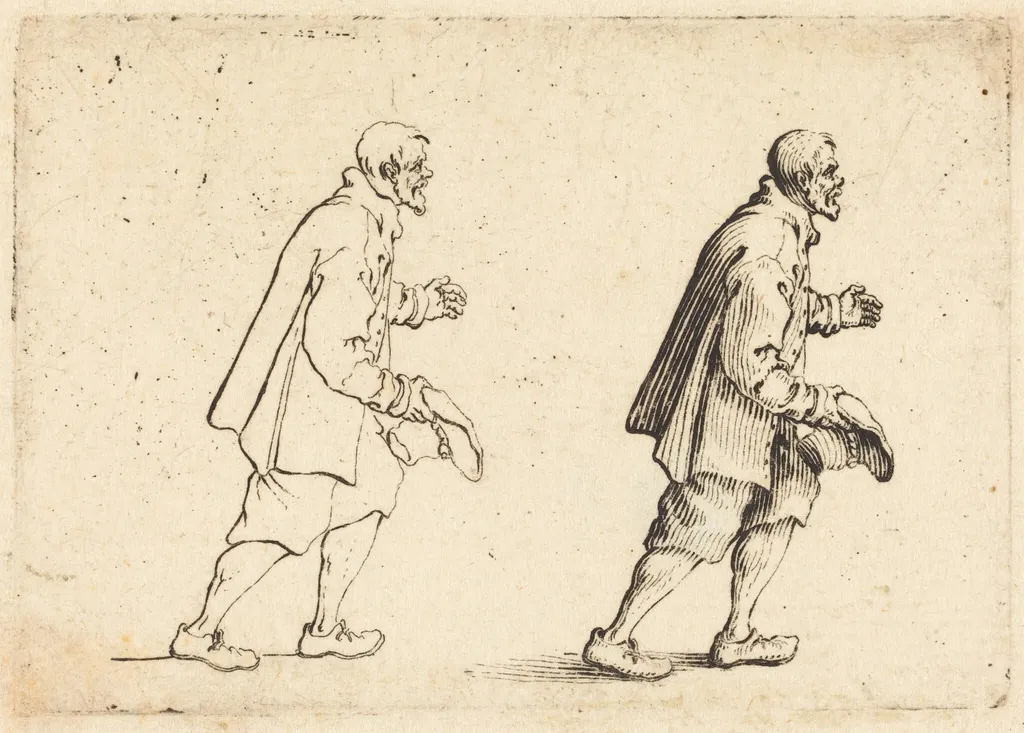
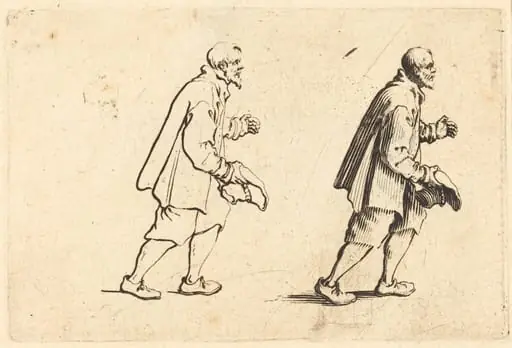
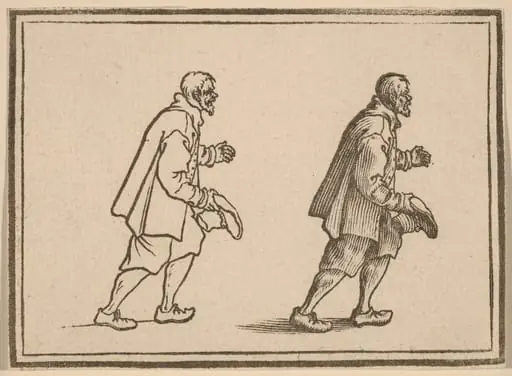
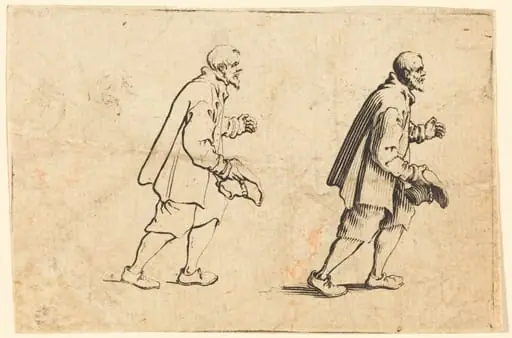
Peasant with Hat in Hand is an ink print by the Baroque artist Jacques Callot. It dates from 1617 and is held in the collection of the National Gallery of Art.
About this work
Overview
As one of over 1,400 prints by the Lorrainer artist, it exemplifies his focus on ordinary life rather than grand historical or mythological themes.
Created around 1617 by Jacques Callot, this etching on laid paper depicts two elderly peasants in motion, their postures and expressions conveying a sense of immediacy. As one of over 1,400 prints by the Lorrainer artist, it exemplifies his focus on ordinary life rather than grand historical or mythological themes. The work is part of a larger body of prints that record the textures of rural and lower-class existence in early 17th-century Europe.
Subject & Meaning
The two figures, dressed in modest, layered garments and wide-brimmed hats, appear mid-conversation or in sudden exertion, their open mouths suggesting vocalization or surprise. One carries a bundle, the other gestures with a hand on his hip, implying a moment of interaction rather than static portraiture. The scene avoids idealization, presenting aging laborers with unvarnished physicality, reflecting Callot’s interest in the dignity and vitality of common people.
Technique & Style
Callot employed etching to achieve a dense, energetic line quality—rough, angular strokes define the figures and their clothing, creating a tactile sense of movement. The paper’s surface bears faint, scattered dots, likely from the aging process or the original plate’s texture. The scratchy, uneven lines convey urgency and spontaneity, distinguishing this work from more polished engravings of the period and emphasizing its observational immediacy.
History & Provenance
The print emerged during Callot’s early career, likely produced in Nancy or Paris, where he was active before moving to Florence. While its specific ownership history before the 19th century is undocumented, it aligns with the broader circulation of his prints among collectors and artists in Europe. Its survival in good condition reflects the durability of etching on laid paper and the sustained interest in his depictions of everyday life.
Context
In early 17th-century Europe, printmaking became a vital medium for documenting social realities beyond aristocratic circles. Callot’s work responded to growing public interest in the lives of peasants, soldiers, and the urban poor. His etchings, including this one, contributed to a visual culture that valued observation over myth, capturing the rhythms of rural existence amid religious conflict and economic change.
Legacy
Callot’s detailed, unromanticized portrayals of common people influenced later generations of printmakers, including Rembrandt and Goya. This etching, though modest in scale, exemplifies his role in elevating genre scenes to the level of serious artistic study. His technical innovations in etching and his commitment to recording everyday life helped redefine the expressive potential of the medium in the Baroque era.
Artist & collection
Artist
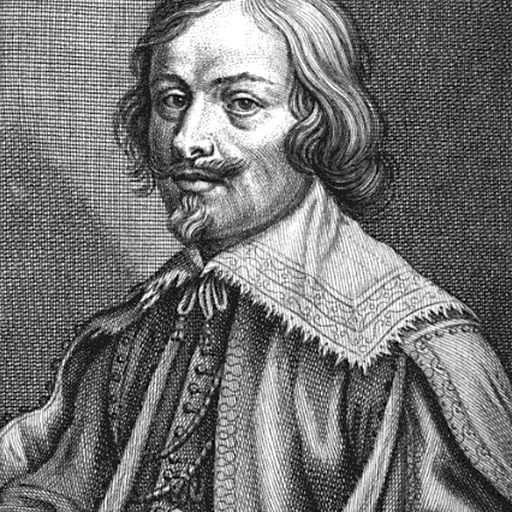
Jacques Callot was a baroque printmaker and draftsman from the Duchy of Lorraine.

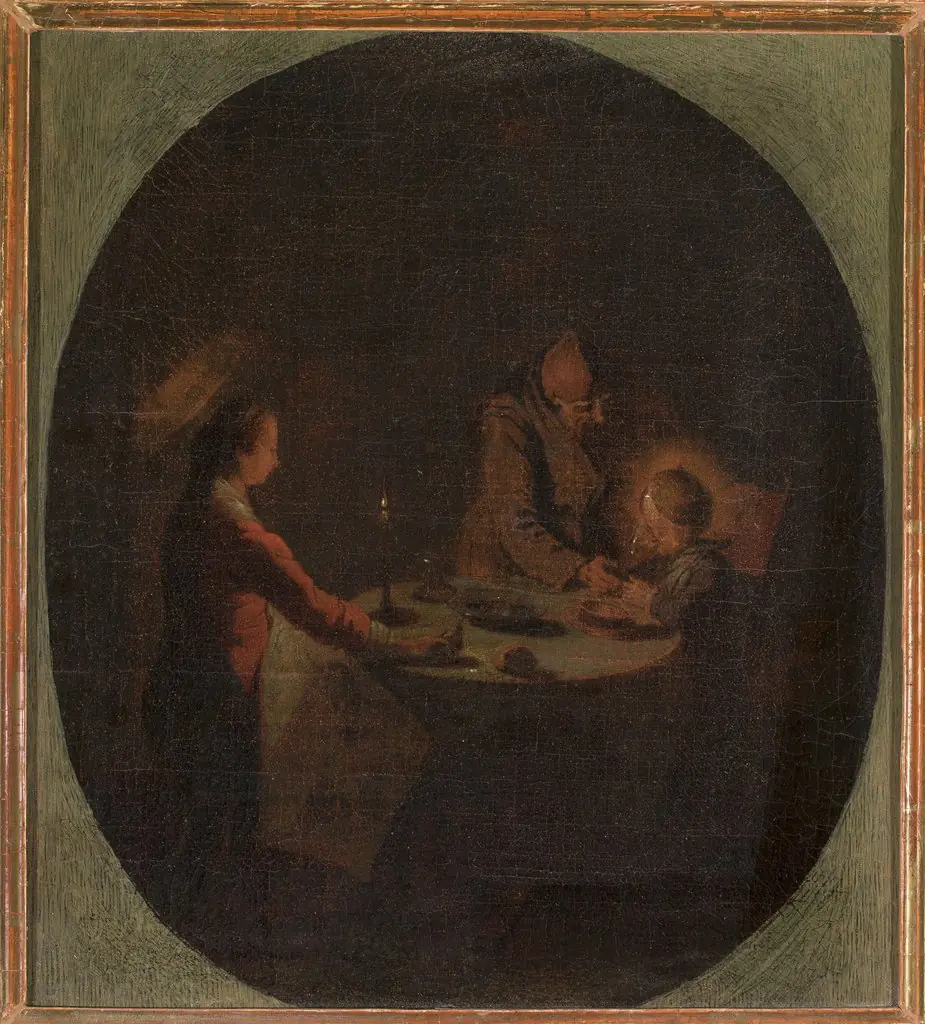 Holy Family at supper
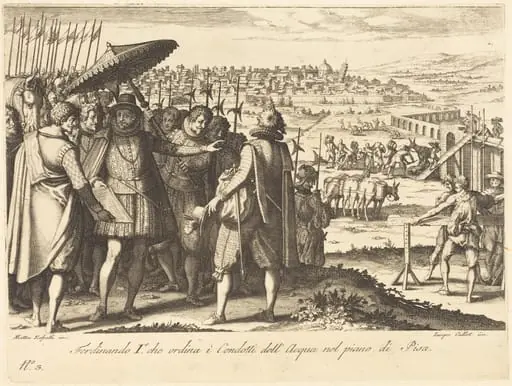 Restoration of the Aqueduct at Pisa
 Restoration of the Aqueduct at Pisa
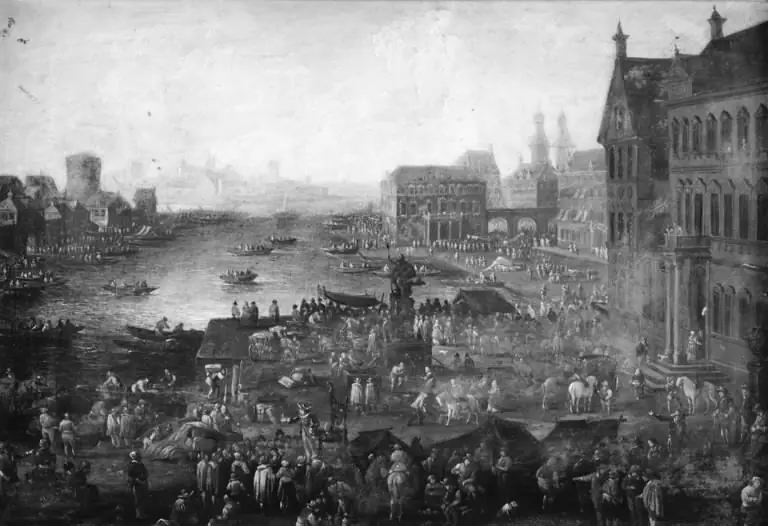 Square in Paris with Many Figures
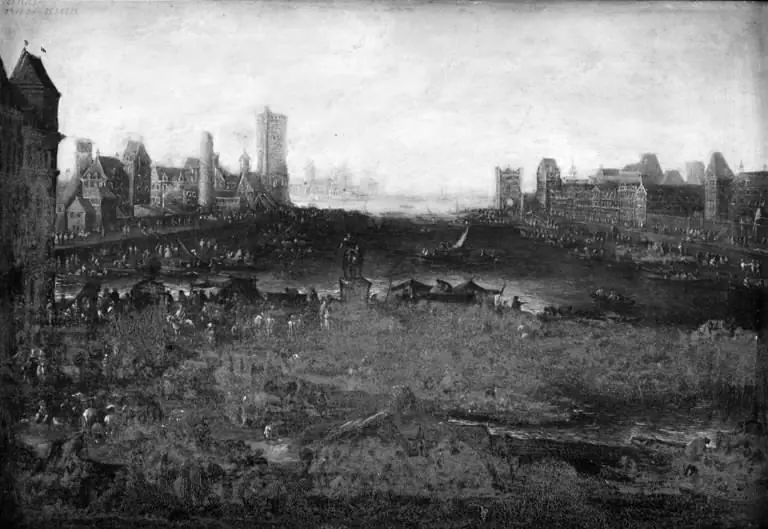 Square in Paris with Many Figures
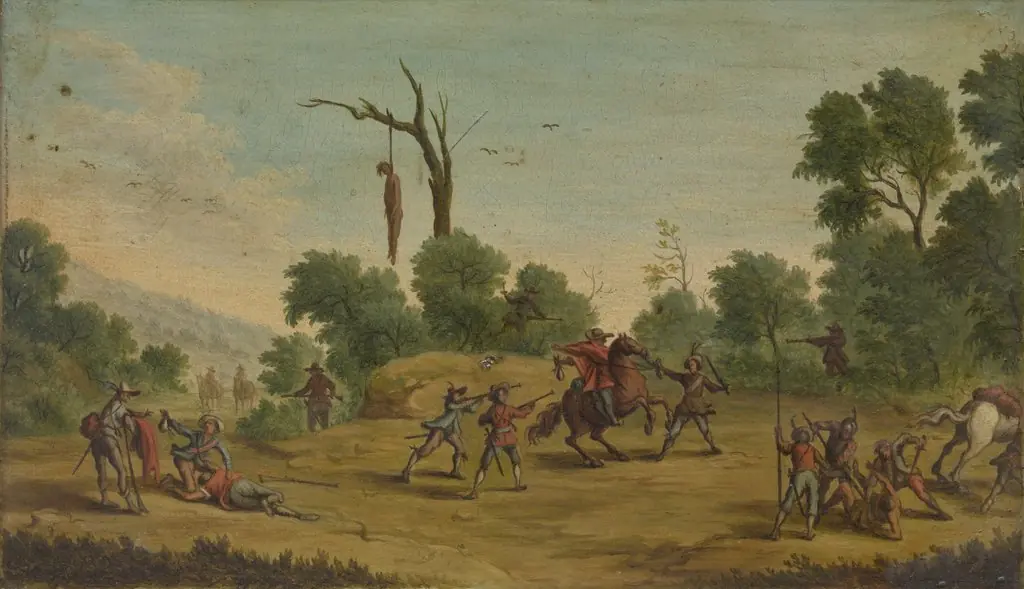 Horsemen Attacked by Robbers
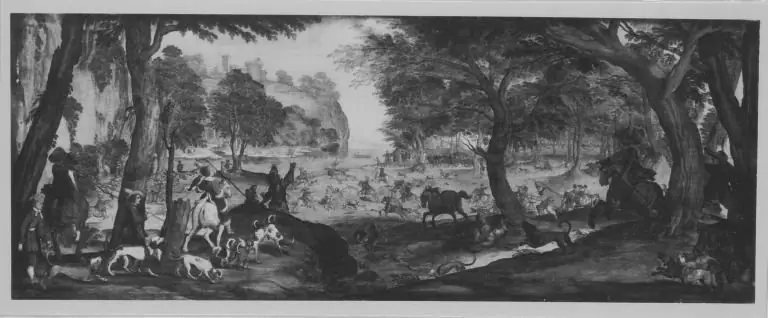 HOW WILL A COVERED PART BE CORRECTED?HOW WIKA A COVERED HEART DEED CORRECTED?
![Christ Walking on the Water [second plate], by Jacques Callot](https://artifactworldgallery.com/img/jacques-callot--christ-walking-on-the-water-second-plate--2069f3bfe4cb2126-w320.webp) Christ Walking on the Water [second plate]
Christ Walking on the Water [second plate]